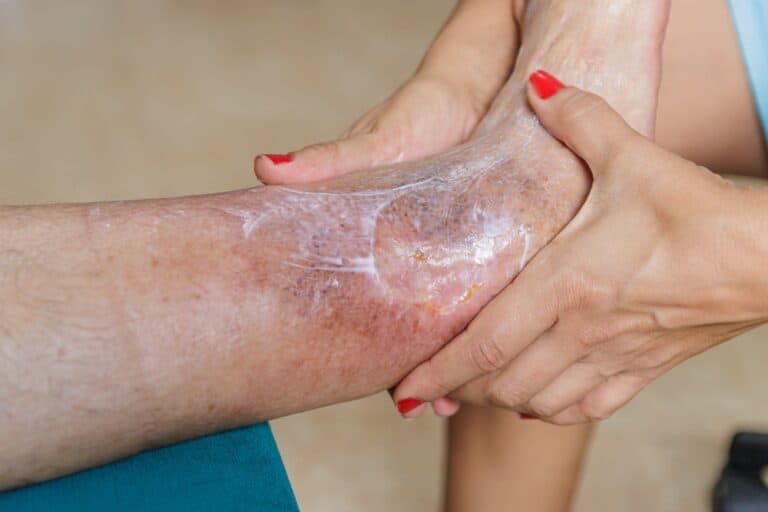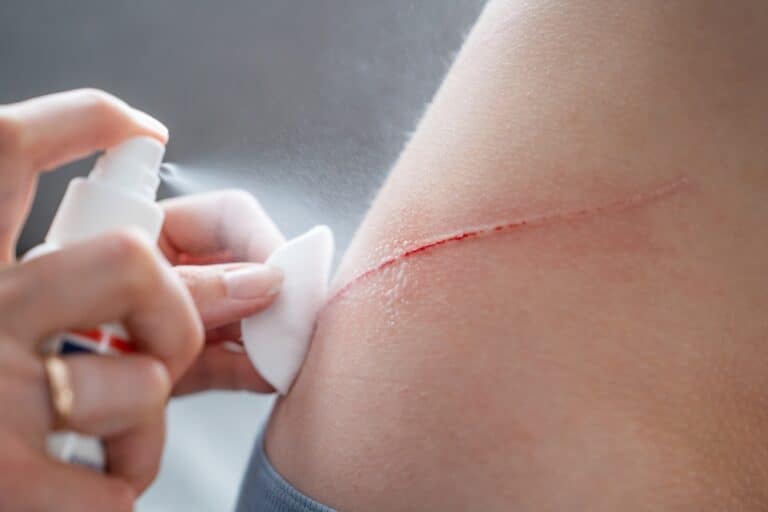

Non-healing wound treatment is rarely one condition with one fix. A wound that remains unchanged after prolonged and regular dressing changes typically indicates a biological issue rather than a problem with the dressing itself. Frequent wounds often stem from a clear cause like poor circulation, diabetes, infection, or bacterial biofilm.
If you suspect a wound is not healing as it should, here’s what technically counts as a “non-healing” wound, why wounds actually stall, how they are treated when standard care is not enough, and when the situation calls for specialist wound care rather than continued home management.
What Counts as a Non-Healing Wound
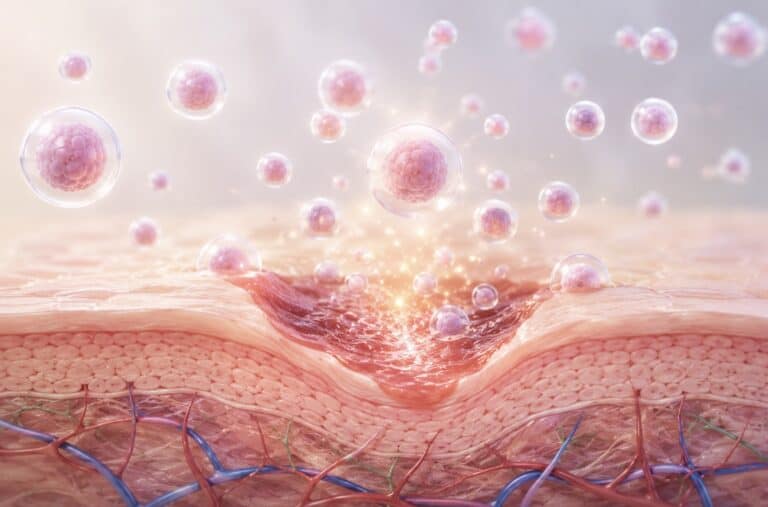
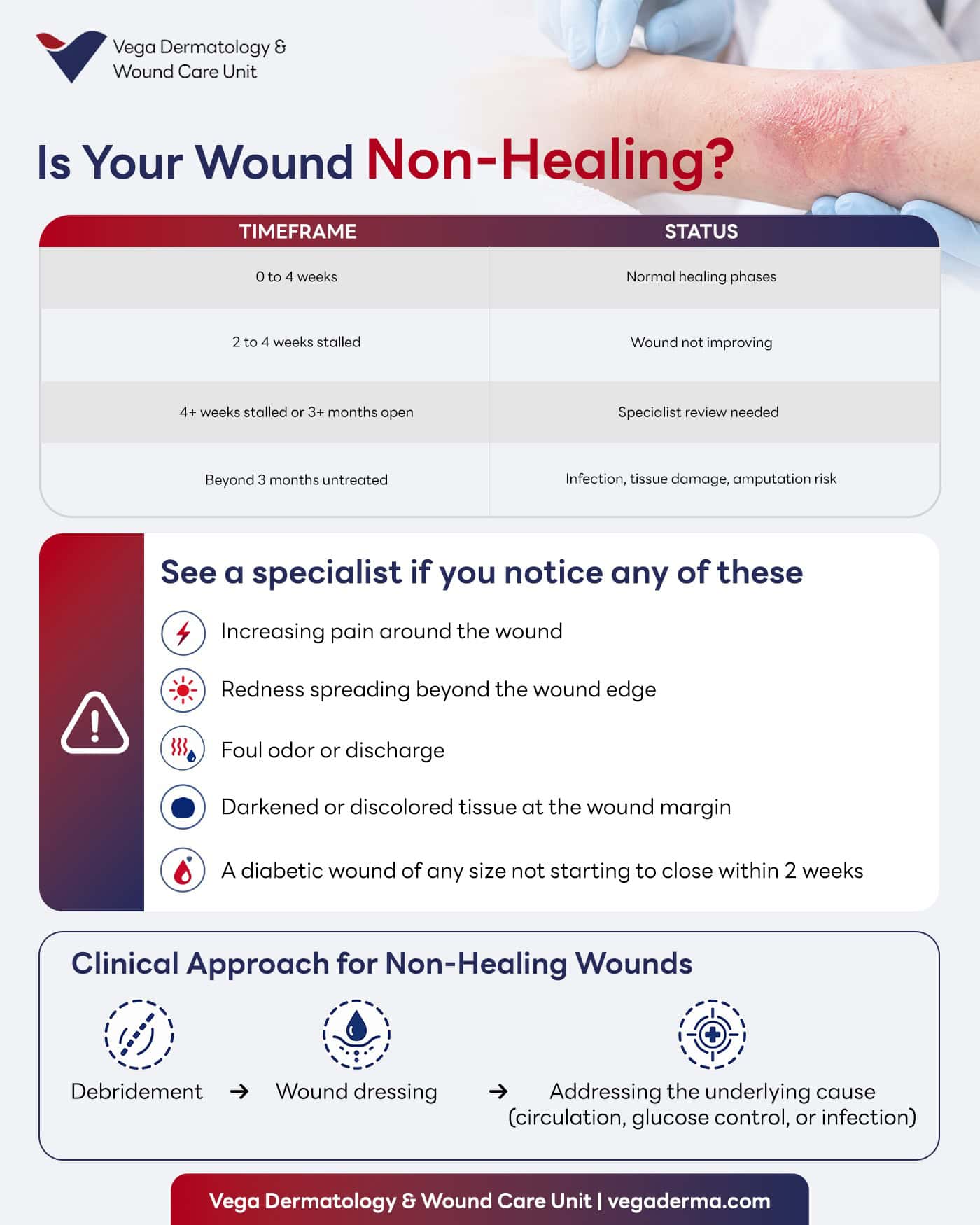
Under standard care, most wounds visibly close within 4 to 6 weeks. The body moves through predictable phases: hemostasis, inflammation, proliferation, and remodeling. A wound that follows this timeline is healing normally.
The clinical threshold for “non-healing” comes into play when a wound shows no real improvement within about 4 weeks of consistent care, or when it is still open after roughly 3 months. Beyond that window, the assumption that “it just needs more time” tends to be wrong. The biology behind the stall usually needs to be addressed by this point rather than the timeline.
Why Wounds Stop Healing
A wound may stop healing due to various causes:
- Poor circulation, or ischemia, is one of the most common drivers. Without adequate blood flow, the wound cannot receive the oxygen and nutrients required to build new tissue.
- Diabetes complicates matters further by impairing the immune response, which lets bacteria establish before the body reacts.
- Persistent inflammation and bacterial biofilm keep the wound cycling in an inflammatory phase rather than progressing toward repair. Biofilms shield bacteria from both antibiotics and the immune system, which is why many chronic wounds resist standard antibiotic courses.
Other contributing factors include continuous pressure or friction, nutritional deficiencies (particularly protein, vitamin C, and zinc), and medications like steroids, blood thinners, or chemotherapy that interfere with the healing process.
How Do You Treat a Wound That Is Not Healing?
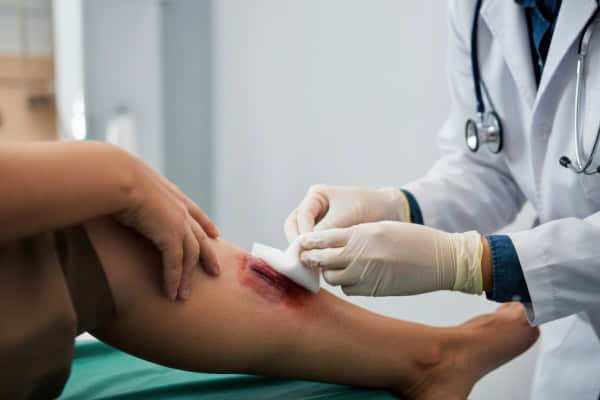
Cleaning and debridement come first. Dead tissue and bacterial biofilm need to be removed before any dressing, ointment, or advanced therapy can work effectively. Skipping this step is one of the most common reasons standard care underperforms in chronic wounds.
The choice of dressing is then determined by the level of drainage and the risk of infection. An incorrect dressing can either retain too much moisture in a poorly draining wound or dry out a wound that requires a moist healing environment. The root cause beneath everything must be dealt with: circulation problems require a vascular assessment, glucose levels need medical oversight, and an ongoing infection demands specific antibiotics.
Covering the wound alone will not resolve the biology driving the stall. Structured chronic wound healing treatment layers all of these steps into one coordinated pathway.
What Ointment Is Good For Non-Healing Wounds?
By function rather than brand, ointments for non-healing wounds fall into three main categories.
- Antimicrobial ointments: help manage bacterial burden when infection is a concern.
- Enzymatic debriding ointments: help break down dead tissue in wounds where surgical debridement is not appropriate.
- Moisture-retentive and barrier ointments: protect healthy granulation tissue and support the environment where new skin forms.
Over-the-counter ointment alone is not appropriate for every non-healing wound treatment. Diabetic wounds, deep wounds, and wounds showing drainage, foul odor, or spreading redness need professional assessment rather than continued self-treatment. In these cases, the ointment layer is not the limiting factor.
When a Non-Healing Wound Signals a Diabetic Complication
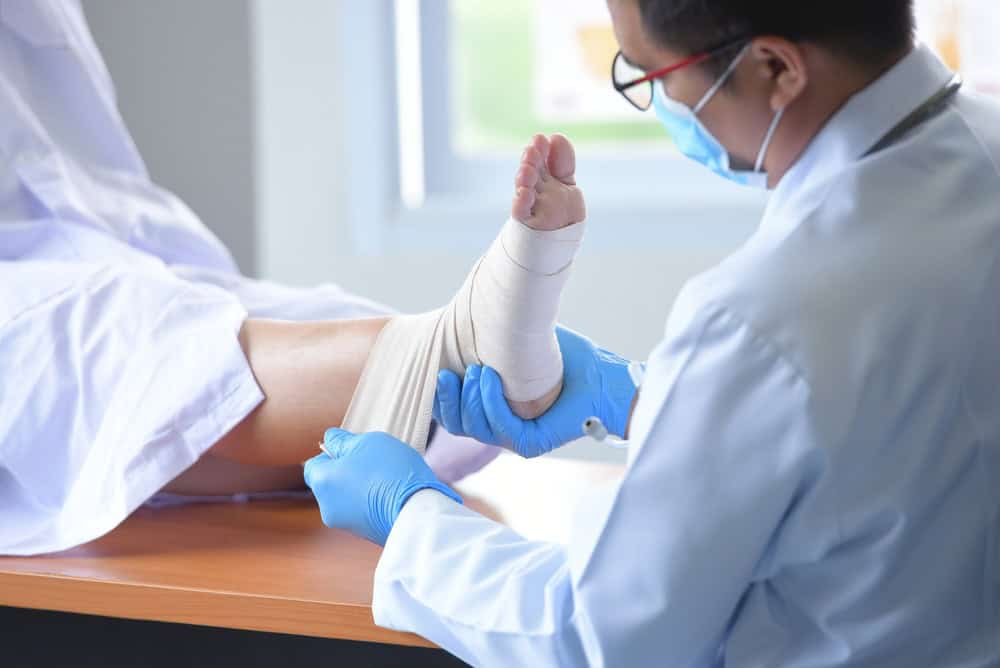
Diabetic foot ulcers and other wounds associated with diabetes present unique risks. When neuropathy affects the feet, the loss of sensation means injuries can go undetected for extended periods, allowing the wound to worsen over time. Additionally, poor blood flow impedes healing and increases the risk of complications. This specific combination significantly contributes to diabetes-related amputations worldwide.
Warning signs that warrant prompt specialist review include increasing pain, expanding redness, foul odor, discharge, or darkened tissue around the wound. Waiting to see whether a diabetic wound will improve on its own is rarely the safer choice.
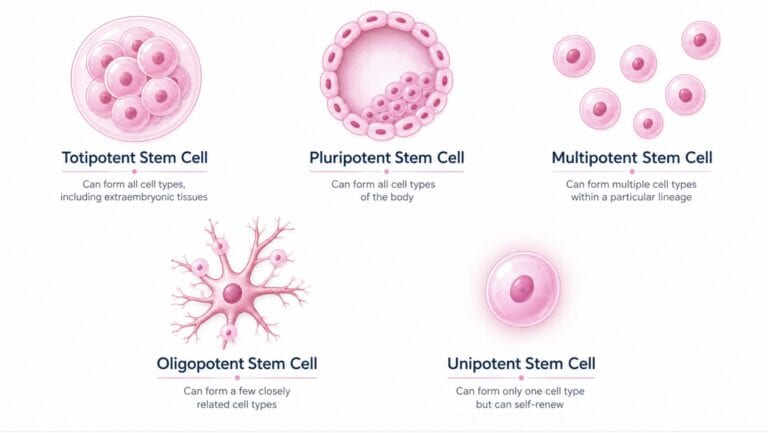
Regenerative options such as stem cell treatment for diabetic foot ulcers and stem cell for diabetic wound care are among the approaches specialist units may consider once conservative treatment has plateaued.
Vega’s Approach to Non-Healing and Chronic Wounds
At Vega Dermatology & Wound Care Unit in Bangkok, we approach chronic wounds with a structured, assessment-first pathway following the TIME framework: tissue management, infection control, moisture balance, and edge stimulation. Only after proper wound bed preparation does advanced therapy come into play.
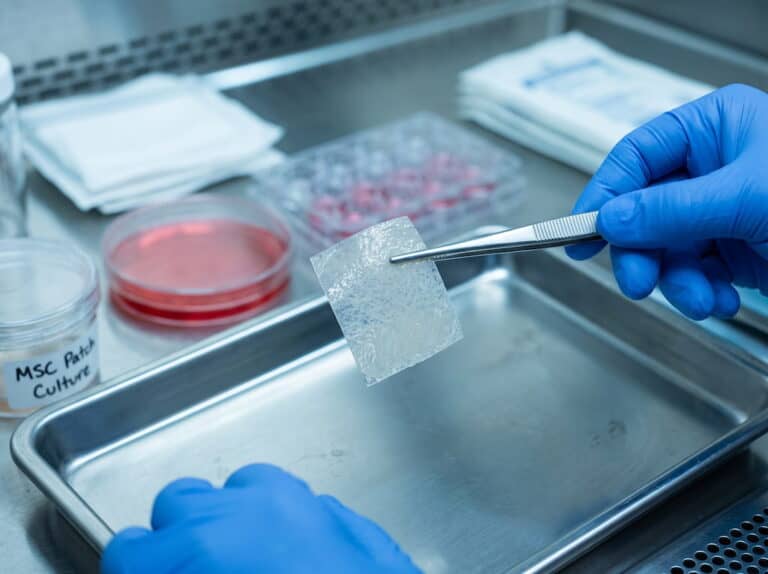
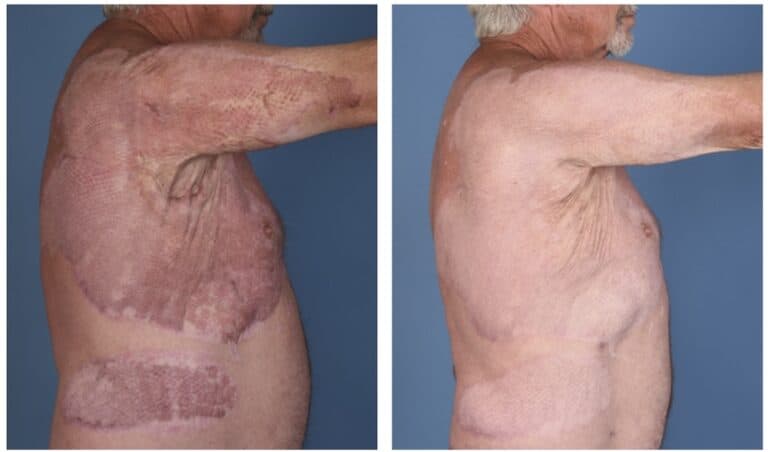
For wounds that have plateaued under standard care, the team introduces VEGF and PDGF Ultra Enhanced Media, a bio-active growth factor signaling protocol delivered directly to the wound bed. The wound care team, led by Dr. Issariya Wongla and Dr. Ekkaparb Charoensuk, brings combined wound-care and regenerative experience. Progress is tracked through objective wound measurement and serial photo documentation, with English-speaking support available throughout treatment for international patients.
Get Proper Treatment for Non-Healing Wounds
A wound is generally considered non-healing if it shows no real improvement within about 4 weeks or has not closed within roughly 3 months. The most common underlying drivers are impaired circulation, diabetes, infection, and biofilm. Effective non-healing wound treatment usually means debridement, correctly matched dressings, and addressing the underlying cause rather than covering the wound alone.
Vega Dermatology & Wound Care Unit combines structured wound-bed preparation with VEGF and PDGF Ultra Enhanced Media for wounds that have plateaued under conventional care. The unit is led by physicians with combined wound-care and regenerative experience, and is part of the wider Vega Stem Cell Clinic regenerative-medicine group in Bangkok.

The Vega Derma Medical Team consists of board-certified dermatologists, specialized trichologists, and clinical researchers based in Bangkok, Thailand. Our team specializes in evidence-based regenerative dermatology, complex tissue repair, and advanced hair restoration (including precision FUE and FSE). Every protocol and article we publish is medically reviewed to ensure it meets international clinical standards, providing safe, science-backed guidance for our local and international patients.