

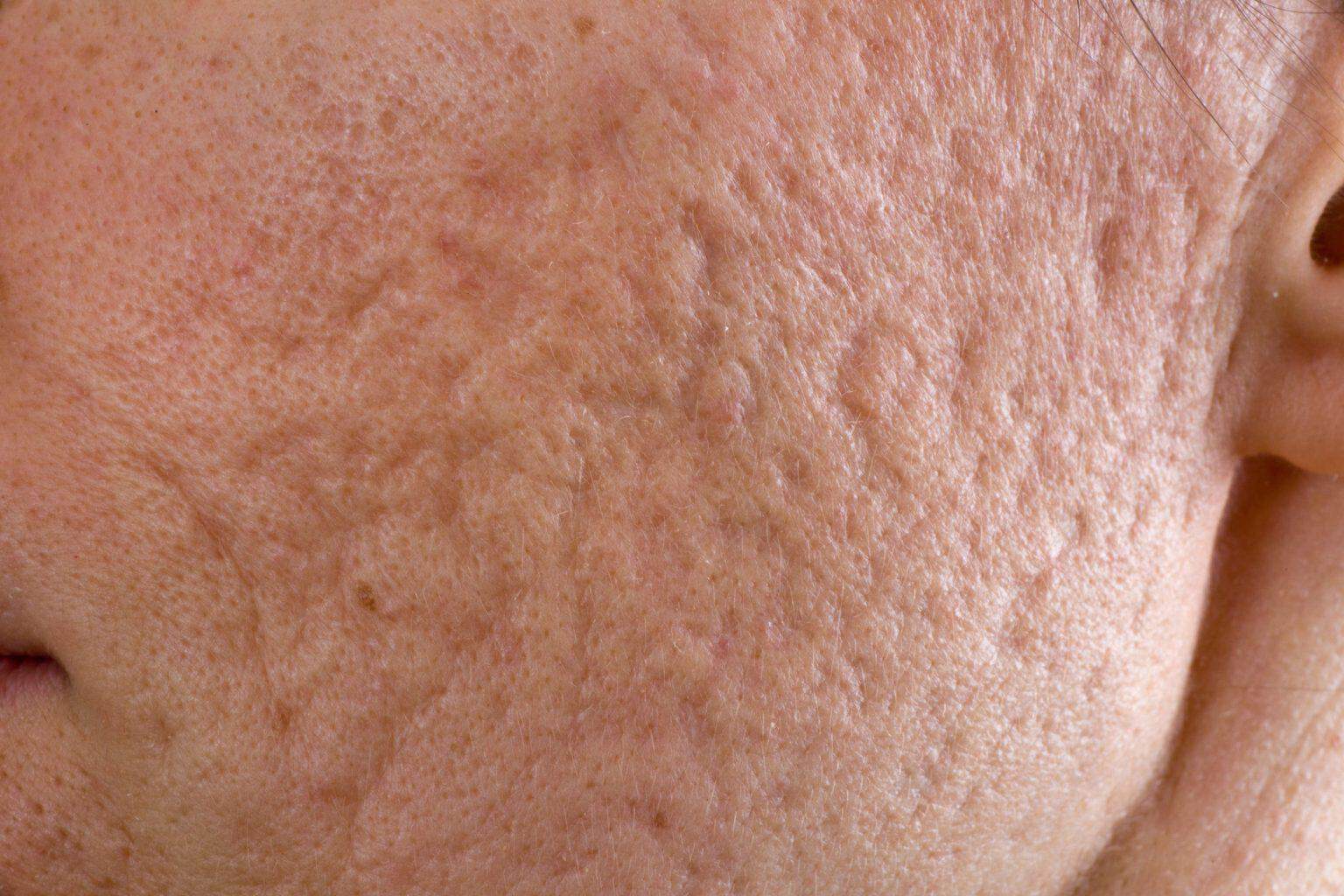
What Are Acne Scars and Why They Form?
Acne scars are permanent indentations or raised areas left after inflammatory acne damages the deeper layers of skin. They form when the body loses collagen, creating atrophic sunken scars, or produces too much collagen during repair, creating raised scars.
These are different from acne marks, which are temporary flat discolorations. Marks usually fade over months with topical care, while true scars involve textural change and need procedural treatment to improve. Understanding this distinction is important because the treatment pathways are completely different. If you are unsure whether you have true acne scars or post-acne marks, a consultation at Vegaderma will clarify the difference and determine the right approach.
How to Tell If You Have True Acne Scars
- Visible dents, pits, or raised tissue rather than flat color
- The texture remains visible under direct or angled lighting
- The scarring has lasted more than 6 months after acne clears
- Topical products and time have made little difference
If two or more of these apply, your skin has likely moved beyond what topical care can address. Procedural acne scar treatment is typically needed to rebuild the structural damage beneath the surface. Contact Vegaderma for a scar mapping assessment.
Acne Scars vs Acne Marks
Acne marks are flat areas of pigmentation, including post-inflammatory erythema (pink to red marks) and post-inflammatory hyperpigmentation (brown marks). They sit on the surface and usually respond to topical care, sun protection, and gentle light treatments.
Acne scars are textural changes caused by damage to the dermal matrix. They typically need procedural options such as subcision, microneedling, radiofrequency, laser, or stem cell-supported protocols. At Vegaderma, patients with mixed concerns (both marks and scars) receive a combined plan that addresses surface pigment and deeper structural damage in the right sequence, so neither concern is overlooked or treated prematurely.
Acne Scar Types and How We Treat Each One
Scar Type | Appearance | Common Treatment Path |
Rolling | Wavy, soft-edged depressions | Subcision plus collagen stimulation |
Boxcar | Wide, sharp-edged pits | Microneedling RF, laser, biostimulators |
Icepick | Narrow, deep, V-shaped | TCA CROSS, targeted laser |
Hypertrophic and keloidal | Raised, firm tissue | Injections, laser, regenerative support |
PIE and PIH | Flat pink or brown marks | Topicals, sun protection, light-based care |
Rolling Scars
Rolling scars form when fibrous bands tether the skin to deeper tissue, creating soft wave-like dips. Treatment focuses on releasing those bands with subcision, then rebuilding collagen. At Vegaderma, subcision is often combined with microneedling RF or biostimulators to maximize collagen recovery after the tethering bands are released. Most patients see progressive improvement over three to five sessions.
Boxcar Scars
Boxcar scars have sharp, defined edges and a flat base. They respond to energy-based devices that resurface the rim and stimulate collagen. Vegaderma uses fractional laser or microneedling RF to remodel the scar edges and improve overall texture. Deeper boxcar scars may also benefit from filler or biostimulator support to lift the base closer to the surrounding skin level.
Icepick Scars
Icepick scars are narrow and deep. They are more challenging but can often be improved using focused techniques such as TCA CROSS and targeted laser work. TCA CROSS triggers controlled reconstruction from the base of the scar upward, and Vegaderma typically plans a series of sessions spaced several weeks apart to build gradual improvement without over-treating the tissue.
Hypertrophic and Keloidal Acne Scars
These raised scars sit above the skin surface and may continue to grow without treatment. Vegaderma offers injection-based protocols combined with laser and, where appropriate, regenerative support to reduce thickness and control recurrence. For deeper guidance, see our keloid treatment page.
Why Acne Scars Don’t Improve on Their Own
True acne scars involve damage to the dermal matrix, ongoing collagen loss, and fibrotic bands that pull the skin downward. The body’s natural remodeling cannot fully repair this structural change, which is why creams and time alone rarely deliver visible texture improvement.
Effective acne scar treatment combines three elements: mechanical release of tethering bands, collagen stimulation, and regenerative support for healthier tissue quality. This is the framework behind every Vegaderma acne scar protocol. Each element addresses a different layer of the problem, and combining them produces results that a single treatment usually cannot achieve alone.
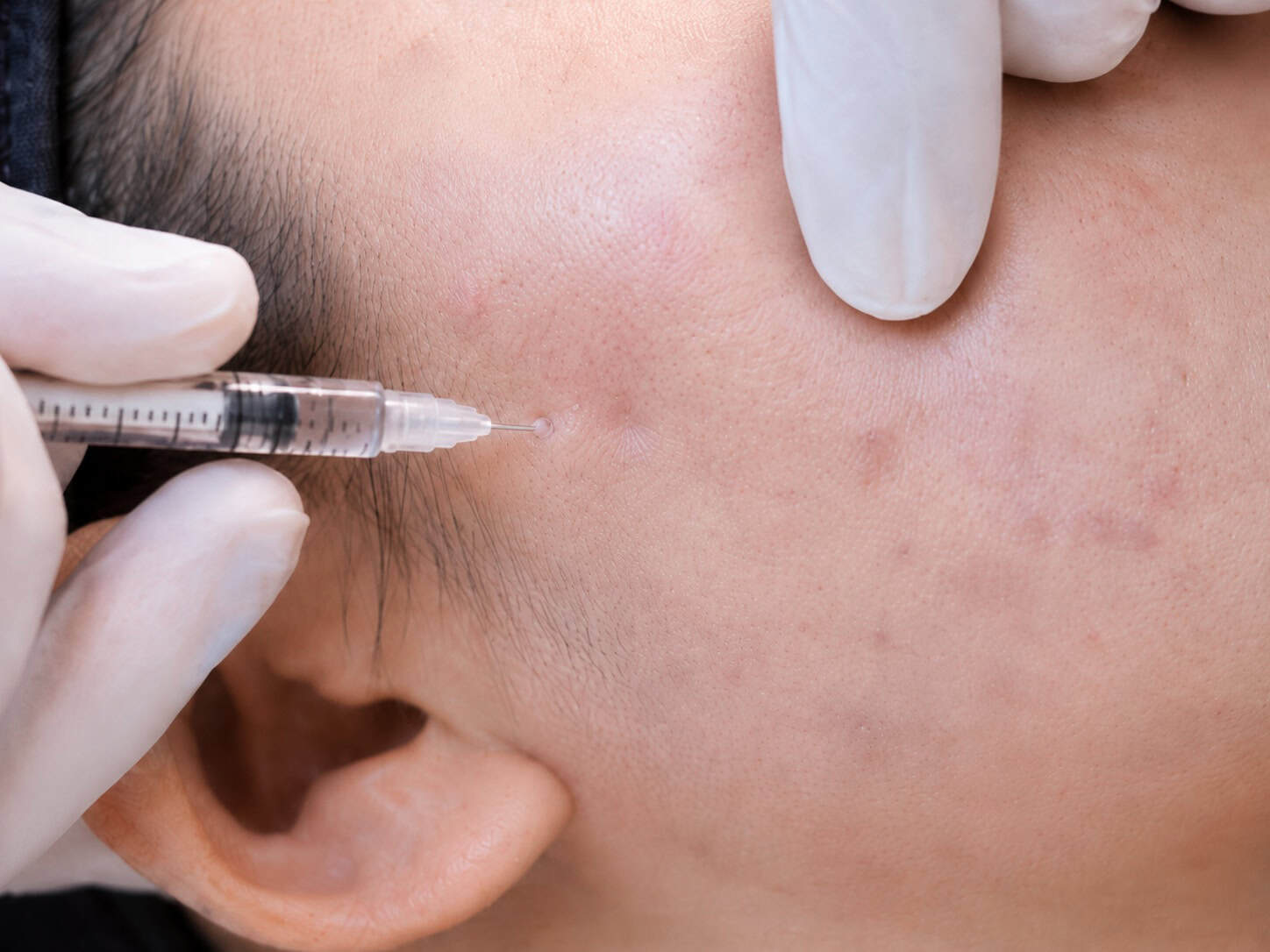
Acne Scar Treatment Services At Vegaderma, Bangkok
Most patients need a customized plan combining several of the options below.
Stem Cell Therapy for Atrophic Scars
Our advanced stem cell therapy supports natural collagen production and improves overall skin quality. This regenerative approach is best utilized as part of a combination plan for treating depressed, atrophic scars.
Subcision for Rolling and Tethered Scars
Subcision is a highly effective localized surgical technique designed to physically release the fibrous bands that pull the skin downward. It is the gold standard treatment for lifting rolling and tethered acne scars.
Microneedling RF for Deep Collagen Remodeling
By combining traditional microneedling with targeted radiofrequency energy, Microneedling RF stimulates deep collagen remodeling beneath the skin’s surface. It is highly effective for smoothing boxcar, rolling, and mixed acne scars.
Fractional & Pico Laser Skin Resurfacing
Using state-of-the-art laser technology in Bangkok, our Fractional and Pico laser treatments safely resurface the outer layers of the skin while triggering deep cellular and collagen renewal. These lasers are ideal for improving overall skin texture, tone, and mixed scarring.
TCA CROSS for Icepick Scars
TCA CROSS (Chemical Reconstruction of Skin Scars) involves the targeted application of high-strength Trichloroacetic Acid directly into the scar. This method is specifically designed for, and is highly effective at, raising deep, narrow icepick scars.
Biostimulators for Volume Loss Recovery
Injectable biostimulators work below the dermis to continuously promote natural collagen growth over several months. This long-term structural support is best for patients experiencing facial volume loss alongside severe atrophic scarring.
Advanced Chemical Peels for Skin Texture
Professional chemical peels gently exfoliate the top layer of dead skin cells to refine surface texture and even out skin tone. Peels are the perfect finishing touch for treating mild scarring and post-acne hyperpigmentation.
Your Vegaderma protocol will typically involve two to four of these options, sequenced across multiple sessions based on your scar map. Each treatment targets a specific layer of the problem, and the combination is designed to build compounding improvement with each visit.
Request a consultation to receive a personalized scar map and treatment plan.
Treatment Timeline and What to Expect
Early improvements may appear after 1 to 2 sessions, but more significant changes typically require multiple visits over 6 to 18 months. Acne scar treatment relies on gradual remodeling of the skin’s deeper layers, so results build steadily rather than appearing overnight. Your clinician will outline the expected pace at consultation, including how many sessions to anticipate and the typical interval between them.
Vegaderma tracks progress with standardized photography and clinical assessment at each visit, so both you and your clinician can see documented improvement over time rather than relying on subjective impressions.
Side Effects and Downtime
Possible effects include redness, swelling, transient bruising, crusting after TCA CROSS, and short-term pigment changes, especially in darker skin tones if not carefully managed. Most reactions settle within days, and your doctor will explain the expected recovery for each session.
Vegaderma’s team is experienced with all Fitzpatrick skin types and adjusts device settings, post-procedure care, and session spacing to minimize pigmentation risk. This is particularly important for patients with darker complexions, where aggressive protocols can cause more harm than benefit. Your safety and skin-type-specific care are factored into every treatment decision.
Aftercare That Protects Your Results
Aftercare strongly influences your final result. Your doctor may recommend:
- Daily sunscreen with broad-spectrum SPF 50
- Gentle cleansing and hydration
- Pausing actives like retinoids and acids for the recommended period
- Avoiding picking, harsh exfoliants, and aggressive scrubbing
- Following all scheduled follow-up sessions
At Vegaderma, aftercare is treated as an active phase of your treatment. You will receive a written post-session plan after each visit, adjusted to the specific procedure performed and your skin’s response. Patients who follow through with the full aftercare protocol consistently achieve stronger, more lasting results.
Acne Scar Treatment Cost in Bangkok
Costs vary based on your scar types, severity, and the combination of therapies selected. Acne scar treatments in Bangkok at Vegaderma are priced according to your personalized plan. We provide a full estimate after consultation rather than flat per-shot pricing.
For international patients, acne scar treatment in Thailand, including advanced combination protocols with subcision, RF microneedling, laser, and regenerative therapies, is typically a fraction of the cost compared to similar care in the US, UK, or Australia. Vegaderma’s transparent, itemized pricing means you know exactly what each component costs before you commit. Contact us to request a preliminary cost outline based on your scar type and severity.
Why Patients Choose Vegaderma for Acne Scars
Vegaderma approaches acne scarring as both a structural and biological challenge, planning combination protocols rather than single procedures.
- Regenerative dermatology focus with access to stem cell therapy for acne scars Bangkok patients can include in their plan
- Scar mapping to match treatments to the specific scar types on your skin
- Structured combination pathways that address tethering, collagen, and skin biology
- Personalized planning with a clear timeline and cost estimate before any session
- Skin-type-aware protocols with settings and post-care adjusted for your complexion and pigmentation risk
- English-speaking team for international patients, with the ability to review photos and records in advance so your first visit is efficient and productive
Book Your Acne Scar Consultation Today
Acne scar improvement is gradual but achievable with the right plan. Book a consultation at Vegaderma to map your scars, review your treatment options, and receive a personalized acne scar treatment plan. Schedule your consultation today.
Medical Disclaimer: Treatment outcomes vary between individuals. The information on this page is for educational purposes only and should not be interpreted as medical advice or a guarantee of results. A physician consultation is required to determine suitability for any treatment.