

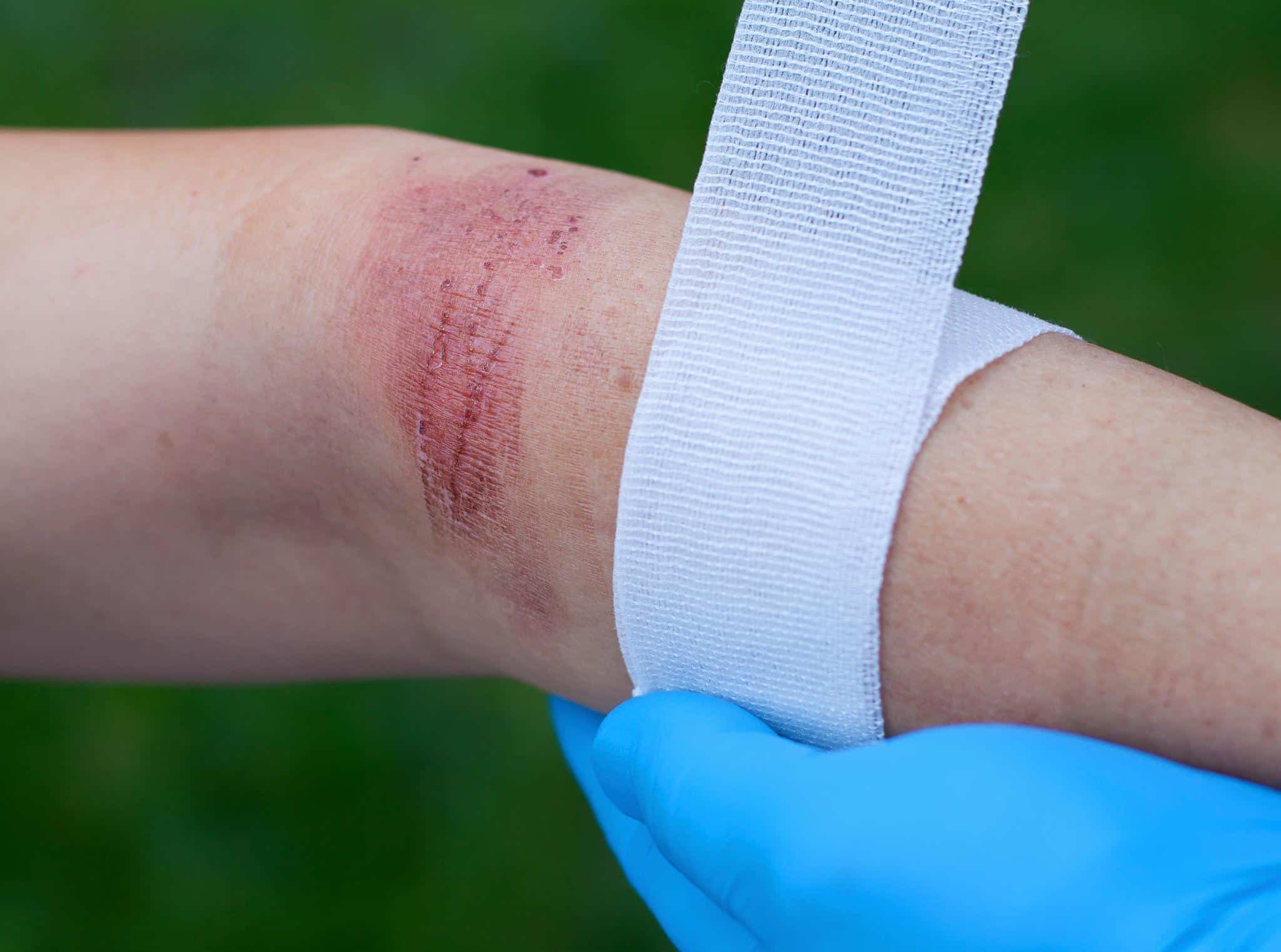
What Is Burn Wound Care?
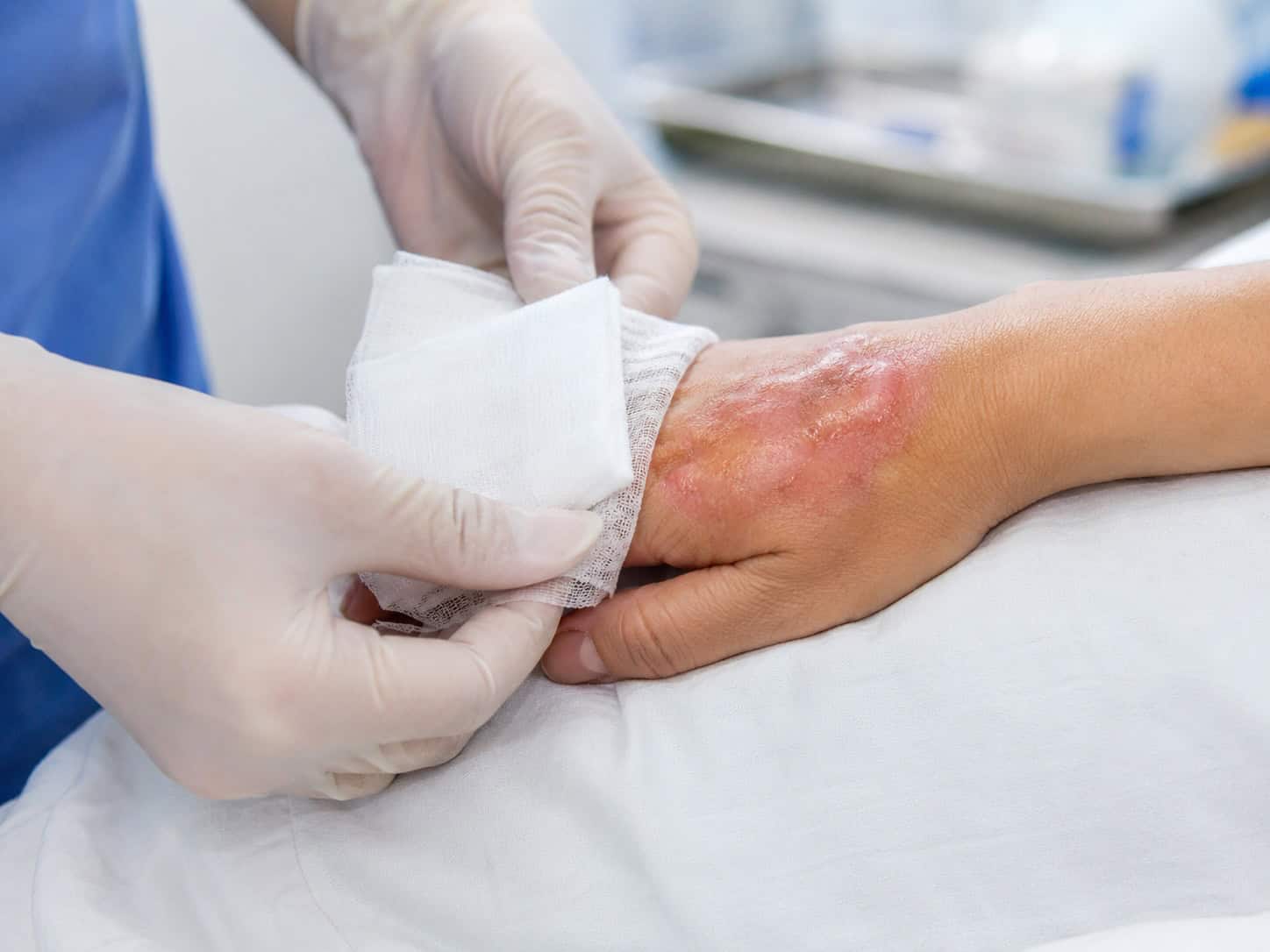
Burn wound care covers the full continuum from acute wound management to long-term scar and contracture treatment. The acute phase focuses on infection control, debridement, and wound closure. The recovery phase focuses on optimizing skin quality, limiting scar formation, and restoring movement where contractures may develop.
Severe acute burns still require hospital treatment first, and Vegaderma works in partnership with those teams during the recovery and scar-management stages.
Our clinic is structured for two types of burn patients: those with smaller outpatient burns who need structured wound care from the start, and those discharged from hospital burn units who need ongoing recovery support, scar prevention, and long-term remodeling. Both receive a documented treatment pathway with clear milestones and progress tracking.
Burn Degrees and What They Mean for Treatment
Burns are classified by how deeply they injure the skin. Depth determines treatment, healing time, and scar risk.
Degree | Depth | Visual Signs | Typical Care Setting |
First degree | Superficial | Redness, no blisters, dry surface | Home or outpatient |
Second degree | Partial thickness | Blisters, wet appearance, painful | Outpatient or hospital, depending on size |
Third degree | Full thickness | White, leathery, or charred; reduced pain | Hospital burn unit |
Fourth degree | Through skin to muscle or bone | Charred tissue, life-threatening | Hospital emergency and burn unit |
First Degree
First-degree burns affect only the outer skin layer. They appear red and feel sore but rarely blister. Most heal within a week without scarring. Vegaderma can provide guidance on proper wound care and sun protection to support clean healing, though most first-degree burns do not require clinical intervention.
Second Degree
Second-degree burns reach into the dermis and form blisters. They take longer to heal and carry a higher risk of scarring, especially when healing is slow or infection occurs. At Vegaderma, second-degree burns are treated with structured wound care protocols including debridement, advanced dressings, and close monitoring for signs of conversion to deeper injury. Early intervention at this stage can significantly reduce long-term scarring.
Third Degree
Third-degree burns destroy all skin layers and the underlying nerve endings. They almost always require surgical care and often skin grafting at a hospital burn unit. Vegaderma supports third-degree burn patients after hospital discharge, providing wound optimization, graft protection, and early scar-prevention strategies during the critical recovery window.
Fourth Degree
Fourth-degree burns extend into muscle, tendon, or bone. They are life-threatening and require immediate emergency care. Vegaderma’s role begins only after acute stabilization, supporting long-term wound recovery and scar management for patients who have completed emergency and surgical treatment.
When to Go to a Hospital vs a Clinic
Some burns must go to a hospital burn unit without delay. These include:
- Large burns covering a significant body surface area
- Burns on the face, hands, feet, genitals, or major joints
- Suspected inhalation injuries
- Electrical or chemical burns
- Any deep partial-thickness or third-degree burn
Vegaderma is structured for smaller outpatient burns and for post-hospital recovery in patients who have been stabilized. Our team coordinates with hospital units when needed, ensuring a smooth handoff from acute care to structured recovery. If you are unsure whether your burn requires hospital care or outpatient treatment, contact our team for guidance.
Phase 1: How Vegaderma Supports Burn Wound Healing
Why Burn Wounds Can Stall
Burn wounds carry a high risk of infection, fluid loss, and prolonged inflammation. Deeper partial-thickness burns can convert into chronic, non-healing wounds if not managed carefully. When a burn wound stalls, the same biological barriers that affect chronic wounds apply: biofilm formation, impaired circulation, and insufficient cellular signaling. For more on persistent wound recovery, see our chronic wound and skin repair page.
Standard Burn Wound Care
Standard outpatient burn injury treatment includes wound cleansing, debridement of devitalized tissue, topical antimicrobials to control bacterial load, appropriate dressings to maintain moisture balance, and regular monitoring for infection or conversion to deeper injury.
Vegaderma’s Regenerative Approach
For selected stalled or complex burns, Vegaderma offers regenerative protocols as adjuncts to standard care. These may include growth-factor media that support angiogenesis and granulation, and stem-cell therapy support for cases where conventional burn wound healing has plateaued. These approaches are added on top of standard care, not in place of it.
Regenerative support is considered on a case-by-case basis after standard wound care has been optimized. Your clinician will explain whether your wound is a suitable candidate and what the expected benefit and timeline would be.
Recovery Support After Hospital Discharge
Vegaderma also supports patients discharged from burn units who still have open areas, fragile grafts, or early scars. Severe burn treatment at this stage focuses on wound optimization, graft protection, and early scar-prevention strategies to set the foundation for the next phase.
This post-discharge window is critical. Without structured follow-up, burn patients are at higher risk of wound complications, graft failure, and preventable scar formation. Vegaderma bridges the gap between hospital discharge and long-term recovery with a documented care pathway and regular monitoring visits.
Phase 2: Treating for Burn Scars and Contractures
Why Burns Lead to Thick Scars and Tight Skin
Prolonged healing and deep dermal damage drive excessive collagen production, leading to stiff, raised scars. Near joints, this tissue can contract over time and limit range of motion. Early intervention plays a meaningful role in long-term function and appearance. The longer a burn scar is left without structured management, the harder it becomes to reverse contracture and restore movement.
Types of Burn Scars We Treat
- Hypertrophic burn scars: Raised, red, thick scars that stay within the wound border. Vegaderma uses injection-based protocols, laser, and conservative support to reduce thickness and discomfort.
- Keloidal burn scars: Scars that extend beyond the original burn border. Treatment follows our combination keloid protocols. For dedicated keloid care, see our keloid treatment page.
- Contracture scars: Tight, restrictive scars that limit range of motion, especially near joints. Vegaderma combines conservative care with energy-based remodeling and, when necessary, coordinates surgical revision with partner hospitals.
- Pigment changes: Lighter or darker tones than the surrounding skin. These are addressed through staged topical and light-based approaches matched to your skin type.
For deeper scar education, see our scar and tissue remodeling page.
Burn Scar Treatment Options In Bangkok, Thailand
Option | How It Works | Best For |
Silicone and pressure therapy | Hydrates and applies steady pressure | Early scar prevention |
Steroid injections | Reduces collagen and inflammation | Raised, thickened scars |
Pulsed-dye laser | Targets redness and vascularity | Red, inflamed scars |
Fractional CO₂ laser | Resurfaces and stimulates collagen | Texture and contracture support |
Surgical revision | Releases tight bands or improves contour | Mature contracture scars |
Cell-based regenerative support | Encourages organized collagen | Select post-treatment cases |
Physical therapy referral | Maintains range of motion | Scars over joints |
Your burn scar protocol at Vegaderma will typically combine two or more of these options, sequenced according to where your scar sits in its healing timeline and what outcomes matter most to you, whether that is reducing tightness, improving appearance, restoring movement, or all three.
Book a consultation to discuss which combination is right for your burn scar.
When to Start Treating a Burn Scar
Preventive measures like silicone, pressure garments, and strict sun protection begin soon after the wound closes. More intensive options like laser and steroid injections are usually introduced once the skin has fully stabilized and infection risk is low. Your doctor will time each step based on how your skin is healing.
Starting early matters. Patients who begin conservative scar prevention within the first weeks after wound closure consistently achieve better long-term outcomes than those who wait until scarring is already established. Even if you are months past your burn, it is not too late to start; mature burn scars can still improve with the right combination of therapies.
Cost of Burn Wound Care in Thailand
The cost of burn wound care at Vegaderma depends on the burn degree, the phase of treatment (active wound healing versus later burn scar and contracture management), the area affected, and the therapies combined in your plan. Because burn recovery is staged over time, we price each phase after assessment rather than quoting a flat rate, and explain what each stage involves. You receive a transparent, itemised estimate up front, with burn care in Thailand remaining competitively priced for international patients.
Why Patients Choose Vegaderma for Burn Care
Vegaderma takes a regenerative, two-phase approach to the treatment of burn injury and burn scars.
- Two-phase care: acute wound support and long-term scar management in one structured program, so you are never left without a plan between phases.
- Coordination with hospital teams for post-discharge recovery, ensuring a smooth transition from acute care to outpatient management.
- Combination scar protocols matched to scar type, location, and functional goals.
- Access to stem-cell therapy support as an adjunct to standard care for cases where conventional approaches have plateaued.
- English-speaking team for international patients, with the ability to review photos and medical records in advance for efficient first visits.
- Competitive treatment costs: Burn wound care and scar management in Thailand, including regenerative protocols, is typically a fraction of comparable care in the US, UK, or Australia. Vegaderma provides a transparent, itemized cost estimate after your assessment so you can plan your treatment and travel with confidence. Contact us for a preliminary cost outline.
Start Your Burn Care Recovery in Bangkok
Early support gives the best foundation for healing and minimizing long-term scarring. Book a consultation at Vegaderma to review your wound or scar, discuss the right combination of therapies, and receive a personalized plan. Schedule your consultation today.
Medical Disclaimer: Treatment outcomes vary between individuals. The information on this page is for educational purposes only and should not be interpreted as medical advice or a guarantee of results. A physician consultation is required to determine suitability for any treatment.