

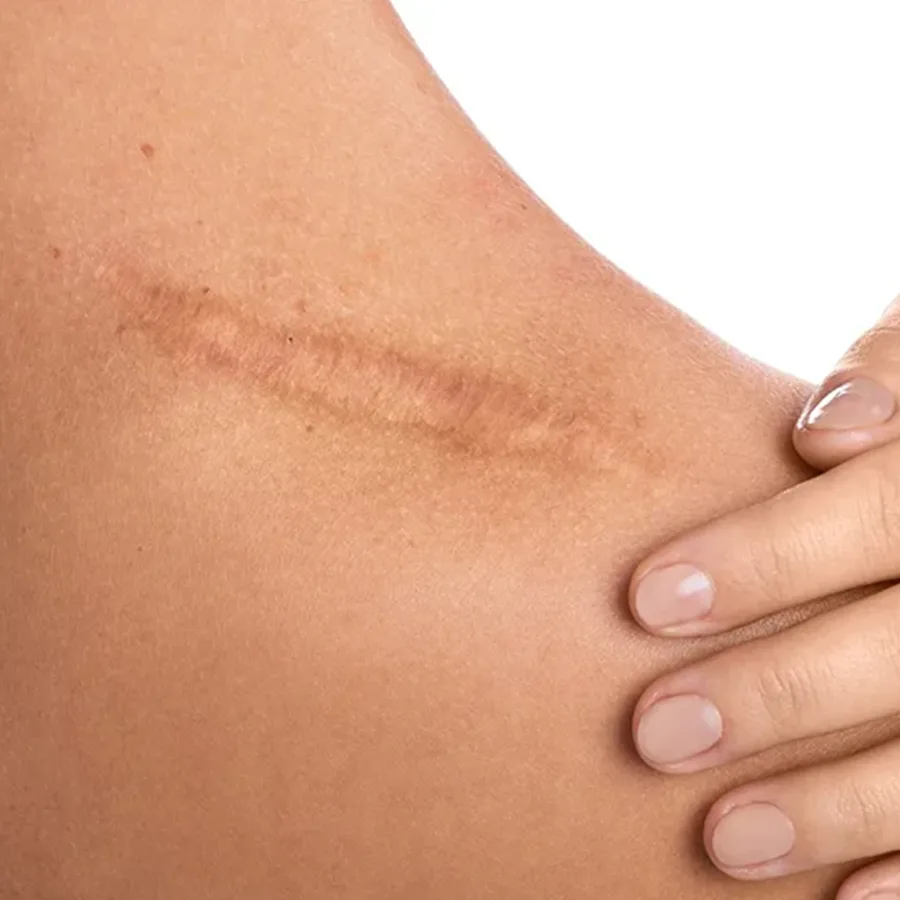
What Happens During Tissue Remodeling?
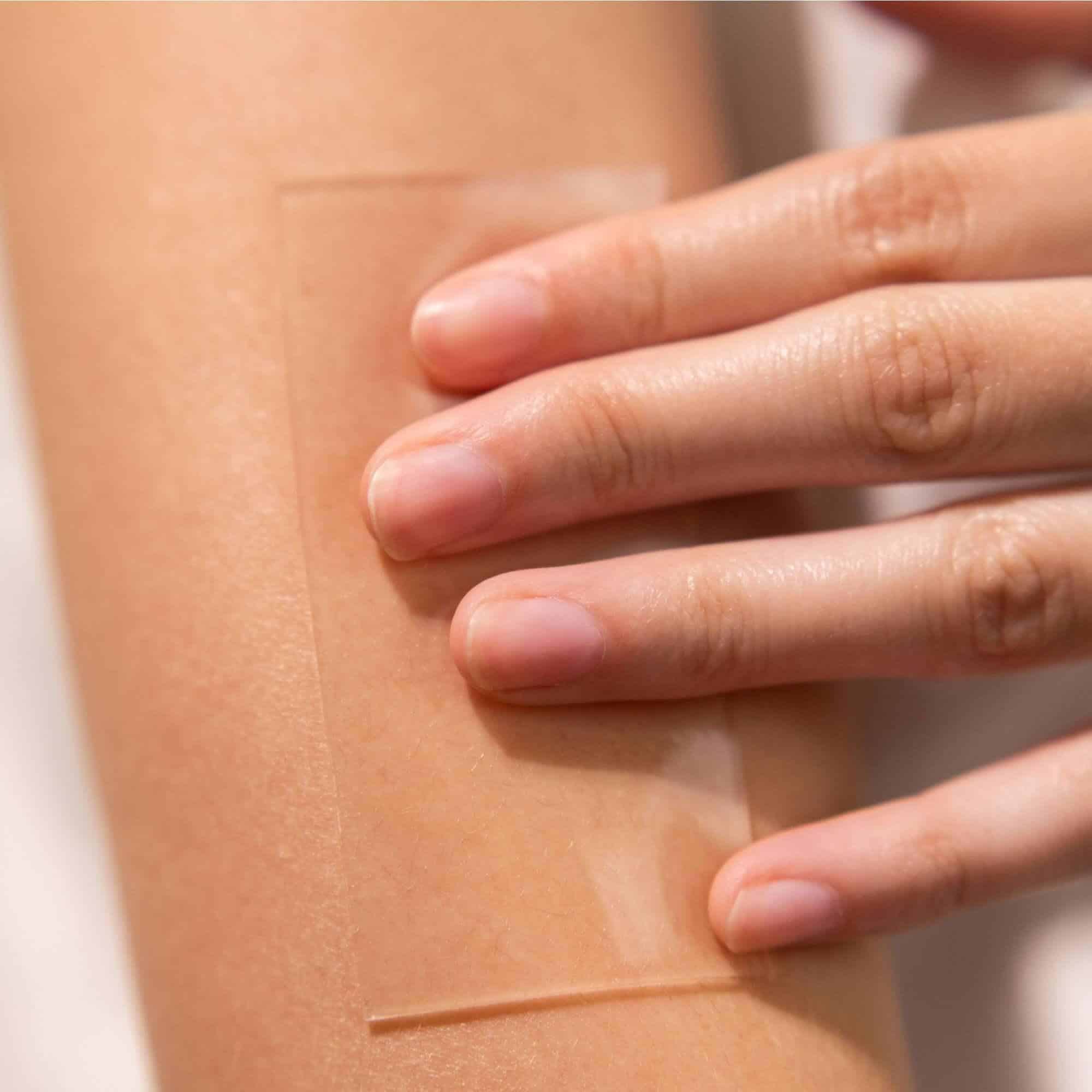
Tissue remodeling is the phase of healing where the body reorganizes collagen fibers and strengthens the repaired area. This process can continue for months (and sometimes longer). During remodeling, scars often change in:
- Color (pink/red → lighter tone or darker pigmentation depending on skin type)
- Thickness (raised → flatter over time, or remain elevated if collagen stays overactive)
- Texture (firm → softer, or stiff if fibrosis develops)
- Sensitivity (itchy/tender → calmer, though some scars remain sensitive)
Remodeling is not “one moment” in time; it’s a window where the scar is still biologically active. Intervening too aggressively can irritate healing tissue; intervening too late can allow stiffness and fibrotic changes to become harder to reverse. A staged strategy in scar tissue therapy aims to use the right intensity at the right time. This is why timing your first consultation matters. Vegaderma’s clinical team assesses where your scar sits in this biological window and plans intervention intensity accordingly.
Why Scars Become Thick, Tight, or Persistent
Effective treatment for scar tissue begins with understanding why some scars stay active, since outcomes are influenced by both local mechanics and whole-body factors. Common drivers include:
- Skin tension and movement: Areas like the chest, shoulders, jawline, and upper back are prone to thicker scarring because the skin is frequently stretched and pulled.
- Prolonged inflammation: Inflammation from infection, delayed closure, repeated irritation, or chronic skin conditions can keep the scar “activated,” promoting excess collagen production.
- Genetics and scar tendency: Some people form hypertrophic scars or keloids more easily, and darker skin types can be more prone to pigment changes.
- Wound depth and healing time: Deeper wounds and wounds that take longer to close tend to scar more noticeably.
- Sun exposure and friction: UV exposure in early healing can worsen discoloration. Friction, scratching, and repeated trauma can drive thickening.
A strong scar plan targets the factors that keep the scar active and not just the surface appearance. At Vegaderma, this analysis is built into your first assessment so your treatment plan addresses the root drivers, not just the visible symptoms.
Types of Scars We Treat at Vegaderma
Understanding scar type helps guide the right scar tissue treatment:
- Flat scars: Often mainly a color or texture issue. Goals: improve smoothness, tone blending, and elasticity.
- Hypertrophic scars: Raised, thick scars that stay within the original wound border. Goals: reduce thickness, redness, itch, and firmness.
- Keloid scars: Scars that grow beyond the original wound edge and may keep enlarging. Goals: reduce size/activity and lower recurrence risk. For dedicated keloid care, visit our keloid treatment page.
- Contracture scars: Scars that tighten and restrict movement (common after burns or large wounds). Goals: restore function and range of motion.
- Fibrotic skin changes: Hard, thickened tissue that forms after repeated inflammation, surgery, chronic swelling, radiation, or long-standing wounds. Goals: soften tissue, improve flexibility, and restore healthier skin behavior.
Not sure which scar type you have? Book an assessment and our team will classify your scar, explain the options, and outline a realistic treatment timeline.
Our Clinical Approach: Assess, Stage, Support
Effective scar tissue therapy works best when it follows a clear pathway:
- Tissue quality assessment
- Staged intervention plan tailored to scar type and scar “age”
- Conservative support to protect progress and improve long-term skin health
- Objective monitoring of symptoms, texture, thickness, and function over time
This structure keeps care consistent, avoids unnecessary irritation, and focuses on measurable improvements.
Step 1: Tissue Quality Assessment (What We Evaluate)
In scar tissue treatment at Vegaderma, a scar is not assessed by appearance alone. We focus on how the tissue behaves:
- Scar age: early (weeks–months) vs mature (months–years)
- Thickness and firmness: soft vs fibrotic
- Color and activity: redness and warmth can indicate ongoing remodeling
- Symptoms: itch, pain, sensitivity, tightness
- Mobility: how well skin glides over underlying tissue
- Functional impact: any movement restriction near joints or facial expressions
- Border behavior: does it stay within the wound (hypertrophic) or extend beyond (keloid pattern)
- Skin barrier health: dryness, irritation, recurrent inflammation
This assessment shapes realistic goals and helps choose the safest intervention intensity. It is also the basis of your treatment cost estimate, since Vegaderma prices scar care according to the complexity and duration of your specific plan rather than applying a flat fee.
Step 2: Staged Intervention by Scar Phase
Treatment for scar tissue at Vegaderma is staged based on how old the scar is and how active it remains.
Stage A: Early-Phase Support (new scars)
The early phase focuses on calming the environment and preventing thickening.
Common supportive tools:
- Silicone gel or silicone sheets (when appropriate)
- Sun protection to reduce long-term discoloration
- Hydration and barrier support to reduce dryness and itching
- Gentle massage guidance after the wound is fully closed and stable
- Tension reduction strategies (taping/support in high-movement areas)
In this phase, the priority is consistency and protection. Many scars improve significantly with proper early support alone. Starting this phase promptly after wound closure give you the strongest chance of preventing complications that require more intensive treatment later.
Stage B: Active Remodeling (raised, red, itchy, firm, or tight scars)
If a scar remains active or becomes raised and stiff, treatment may be escalated.
Options may include (case-dependent):
- Clinician-directed therapies for thickened scars (including injections when indicated)
- Energy-based approaches to improve redness, texture, and stiffness
- Controlled collagen remodeling techniques (such as microneedling in suitable scars)
- Pressure-based strategies in selected raised scars
- Mobility and rehabilitation support for function, especially near joints
The aim is to reduce excessive collagen buildup, improve collagen organization, and restore pliability without over-irritating the tissue. Vegaderma’s physicians plan each step based on your documented progress, escalating or adjusting as the scar responds.
Stage C: Mature Scar Optimization (older scars)
Even older scars can often improve, though changes may be slower.
Goals often include:
- Softening fibrotic areas and improving glide
- Refining texture and unevenness
- Addressing persistent discoloration safely
- Supporting function and comfort long-term
- Planning revision strategies only when necessary (due to distortion or significant restriction)
If you have a scar that is months or years old and still causing discomfort, tightness, or cosmetic concern, a reassessment at Vegaderma can determine whether further improvement is realistic and what it would involve.
Conservative Care – An Important Foundation
Conservative care is not “basic.” In any scar tissue treatment plan, it is often the difference between a scar that improves and a scar that stays reactive.
- Silicone + consistent wear time: When indicated, silicone can help flatten raised scars over time. Consistency matters more than intensity.
- Sun protection: UV exposure is a major driver of stubborn pigmentation. Sun protection is one of the highest-value scar strategies, especially in the first year.
- Barrier repair and hydration: Dry, irritated scar tissue is more likely to itch, and itch leads to friction. A stable barrier supports calmer remodeling.
- Massage and mobility: Proper scar mobilization can improve pliability and comfort. The key is correct timing and technique; too early or too aggressive can worsen irritation.
- Tension and friction reduction: Simple steps like support taping, clothing choices, and friction reduction can prevent repeated micro-trauma that drives thickening.
Vegaderma’s team provides individualized home care guidance at every visit, adjusting recommendations as your scar progresses through each phase. This between-visit support is a core part of the treatment program, not an afterthought.
Regenerative Support for Selected Cases
In selected cases, some clinics consider cell-based regenerative support as an adjunct to standard scar tissue therapy. These approaches are designed to support the local tissue environment by helping modulate inflammatory signals and encouraging healthier remodeling behavior.
- Important points to communicate clearly:
- These strategies are supportive, not a guaranteed cure
- They do not replace proven fundamentals (silicone, sun protection, tension control, staged remodeling care)
- Outcomes vary by scar type, scar age, skin type, and underlying inflammation
- The best use is often within a structured plan, with objective monitoring
When positioned responsibly, regenerative support is about improving the tissue “soil,” not promising instant scar removal. At Vegaderma, regenerative options are discussed during your assessment and only recommended when your scar profile and treatment history suggest a meaningful benefit. Contact our team to discuss whether regenerative support may be appropriate for your scar.
Real Improvements You Can Expect
A well-built scar tissue treatment program aims for practical, measurable improvements:
- Improved flexibility and pliability (so skin moves more naturally)
- Reduced tightness and pulling
- Reduced thickness and firmness in raised scars
- Less itch and discomfort
- Smoother texture
- Better long-term tissue resilience (especially after wounds or repeated inflammation)
- Improved function near joints (range of motion and comfort)
Some people care most about appearance; others care about how the scar feels or whether it limits movement. A staged plan can target both without pushing overly aggressive procedures too early. Your treatment goals are defined together during your consultation and tracked objectively throughout the program.
Expected Timeline For Seeing Changes
Improvement from scar tissue therapy is usually gradual:
- Early scars can change noticeably over 8–12 weeks with consistent support
- Many scars keep remodeling for 6–12 months
- Mature scars can still improve, but may require longer and more targeted strategies
The key is not just “time passing,” but what is done during that time, especially reducing irritation, tension, and chronic inflammation. Vegaderma’s monitoring protocol ensures that each visit builds on documented progress, so treatment intensity is always calibrated to how your scar is actually responding.
Who Benefits Most From a Scar Remodeling Program?
You may benefit from assessment and staged treatment for scar tissue if you have:
- Post-surgical scars that are raised, red, thick, or itchy
- Tight scars that limit movement or feel restrictive
- A history of hypertrophic or keloid scarring
- Fibrotic skin after repeated inflammation, injury, or slow wound healing
- Scars that remain tender, sensitive, or cosmetically distressing after months
Early guidance can prevent long-term stiffness and reduce the chance of persistent thickening. Even if you are unsure whether your scar qualifies for treatment, a consultation at Vegaderma can clarify your options and set realistic expectations at no obligation.
Home Care That Supports Your Results
Home care alongside scar tissue treatment is individualized, but general principles often include:
- Protecting scars from sun exposure
- Keeping the skin barrier healthy and hydrated
- Avoiding friction, picking, or harsh scrubbing
- Following clinician guidance for silicone use and massage timing
- Staying consistent—small daily habits often beat occasional intense treatments
If a scar becomes increasingly raised, expands beyond the original wound border, or becomes progressively painful or restrictive, it’s best to seek clinical review. Vegaderma provides a clear home care plan at each visit, tailored to your scar’s current phase, so you always know exactly what to do between appointments.
How Long Does Scar Tissue Treatment Take?
Different parts of scar tissue treatment work on different clocks, which is why a realistic timeline matters from the first consultation.
- Conservative measures (silicone, sun protection, massage): Generally need consistent daily use over several months to produce visible flattening or softening. Silicone gel sheeting, for example, is typically applied for at least 12 hours a day over two to three months or longer, depending on the scar.
- Injection-based therapies for raised or keloid scars: Usually delivered as a series of sessions spaced several weeks apart, with three to six sessions a common starting range before reassessment.
- Energy-based or microneedling-based remodeling: Often planned as multiple sessions over several months, with continued change visible for many weeks after the final session as collagen reorganizes.
- Regenerative support: Considered an adjunct rather than a standalone fix, and best judged after the underlying scar has had time to respond to the staged plan.
The pattern is consistent across scar tissue therapy: visible change is built session by session, supported by consistent home care between visits. Your clinician will outline an expected timeline and cost breakdown during your initial consultation so you can plan your visits, especially if you are traveling to Bangkok for treatment.
What Results to Expect from Scar Tissue Treatment
Honest expectations are part of effective treatment for scar tissue. No clinic, procedure, or product can promise scar-free skin, and a credible plan does not try to. What a well-run program can offer is meaningful, measurable change in how the tissue looks, feels, and functions.
Realistic goals from scar tissue treatment typically include:
- Softer, flatter scars that sit closer to the surrounding skin
- Reduced redness or pigmentation as the scar matures
- Less itching, tenderness, or sensitivity during daily activities
- Improved flexibility and glide so the skin moves more naturally with the body
- Better range of motion when scars sit near joints, the chest, or the face
- More even texture that responds better to skincare and sun protection over time
Some scars respond strongly; others respond modestly. The best predictor of outcome is not a single product or procedure but the consistency of the overall plan and how well it matches the scar’s type, age, and behavior.
At Vegaderma, we document results objectively so both you and your clinician can track what is working.
Cost of Scar Tissue Treatment in Bangkok
The cost of scar tissue treatment at Vega depends on the scar type and phase, the surface area involved, and the combination of therapies selected during your staged plan. Because scar remodeling is built session by session, pricing reflects the intensity and length of care your case requires rather than a single fixed fee. Following your tissue quality assessment, we provide an itemised quotation and explain the expected timeline, so you can plan with confidence. Regenerative scar programmes in Thailand remain competitively priced for international patients.
Why Choose Vegaderma for Scar Tissue Treatment in Bangkok
Choosing where to receive scar tissue treatment in Bangkok, Thailand, shapes the entire trajectory of results, especially for scars that are raised, tight, fibrotic, or slow to settle.
- Regenerative dermatology focus: Vegaderma is built around regenerative skin care, with stem cell-supported remodeling considered alongside established scar therapies rather than as a marketing add-on.
- Medical and manual scar therapy in one plan: Our approach integrates clinician-directed interventions with the conservative measures that protect long-term results, so silicone, sun protection, and proper massage timing are treated as part of the program, not afterthoughts.
- Consistency with the same clinical team: Patients are reviewed by the same regenerative specialists across each stage, which keeps assessment, staging, and monitoring aligned over the months that scar tissue actually needs to change.
- English-speaking support for international patients: From the first consultation through follow-up, the Vegaderma team communicates clearly in English and helps coordinate care for patients visiting Bangkok.
- Competitive treatment costs: Scar remodeling programs in Thailand, including advanced regenerative protocols, are typically more affordable than comparable care in the US, UK, or Australia. Vegaderma provides a detailed cost estimate based on your specific scar assessment, so you know exactly what to expect before committing. Request a cost outline for your case.
Begin Your Scar Treatment Plan Today
Scar and tissue remodeling works best when it is planned, staged, and measured. By assessing tissue quality, selecting interventions that match the scar’s stage, and maintaining conservative support, scar tissue treatment at Vegaderma can improve flexibility, comfort, function, and long-term skin health. For people with raised scars, tightness, or fibrotic skin changes, a structured program offers clearer progress than one-off procedures, especially when paired with consistent home support and realistic expectations.
To begin your assessment, contact Vegaderma and let our clinical team build a clear, documented plan for your scar.
Medical Disclaimer: Treatment outcomes vary between individuals. The information on this page is for educational purposes only and should not be interpreted as medical advice or a guarantee of results. A physician consultation is required to determine suitability for any treatment.