
Introduction
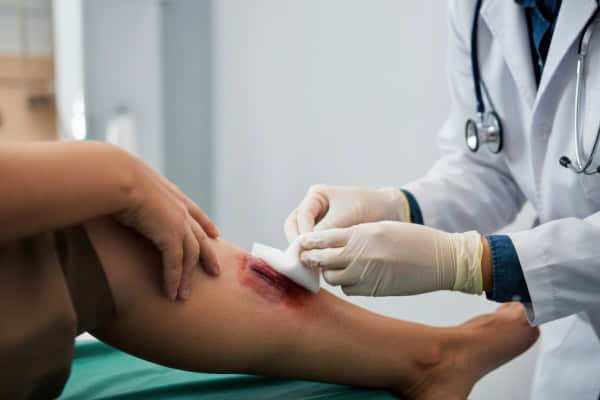
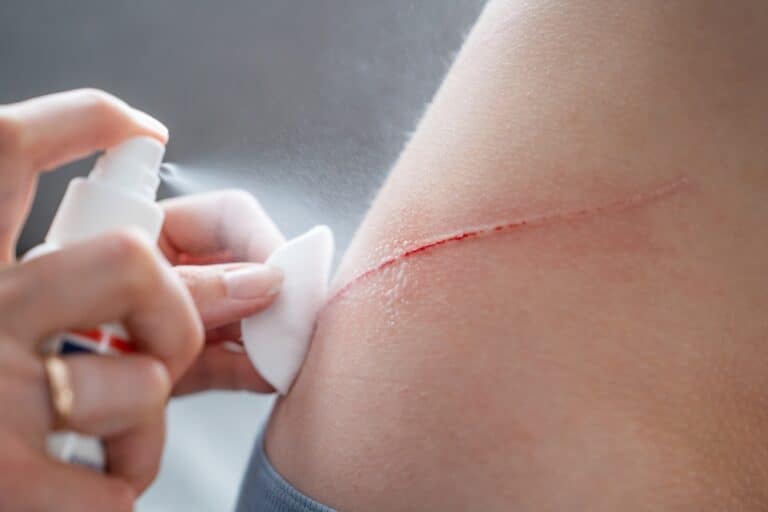
Most people underestimate a burn the moment it happens. It’s just hot water, just a quick brush against the stove how bad could it really be? But what happens in that first hour genuinely shapes everything that follows. Get the first-aid wrong, and you’re looking at a much higher infection risk and a scar that’s a lot harder to fade later on. Get it right, and the outcome can look completely different.
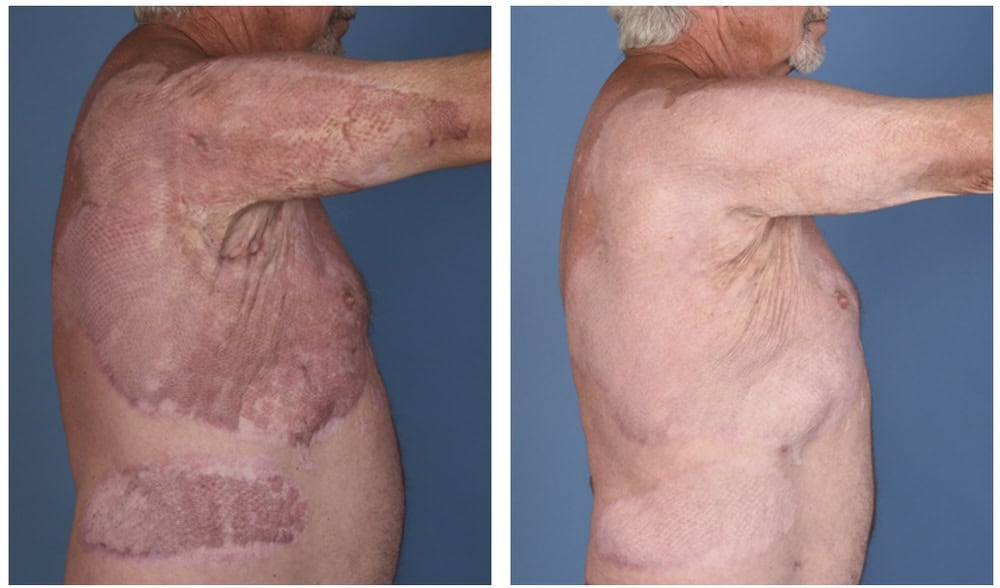
Burn care happens in two main stages, but most people only focus on the first. The first stage is about damage control, taking quick steps to prevent infection while the wound is still fresh. The second stage is less talked about: even after the burn has healed, the scar that remains needs its own care plan. In this guide, we’ll cover how to treat a burn at home without making things worse, what changes when you have a second-degree burn instead of a mild one, and how to care for burn scars after your skin has healed. If you skip either stage, you might end up with a scar that could have been less noticeable.
Understanding Burn Severity Before You Start Treating It
First-Degree Burns: Surface-Level Damage
The mildest kind, affecting only the outer layer of skin. Red, painful, no blistering. Most heal on their own within five to seven days with basic care, which is why first-degree burn home treatment rarely needs anything beyond cooling the area and keeping it clean.
Second-Degree Burns: When Blisters Show Up
These go deeper, reaching into the dermis. Blistering, intense pain, and a meaningfully higher infection risk than a first-degree burn. This is where preventing infection in burn wounds starts to matter a lot more, and where scarring becomes a real possibility if care isn’t handled properly which is exactly why second-degree burn wound care looks so different from treating a minor scald.
Third-Degree Burns and Beyond: Full-Thickness Damage
Damage here goes through every layer of skin, sometimes into fat or muscle. The skin can look pale white or charred, and somewhat counterintuitively patients often don’t feel much pain, because the nerve endings themselves have been destroyed. Burns at this level need a physician immediately, and skin grafting for severe burn injuries is frequently part of the treatment plan.
Preventing Infection: What Matters Most in the First Hour
Getting the First Aid Right
The moment a burn happens, run cool (not cold) tap water over the area for ten to twenty minutes. Skip the ice it sounds like it should help, but extreme cold actually damages tissue further. And skip the home remedies too: no butter, no toothpaste, no folk treatments on the wound. They raise infection risk and make it genuinely harder for a doctor to assess how deep the burn actually goes. This is the core of any solid burn wound first aid protocol.
Cleaning the Wound Properly
Once the burn has cooled, clean it gently with sterile saline. Avoid scrubbing it’s tempting to want the area to look “clean,” but rough handling can pop blisters before they’re ready, and that intact upper layer of skin is doing real work as a natural barrier against bacteria.
Topical Antibiotics Have a Real Job to Do
Doctors commonly recommend a topical antibiotic for burn wounds like silver sulfadiazine on the wound to cut bacterial infection risk, particularly for second-degree burns and anywhere a blister has already broken.
Infection Signs Worth Watching Closely
- An unusual, unpleasant smell coming from the wound
- Increasing redness or swelling after the first 48 hours
- Pus or cloudy, thickened drainage
- Fever alongside the wound
Any of these means it’s time for professional burn injury treatment, not another day of watching and waiting this is one of the clearest signs a burn needs medical attention.
Speeding Up Healing During Recovery
Moist Wound Healing: Why “Letting It Air Dry” Is Outdated Advice
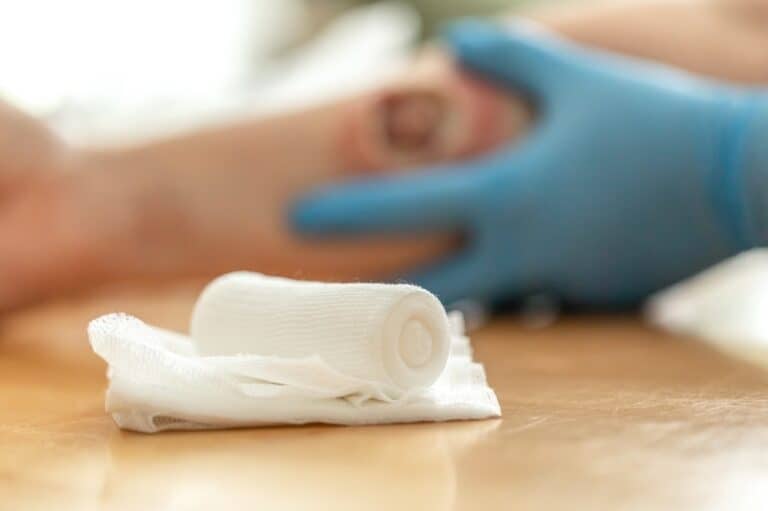
Modern burn care leans on moist wound healing for burns keeping the wound at the right moisture level rather than letting it dry out, which used to be the standard advice. A properly moist environment genuinely encourages new skin cell growth and tends to hurt less during dressing changes, which matters more than it sounds like it would.
Specialized Dressings Built for Burns
- Hydrocolloid dressings for burns work well for shallow to moderate burns, holding in moisture and reducing friction against the wound
- Silver-impregnated wound dressings add antibacterial properties directly into the dressing material, useful for burns at higher infection risk
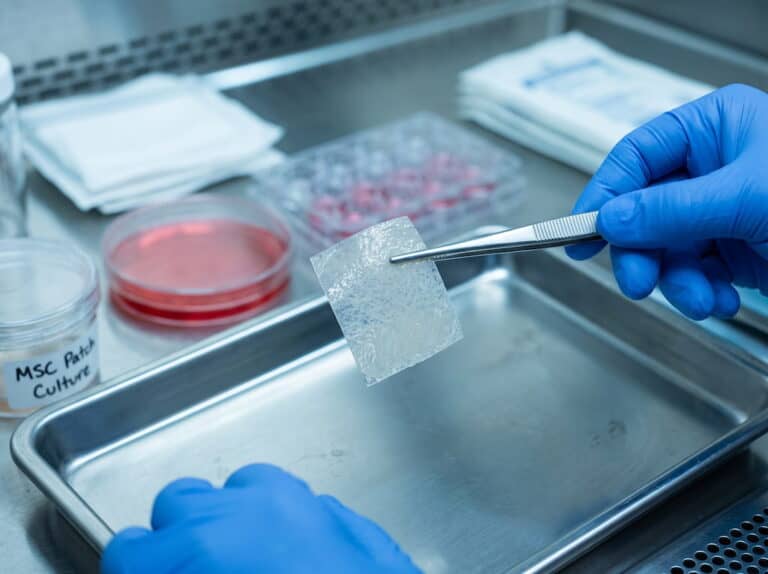
- Biological dressings, like amniotic membrane, get used on deeper burns to actively encourage new tissue formation
Skin Grafting for Deep Burns
For third-degree burns where the skin’s been destroyed entirely, skin grafting is often the only real path forward taking healthy skin from elsewhere on the body and using it to close the wound, which speeds healing and cuts the risk of serious infection considerably.
Long-Term Treatment for Burn Scars
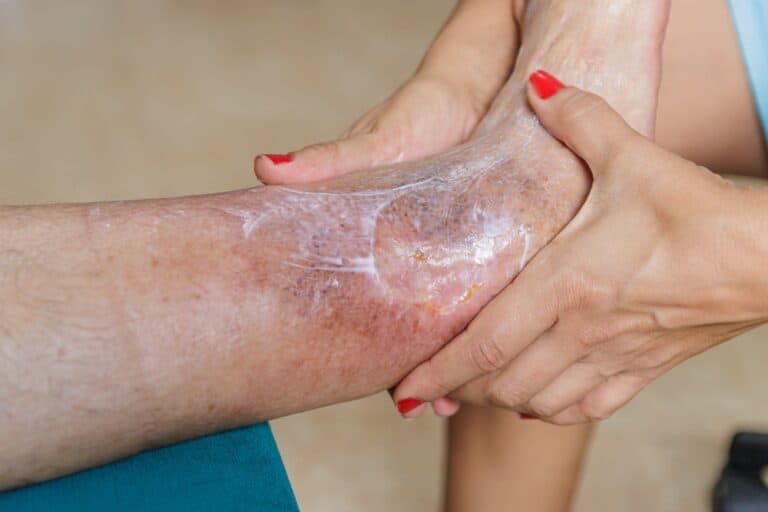
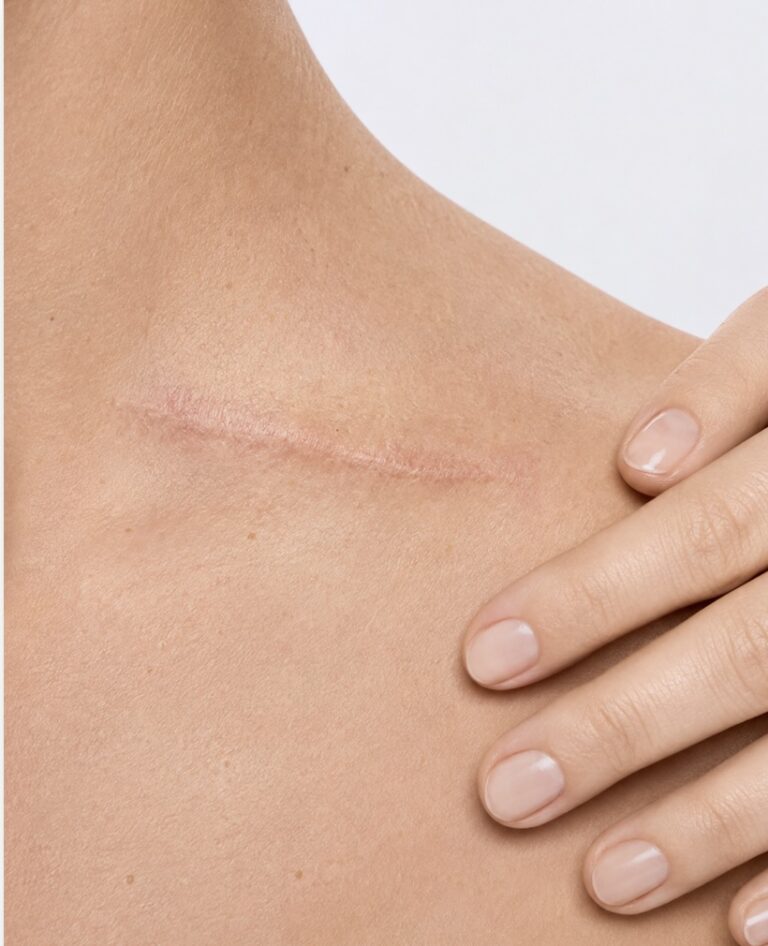
Once the wound itself has closed, a new challenge usually shows up: the scar left behind, which can end up thick and raised, tight and restrictive, or discolored. Treating burn scars properly is rarely a one-and-done process it takes time, and usually more than one technique, especially when the goal is how to fade burn scars naturally over time alongside clinical support.
Silicone Sheets and Gel: The Foundation You Can’t Skip
Silicone sheets for burn scars help regulate excess collagen production and reduce how raised a scar becomes. They need to be used consistently at least three to six months after the wound closes to actually make a difference.
Pressure Garment Therapy for Larger Burns
For burns covering a larger area, pressure garment therapy for burn scars wearing specially fitted clothing that applies steady, even pressure helps limit thick scar formation and encourages new collagen to organize in a more orderly pattern as it forms.
Laser Treatments That Fade Scars
Fractional laser for burn scars stimulates fresh collagen production and smooths out scar texture, while pulsed dye laser for red burn scars targets the discoloration that comes from abnormal blood vessels near the surface. Together, these two are among the most established burn scar fading technologies in use today.
RF Microneedling for Tight, Restrictive Scarring
Burn scars that tighten the skin enough to limit movement respond well to RF microneedling for scar tissue, which breaks down the old, disorganized collagen structure and prompts new collagen with noticeably better elasticity.
Corticosteroid Injections for Thick, Raised Scars
For genuinely hypertrophic scarring thick, raised tissue corticosteroid injections for raised burn scars help slow excess collagen production and gradually flatten the area.
Why a Combined, Staged Approach Works Better
In practice, doctors rarely stick to one method throughout the whole process. Treatment usually shifts as the wound moves through different stages, following what’s often called a staged burn recovery treatment plan:
- Acute stage: wound cleaning, topical antibiotics, and appropriate specialized dressings
- Freshly closed stage: ongoing silicone sheet use plus pressure garment therapy
- Scar remodeling stage: fractional laser or RF microneedling, combined with corticosteroid injections where needed
That staged structure is really what makes long-term burn injury treatment outcomes hold up, rather than treating the acute wound and scarring as two unrelated problems.
Finding a Clinic That Assesses the Burn Properly From Day One
Getting a good outcome both during the acute phase and later, during scar remodeling depends heavily on a team that actually knows how to judge burn depth accurately and build a plan around it from the start.
At Vega Derma, the clinical team manages everything from early infection prevention through long-term treatment for burn scars, using technology matched to each patient’s specific skin and scar type, guided by a genuinely individualized burn wound healing and scar management program.
To learn more about a complete burn injury treatment approach, you can read our detailed guides to burn wound healing and treatment for burn scars.
Frequently Asked Questions
Which burns can actually be treated at home?
First-degree burns, and small second-degree burns without any infection signs, can generally be managed at home with proper first aid. If there’s any doubt at all, it’s worth checking with a doctor rather than guessing this is one of the most searched questions around home care for minor burn injuries.
How long before laser treatment can start on a burn scar?
Doctors typically wait until the wound has fully closed and the new skin has gained enough strength usually around six to eight weeks after closure before starting laser treatment for scarring.
Can burn scars fade completely?
Most scars won’t disappear entirely, but modern burn scar treatment technology can meaningfully reduce thickness, tightness, and discoloration often enough that the skin looks dramatically smoother than it would have without treatment.
What's the best long-term skincare routine for healed burn scars?
Beyond in-clinic procedures, a consistent daily skincare routine for burn scars sun protection, silicone gel, and gentle moisturizing plays a real role in keeping results from clinical treatment looking good over time.
The Bottom Line
Real burn injury treatment starts in that first hour with proper first aid to head off infection, continues through the right dressing choices during healing, and finishes with a staged, long-term plan to fade whatever scarring is left behind.
A consultation with a specialized team at a clinic like Vega Derma, starting as early as possible after the injury, is the real first step toward lowering complication risk and giving the skin its best possible shot at healing smooth.

The Vega Derma Medical Team consists of board-certified dermatologists, specialized trichologists, and clinical researchers based in Bangkok, Thailand. Our team specializes in evidence-based regenerative dermatology, complex tissue repair, and advanced hair restoration (including precision FUE and FSE). Every protocol and article we publish is medically reviewed to ensure it meets international clinical standards, providing safe, science-backed guidance for our local and international patients.