

A stem cell facial is an emerging aesthetic treatment attracting interest from people looking to improve skin texture, signs of aging, and acne scarring. Unlike a conventional facial built around cleansing and hydration, these treatments may use cell-derived materials as part of a regenerative approach to skin repair. Whether it actually works, and for how long, depends on the specific treatment, the materials used, and individual skin condition.
How Does a Stem Cell Facial Work?
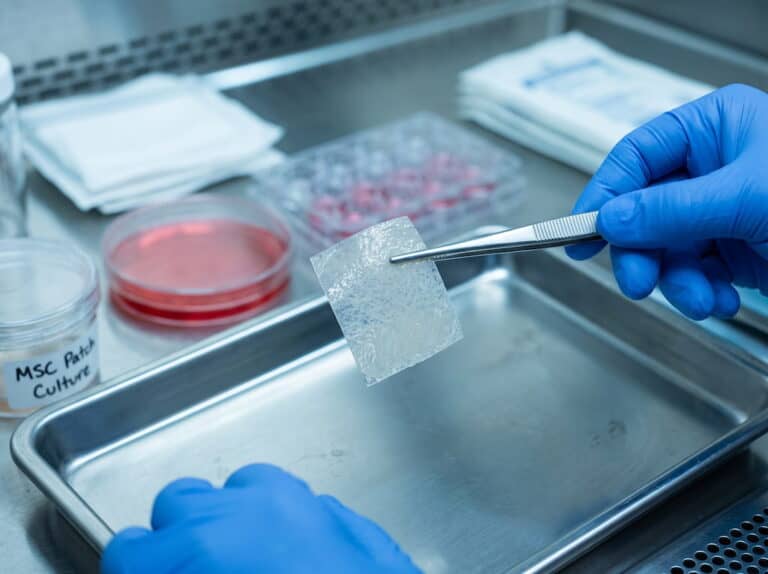
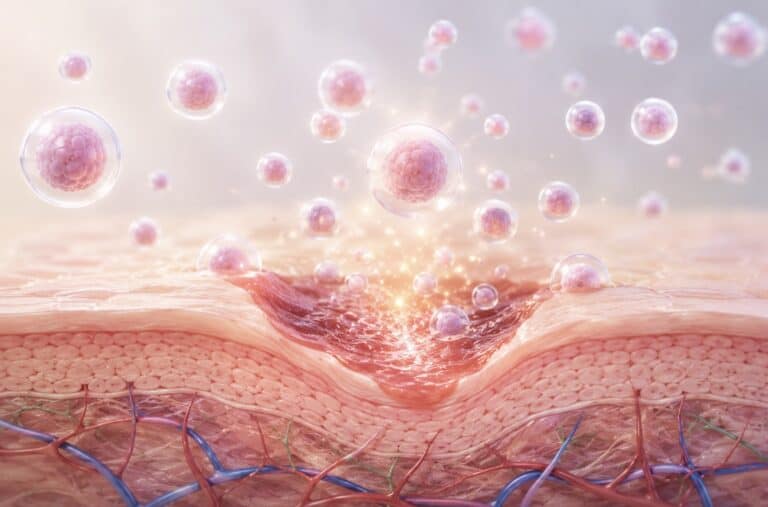
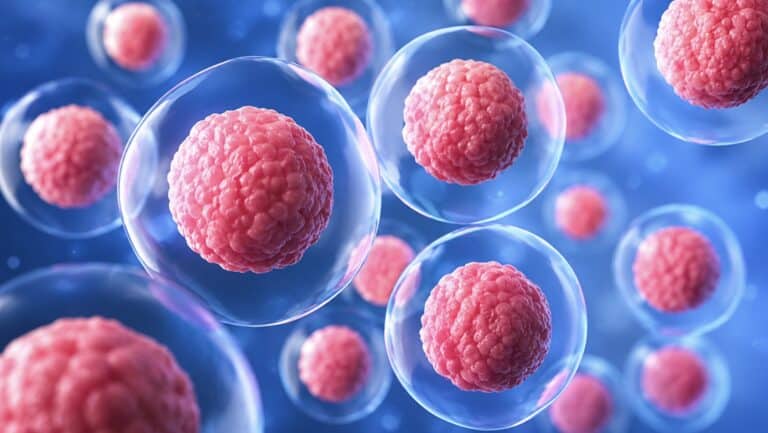
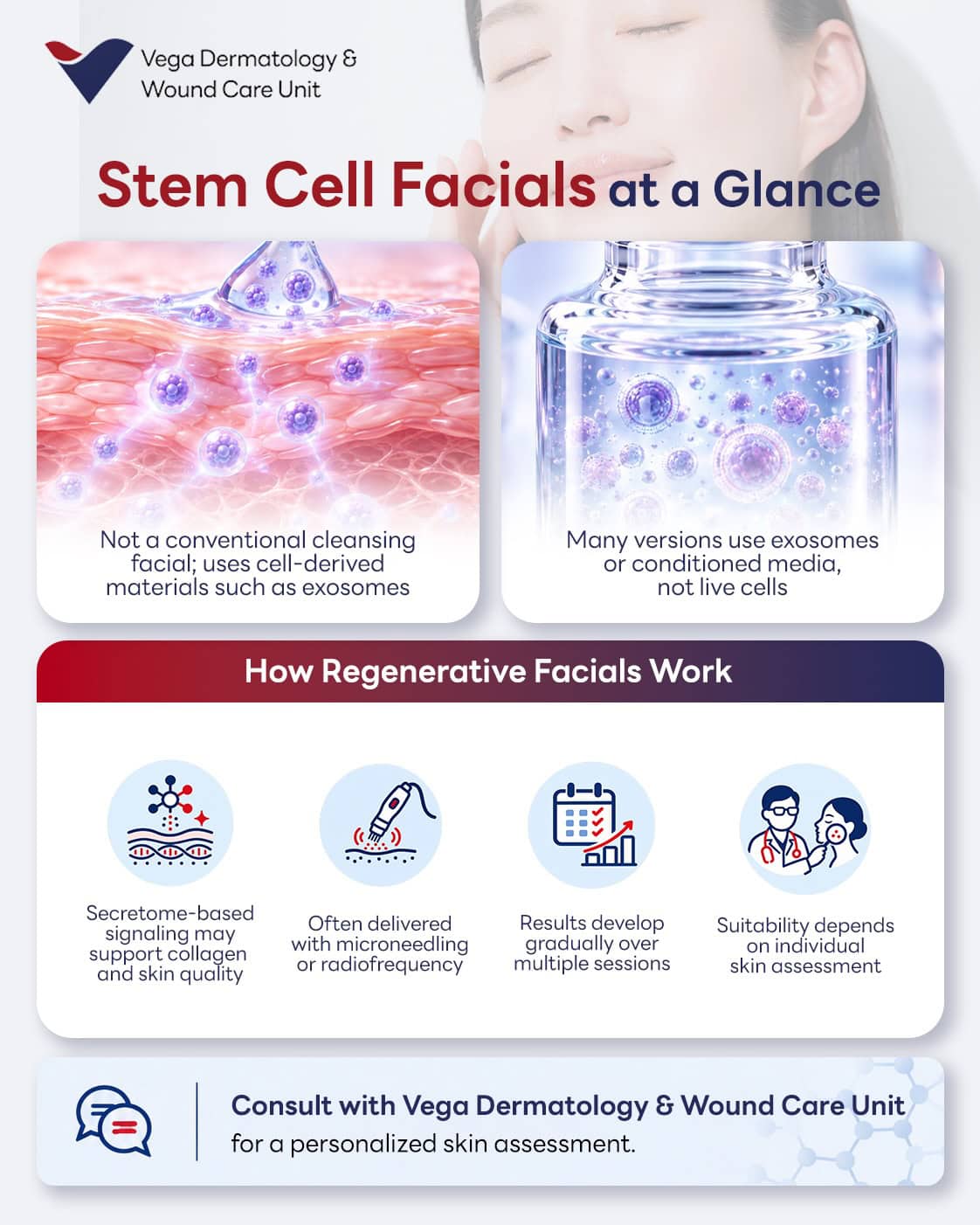
Most treatments marketed as a stem cell facial do not actually use live cells. Instead, they use microscopic cellular messengers, such as exosomes and conditioned media, harvested from cell cultures. These messengers may send signals that prompt skin cells (fibroblasts) to produce collagen, supporting hydration and overall skin quality, though the effect varies between individuals. This differs fundamentally from a conventional facial, which focuses on cleansing, exfoliation, and short-term hydration rather than any biological signaling process.
These materials are typically applied topically or introduced through microneedling or radiofrequency devices that create temporary micro-channels in the skin, allowing better penetration. The treatment is generally delivered in a series of sessions rather than as a single visit, with a consultation beforehand to assess skin condition and confirm the approach is appropriate.
Potential Benefits of a Stem Cell Facial
Clinical research points to benefits across three areas, though results vary by individual and the overall evidence base is still developing:
- Anti-aging (fine lines and wrinkles): A split-face trial comparing adipose exosomes with platelet-rich plasma applied over three radiofrequency microneedling sessions, one treatment per side of the face, found both equally improved wrinkling, discoloration, redness, texture, and overall appearance in mild to moderate photoaging. Skin biopsies taken six months later confirmed increased collagen I and glycosaminoglycans, the components that give skin structure and moisture retention, with no meaningful difference between the two treatments.
- Skin elasticity and firmness: A 12-week randomized trial of 28 participants compared an adipose exosome solution plus microneedling against saline plus microneedling on the opposite side of the face, across three sessions. Using objective measuring devices rather than visual judgment alone, it recorded greater improvement in elasticity, wrinkles, and pigmentation on the exosome-treated side, with a significantly higher overall aesthetic improvement score.
- Hydration: The same 28-participant trial measured skin moisture with a dedicated hydration device and found greater improvement on the exosome-treated side than the control side.
Outcomes depend on skin condition, treatment protocol, and aftercare. While findings are encouraging, larger standardized trials are still needed.
How Long Does a Stem Cell Facial Last
Results typically develop gradually, with follow-up needed to assess progress. How long improvements last depends on the treatment protocol used, ongoing skincare, sun protection, and individual skin response, so no single, fixed timeline applies to every patient.
Is a Stem Cell Facial Safe?

Safety depends on the exact procedure, materials, and provider. A “stem cell facial” may cover different technologies. Therefore, disclosing relevant medical and skin history and discussing risks with a qualified provider before treatment are highly recommended.
Commonly reported, temporary effects:
- Redness or flushing at the treatment site, usually settling within a few days
- Mild swelling or a feeling of tightness in the treated area
- Tenderness or sensitivity to touch shortly after a session
Effects more likely with device-assisted delivery (microneedling or radiofrequency):
- Pinpoint bleeding or small scabs where micro-channels were created
- Temporary dryness or flaking as the skin recovers
- A short period of increased sensitivity to sun, making sun protection important
Any treatment carries some risk, and reactions can vary with the specific materials used and an individual’s skin. Follow up with your doctor if you’re experiencing spreading redness, persistent swelling, or unusual pain.
What to Expect During a Stem Cell Face Treatment in Bangkok
- Consultation and skin assessment: Discuss goals, medical history, and any previous treatments, since this information shapes whether a regenerative approach is suitable
- Treatment explanation: The clinician explains the specific materials and delivery method being used before the session begins
- Aftercare and downtime: Ranges from minimal for topical application to a few days of redness if combined with microneedling or radiofrequency
- Follow-up assessment: Tracks how the skin is responding over time
Stem Cell Facial Treatment at Vega Dermatology & Wound Care Unit
A stem cell facial is a promising option for patients looking to improve skin texture, fine lines, and acne scarring, especially when used as part of a broader treatment plan.
At our clinic, regenerative skin support is planned around an individual skin assessment, drawing on research from the Vega Stem Cell Clinic. Our regenerative protocols currently support three clinical areas:
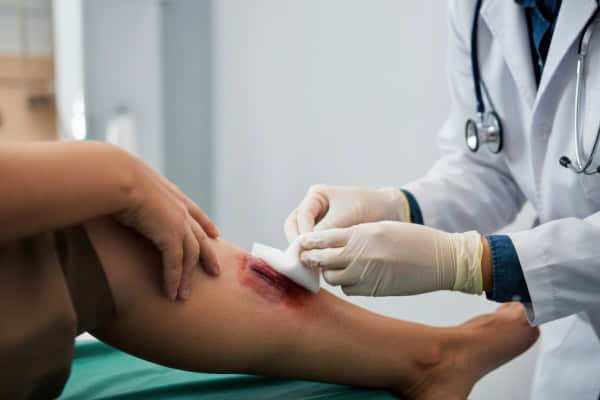
- Chronic wounds and diabetic ulcers: Growth factor media, delivered as VEGF and PDGF signaling rather than live cell implantation, may help support tissue repair and circulation in wounds that have stalled under conventional care.
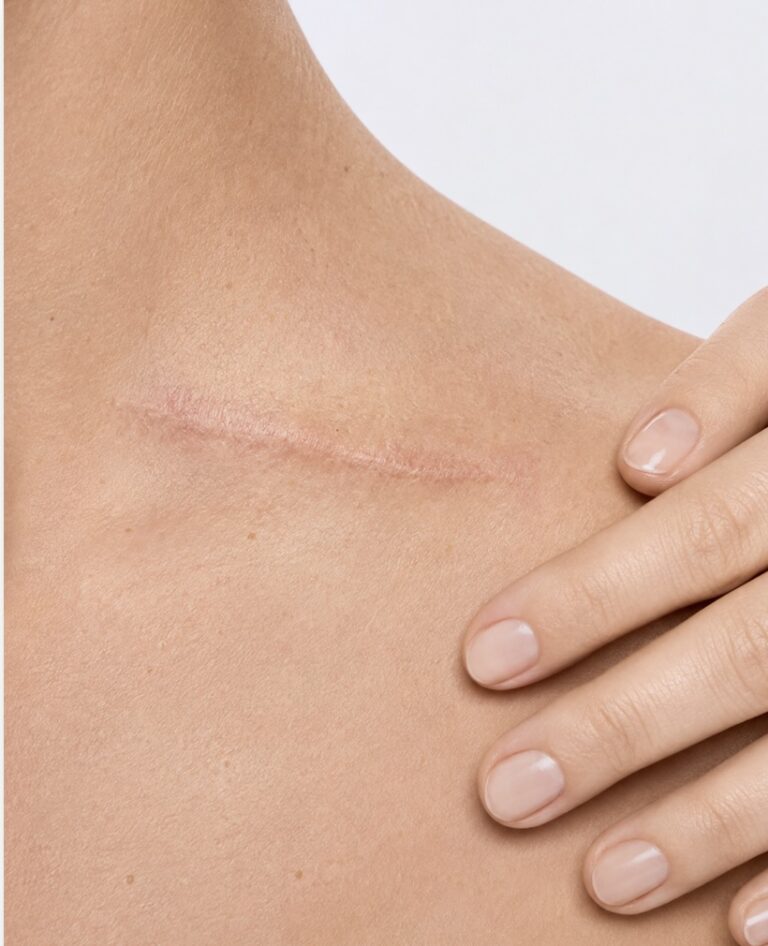
- Scars, including keloid, acne, and post-surgical: Our stem cell therapy for acne scars in Bangkok may help support collagen remodeling and tissue quality as part of a staged scar management plan with microneedling, laser, or biostimulators.
- Hair and scalp regeneration: Regenerative treatments may help support the follicular environment and scalp health and can complement transplantation and preservation procedures through Follicular Signaling Enhancement (FSE) offered at Vega.
Care is overseen by Dr. Ekkaparb Charoensuk, an integrative and regenerative medicine physician with more than 15 years of clinical experience. Book a consultation with our clinical team at Vega Dermatology & Wound Care Unit for a skin assessment to discuss whether a regenerative approach is appropriate for your skin.
References:
- Adipose Mesenchymal Stem Cell-Derived Exosomes Versus Platelet-Rich Plasma Treatment for Photoaged Facial Skin: An Investigator-Blinded, Split-Face, Non-Inferiority Trial. Retrieved August 18, 2026, from https://www.ncbi.nlm.nih.gov/pmc/articles/PMC12104007/
- Efficacy of Combined Treatment with Human Adipose Tissue Stem Cell-Derived Exosome-Containing Solution and Microneedling for Facial Skin Aging: A 12-Week Prospective, Randomized, Split-Face Study. Retrieved August 18, 2026, from https://pubmed.ncbi.nlm.nih.gov/37377400/
- Efficacy of Exosome-Based Therapies for Skin Rejuvenation: A Systematic Review of Human Studies. Retrieved August 18, 2026, from https://www.cureus.com/articles/467420-efficacy-of-exosome-based-therapies-for-skin-rejuvenation-a-systematic-review-of-human-studies
- The Efficacy of MSC-Derived Exosome-Based Therapies in Treating Scars, Aging and Hyperpigmentation: A Systematic Review of Human Clinical Outcomes. Retrieved August 18, 2026, from https://www.mdpi.com/2571-841X/8/4/268

The Vega Derma Medical Team consists of board-certified dermatologists, specialized trichologists, and clinical researchers based in Bangkok, Thailand. Our team specializes in evidence-based regenerative dermatology, complex tissue repair, and advanced hair restoration (including precision FUE and FSE). Every protocol and article we publish is medically reviewed to ensure it meets international clinical standards, providing safe, science-backed guidance for our local and international patients.