
Introduction
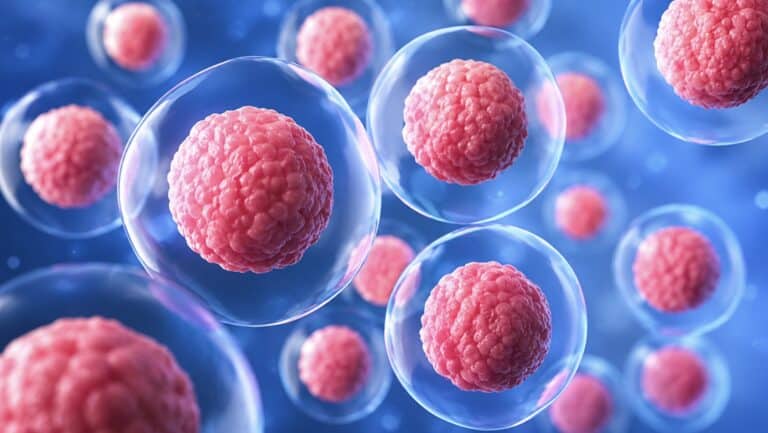
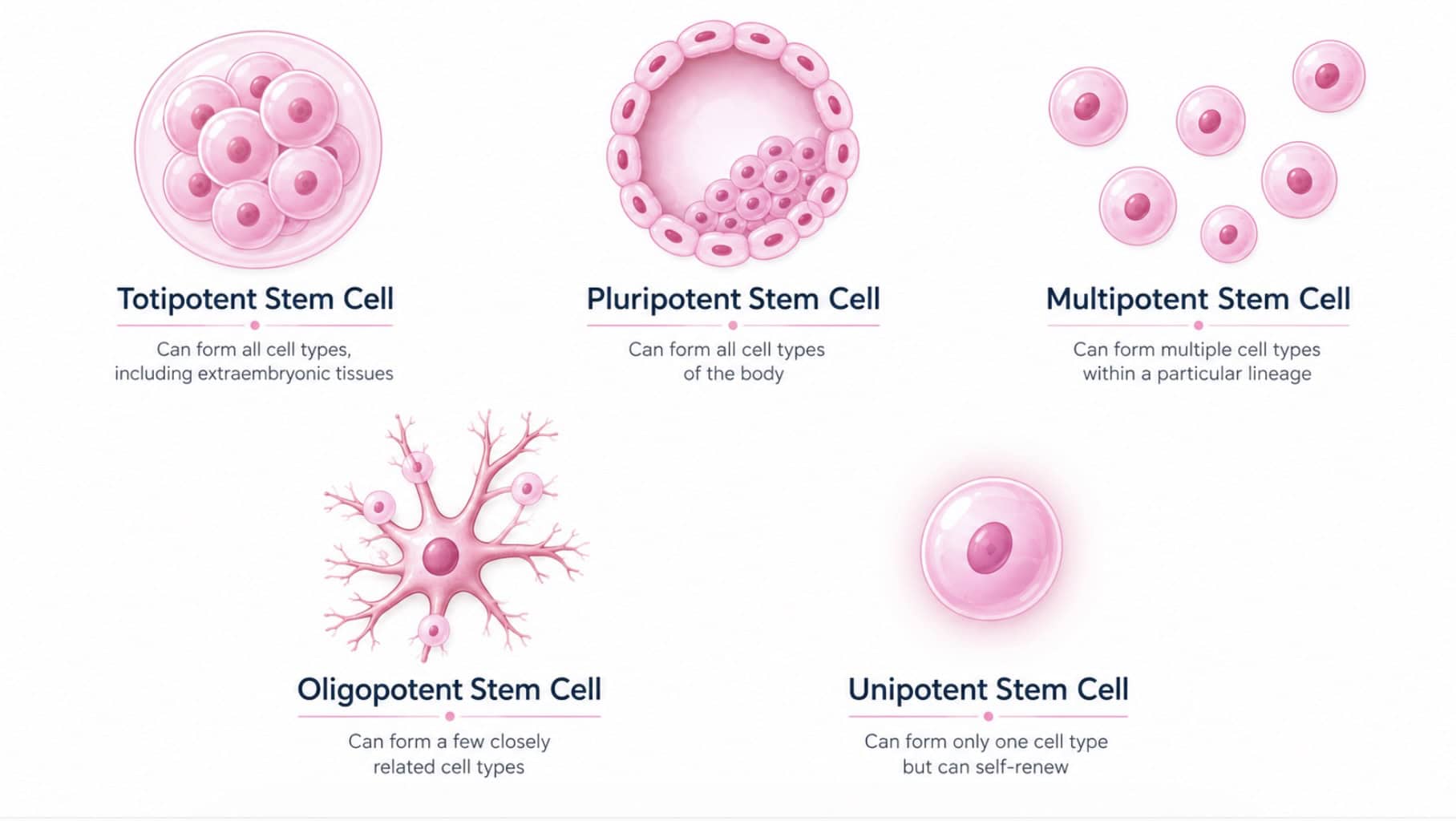
If you search for stem cell therapy in Bangkok, you might find it confusing. The term “stem cell” is often used as if it means just one thing, but that’s not the case. Mesenchymal stromal cells, hematopoietic stem cells, and induced pluripotent stem cells all come from different tissues, act differently, and are used in different areas of medicine.
This difference matters a lot in fields like dermatology, wound care, and hair research. For example, the cells used to rebuild blood-forming tissue are not always helpful for treating a diabetic ulcer. Similarly, a specially engineered pluripotent cell might be useful for lab-grown skin, but it is not the type most often used in everyday regenerative medicine.
If you are looking into stem cell therapy in Bangkok, Thailand, it is better to ask not just which stem cells are available, but which types actually make sense for treating skin, chronic wounds, and hair follicles.
This article will focus on the biology behind these treatments. Topics like cost, choosing a clinic, safety checks, and treatment decisions are covered in a separate guide about Stem Cell Therapy in Bangkok.
1. MSC vs HSC vs iPSC: Three Very Different Cell Families
Mesenchymal Stromal Cells Are the Main Players in Wound Biology
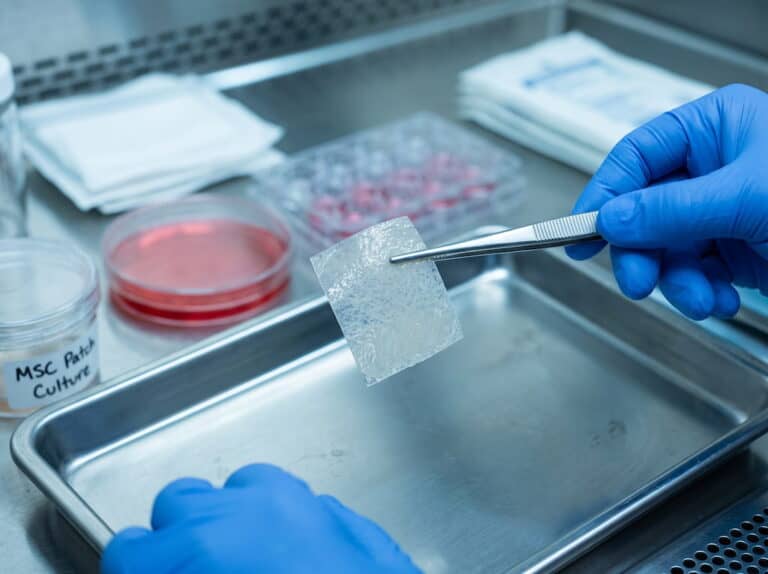
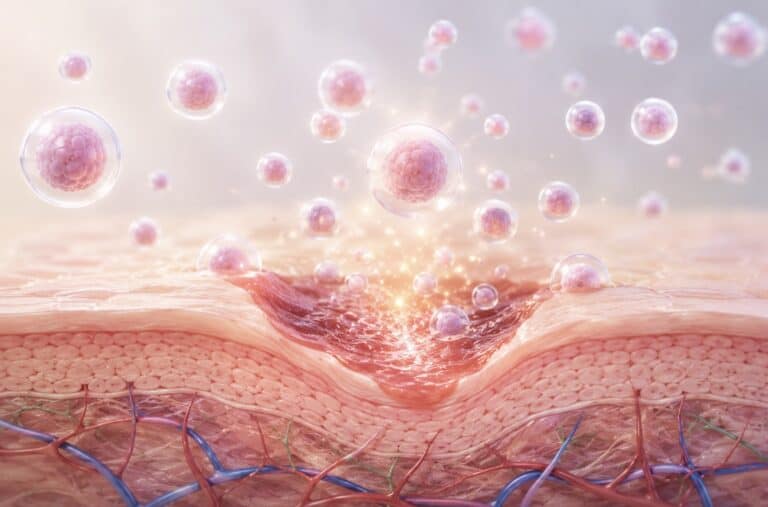
Mesenchymal stromal cells, or MSCs, are a major focus in current research on wound healing and regenerative dermatology. Researchers are interested in MSCs because of their effects on nearby tissue. MSCs release cytokines, growth factors, extracellular vesicles, and other signals that interact with immune cells, fibroblasts, endothelial cells, and epithelial cells.
Recent wound-healing studies on wound healing highlight these paracrine effects, such as changes in inflammation, blood vessel growth, fibroblast activity, and remodeling of the extracellular matrix. Therapy Bangkok appears so frequently when people research stem cells for wound healing or regenerative skin biology.
Hematopoietic Stem Cells Belong Primarily to Blood Medicine
Hematopoietic stem cells, also known as HSCs, serve a different purpose in the body.
Their main job is to produce blood and immune cells. HSCs are important for bone marrow transplants and hematology, but they are not involved in regular hair growth or skin repair.
It is important to point this out because people often use the term “bone marrow stem cells” too broadly. Bone marrow has both hematopoietic cells and a much smaller group called stromal or mesenchymal cells. These two types are not the same and should not be confused.
If you are looking into stem cell therapy in Bangkok, understanding this difference can help you avoid a common mistake. Just because a cell is called a “stem cell” does not mean it works for every type of regenerative treatment.
iPSCs Sit at the Engineering End of Regenerative Medicine
Induced pluripotent stem cells (iPSCs) are mature cells that scientists have reprogrammed to return to a pluripotent state. Their main advantage is flexibility. Researchers can direct iPSCs to become specific cell types and use them for disease modeling, tissue engineering, and regenerative research.
In skin research, scientists are studying iPSC-derived cells for burn repair and tissue engineering. A 2025 study examined iPSC-derived mesenchymal cells in a burn-wound model, demonstrating how this technology could inform future skin regeneration strategies. However, iPSCs are still biologically and technically different from the MSC-based methods most commonly used in stem cell therapy in Bangkok, Thailand.
2. Which Stem Cells Are Actually Most Relevant to Wound Medicine?
MSCs Fit the Biology of a Chronic Wound
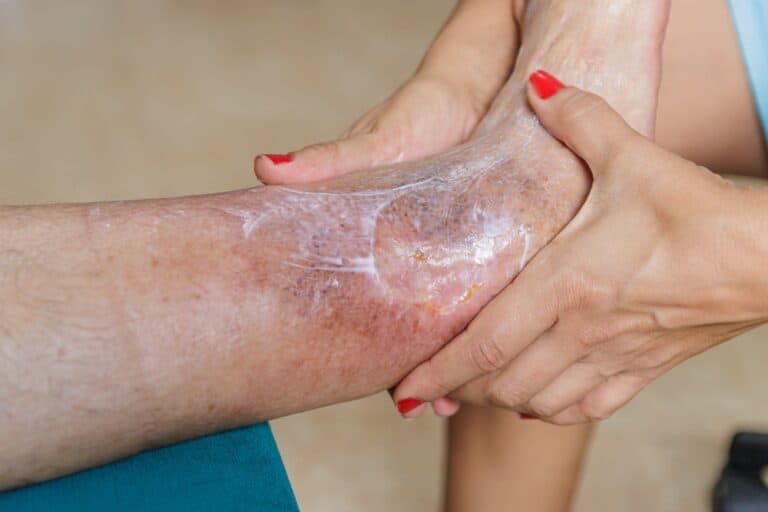
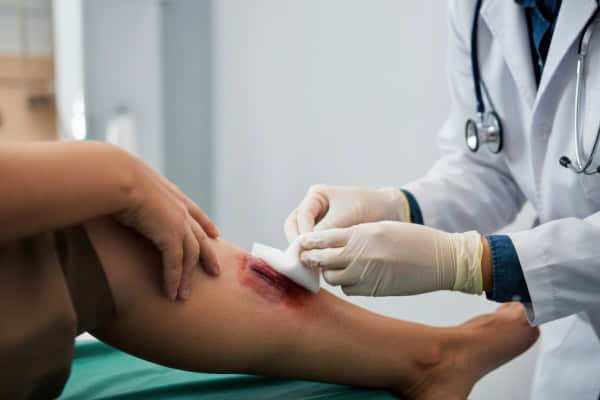
A chronic wound is more than just damaged skin that needs to heal. Often, the area around a chronic wound is disrupted. There may be ongoing inflammation, poor blood vessel signaling, unusual fibroblast activity, an imbalance in the surrounding matrix, and slower movement of skin cells. That is why MSCs have become a major focus of interest.
MSCs do not work through just one pathway. They seem to affect several stages of the wound-healing process simultaneously. Reviews mention their roles in controlling inflammation, promoting angiogenesis, supporting skin cell growth, supporting fibroblast communication, and reshaping the surrounding matrix.
The Mechanism Is Increasingly About Signaling, Not Cell Replacement
One of the biggest changes in the field is how researchers describe MSC activity.
Older explanations often focused on the idea that stem cells would migrate into damaged tissue and become replacement skin cells. That view is now considered too simplistic.
A major part of current research centers on paracrine signaling.
MSCs release biologically active factors into the surrounding environment. These may influence:
- inflammatory cytokine balance;
- macrophage behavior;
- endothelial-cell activity;
- angiogenesis;
- fibroblast proliferation;
- collagen organization;
- keratinocyte migration;
- extracellular-matrix remodeling.
The importance of this secretory activity is one reason MSC-derived conditioned medium and extracellular vesicles have become major research topics in wound medicine.
3. Why Hair Medicine Looks at Stem Cells Differently
Hair follicles are active, not just simple structures. Each one is like a tiny organ, complete with its own stem-cell areas, dermal papilla cells, blood supply, and communication systems. This is why, when talking about stem cells for hair loss, the focus is often on how cells communicate with each other rather than simply adding more cells to the scalp.
Hair Follicles Depend on Their Microenvironment
The hair cycle relies on signals between dermal papilla cells, epithelial stem cell areas, and the nearby stromal tissue. Researchers focus on pathways involving growth factors, WNT signaling, and follicular cell communication. Because of this, adipose-derived stromal cells and the substances they release have attracted considerable interest in hair research.
A 2024 review of adipose-derived stem cell conditioned medium reported studies measuring hair density, hair thickness, and hair cycle features, but the available clinical evidence remained limited and varied. So when paWhen patients look for stem cell hair treatment in Thailand or stem cell therapy in Bangkok for hair loss, it is important to know that treatments support the follicular environment by creating new hair follicles from scratch.
4. Umbilical Cord vs Bone Marrow vs Adipose: Why Source Matters
MSCs are not a single uniform product. Their source tissue can influence how they are collected, expanded and studied.
Comparison of Common MSC Sources
Cell Source | Collection Method | Relative Starting Cell Yield | Practical Trade-Offs |
Umbilical cord tissue | Collected from donated cord tissue after birth | Suitable for laboratory expansion | Young donor tissue, non-invasive donor collection, commonly allogeneic |
Bone marrow | Bone marrow aspiration, usually from the pelvis | MSC fraction is relatively small | Long research history, but harvesting is invasive |
Adipose tissue | Liposuction or surgical fat collection | Comparatively abundant stromal-cell population | Accessible adult source with strong wound and hair research interest |
Adipose-derived MSCs are popular because adipose tissue is readily accessible and yields a large number of stromal cells. A review of wound-healing studies found that these cells are among the most commonly studied sources for chronic wounds. Umbilical cord tissue serves as a neonatal donor material and is often mentioned when discussing expandable allogeneic MSC products.
Bone marrow has long been important, but collecting it involves an invasive aspiration procedure.
If you are comparing stem cell therapy options in Bangkok, Thailand, the source of the cells is just as important as the general term ‘MSC.’
5. Autologous vs Allogeneic Stem Cells
Another important distinction is who the cells come from. This is separate from the tissue source itself.
- Autologous Stem Cells
Autologous means the cells originate from the same person who receives them. Examples may include stromal cells collected from a patient’s own fat or bone marrow. The advantage is donor-recipient identity, but the characteristics of the starting cells may vary with age, underlying disease and tissue quality.
- Allogeneic Stem Cells
Allogeneic means the cells come from another donor. Umbilical cord-derived MSCs commonly fall into this category because donor birth tissue is processed for use in another individual.
This allows donor selection and standardized laboratory expansion to become part of the manufacturing model.
The key point is simple:
Umbilical cord, bone marrow and adipose describe the source tissue. Autologous and allogeneic describe the donor relationship. That distinction is essential when comparing different forms of stem cell therapy Bangkok.
6. Why MSCs Dominate Dermatology and Wound Research
Inflammation Is One of the Main Targets
Chronic wounds often remain trapped in an inflammatory state. MSCs are being studied for their interaction with macrophages, T cells and inflammatory cytokines. Their secretome may help shift the local environment toward a more regulated state rather than persistent immune activation.
Angiogenic Signaling Matters
Wounds need oxygen and nutrients. MSC-derived factors may influence endothelial cells and vascular signaling, which is why angiogenesis appears repeatedly in regenerative-wound studies.
Fibroblasts and Matrix Remodeling Matter Too
Fibroblasts build and remodel extracellular matrix. When their activity becomes abnormal, the wound can remain open or move toward excessive fibrosis.
MSC-derived signaling has been studied for its ability to influence collagen deposition, fibroblast activation and matrix organization.
These overlapping mechanisms help explain why MSCs not HSCs have become central to discussions about regenerative medicine Bangkok, wound biology and skin repair.
7. Where iPSCs May Change the Future of Skin Medicine
From Cell Therapy to Engineered Tissue
The future of regenerative dermatology may not look like today’s MSC programs.
iPSC technology could eventually support the development of highly defined populations of:
- keratinocytes;
- fibroblast-like cells;
- endothelial cells;
- melanocytes;
- engineered skin constructs.
This matters in burns, inherited skin disorders and laboratory-generated tissue models.
The science is promising, but it belongs to a more complex tissue-engineering field than the MSC biology typically associated with stem cell therapy Bangkok Thailand today.
8. The Next Shift: From Stem Cells to What Stem Cells Release
One of the most interesting developments in regenerative medicine is that the field may increasingly focus on the secretome rather than the cell alone.
Exosomes and Extracellular Vesicles
MSCs release extracellular vesicles carrying proteins, lipids and regulatory RNA.
These vesicles can participate in cell-to-cell communication and are being investigated in wound healing because they may influence proliferation, apoptosis, immune signaling and angiogenesis.
Conditioned Medium
Conditioned medium contains the soluble molecules released by cells during culture.
Research is exploring its effects on inflammation, fibroblast proliferation, collagen synthesis, epithelialization and vascular signaling.
This shift is important because it changes the question from:
“What can the stem cell become?”
to:
“What biological instructions can the stem cell deliver?”
That is a much more accurate reflection of current MSC research.
9. Understanding the Biology Behind Stem Cell Therapy Bangkok
The term ‘stem cell therapy Bangkok’ refers to a broad area, but understanding the main types of stem cells makes the science easier to follow.
MSCs currently have the strongest relevance to wound and regenerative skin research because of their paracrine, immunomodulatory, and tissue-supportive signaling.
HSCs are primarily associated with the blood and bone marrow, where they help produce new blood cells.
iPSCs are a newer, lab-created type of stem cell, often used to rebuild tissues and study diseases.
In MSC research, stem cells can come from sources such as the umbilical cord, bone marrow, or adipose tissue, each with unique properties. The terms autologous and allogeneic refer to whether the donor and recipient are the same person or different people.
If you are looking into stem cell therapy in Bangkok, MSC therapy, stem cells for wound healing or hair loss, or regenerative medicine, it helps to know these differences instead of assuming all stem cell products are the same.
The field is becoming more precise. Experts now focus on which specific stem cells are used, where they come from, how they signal, and the environment in which they work.
Frequently Asked Questions About Stem Cell Therapy for Hair Loss
Does stem cell therapy for hair loss work on a fully bald scalp?
Not on areas where follicles are confirmed non-viable. Stem cell therapy for hair loss works on follicles that are miniaturized but still structurally present not on scalp where the follicular structure itself is gone.
How do I know if I'm a candidate for stem cell therapy for hair loss?
Candidacy is determined through trichoscopy, which measures the terminal-to-vellus ratio, yellow-dot density, and hair shaft diameter diversity across defined scalp zones. This should happen before any treatment discussion, not after.
Can stem cell therapy for hair loss be combined with a hair transplant?
Yes, in mixed-presentation cases where some zones are still viable and others aren’t stem cell therapy for hair loss and transplantation can address different areas of the same scalp rather than being treated as mutually exclusive options.
What happens if stem cell therapy for hair loss is used on non-viable follicles?
Little to no visible regrowth, because there’s no structure left for the treatment to influence. This is why candidacy assessment matters more than the treatment protocol itself.
Choosing a Clinic for Stem Cell Therapy for Hair Loss
When it’s performed by an experienced physician under proper medical standards, the overall risk is low especially when the cells or extract come from the patient’s own body rather than a donor source.
Choosing a Clinic for Stem Cell Therapy for Hair Loss
Clinics offering stem cell therapy Bangkok Thailand patients travel for should be running and showing trichoscopic assessment as a standard part of consultation, not an optional add-on. If a provider is willing to quote a protocol for stem cell therapy for hair loss before examining the scalp under magnification, that’s worth noticing. The honest answer to “will this work at my stage” starts with a dermatoscope, not a treatment menu.
The Bottom Line
The honest version of this conversation isn’t a sales narrative. A patient with genuinely active, structurally intact miniaturization is a fundamentally different candidate for stem cell therapy for hair loss than a patient with years of established, empty follicular units and offering the same regenerative protocol to both, without distinguishing between them first, sets up the second patient to be disappointed by a treatment that was never going to work on tissue that wasn’t there anymore.

The Vega Derma Medical Team consists of board-certified dermatologists, specialized trichologists, and clinical researchers based in Bangkok, Thailand. Our team specializes in evidence-based regenerative dermatology, complex tissue repair, and advanced hair restoration (including precision FUE and FSE). Every protocol and article we publish is medically reviewed to ensure it meets international clinical standards, providing safe, science-backed guidance for our local and international patients.