

Key Takeaways
- The core advantages of stem cells are self-renewal, differentiation, paracrine signaling and immune modulation. Every claimed benefit traces back to one of these.
- Approved stem cell therapy is currently narrow: blood and immune disorders, corneal burn repair, and cultured skin grafts.
- Diabetic and chronic wound care has the strongest randomized trial support in dermatology, with a clear ulcer size limit in the pooled data.
- Hair and scar applications show real promise, but evidence of benefit above existing treatments is not yet established.
- Neurological, cardiac, diabetes, fertility and anti-aging applications remain investigational, whatever a clinic website says.
- The benefits of stem cell research are already delivering through disease modeling, drug screening and organoids, independent of any approved therapy.
Table of Contents
Search for the benefits of stem cells and you will find long lists promising everything from cured diabetes to reversed aging. Most of those lists are technically accurate and practically useless, because they mix a therapy that has saved lives since the 1960s with an idea someone tested in mice last year, and present both in the same tone of voice.
This guide sorts things differently. Every benefit below is grouped by how strong the evidence behind it actually is: approved and in routine use, supported by controlled trials but still specialized, or genuinely investigational. That distinction is the whole point. It is what separates a realistic conversation with a doctor from a marketing page.
Vega Dermatology & Wound Care Unit works with regenerative protocols every week, in three specific areas: chronic wounds, scars, and hair. So this article also covers what stem cells actually do in skin and scalp tissue, where the evidence is reasonable, and where it thins out.
Why Stem Cells Are Important in the First Place
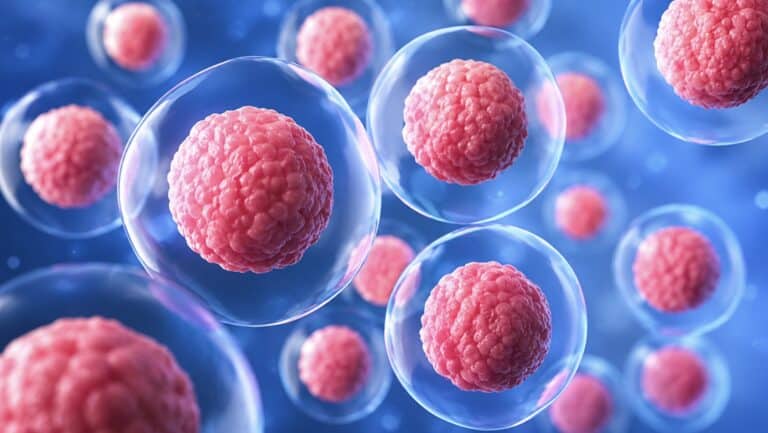
Every cell in your body traces back to a stem cell. That is the short version of why stem cells are important, but it undersells the practical part.
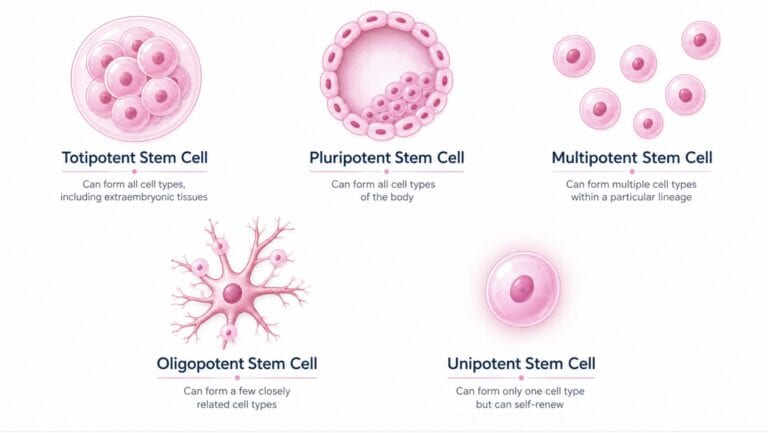
Ordinary cells are specialists. A skin cell makes skin. A liver cell makes liver. Once a cell commits to a job, it cannot switch. Stem cells are different because they hold two abilities at once:
- Self-renewal. A stem cell can divide and produce more stem cells, keeping the reservoir topped up rather than depleting it.
- Differentiation. A stem cell can commit and become a specialized cell type, such as a blood cell, a bone cell, or a neuron.
That combination is why your bone marrow can replace roughly two million red blood cells every second, why a cut closes, and why your gut lining rebuilds itself every few days. The importance of stem cells is not a future medical concept. It is the maintenance system already running in your body right now.
The medical question is narrower: can we take that system, put it in a lab, and point it at tissue that has stopped repairing itself? Sometimes yes. Often not yet. The sections below explain which is which.
The Four Advantages of Stem Cells That Everything Else Is Built On
Before the condition-by-condition list, it helps to understand the four underlying advantages of stem cells. Nearly every claimed benefit is a downstream effect of one of these.
1. They Can Replace Cells That Are Gone
This is the benefit everyone pictures: damaged tissue gets new cells. It is real, and it is the basis of bone marrow transplantation, where donated blood-forming stem cells rebuild an entire blood and immune system. It is also the hardest benefit to achieve outside blood and a few surface tissues, because most organs need new cells in the right place, in the right structure, connected to the right neighbors.
2. They Signal to the Cells Around Them
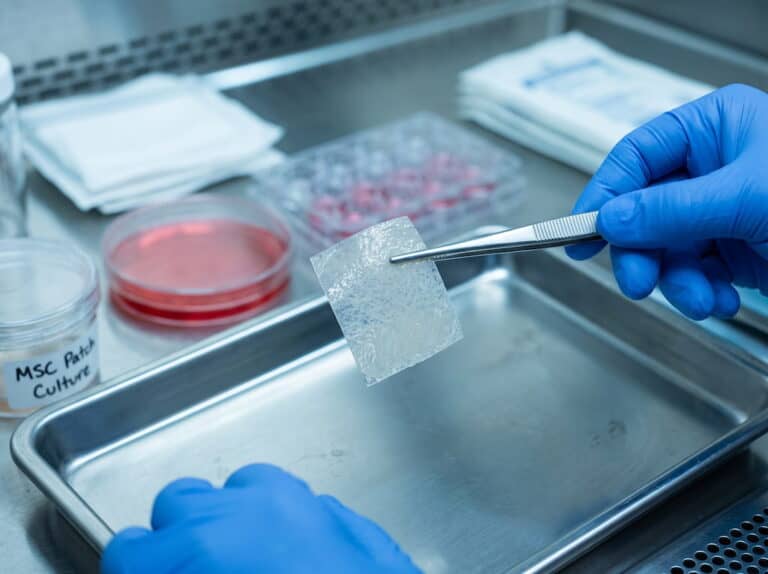
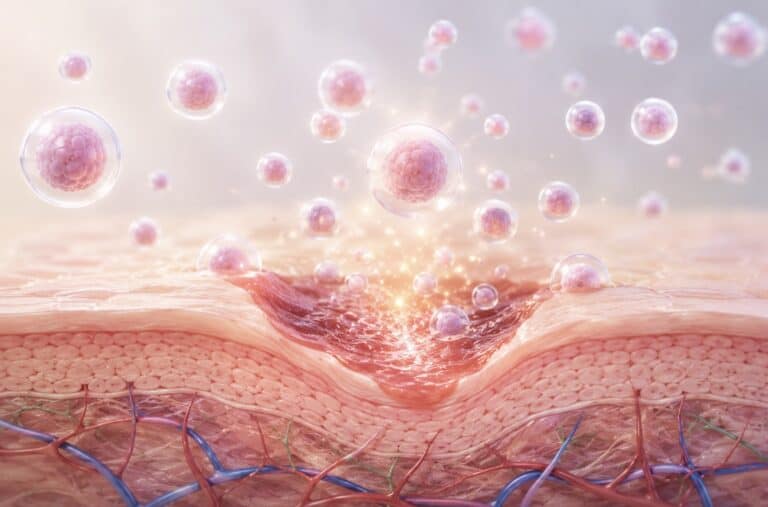
This one gets far less attention and matters far more in day-to-day regenerative medicine. Mesenchymal stem cells (MSCs) release a mix of growth factors, cytokines and extracellular vesicles known as the secretome. Recent reviews argue that this paracrine signaling, not the cells physically turning into new tissue, is the main way MSC therapy works.
The secretome carries recognizable messengers, including VEGF, IGF-1, EGF, keratinocyte growth factor, angiopoietin-1 and stromal derived factor-1. In laboratory studies these activate the PI3K/Akt and FAK/ERK1/2 pathways in nearby cells, which pushes fibroblasts, keratinocytes and vascular cells to proliferate and migrate. In plain terms: the stem cells behave less like replacement parts and more like a supervisor telling the local repair crew to get back to work.
3. They Calm Inflammation
MSCs modulate immune activity rather than simply suppressing it. That matters enormously for wounds, because a chronic wound is usually a wound stuck in the inflammatory phase. It never progresses to rebuilding. Shifting that balance is one of the more credible stem cell therapy benefits in wound care.
4. They Let Us Study Disease Without Studying Patients
Stem cells can be grown into human tissue in a dish. That gives researchers a human model of a disease to test on, which is a benefit to medicine as a whole rather than to any single patient. More on this under stem cell research benefits below.
Benefits of Stem Cells, Sorted by Evidence
Here is the part most articles skip. The same word, “benefit”, is used for a therapy with sixty years of clinical history and for a hypothesis. These are the three tiers, and where each application sits.
Tier 1: Approved, Regulated, and in Routine Clinical Use
This tier is small. That is not a criticism of the field, it is just where the regulatory bar sits.
- Blood and immune system disorders. Hematopoietic stem cell transplantation is standard care for leukemia, lymphoma, aplastic anemia, sickle cell disease and several immune deficiencies. In the United States, the only stem cell products with full FDA licensure are blood-forming stem cells derived from umbilical cord blood, including HEMACORD, ALLOCORD, Ducord, CLEVECORD, Omisirge and REGENECYTE. Everything else marketed as a stem cell treatment in the US sits outside that approval.
- Corneal surface repair after eye burns. Holoclar, approved by the European Medicines Agency in 2015, uses a patient’s own limbal stem cells to restore the corneal surface after chemical or physical burns. In the assessed studies, 75 of 104 patients (72 percent) had a successful outcome at one year. It was the first stem cell medicine approved in the EU.
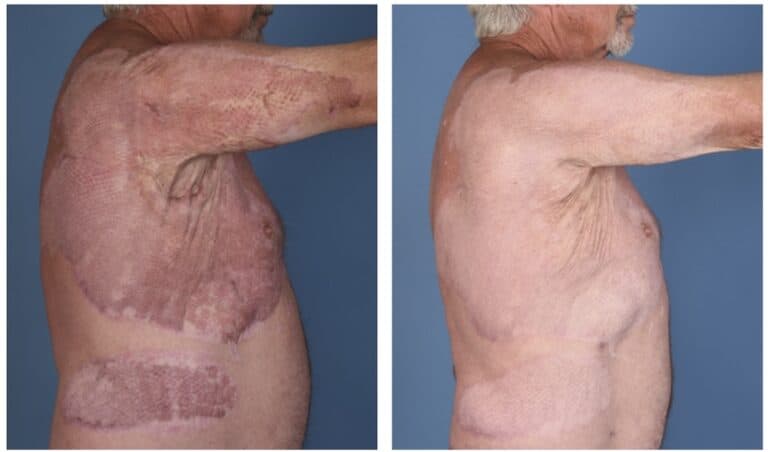
- Skin grafting for severe burns. Cultured epidermal grafts grown from a patient’s own skin stem cells have been used in major burn centers for decades.
Tier 2: Supported by Controlled Trials, Applied Selectively
This tier is where honest regenerative clinics operate. There is randomized trial evidence and published meta-analysis. There is not yet a licensed product for the indication, and results depend heavily on patient selection.
- Chronic and diabetic foot ulcers. A meta-analysis of randomized controlled trials found significantly higher ulcer healing rates with MSC therapy compared with standard care (odds ratio 3.98, 95% CI 2.05 to 7.73). A 2025 analysis reported improved complete healing (risk ratio 1.63, 95% CI 1.23 to 2.16), but with an important caveat: the benefit held for ulcers under 5 cm² and was not demonstrated for larger ulcers. Pooled data has also associated stem cell therapy with reduced amputation rates. This is the strongest Tier 2 evidence in dermatology, and it comes with a clear size limit.
- Knee osteoarthritis and joint pain. Controlled studies generally show moderate improvement in pain and function. They do not show reliable cartilage regrowth. Success in these trials usually means symptom improvement, not structural repair.
- Hair density in pattern hair loss. Stem cell conditioned media and exosome preparations increase hair density and shaft thickness in published studies. The honest detail: in a randomized double-blind trial combining adipose-derived stem cell conditioned media with minoxidil, both sides improved significantly at six weeks, but there was no statistically significant difference between the treatment groups. Safety was good. Efficacy above existing treatment is not yet settled.
- Graft-versus-host disease and selected autoimmune conditions. MSC infusion has regulatory approval in some jurisdictions and remains investigational in others.
Tier 3: Investigational, Promising, Not Yet Treatment
These are the applications that dominate listicles about the benefits of stem cell therapy. They are legitimate research directions. None of them is a service you should be buying today.
- Parkinson’s disease, Alzheimer’s disease and ALS
- Spinal cord injury
- Heart muscle repair after myocardial infarction
- Type 1 diabetes and insulin-producing cell replacement
- Retinal disease and macular degeneration
- Liver cirrhosis
- Infertility and gamete generation
- Aging reversal and longevity
Some of these are moving quickly. Islet cell work in type 1 diabetes and retinal cell transplantation have both produced encouraging early trial data. Encouraging early trial data is still not the same as a treatment, and a clinic charging you for one of these outside a registered trial is a warning sign, not an opportunity.
Quick Reference: Benefit Versus Evidence
| Application | Claimed benefit | Evidence status |
|---|---|---|
| Leukemia, lymphoma, sickle cell | Rebuilds blood and immune system | Approved, routine care |
| Corneal burns | Restores corneal surface | Approved in the EU (Holoclar) |
| Diabetic foot ulcers | Faster closure, fewer amputations | Randomized trial evidence, size-dependent |
| Knee osteoarthritis | Pain and function improvement | Trial evidence for symptoms, not cartilage |
| Pattern hair loss | Increased density and thickness | Early trials, benefit over standard care unproven |
| Scar remodeling | Better tissue quality | Emerging, mostly small studies |
| Alzheimer’s, Parkinson’s, spinal cord | Replaces lost neurons | Investigational only |
| Aging reversal, infertility | Restores youthful function | Preclinical, no clinical basis |
Benefits of Stem Cell Research (Which Are Not the Same Thing)
People often merge two separate questions: what can stem cells do for a patient, and what can stem cells do for medicine. The second question has a stronger answer than most patients realize, and these stem cell research benefits are already paying off.
- Human disease models. Induced pluripotent stem cells (iPSCs) are adult cells reprogrammed back to an embryonic-like state. Take skin cells from someone with a genetic heart condition, reprogram them, grow them into heart cells, and you have that person’s disease beating in a dish. Researchers can watch a disease develop instead of inferring it from a mouse.
- Safer, faster drug testing. New compounds can be screened against human stem cell derived tissue before animal or human exposure. Cardiac and liver toxicity, two of the most common reasons drugs fail late, can be flagged much earlier.
- Reduced reliance on animal testing. Human cell models answer some questions that animal models never could, because mouse biology is not human biology.
- Organoids. Miniature lab-grown gut, kidney, liver and brain tissue now let researchers study organ development and disease directly.
- Personalised prediction. In principle, a drug can be tested against cells derived from the specific patient who would take it.
None of these benefits stem cell research delivers require an approved therapy to exist. They improve the entire pipeline behind every other treatment you will ever be offered.
What Stem Cells Actually Do in Skin, Wounds, Scars and Hair
This is the ground Vegaderma works on, so it is worth being specific rather than general.
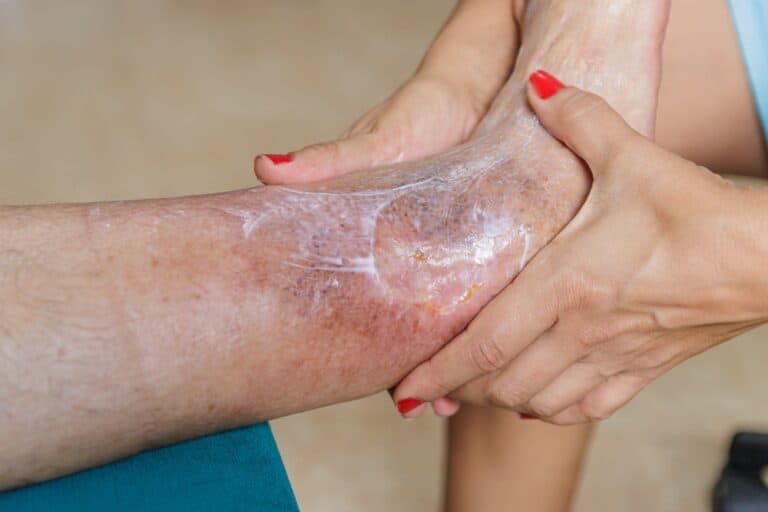
Chronic and Diabetic Wounds
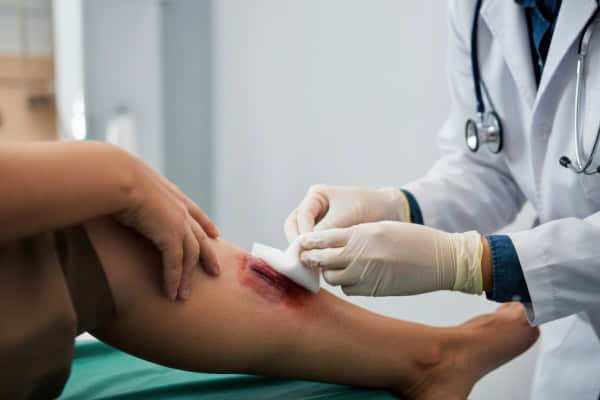
A wound becomes chronic when it stalls. Inflammation persists, blood supply is inadequate, and the tissue never moves into the rebuilding phase. Diabetes makes all three worse at once through impaired circulation, neuropathy and higher infection risk.
The regenerative rationale here is mechanistically clean. Growth-factor media and cell-based therapies supply the angiogenic and anti-inflammatory signals the wound bed is failing to produce, which is exactly what the meta-analysis data on diabetic foot ulcers reflects. At Vegaderma this sits inside a full pathway rather than standing alone: assessment, debridement and wound bed preparation, offloading, infection control, advanced dressings, and then VEGF and PDGF growth-factor media or cell-based support where the case suits it. You can read more about that approach in our guides to chronic wound and skin repair and diabetic wound care.
One practical point the research makes repeatedly: glycemic control affects how well any of this works. We covered that in does uncontrolled blood sugar weaken stem cell wound healing.
Scars, Keloids and Acne Scarring
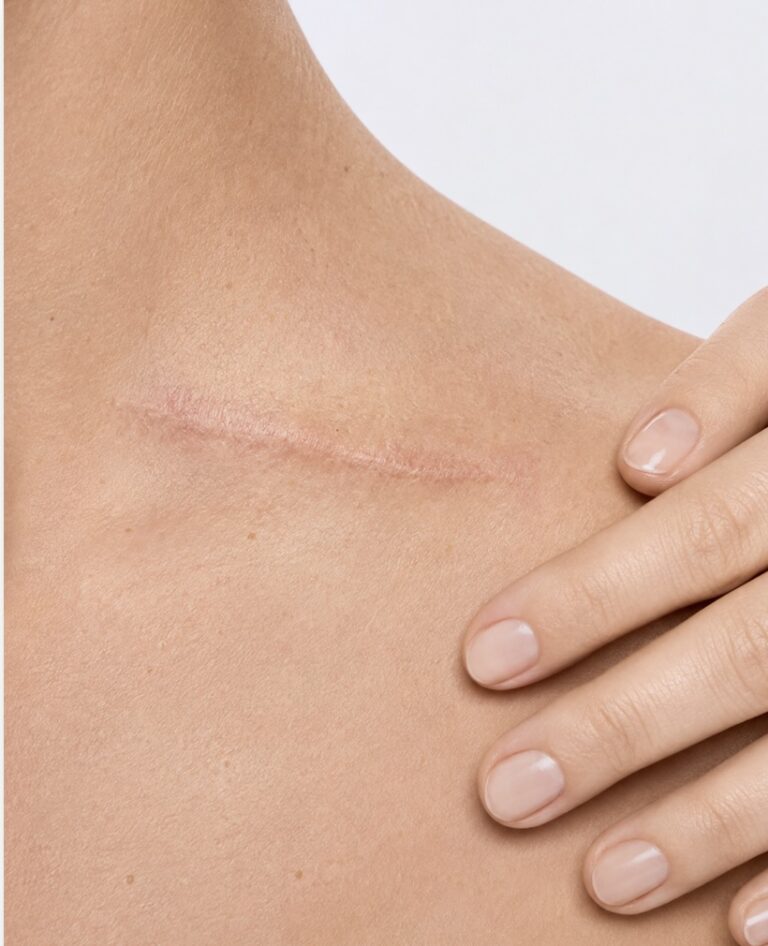
A scar is not a failure of healing, it is healing that produced disorganized collagen. The regenerative interest is in remodeling: influencing collagen organisation and tissue quality rather than removing the scar. Evidence here is earlier stage than in wound closure, and scar age matters. We wrote about that distinction in can stem cell therapy improve an old scar, alongside our dedicated keloid and acne scar pathways.
Hair and Scalp
Follicles do not vanish overnight in pattern hair loss. They miniaturise first, producing progressively finer hair before the unit is eventually lost. That window matters, because regenerative signaling can support a miniaturising follicle and cannot resurrect an empty one.
Our Follicular Signaling Enhancement (FSE) protocol uses secretome-based bio-active signaling to support the follicular environment, either on its own or alongside FUE transplantation and hair and scalp regeneration. Candidacy is assessed under trichoscopy before anything is proposed, for the reason described above: the honest answer to “will this work for me” depends on whether the follicles are still there.
Advantages and Limits by Stem Cell Type
Not all stem cells offer the same advantages. Choosing between them is a trade-off, not a ranking.
| Type | Main advantages | Main limitations |
|---|---|---|
| Adult (somatic) stem cells, including bone marrow and adipose derived | No embryo involved, low rejection risk when autologous, decades of clinical use in blood disorders | Limited differentiation range, quantity and quality decline with donor age |
| Umbilical cord tissue MSCs (UC-MSCs) | Strong proliferative capacity, low immunogenicity, non-invasive collection, rich secretome | Allogeneic by definition, sourcing and processing standards vary widely between providers |
| Embryonic stem cells (ESCs) | Pluripotent, can become any cell type, highly efficient for gene targeting research | Ethical objections, immune rejection risk, tumour formation risk if incompletely differentiated |
| Induced pluripotent stem cells (iPSCs) | Pluripotent without embryos, patient-specific, transformative for disease modeling | Reprogramming introduces genomic risk, clinical use still largely experimental |
The Limitations Worth Knowing Before You Book Anything
A benefits article that lists only benefits is an advertisement. These are the constraints that apply regardless of clinic or country.
- Immune rejection. Donor cells can be recognized as foreign. MSCs have relatively low immunogenicity, which reduces but does not eliminate this.
- Tumour risk with pluripotent cells. Cells that can become anything can, in principle, become the wrong thing. This is the central safety hurdle for ESC and iPSC-derived therapies.
- Unregulated providers. The FDA has documented reports of blindness, tumour formation and infection following unapproved stem cell products. In one well-known case, three patients suffered severe vision loss after fat-derived cell injections into the eye for macular degeneration. Regulators have consistently warned that being charged for such products outside a clinical trial is itself a red flag.
- Trial results are not personal predictions. Published success rates come from selected patients with defined disease severity and few complicating conditions. Your case may not resemble the trial population. We unpacked this in stem cell therapy success rates.
- Stem cell supplements do not work. There is no credible evidence that oral supplements claiming to boost or supply stem cells do anything. Ignore them.
How to Judge a Stem Cell Benefit Claim
Four questions will filter most of what you read online:
- Which tier is this? Approved therapy, trial-supported application, or laboratory research being described as though it were treatment.
- Benefit measured how? Complete wound closure, percentage area reduction, hair density increase and pain score change are four different things frequently reported as one word: success.
- Compared with what? An improvement against no treatment is a much weaker finding than an improvement against current standard care.
- Does the provider name the limits? A clinic that tells you which patients it declines is giving you more useful information than one that tells you everyone benefits.
Talk to a Clinician About Your Case
If you have a wound that has stalled, a scar that keeps tightening, or hair loss that has moved past what topical products manage, the useful next step is an assessment rather than more reading. Vegaderma’s team will examine the tissue, tell you whether a regenerative approach is appropriate for your specific case, and say so plainly if it is not.
Book a consultation or review documented patient outcomes first.
Frequently Asked Questions
-
What are the main benefits of stem cells?
The main benefits are the ability to replace lost cells, to signal surrounding tissue to repair itself through growth factors and extracellular vesicles, to modulate inflammation, and to serve as human models for studying disease and testing drugs. Which of these translates into treatment depends entirely on the condition.
-
Why are stem cells important?
Stem cells maintain and repair tissue throughout life, replacing blood cells, skin, gut lining and other tissue continuously. Medically they are important because they are the only cells that can both renew themselves and become specialized cell types, which makes them the starting point for regenerative treatment and for laboratory disease models.
-
What conditions can stem cell therapy actually treat today?
Established, approved uses are blood and immune system disorders through hematopoietic stem cell transplantation, corneal surface repair after eye burns using limbal stem cells, and cultured skin grafts for severe burns. Chronic wounds, joint pain and hair loss have supporting trial evidence and are applied selectively rather than universally.
-
Are the benefits of stem cell therapy the same as the benefits of stem cell research?
No. Therapy benefits apply to a patient receiving treatment. Research benefits apply to medicine as a whole, through disease modeling, drug safety screening, organoid development and reduced reliance on animal testing. Research benefits are well established even where therapeutic benefits are not.
-
How do stem cells help wound healing?
Mesenchymal stem cells release growth factors including VEGF, IGF-1 and EGF that stimulate new blood vessel formation and prompt fibroblasts and keratinocytes to migrate and proliferate. They also help shift a wound out of persistent inflammation, which is the state most chronic wounds are stuck in. Meta-analyses of randomized trials report higher healing rates in diabetic foot ulcers, with the effect strongest in ulcers under 5 cm².
-
Can stem cells reverse aging?
There is no clinical evidence that stem cell treatment reverses aging. Work in this area is preclinical. Any clinic selling anti-aging stem cell therapy is selling something the research does not currently support.
-
Do stem cell supplements work?
No. There is no scientific data supporting supplements that claim to boost or provide stem cells. Diet and regular exercise support general tissue health, but no oral product delivers functional stem cells to a target tissue.
-
Is stem cell therapy in Thailand regulated?
Stem cell-related treatment in Thailand is subject to medical and regulatory oversight, and reputable clinics work within frameworks approved by local authorities and ethics committees. Ask any provider directly which of their treatments are standard of care and which are emerging regenerative options.
References
- U.S. Food and Drug Administration. Important Patient and Consumer Information About Regenerative Medicine Therapies.
- European Medicines Agency. Holoclar: EPAR product information.
- Mei X-H, et al. Efficacy of Mesenchymal Stem Cells in the Treatment of Diabetic Foot Ulcers: A Meta-Analysis of Randomized Controlled Trials. The International Journal of Lower Extremity Wounds, 2025.
- Effectiveness of Stem Cell Therapy for Diabetic Foot Ulcers: A Systematic Review and GRADE Compliant Bootstrapped Meta-Analysis of Randomized Clinical Trials. PubMed, 2024.
- Umbilical cord-derived mesenchymal stem cell secretome promotes skin regeneration and rejuvenation: from mechanism to therapeutics. PMC, 2024.
- Combination of adipose-derived stem cell conditioned media and minoxidil for hair regrowth in male androgenetic alopecia: a randomized, double-blind clinical trial. PubMed, 2023.
- U.S. Food and Drug Administration. Statement on stem cell clinic permanent injunction and FDA’s ongoing efforts to protect patients from risks of unapproved products.
Medical Disclaimer: Treatment outcomes vary between individuals. The information on this page is for educational purposes only and should not be interpreted as medical advice or a guarantee of results. A physician consultation is required to determine suitability for any treatment.

The Vega Derma Medical Team consists of board-certified dermatologists, specialized trichologists, and clinical researchers based in Bangkok, Thailand. Our team specializes in evidence-based regenerative dermatology, complex tissue repair, and advanced hair restoration (including precision FUE and FSE). Every protocol and article we publish is medically reviewed to ensure it meets international clinical standards, providing safe, science-backed guidance for our local and international patients.