
Introduction
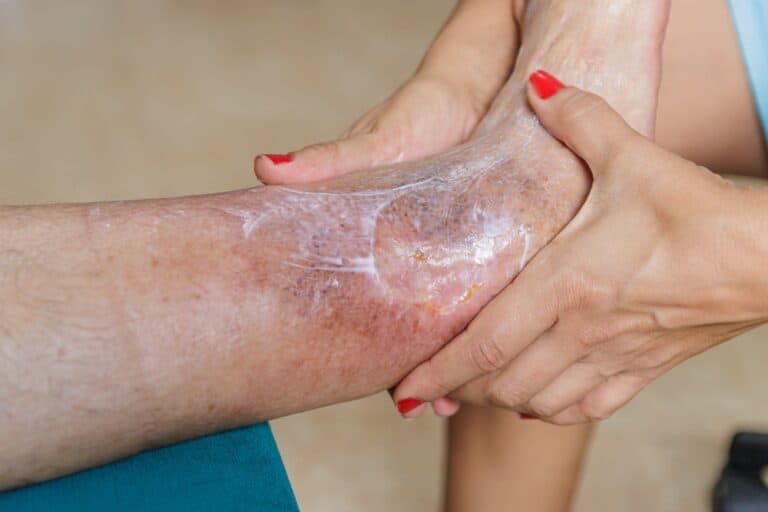
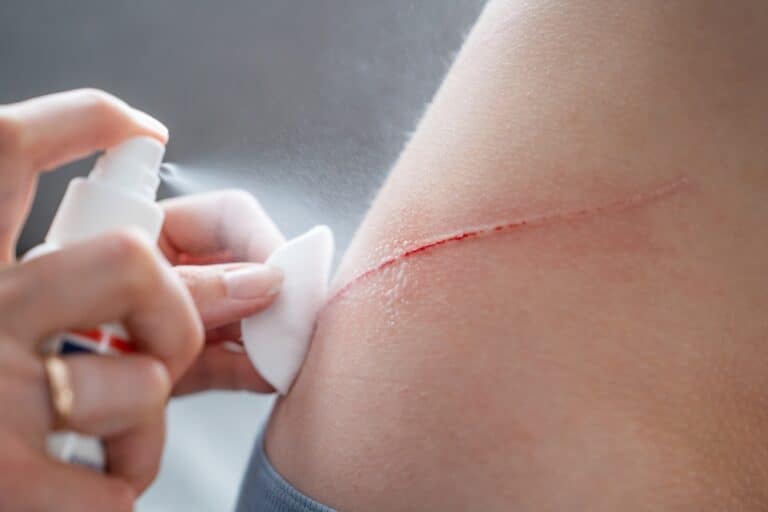
Have you ever noticed how a wound can just stop healing? It’s not getting worse, but it’s not improving either. Weeks might pass, dressings are changed on time, and everything seems under control, but the wound itself hasn’t changed at all. This is what we call a chronic wound. Technically, it means a wound hasn’t healed within four to six weeks, but anyone who’s experienced it knows that definition doesn’t capture how discouraging it is to see no progress week after week. Pressure ulcers, diabetic wounds, and venous wounds often end up like this, stuck instead of healing, and the longer they stay that way, the greater the risks become.
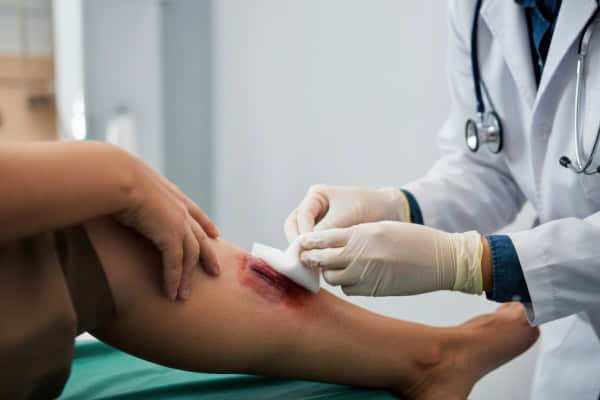
What really helps a wound that just won’t heal start making progress again? That’s the focus of this article. We’ll look at real chronic wound care treatments not just repeating the same dressing changes that haven’t worked, but the specific steps clinics use when a wound needs extra help. We’ll cover negative pressure wound therapy for chronic wounds, cellular and tissue-based products for wounds that aren’t healing, and how new advances in chronic wound care are making a difference for wounds that were once considered too difficult to treat.
Why Chronic Wounds Get Stuck in the First Place
Normal Healing vs. a Wound That’s Stalled
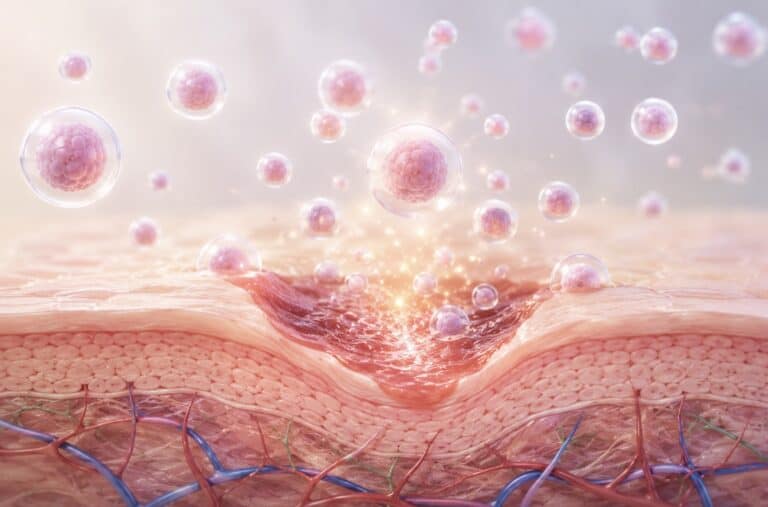
Healing, when it works the way it’s supposed to, moves through four stages in order hemostasis, inflammation, tissue formation, remodeling. Chronic wounds get stuck somewhere around stage two. They sit in that inflammation phase for weeks, sometimes months, unable to actually move into building new tissue. Which is exactly why a wound like this can look identical from one week’s photo to the next, no matter how carefully it’s been cared for in between.
What Actually Keeps a Wound From Moving Forward
A few things tend to be behind it, often more than one at once:
- Blood flow that just isn’t reaching the wound the way it needs to
- Blood sugar running high, in diabetic patients, actively getting in the way of repair
- Biofilm a bacterial layer that’s basically shrugged off by standard antibiotics
- Missing nutrients the body genuinely needs to rebuild tissue
- Pressure that keeps cutting circulation to the area, over and over
When you look at that list, it becomes clear that treating a stalled wound isn’t as simple as putting on a new dressing and waiting. The treatment needs to address the real reason the healing has stopped.
Negative Pressure Wound Therapy (NPWT): Where a Lot of Jumpstart Plans Begin
How NPWT Actually Works
Negative Pressure Wound Therapy, or NPWT, works through continuous suction pulled through a special foam dressing sealed tightly over the wound. That constant negative pressure draws excess fluid away, gets blood flowing better right at the wound’s edges, and speeds up granulation tissue formation noticeably faster than a traditional dressing change routine ever manages alone.
Who Actually Benefits From It
NPWT tends to shine with wounds producing a lot of drainage, post-surgical wounds at risk of coming apart, or wounds that have already been through debridement but still need something more to get moving. The system usually gets swapped every two to three days, with the clinical team watching closely the whole time this really isn’t a DIY situation.
Cellular and Tissue-Based Products (CTPs): The Biological Toolkit
Bioengineered Skin Substitutes
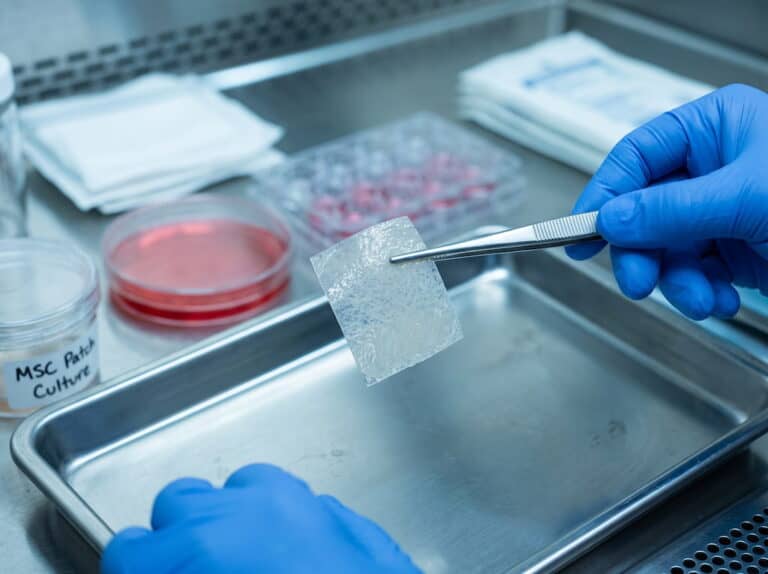
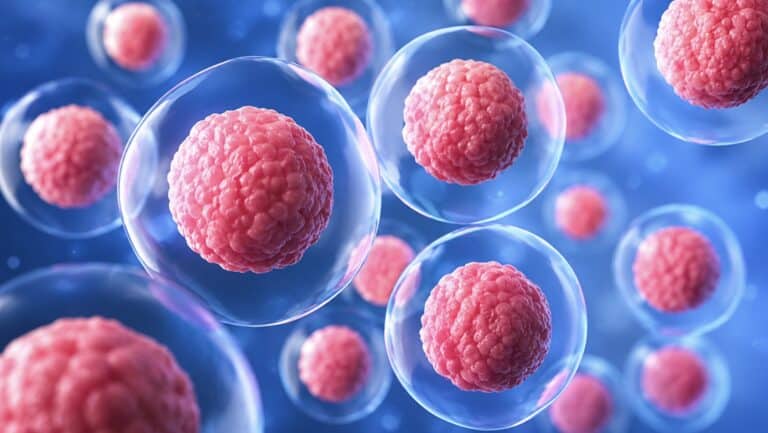
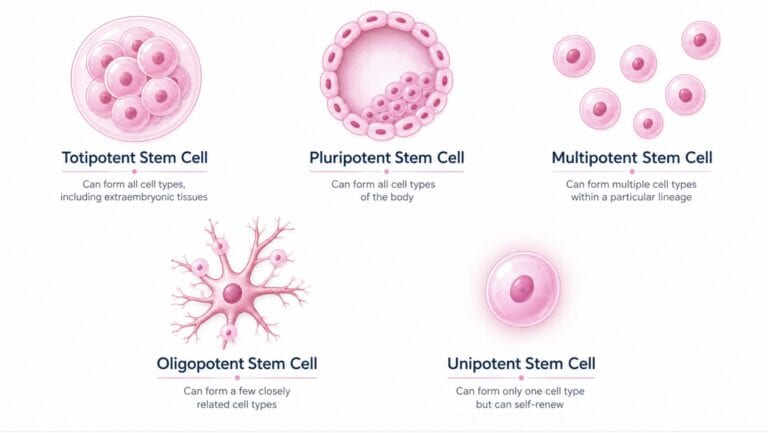
For wounds that haven’t responded to anything standard, bioengineered skin substitutes grown from cultured cells in a lab, which still sounds a little sci-fi even to people who work with them daily get placed directly onto the wound to trigger tissue regeneration at the cellular level. Basically scaffolding: it gives the patient’s own skin cells something solid to grow onto instead of nothing.
Amniotic Membrane Grafts
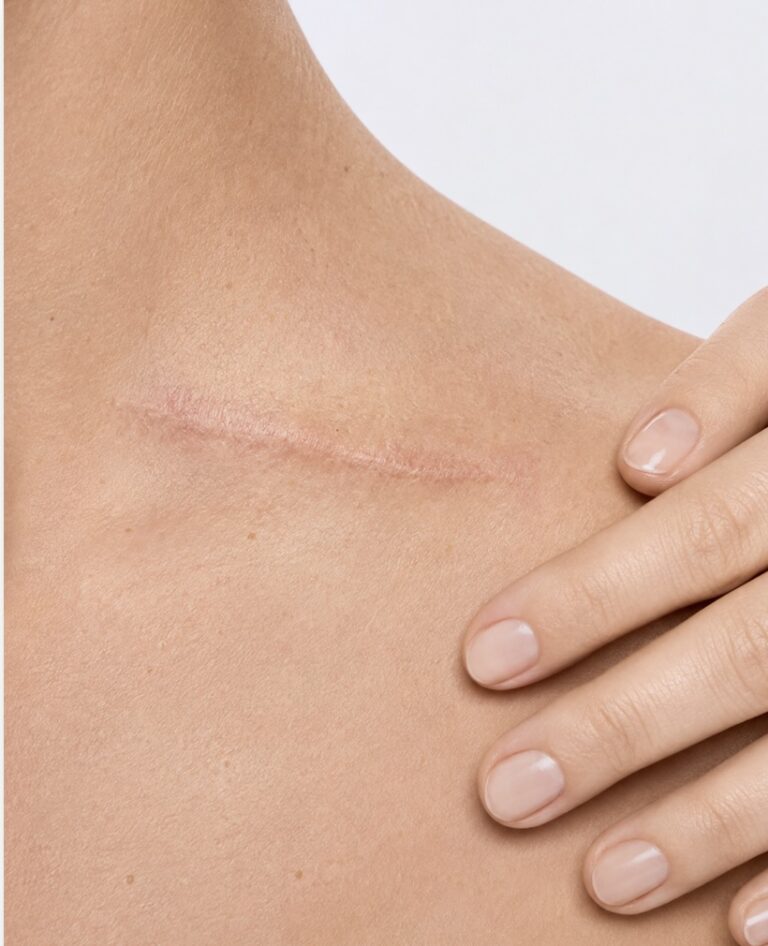
Amniotic membrane shows up a lot in this space, and for good reason. It’s naturally anti-inflammatory, comes packed with growth factors, and helps keep scar tissue from building up excessively while the wound heals. It tends to work particularly well when ongoing inflammation is really the thing holding a wound back.
Acellular Dermal Matrix
Acellular dermal matrix is collagen with every single cell stripped out, leaving just the structural framework behind a literal scaffold for new skin cells to climb into. It gets reached for most often in deep wounds where a significant chunk of tissue is already gone.
Growth Factor Therapy: Sending the Signal Directly
Growth factor therapy delivers cell-signaling proteins right to the wound site, essentially restarting tissue formation and capillary growth that’s completely ground to a halt. It’s usually paired with debridement first, because a clean wound bed actually absorbs those signals a wound still covered in dead tissue just can’t use them the same way.
PDGF for Diabetic Wounds
Platelet-Derived Growth Factor (PDGF) is a clinically approved option built specifically for diabetic foot ulcers. It triggers fibroblast cells to divide and speeds up granulation tissue formation one of the more targeted tools out there for this particular kind of wound.
Hyperbaric Oxygen Therapy (HBOT): Getting Oxygen to Tissue That’s Been Starved of It
Hyperbaric Oxygen Therapy puts patients in a pressurized chamber breathing pure oxygen at pressure well above normal atmosphere. More oxygen dissolves into the blood that way, reaching tissue that’s been running on an inadequate supply for far too long which drives new blood vessel formation and helps white blood cells actually do their job fighting infection.
Which Wounds Respond Best
HBOT usually gets brought in as backup for severe diabetic foot ulcers, radiation-damaged tissue, and wounds tied to chronic poor circulation basically the exact category of wound that shrugs off standard treatment.
Debridement: The Step Nothing Else Works Without
Whatever advanced technology ends up in the plan, debridement clearing away dead tissue and biofilm, and doing it regularly, not once is non-negotiable. Dead tissue and biofilm are literally what’s in the way, blocking growth factors and biological products from ever reaching the wound bed at all.
Why Layering Treatments Together Actually Wins
In real-world settings, specialists rarely rely on a single intervention. A true chronic wound jumpstart protocol usually follows a sequence, such as:
- Start with debridement to remove dead tissue and biofilm.
- Next, use NPWT to improve circulation and manage drainage.
- When the wound bed is ready, apply cellular and tissue-based products to encourage new tissue growth.
- Add HBOT if poor blood supply is a significant issue.
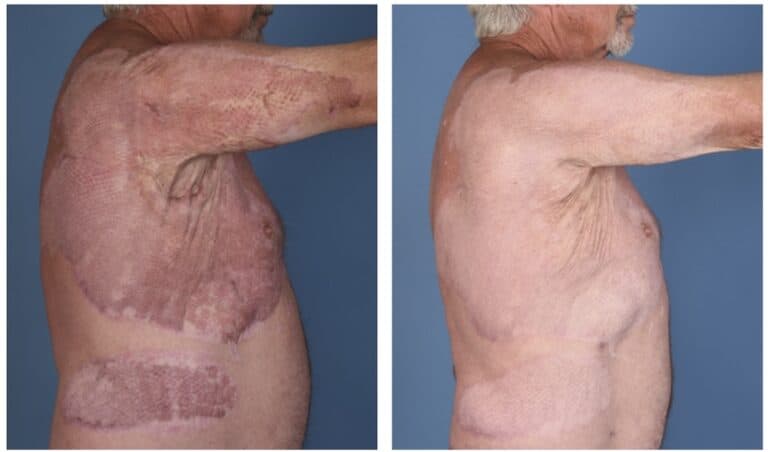
This layered approach helps non-healing chronic wounds finally close, instead of staying stuck in the inflammation phase. Using only one method often leads to ongoing problems.
Finding a Clinic That Actually Figures Out Why It’s Stuck
Healing a chronic wound is not just about using the latest technology. The first step is to find out why the wound is not healing, since each cause needs its own solution. For example, using NPWT on a wound that is slow to heal because of poor nutrition will not help much.
At Vega Derma, the wound care team runs a real assessment first circulation, infection level, tissue quality before choosing the right combination for that specific case. It’s chronic wound care treatment built around the patient in front of them, not a protocol pulled off a shelf.
To learn more about a complete chronic wound care treatment approach, you can read our in-depth guide to chronic wound healing treatment, which covers everything from advanced dressing options for non-healing wounds to regenerative therapies for stalled wound recovery.
Frequently Asked Questions
How does a wound actually get labeled "chronic"?
Generally, if there’s no visible improvement after four to six weeks, or it hasn’t closed within three months, it gets classified as chronic and at that point it really deserves a proper clinical look rather than more of the same basic care.
How long before NPWT actually shows results?
Most people see visible granulation tissue forming within the first one to two weeks, though how long the full treatment takes really depends on the size and severity of the wound itself.
Are cellular and tissue-based products actually safe?
Yes, they go through rigorous screening and sterilization to meet medical standards, and the risk is low when they’re used under a specialized wound care team’s supervision, not something anyone’s improvising.
The Bottom Line
A chronic wound that feels like it’s never going to close isn’t actually a dead end, even though it can genuinely feel that way after months of no progress. NPWT, cellular and tissue-based products, growth factor therapy, hyperbaric oxygen therapy these are all clinically proven ways to push a stalled wound back into actually repairing itself.
Talking to a specialized wound care team at a clinic like Vega Derma to actually pin down what’s keeping the wound stuck and build a real plan around it is the right first step toward getting it closed for good, and toward a much lower risk of serious complications down the line.

The Vega Derma Medical Team consists of board-certified dermatologists, specialized trichologists, and clinical researchers based in Bangkok, Thailand. Our team specializes in evidence-based regenerative dermatology, complex tissue repair, and advanced hair restoration (including precision FUE and FSE). Every protocol and article we publish is medically reviewed to ensure it meets international clinical standards, providing safe, science-backed guidance for our local and international patients.