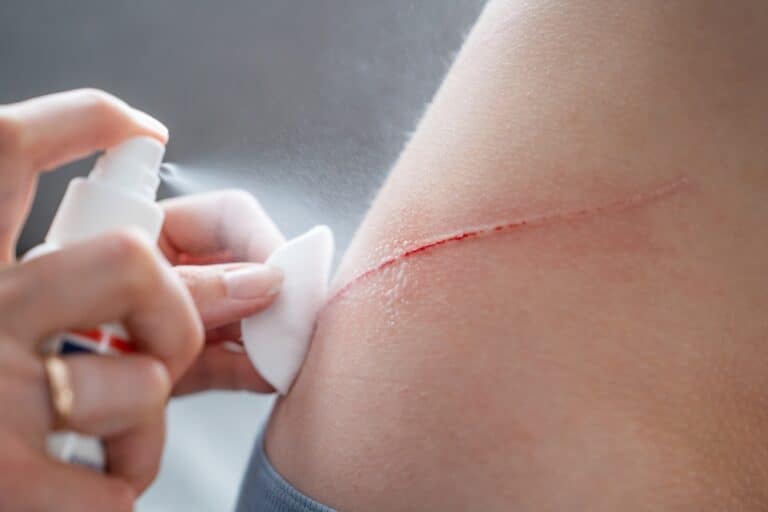

Introduction
If you’ve been researching scar tissue treatment, you’ve probably run into a common assumption: regenerative therapies only work on “fresh” scars, and once a scar is old, you’re stuck with it. It’s one of the most frequent questions we hear at clinics offering stem cell therapy Bangkok Thailand patients travel for and the honest answer is more nuanced than a simple yes or no.
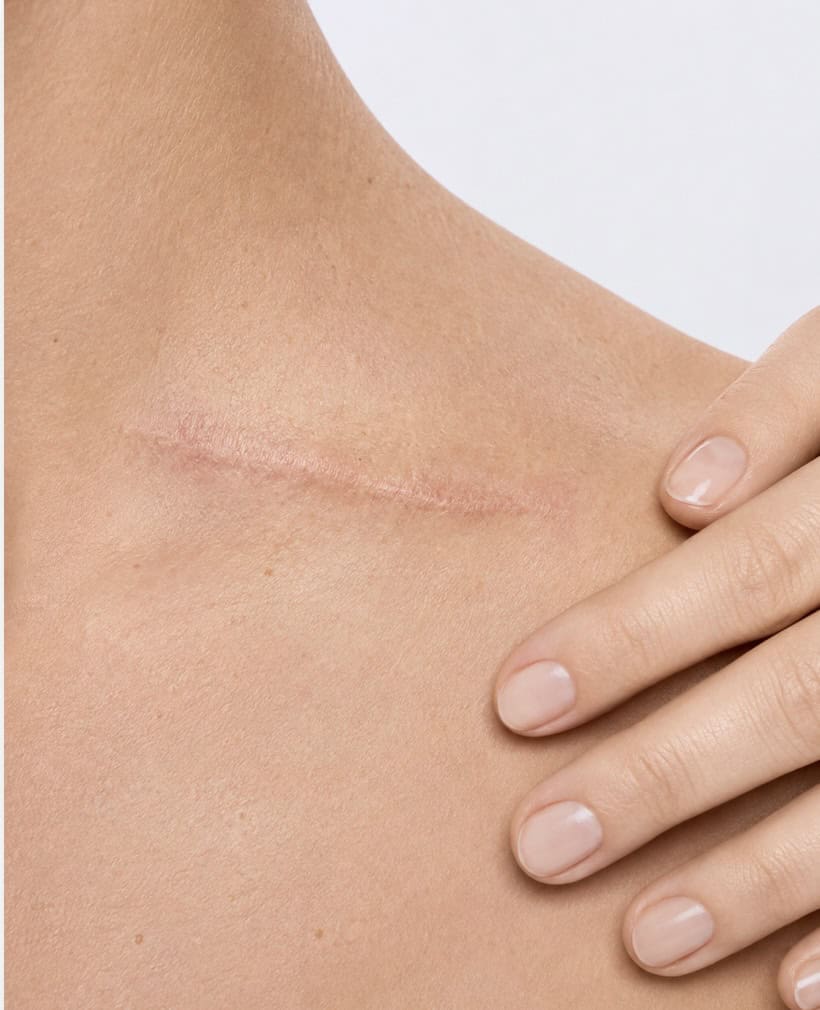
This article breaks down the real science behind scar age, explains why early intervention matters, and tells you exactly what’s still possible on a scar that’s five, ten, or even twenty years old.
Why Scar Age Matters in Scar Tissue Treatment
Every scar goes through a biological timeline. Understanding this timeline is the key to understanding what any scar tissue treatment including stem cell therapy can realistically achieve.
The Three Phases of Scar Formation
- Inflammatory phase (days 1–7): The body sends immune cells and growth factors to the wound.
- Proliferative phase (weeks 2–6): Collagen production ramps up, new blood vessels form, and the tissue is highly active.
- Remodeling / maturation phase (months 3–24): Collagen fibers reorganize, the scar changes color, and tissue stiffness settles into what will become its long-term structure.
This is why the maturation window matters so much when planning stem cell therapy Bangkok Thailand patients ask about the tissue is chemically and structurally “listening” far more during this window than it will be later.
The Maturation Window: Why Early Intervention Gives the Most Change
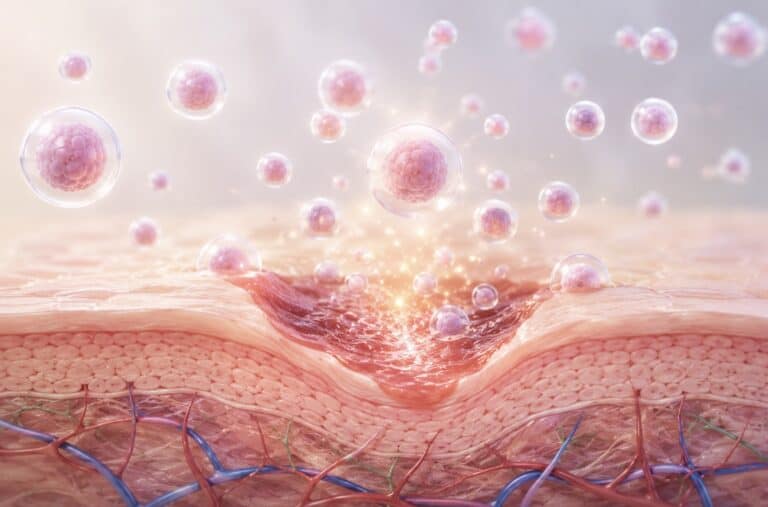
During the remodeling phase, collagen continues to form and strengthen. At this stage, regenerative signals, such as those from stem cell-based scar treatments, can have a real impact on:
- How collagen fibers line up, whether they are organized or disorganized
- How much the scar tightens or sticks to the tissue underneath
- The final amount of blood vessels and color in the scar
- How thick the scar is and whether it is raised or flat
Treating the scar during this 3- to 24-month period gives you the best chance of improving it. This is not just a sales pitch; it is based on the tissue’s activity during this time. If you are considering stem cell therapy in Bangkok, Thailand for a recent injury, surgery, or burn, this is the time to start.
What Happens After the Window Closes
After about two years, a scar is usually considered “mature.” By this point, the collagen has formed a stable and less reactive structure. While this makes some changes harder, it does not mean improvement is impossible. The ways a scar can change just become different.
So What About an Old Scar? What’s Actually Still Achievable
This is the part most articles skip. A mature scar is not a lost cause for scar tissue treatment it’s a different treatment goal.
Pliability
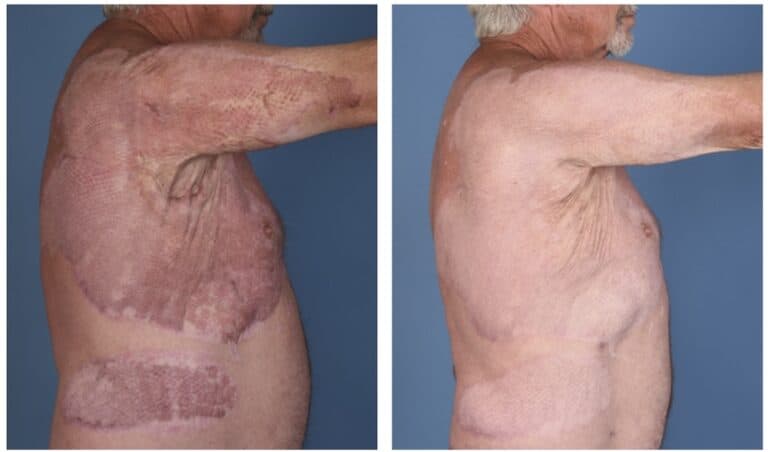
Old scars often feel stiff or tight because the collagen fibers are packed closely together. Regenerative treatments, such as targeted stem cell therapy in Bangkok, Thailand, can help remodel the area. This process can make the scar softer and improve how the tissue moves and stretches.
Colour
Hyperpigmented or hypopigmented old scars can still respond to treatments that influence local blood supply and melanocyte activity, gradually blending scar color closer to surrounding skin tone.
Texture
Surface irregularities such as depressed, pitted, or uneven scars can show real texture improvement when regenerative signals help produce new dermal matrix beneath the scar tissue.
Tethering
Scars that pull on deeper tissue layers, known as tethering, can sometimes be released and softened with regenerative scar tissue treatment. This can work even years after the injury, but the improvement is usually less noticeable than changes in texture or color.
What’s Typically Harder to Change on an Old Scar
- Complete flattening of a significantly raised (keloid or hypertrophic) scar
- Fully restoring original skin architecture (hair follicles, sweat glands)
- Total color match in cases of deep pigment loss
Being upfront about these limits is part of responsible scar tissue treatment counseling and it’s exactly what a transparent stem cell therapy Bangkok Thailand provider should walk you through before any procedure.
Stem Cell Therapy vs. Surgical Scar Revision
A common alternative to regenerative scar tissue treatment is surgical scar revision. Here’s how the two compare.
How Surgical Revision Works
Surgical scar revision involves cutting and closing the scar again to create a thinner, less noticeable line. This process restarts the wound-healing clock, so the tissue goes through the inflammatory and proliferative phases once more.
How Regenerative Stem Cell Approaches Work
Rather than re-wounding the tissue, stem cell therapy Bangkok Thailand approaches work by delivering regenerative signals into the existing scar, encouraging the body’s own remodeling processes without full surgical re-incision.
Key Differences
Factor | Surgical Revision | Stem Cell-Based Scar Tissue Treatment |
Invasiveness | High (new incision) | Low to moderate |
Downtime | Days to weeks | Minimal |
Risk of new scarring | Present (new incision) | Low |
Best for | Wide, poorly-positioned, or contracted scars | Pliability, color, texture, mild tethering |
Combinable | Often paired with regenerative therapy afterward | Can precede or follow surgery |
When Combining Both Makes Sense
For older, more severe scars, many patients choose a staged approach: surgical revision to correct scar width or position, followed by regenerative scar tissue treatment during the new maturation window to optimize the final result. This combined pathway is increasingly common among stem cell therapy Bangkok Thailand clinics working alongside plastic surgeons.
Key Takeaways on Scar Age and Treatment Planning
- New scars (within 24 months): Highest potential for change this is the ideal window for scar tissue treatment.
- Old scars (beyond 24 months): Pliability, color, texture, and mild tethering remain realistically achievable.
- Severely raised or contracted old scars: Surgical revision may be needed first, often combined with regenerative therapy afterward.
- Realistic expectations matter: A qualified stem cell therapy Bangkok Thailand provider should assess your specific scar type, age, and location before recommending a treatment path.
Frequently Asked Questions
Is it too late to treat a scar that's 10 years old?
No. While the ideal maturation window has passed, pliability, color, and texture improvements are still commonly achievable with regenerative scar tissue treatment.
How many sessions does old-scar treatment usually take?
This varies by scar type and depth, but multiple sessions are typically needed for mature scars compared to fresh ones, since the tissue responds more slowly.
Can stem cell therapy replace surgery for a severe old scar?
Not always. For heavily contracted or very wide scars, surgical revision may still be the more effective first step, with regenerative therapy used to enhance the final outcome.
Choosing a Clinic for Stem Cell Therapy for Hair Loss
Clinics offering stem cell therapy Bangkok Thailand patients travel for should be running and showing trichoscopic assessment as a standard part of consultation, not an optional add-on. If a provider is willing to quote a protocol for stem cell therapy for hair loss before examining the scalp under magnification, that’s worth noticing. The honest answer to “will this work at my stage” starts with a dermatoscope, not a treatment menu.
The Bottom Line
The honest version of this conversation isn’t a sales narrative. A patient with genuinely active, structurally intact miniaturization is a fundamentally different candidate for stem cell therapy for hair loss than a patient with years of established, empty follicular units and offering the same regenerative protocol to both, without distinguishing between them first, sets up the second patient to be disappointed by a treatment that was never going to work on tissue that wasn’t there anymore.

The Vega Derma Medical Team consists of board-certified dermatologists, specialized trichologists, and clinical researchers based in Bangkok, Thailand. Our team specializes in evidence-based regenerative dermatology, complex tissue repair, and advanced hair restoration (including precision FUE and FSE). Every protocol and article we publish is medically reviewed to ensure it meets international clinical standards, providing safe, science-backed guidance for our local and international patients.