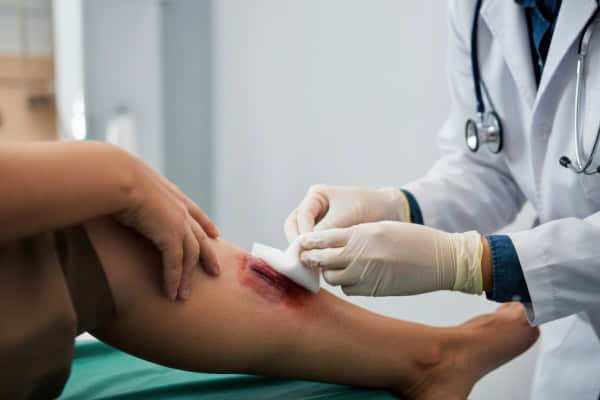

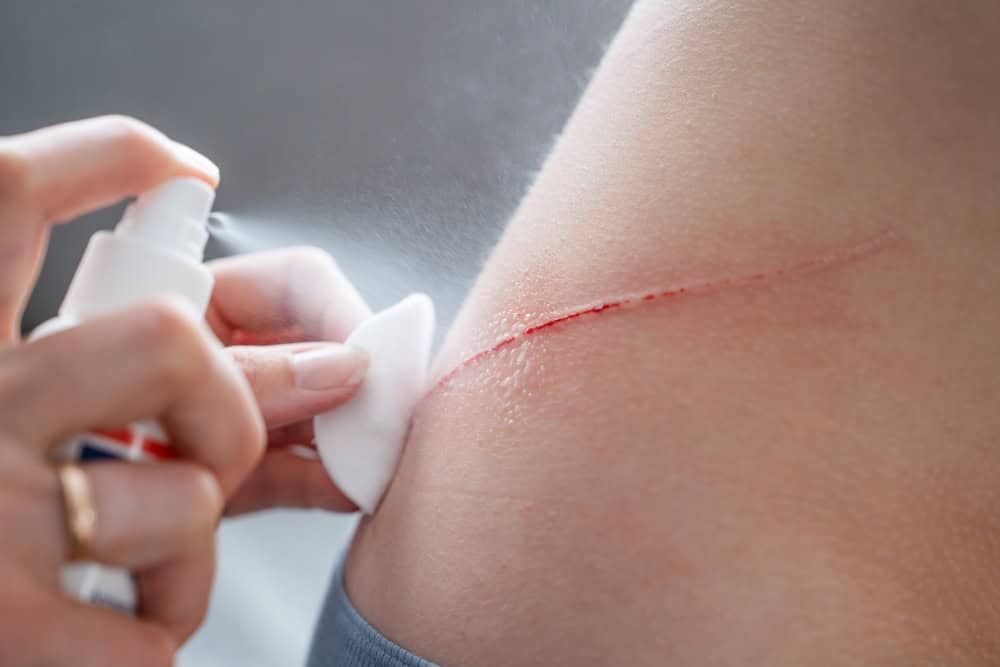
It’s common to get small cuts, scrapes, and skin injuries, and most will mend themselves. Your body’s natural healing process involves clotting, cleaning, and rebuilding, so in one to two weeks, the wound will likely be forgotten.
The challenge lies in identifying when an injury is becoming a concern. While the signs might be faint, they could point to an underlying condition. This guide explains what to look for.
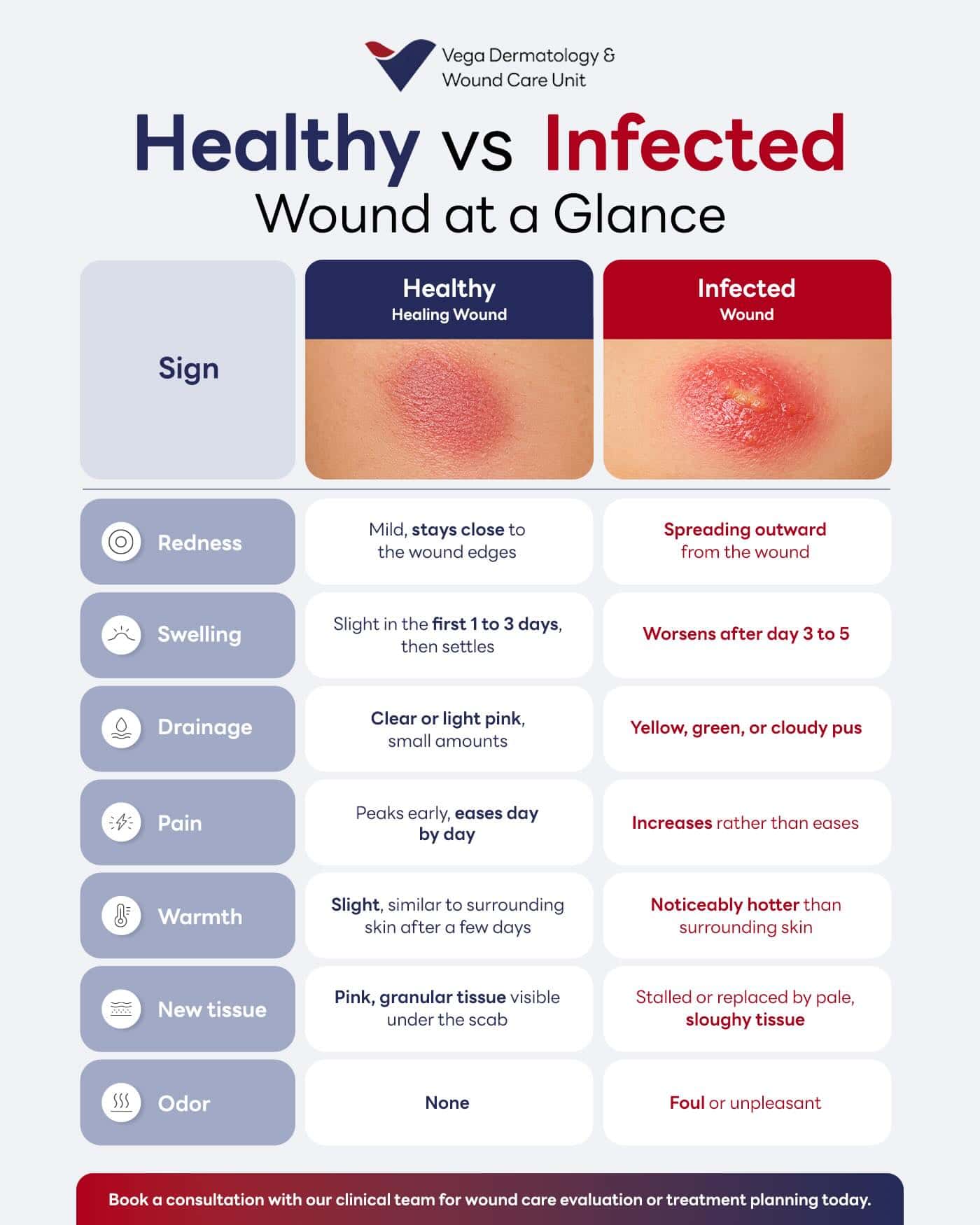
What A Healthy Healing Wound Looks Like
In the first day or two, a wound may look and feel slightly worse before it gets better. Signs of normal healing include:
- Mild redness along the wound edges, not spreading outward
- Slight warmth and swelling as your immune system responds
- Clear or light pink drainage in small amounts
- Pain that eases day by day, with swelling settling by day three or four
- New tissue forming under the scab, often pink, slightly bumpy, and slightly raised (granulation tissue)
Behind the scenes, wound healing moves through four overlapping phases:
- Hemostasis: When bleeding stops
- Inflammation: Immune cells clean the wound
- Proliferation: New tissue and blood vessels form
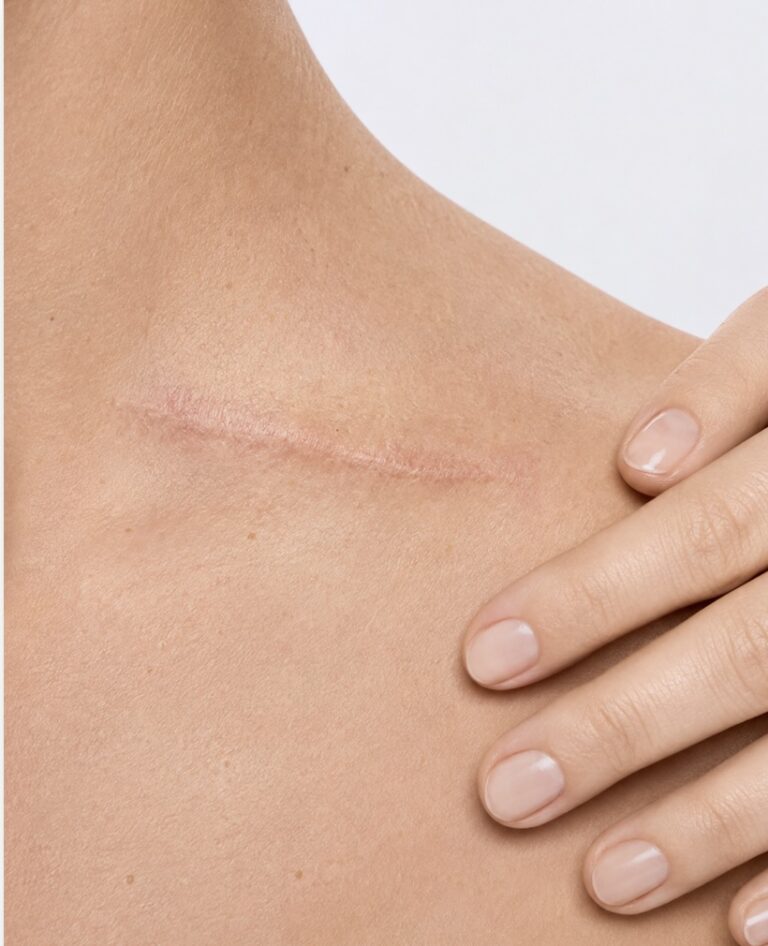
- Remodeling: The scar strengthens and matures
Most acute wounds finish that whole process within 4 to 6 weeks.
Signs of An Infected Wound
Common signs of infection include:
- Redness that spreads outward from the wound edges rather than staying contained
- Swelling that worsens after the first few days instead of settling
- Warmth that feels hotter than the surrounding skin
- Yellow, green, or cloudy pus, especially with a foul odor
- Increasing pain or tenderness when it should be improving
- Delayed healing, where the wound stalls or looks the same day after day
Some symptoms are more serious. They may point to an underlying infection that has moved beyond the skin itself. Seek medical attention if you notice:
- Fever or chills
- Red streaks extending from the wound toward the trunk of the body
- Swollen, tender lymph nodes near the wound
- Feeling generally unwell, fatigued, or lightheaded
How Wound Infections Develop
Common causes include bacteria entering through broken skin, poor wound hygiene, dressings that go too long between changes, and foreign material left in the wound (such as dirt, splinters, or glass).
Certain conditions and habits may increase your risk of an infected wound:
- Diabetes impairs immune response and slow tissue repair
- Poor circulation in the lower legs and feet
- Weakened immune system from illness or medications
- Smoking reduces oxygen delivery to healing tissue
- Larger or deeper wounds where more tissue is exposed
- Wounds on the lower legs or feet face more mechanical stress
How To Care For A Wound At Home
- Wash your hands before touching the wound or changing the dressing
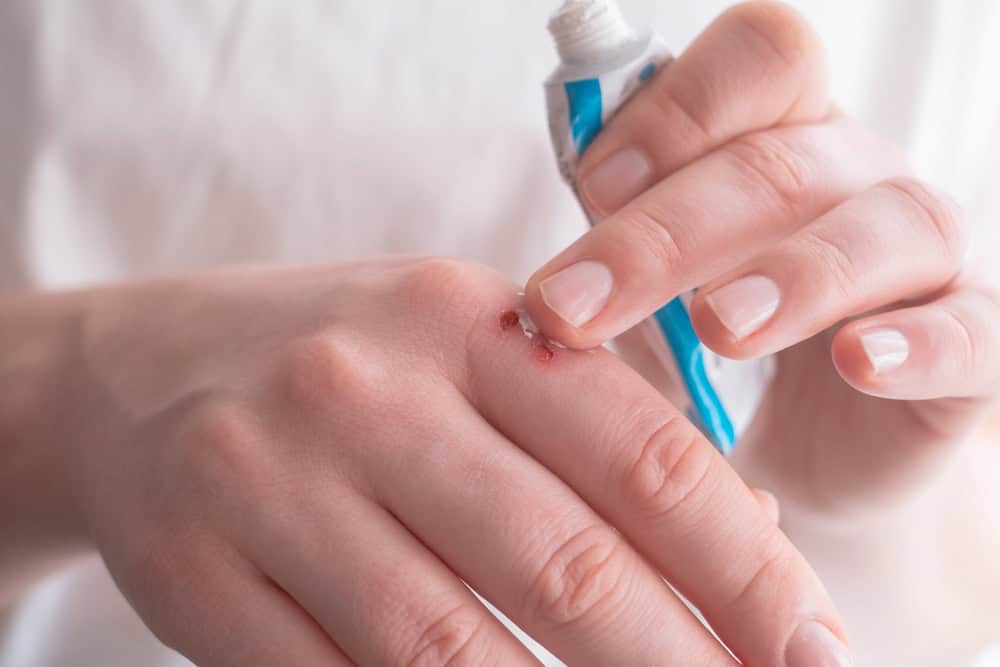
- Rinse the wound gently with clean running water; you don’t need hydrogen peroxide or iodine, which can irritate healthy tissue
- Keep it covered with an appropriate dressing to keep it clean and moist
- Change dressings as recommended, or sooner if they get wet, dirty, or saturated
- Watch for change daily; healing should trend better, not worse
What Not To Do
- Don’t pick at scabs or peel dressings roughly. Both interrupt the tissue rebuilding underneath.
- Don’t over-clean with harsh antiseptics day after day. It slows healing.
- Don’t ignore worsening symptoms hoping they’ll settle. Early attention beats late intervention every time.
- Don’t leave foreign material in the wound. If you can’t remove it safely, get a professional assessment.
When To See A Doctor
See a healthcare professional if any of the following apply to you:
- Redness that continues to spread.
- Pus develops, especially yellow, green, or foul-smelling drainage.
- Pain becomes more severe.
- The wound isn’t improving after several days of proper care.
- You develop fever, chills, or red streaks.
- If you live with diabetes or poor circulation.
- The wound is deep, gaping, or from a bite or dirty object.
When A Wound Becomes Chronic
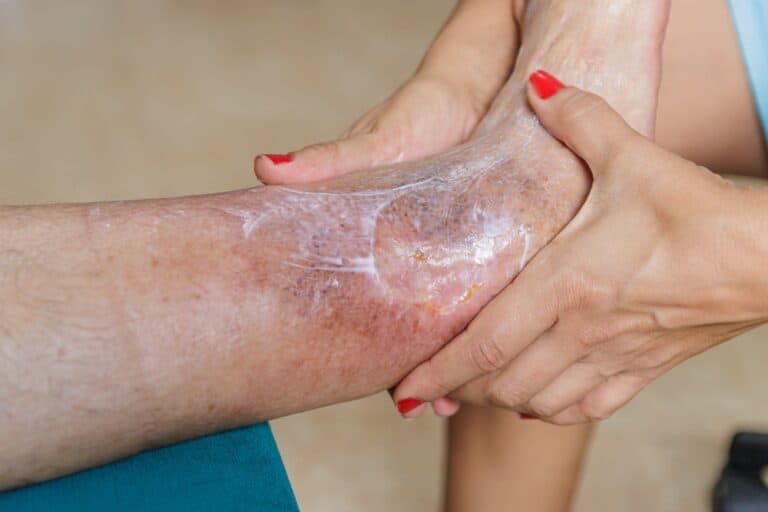
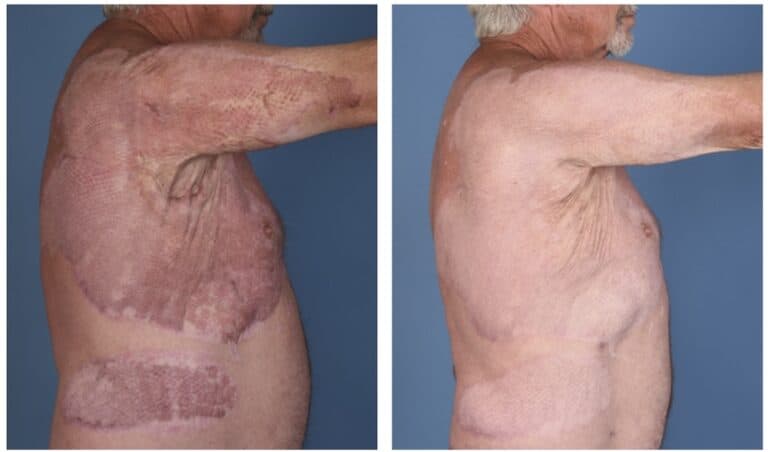
Chronic wounds are those that remain open for approximately 4 to 6 weeks, even with regular treatment. The wound becomes trapped in the inflammatory phase, experiencing recurrent infections and slow healing rather than progressing to closure.
Common reasons include:
- Persistent infection that keeps the wound inflamed.
- Poor blood supply, especially in the lower legs.
- Ongoing pressure or friction on the wound site.
- Underlying medical conditions like diabetes or venous disease.
- Long-term inflammation from unresolved causes.
Once a wound has stalled, general first-aid rarely closes it. It usually requires professional chronic wound care treatment that correctly identifies the factors that are delaying healing.
At Vega Dermatology & Wound Care Unit, every case starts with an assessment by our qualified physicians to identify what’s blocking healing, whether that’s circulation, infection, glycemic control, tissue quality, or a combination of them.
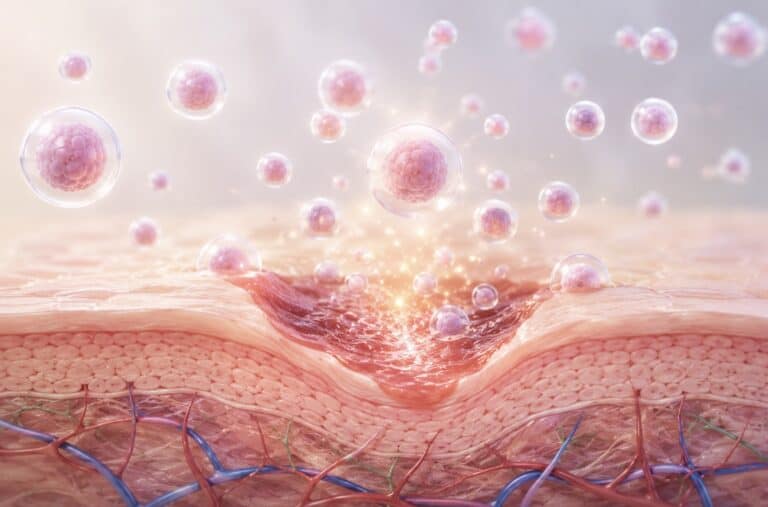
Advanced care may include growth factor support strategies under medical supervision. We use targeted bio-signals like VEGF and PDGF, which are proteins your body naturally uses to grow new blood vessels and skin tissue, to help jumpstart healing in areas where circulation or repair has stalled.
This is especially helpful for individuals with diabetic wounds, those needing surgical repair, or patients whose wounds aren’t healing with standard treatments. Schedule a consultation with our clinical team for a wound care assessment or treatment plan.
References:
- Wound Healing Phases. Retrieved November 7, 2026, from https://www.ncbi.nlm.nih.gov/books/NBK470443/
- Physiology, Wound Healing. Retrieved November 7, 2026, from https://www.ncbi.nlm.nih.gov/books/NBK535406/
- Wound Assessment. Retrieved November 7, 2026, from https://www.ncbi.nlm.nih.gov/books/NBK482198/
- How wounds heal. Retrieved November 7, 2026, from https://medlineplus.gov/ency/patientinstructions/000741.htm

The Vega Derma Medical Team consists of board-certified dermatologists, specialized trichologists, and clinical researchers based in Bangkok, Thailand. Our team specializes in evidence-based regenerative dermatology, complex tissue repair, and advanced hair restoration (including precision FUE and FSE). Every protocol and article we publish is medically reviewed to ensure it meets international clinical standards, providing safe, science-backed guidance for our local and international patients.