
Key Takeaways:
- Non-surgical hair restoration works by rescuing follicles that are still alive but shrinking. It cannot bring back follicles that have already scarred over or died.
- Topical minoxidil is the only pharmacological treatment approved by the US FDA for pattern hair loss in both men and women, and oral finasteride is approved for men. Everything else sits somewhere on a spectrum from strongly supported adjunct to genuinely experimental.
- Combination protocols consistently outperform single treatments. In one meta-analysis of seven randomised trials, a topical minoxidil plus finasteride combination beat minoxidil alone on hair density, hair diameter, and global photographic assessment.
- You will not see a fair result before month three, and month six is the earliest honest checkpoint. Early shedding after starting minoxidil is expected and is not treatment failure.
- Diagnosis has to come first. Pattern hair loss, telogen effluvium, thyroid-related shedding, and scarring alopecia look similar to a patient and are treated completely differently.
- If your hair loss is patchy, itchy, painful, or leaving shiny smooth skin with no visible pore openings, stop shopping for treatments and get a scalp examination. That pattern suggests a scarring process where delay costs you follicles permanently.
What “hair regrowth therapy” actually means
The phrase gets used loosely, so it is worth being precise.
Hair restoration therapy covers everything a clinic can do to increase the amount of visible hair on your scalp. That splits into two very different categories.
- Surgical restoration moves follicles. A hair transplant relocates follicular units from an area that is genetically resistant to hair loss, usually the back and sides, into an area that has thinned. It redistributes what you already have.
- Non-surgical hair restoration does not move anything. It tries to change the biological environment around follicles that are still present but underperforming, so they produce thicker, longer, more pigmented hair again.
That distinction matters more than any brand name or device, because it determines whether you are even a candidate. Non-surgical hair regrowth treatment only has something to work with when living follicles remain in the thinning area. Once a follicle has been destroyed and replaced by fibrous tissue, no serum, injection, or laser cap is bringing it back.
If you want the biology behind that in more depth, including how to tell whether your own follicles are still viable, we cover it separately in our guide to follicle repair therapy.
Before any treatment: get the diagnosis right
This is the step patients most often skip, and it is the step that wastes the most time and money.
Several conditions produce thinning hair, and they respond to entirely different things:
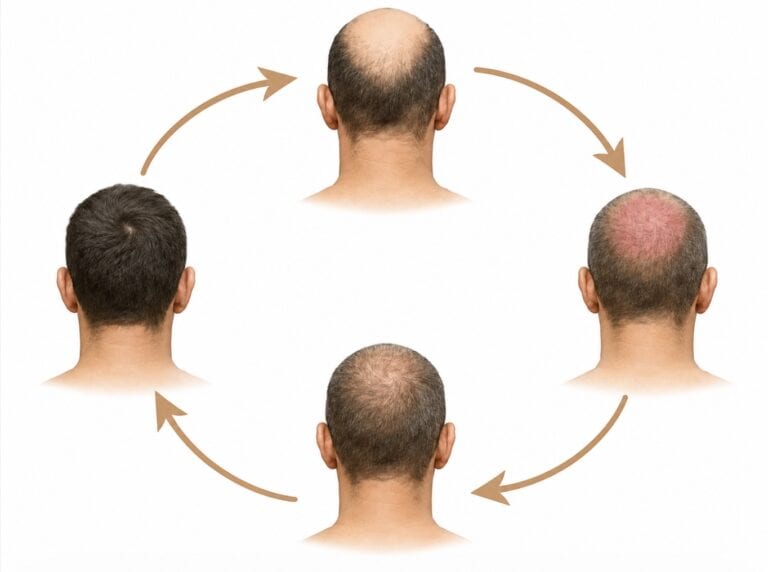
- Androgenetic alopecia (pattern hair loss) is progressive miniaturisation driven by androgen sensitivity in genetically predisposed follicles. It affects roughly half of men by age 50, with comparable rates reported in Asian populations.
- Telogen effluvium is a diffuse shed triggered by illness, surgery, childbirth, crash dieting, iron deficiency, or severe stress, typically two to three months after the trigger. It usually resolves once the trigger is corrected.
- Thyroid disease, iron deficiency, and certain medications can each drive shedding that no topical will fix while the underlying cause remains.
- Cicatricial (scarring) alopecia, including lichen planopilaris and frontal fibrosing alopecia, destroys the follicle permanently. Here, the priority is stopping active inflammation, not stimulating growth.
- Traction alopecia from tight styling is reversible early and permanent late.
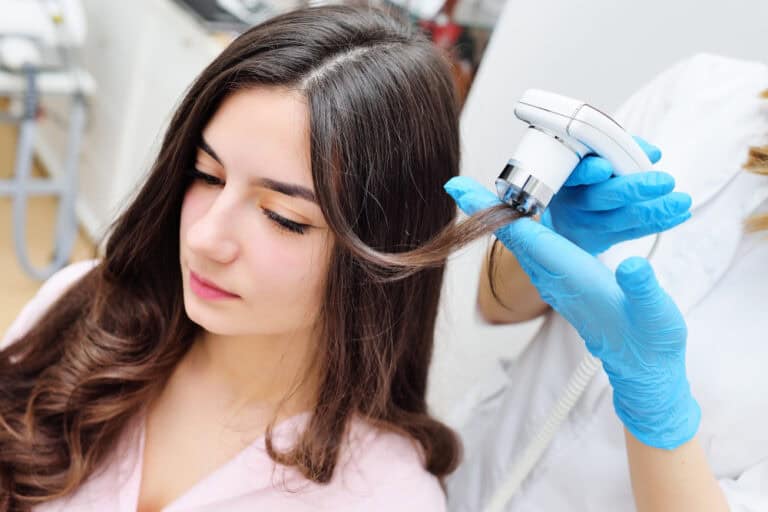
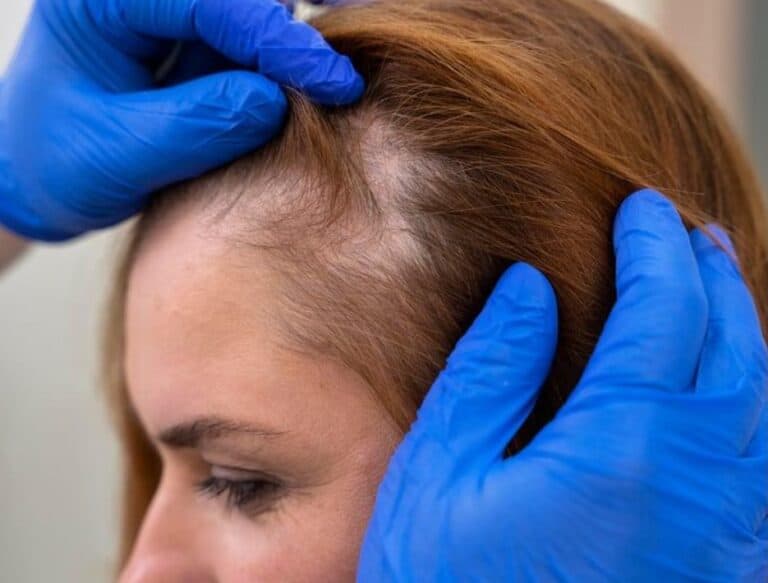
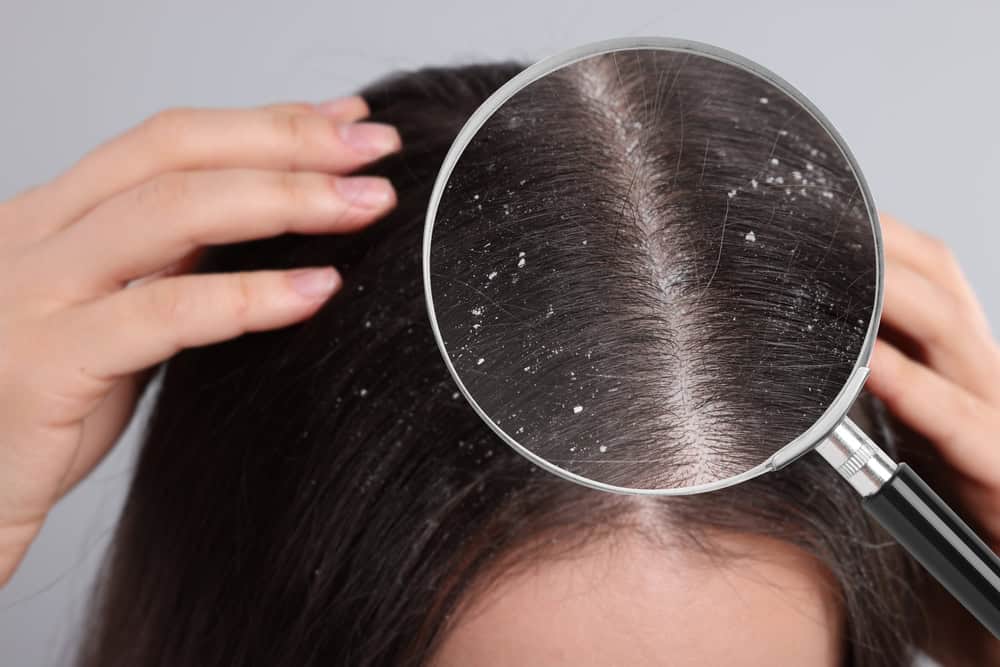
A proper assessment should include a history, a scalp and hair examination, trichoscopy (magnified imaging of the scalp surface and follicular openings), and where indicated, blood work. A trichoscope tells your doctor whether follicular openings are still present, whether hair shaft diameters are varying (a hallmark of miniaturisation), and whether there is inflammation or scarring. Those findings decide the treatment plan.
If a clinic quotes you a package before it has looked at your scalp under magnification, that is a commercial process, not a medical one.
What the evidence actually supports
It helps to sort options into tiers rather than treating them as an equal menu.
Tier 1: Proven first-line therapy
- Topical minoxidil. Minoxidil remains the first-line therapy in most clinical scenarios because of its safety profile and established efficacy, and randomised trials show 5% formulations consistently increase hair counts. Results vary between individuals, partly because minoxidil is a prodrug that must be converted by follicular sulfotransferase enzymes, and enzyme activity differs from person to person. That is one reason two people on identical products get different outcomes.
- Oral finasteride (men). A 5-alpha-reductase inhibitor that reduces conversion of testosterone to dihydrotestosterone (DHT), the androgen that drives miniaturisation. Current evidence indicates finasteride is safe, though sexual side effects are reported in a minority of users and should be discussed openly before starting. It is not used in women of childbearing potential due to teratogenicity.
- Low-dose oral minoxidil (LDOM). An off-label but increasingly mainstream option for patients who respond poorly to topical therapy or cannot tolerate it. A recent international expert consensus went as far as considering oral minoxidil an optimal first-line therapy for both men and women. Hypertrichosis (unwanted hair growth elsewhere) is the most common side effect, and cardiovascular events are uncommon at low doses. This requires medical supervision and is not a self-prescribe treatment.
Tier 2: Supported adjuncts
- Low-level laser therapy (LLLT). Red light devices that appear to work by stimulating mitochondrial activity in follicular stem cells. A systematic review and meta-analysis of FDA-cleared home-use devices found a significant increase of 19.8 hairs per cm² in the treated group versus a decrease of 7.6 hairs per cm² in the sham group. Useful as an add-on, not as a standalone rescue for advanced loss.
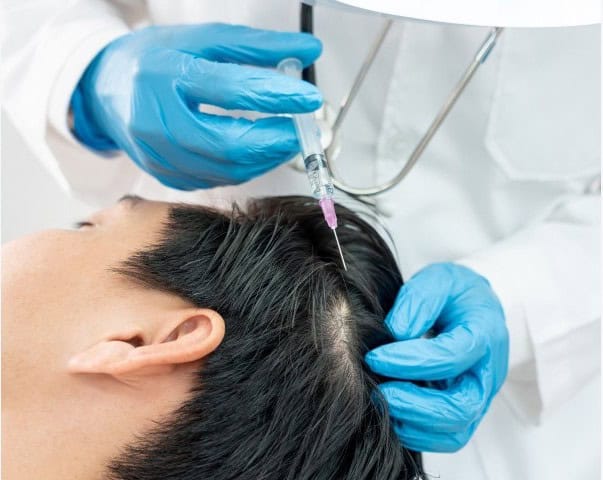
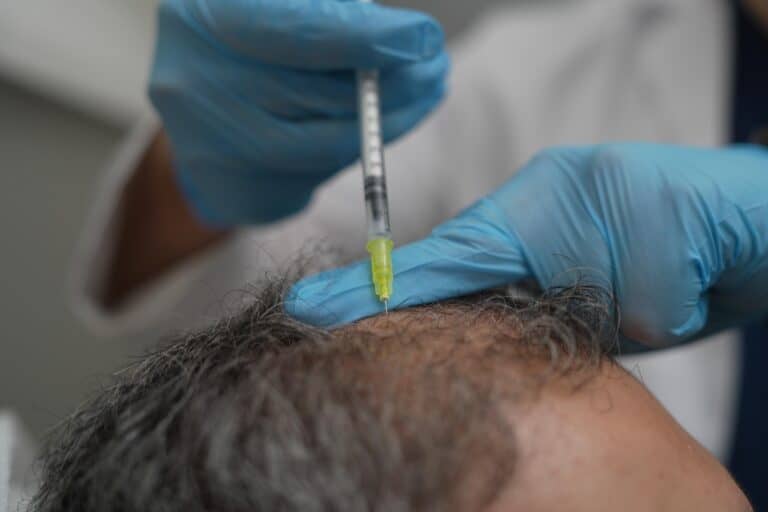
- Platelet-rich plasma (PRP). Your own blood is centrifuged to concentrate platelets and their growth factors, then injected into the scalp. In a systematic review of clinical trials in androgenetic alopecia, 84% of studies reported a positive effect. The caveat is real and worth stating: preparation protocols, platelet concentrations, and injection schedules vary widely between clinics, which makes results harder to predict and harder to compare.
- Microneedling. Controlled micro-injury that appears to improve topical absorption and stimulate growth factor signalling. Most of the useful evidence is for microneedling combined with minoxidil or PRP rather than alone.
Tier 3: Regenerative and signalling-based approaches
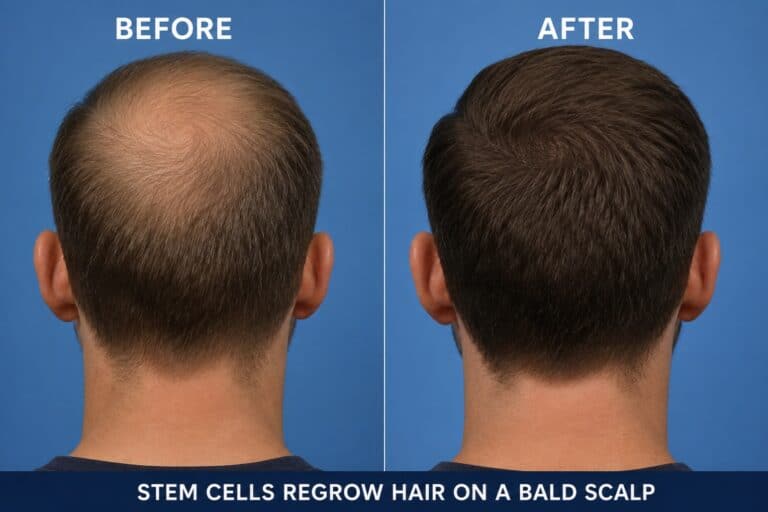
This is the category most patients are actually searching for when they type “stem cell therapy for hair loss” into Google, and it is also the category with the widest gap between marketing and evidence. It is worth understanding what sits underneath the label, because several very different things get sold under the same three words.
- Live-cell injection means culturing and injecting actual cells. This is the most heavily regulated end of the field, the least standardised, and the one with the least published clinical data in pattern hair loss.
- Autologous micrografting takes a small sample of your own tissue and processes it into a cell suspension for reinjection.
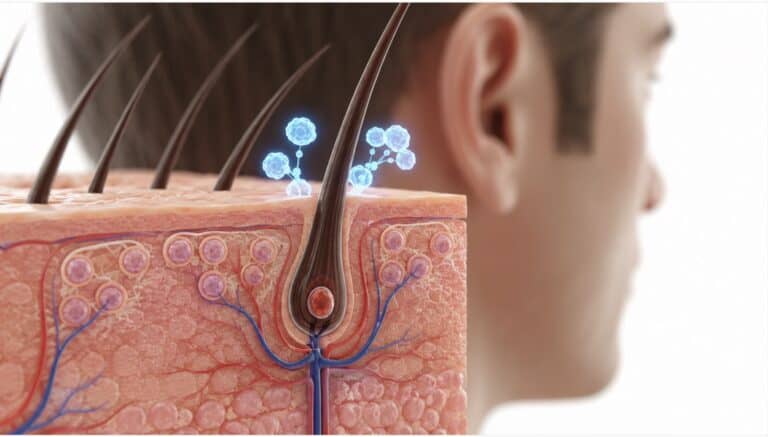
- Secretome and conditioned media approaches do not inject cells at all. They deliver the signalling molecules that regenerative cells produce, which is a meaningfully different proposition in terms of both regulation and risk profile.
- Isolated exosomes are a further refinement of that idea.
The distinction matters clinically. There is a plausible biological rationale for signalling-based approaches, and platelet-derived growth factor signalling in particular has been shown in experimental models to be crucial for hair follicle dermal stem cell function. What does not yet exist is the volume of large randomised trial data that sits behind minoxidil and finasteride.
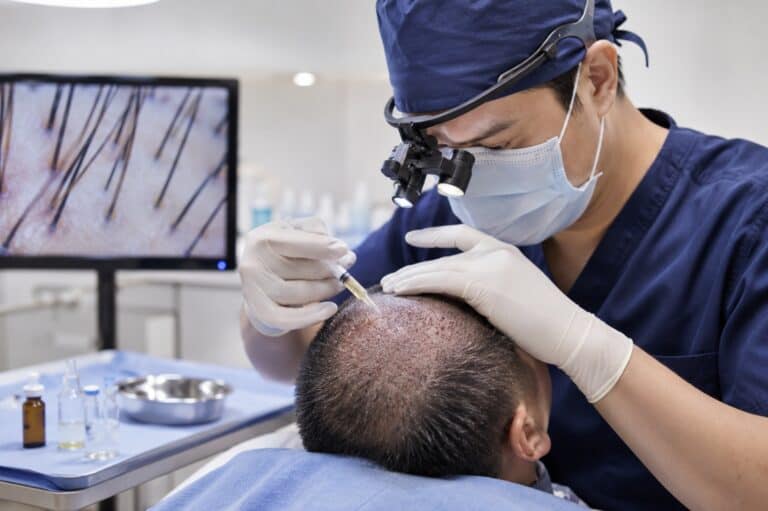
Our own hair follicle stem cell therapy in Thailand protocol, which we call Follicular Signaling Enhancement, sits in the secretome category rather than the live-cell one. It delivers a concentrated collection of bio-active signalling molecules to the follicular environment under physician supervision, with progress tracked by trichoscopy and digital follicular mapping rather than by impression. Our broader stem cell therapy for hair loss programme pairs that signalling with scalp environment preparation, because signalling molecules cannot reach the follicular bulb through scaling, heavy sebum, or untreated seborrhoeic dermatitis.
We describe these as regenerative adjuncts, and we think any clinic offering them owes you the same clarity: tell you which of the four categories above you are actually buying, explain that the long-term data is still developing, and never price an emerging therapy as though it carried the evidence base of an approved drug.
Treatment comparison at a glance
Therapy | Evidence level | Best suited to | Typical schedule | When you can judge it |
|---|---|---|---|---|
Topical minoxidil 5% | Strong (FDA approved) | Early to moderate pattern loss, men and women | Twice daily, ongoing | 4 to 6 months |
Oral finasteride 1mg | Strong (FDA approved, men) | Male pattern loss, crown and mid-scalp | Daily, ongoing | 6 to 12 months |
Low-dose oral minoxidil | Growing, off-label | Poor topical responders, adherence issues | Daily, ongoing, supervised | 6 months |
LLLT device | Moderate (RCT and meta-analysis) | Adjunct to medical therapy | 3 to 4 sessions weekly | 6 months |
PRP | Moderate, protocol-dependent | Adjunct, early to moderate loss | 3 to 4 initial sessions, then maintenance | 6 months |
Microneedling | Moderate, mostly as combination | Adjunct to topicals | Every 2 to 4 weeks initially | 4 to 6 months |
Exosome / growth factor therapy | Emerging | Discuss case by case | Varies widely | Not well established |
Why combinations beat single treatments
Pattern hair loss has more than one mechanism behind it. Androgen signalling shrinks the follicle. Blood supply and growth factor availability influence how well the follicle can support a growing hair. Perifollicular fibrosis, a low-grade scarring around the follicle, gradually stiffens the environment the follicle sits in.
Treating one mechanism while ignoring the others limits what you can achieve. The clinical data reflects this. In a meta-analysis of seven randomised controlled trials, topical minoxidil-finasteride combination therapy produced clinically meaningful improvements over minoxidil alone across hair density, hair diameter, and global photographic assessment. Reviews of PRP similarly report better outcomes when it is combined with minoxidil, microneedling, or laser therapy rather than used alone.
This is also why a credible plan is layered: a medical backbone that runs continuously, plus procedural adjuncts on a schedule, plus correction of any nutritional or hormonal contributor found on testing.
A realistic timeline
Patients quit good treatments early because nobody told them what normal looks like.
- Weeks 2 to 8. You may shed more than usual after starting minoxidil. This happens because the drug pushes resting follicles into a new growth phase, and the old hair has to be released first. It is uncomfortable and it is expected.
- Months 3 to 4. Shedding settles. You may notice fine, short, colourless hairs at the hairline or part. Those are new anagen hairs, and they are the first honest sign of response.
- Month 6. The first fair assessment point. Standardised photography under the same lighting and the same part line is the only reliable way to judge this, because daily mirror checks are useless for detecting a 10% density change.
- Months 9 to 12. Peak visible benefit for most non-surgical protocols.
- Beyond 12 months. Maintenance. Pattern hair loss is progressive. Stopping treatment means returning, over the following six to twelve months, to the trajectory you would have been on without it. This is the single most important thing to understand before you start.
When non-surgical therapy is not the right answer
An honest clinic will tell you when to stop spending on regrowth and consider something else:
- Large areas of completely smooth scalp with no visible follicular openings under trichoscopy
- Long-standing Norwood 5 or above with no miniaturised hairs remaining in the bald zone
- Established scarring alopecia, where treatment shifts to controlling inflammation
- Alopecia from burn injury or trauma, where the follicular unit and surrounding tissue have been destroyed and the discussion is about tissue quality and reconstruction rather than stimulation
In these cases, medical therapy may still have a role in protecting the hair you have while hair transplantation or reconstructive options are considered for the areas that are already lost. Where hair loss sits over a burn, graft, or old surgical scar, the tissue itself usually needs assessing first, which is work that belongs with a unit handling scar and tissue remodeling alongside hair.
What to ask before you commit
- What is my specific diagnosis, and what did you see on trichoscopy?
- Which parts of my plan are FDA-approved, which are supported adjuncts, and which are emerging?
- What happens if I stop after a year?
- How will we measure whether this is working, and on what date?
- What are the side effects, and what is the plan if I get them?
- Who performs the procedures, and what are their credentials?
How non-surgical hair restoration works at Vega
Our hair programme in Bangkok is built around one principle: find out what is still viable before treating anything.
Every plan starts with a medical assessment and high-magnification trichoscopy, because follicular density, terminal-to-vellus hair ratio, and signs of perifollicular inflammation are what decide whether regrowth is realistic in a given zone. From there, treatment usually falls into one of three routes, or a combination:
- Stem cell therapy for hair loss, our Hair & Scalp Regeneration programme, which prepares the scalp environment first and then delivers bio-active secretome signalling to address microcirculation, chronic micro-inflammation, and follicular dormancy. Visible changes in density and shaft thickness typically appear from three to six months.
- Hair follicle stem cell therapy in Thailand, our Follicular Signaling Enhancement protocol, used either as a standalone option for early to moderate thinning or as a peri-operative adjunct to support graft survival.
- Hair transplantation where density has already gone and redistribution is the only way to restore coverage.
Progress is documented with the same trichoscopy imaging at every visit, plus digital follicular mapping and scalp biomarker grading, so improvement is measured against a fixed baseline rather than estimated. You can review our medical team and see documented outcomes in our case studies.
We will also tell you when we do not think treatment is worth your money. That conversation happens at consultation, before any plan is quoted.
Frequently Asked Questions
References:
- Zheng Y, et al. Comparing minoxidil-finasteride mixed solution with minoxidil solution alone for male androgenetic alopecia: a systematic review and meta-analysis of randomized controlled trials. PMC. https://www.ncbi.nlm.nih.gov/pmc/articles/PMC12537375/
- Expanding the therapeutic landscape of minoxidil for androgenetic alopecia: topical, oral and sublingual formulations. PMC. https://www.ncbi.nlm.nih.gov/pmc/articles/PMC12898826/
- Treatment of androgenetic alopecia with low-dose oral minoxidil monotherapy compared with combination therapy with dutasteride or finasteride. Journal of the American Academy of Dermatology. https://www.jaad.org/article/S0190-9622(25)00154-9/abstract
- Kanti V, Messenger A, Dobos G, et al. Evidence-based (S3) guideline for the treatment of androgenetic alopecia in women and in men, short version. J Eur Acad Dermatol Venereol. https://pubmed.ncbi.nlm.nih.gov/29178529/
- Expert Consensus Offers Guidance for Treating Androgenetic Alopecia. AJMC. https://www.ajmc.com/view/expert-consensus-offers-guidance-for-treating-androgenetic-alopecia
- Gupta AK, et al. Guidelines on the use of finasteride in androgenetic alopecia. Indian J Dermatol Venereol Leprol. https://pubmed.ncbi.nlm.nih.gov/26924401/
- Gentile P, Garcovich S. Systematic Review of Platelet-Rich Plasma Use in Androgenetic Alopecia Compared with Minoxidil, Finasteride, and Adult Stem Cell-Based Therapy. PMC. https://www.ncbi.nlm.nih.gov/pmc/articles/PMC7216252/
- A Systematic Review and Meta-analysis of Randomized Controlled Trials of FDA-Approved, Home-use, Low-Level Light/Laser Therapy Devices for Pattern Hair Loss. J Clin Aesthet Dermatol. https://pubmed.ncbi.nlm.nih.gov/34980962/
- Gentile P, Garcovich S. The Effectiveness of Low-Level Light/Laser Therapy on Hair Loss. Facial Plast Surg Aesthet Med. https://journals.sagepub.com/doi/10.1089/fpsam.2021.0151
- Updates in Treatment for Androgenetic Alopecia. Annals of Dermatology. https://anndermatol.org/DOIx.php?id=10.5021%2Fad.25.042
Medical Disclaimer: This article is intended for general educational purposes and does not constitute medical advice, diagnosis, or treatment. Hair loss can be a sign of an underlying medical condition. Always consult a qualified physician or dermatologist regarding your individual circumstances before starting, stopping, or changing any treatment. Regulatory approval status varies by country and may change after publication.

The Vega Derma Medical Team consists of board-certified dermatologists, specialized trichologists, and clinical researchers based in Bangkok, Thailand. Our team specializes in evidence-based regenerative dermatology, complex tissue repair, and advanced hair restoration (including precision FUE and FSE). Every protocol and article we publish is medically reviewed to ensure it meets international clinical standards, providing safe, science-backed guidance for our local and international patients.