
Introduction
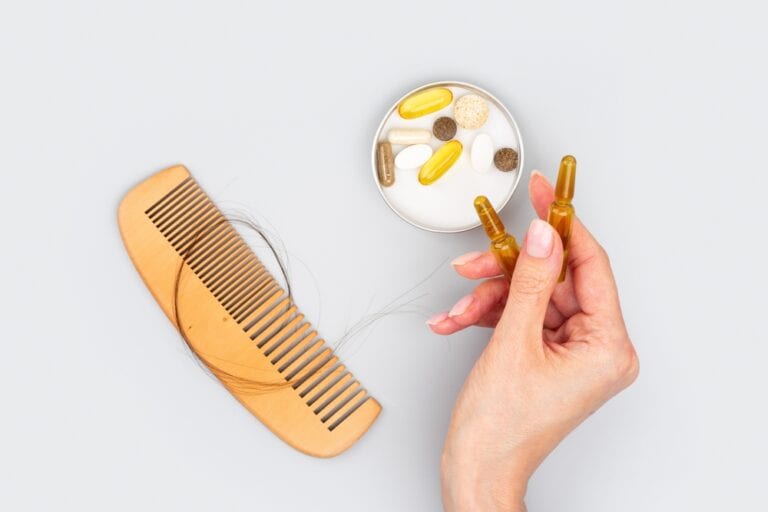
Here’s the thing most hair-loss products get wrong: they treat the hair as the problem, when the real issue is usually happening a few millimeters below it, right there on the scalp. If the environment under the scalp isn’t set up for growth poor circulation, chronic irritation, clogged follicles no serum or shampoo is going to fix that no matter how many bottles you go through. That’s really where clinical treatment of hair loss starts to diverge from what’s sitting on a drugstore shelf: it goes after the environment itself, not just the strands growing out of it.
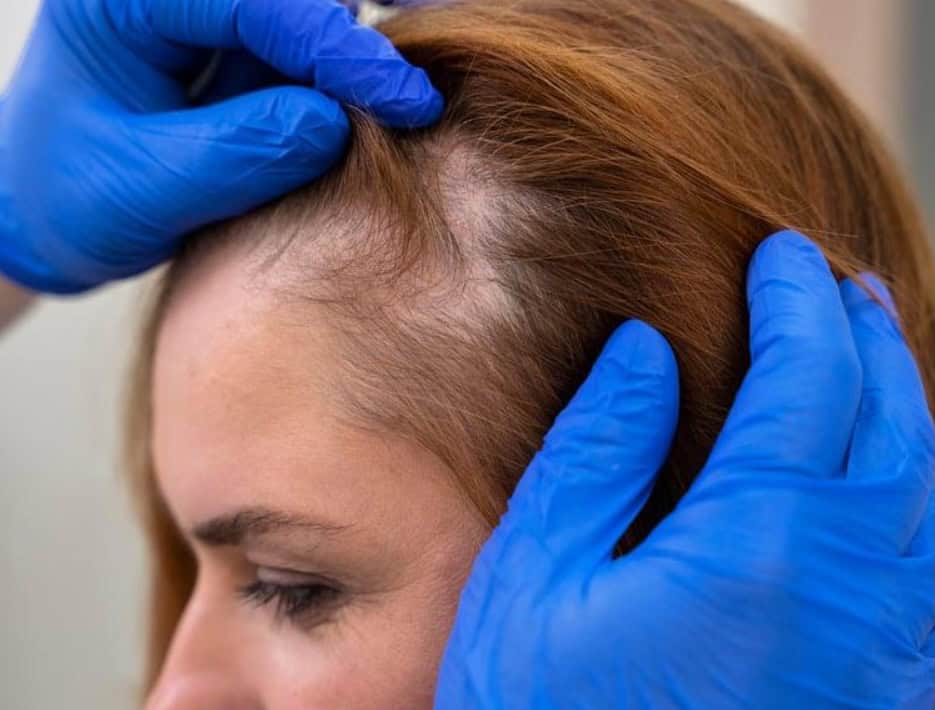
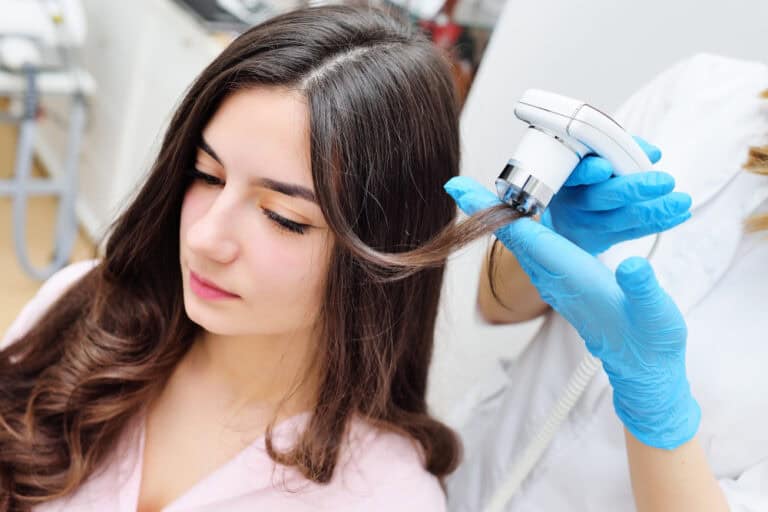
This guide walks through the scalp treatment for hair loss options actually used in clinics how they work, what they’re doing to blood flow and follicle health, and what it takes to rebuild a scalp environment that’s actually capable of growing hair again. Everything here is a professional, in-clinic procedure, not an at-home routine.
Why Scalp Health Is the Real Starting Point for Hair Loss Treatment
The Hair Growth Cycle and What the Scalp Has to Do With It
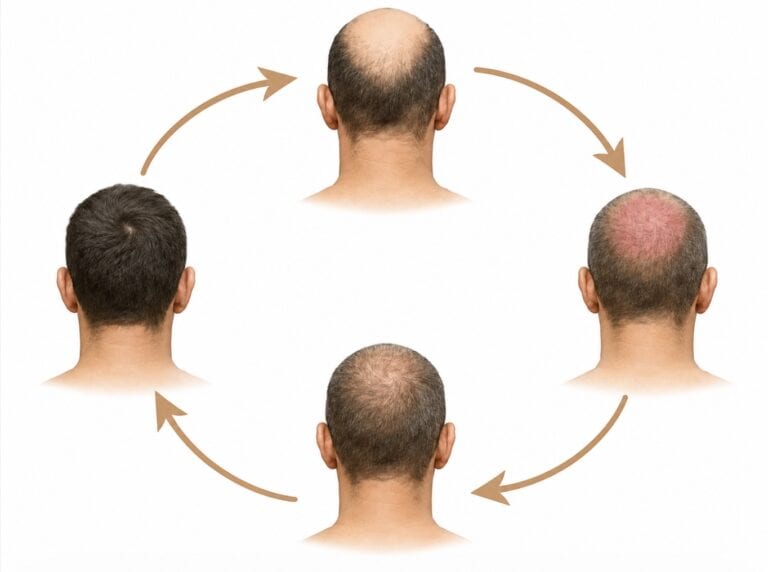
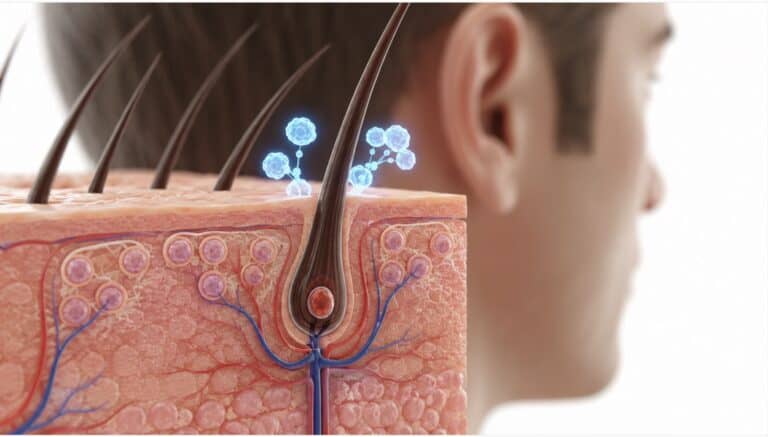
Every strand of hair grows out of a follicle sitting in the scalp, cycling through growth, rest, and shedding phases pretty much on repeat throughout life. When the scalp is chronically inflamed, poorly circulated, or clogged with oil and dead skin buildup, those follicles gradually shrink and weaken until eventually, they just stop producing new hair altogether.
What Actually Makes a Scalp Environment Hostile to Growth
- Blood flow to the follicles naturally declines with age
- DHT, the hormone behind genetic hair loss, causes follicles to physically shrink over time
- Chronic inflammation from dandruff or excess oil buildup keeps follicles under constant low-grade stress
- Accumulated stress disrupts the hair growth cycle in ways that are easy to underestimate
Given all of that, effective hair loss treatment has to focus on rebuilding the scalp environment itself not just reinforcing the strength of the hair that’s already there, which is basically all most topical products can do.
PRP Therapy: Using Concentrated Platelets to Wake Up the Follicles
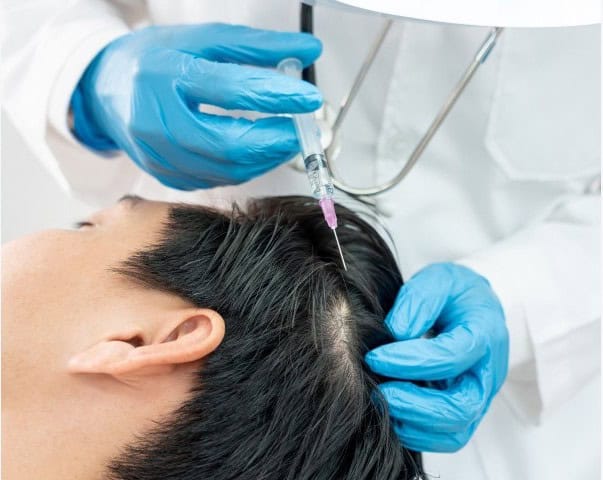
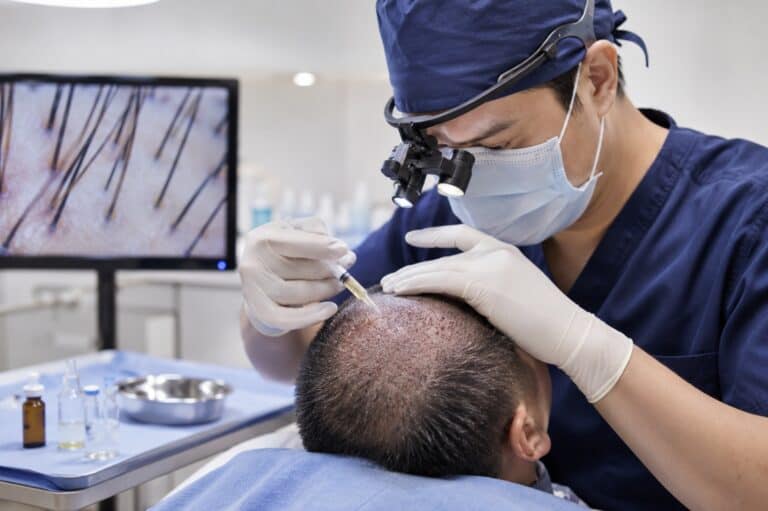
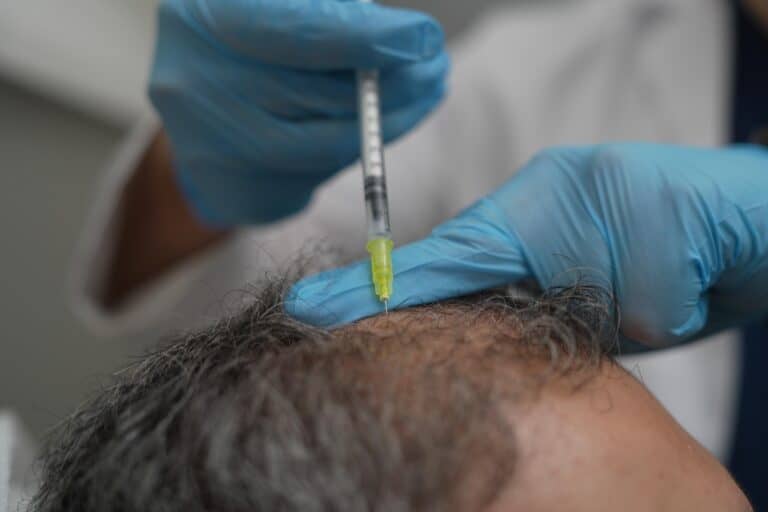
PRP (Platelet-Rich Plasma) therapy is one of the more established options in this space. A small blood sample is drawn from the patient, spun down to isolate the platelet-rich portion loaded with growth factors and then injected directly back into the areas of the scalp showing thinning.
How PRP Actually Affects the Follicles
The growth factors in that concentrated plasma boost blood flow around the follicle, deliver more oxygen and nutrients to the area, and help push resting follicles back into an active growth phase sooner than they would on their own. Most protocols run three to six sessions, spaced four to six weeks apart, before results become genuinely visible.
Scalp Microneedling: Triggering Repair Through Controlled Micro-Injury
Scalp microneedling uses fine needles to create tiny channels across the scalp, which sounds counterintuitive but actually kicks off the body’s own repair response including fresh collagen production and improved blood flow right where the follicles need it most.
Why Microneedling and PRP Are Often Done Together
A lot of clinics pair microneedling with PRP in the same session, and there’s a good reason for it: those tiny needle channels help the growth factors from PRP absorb deeper into the skin than injection alone would achieve. The combination tends to outperform either treatment done on its own.
Low-Level Laser Therapy (LLLT): Low-Power Light With a Real Effect on Follicles
Low-Level Laser Therapy, or LLLT, uses low-power laser light aimed at the scalp to stimulate cellular activity inside the follicle at the mitochondrial level essentially giving the cells more energy to do their job properly.
Who Actually Benefits From LLLT
LLLT tends to work best for early-to-moderate hair loss, and it’s a solid fit for anyone who wants something non-invasive with zero downtime. It’s frequently used as a supporting treatment alongside PRP or microneedling rather than a standalone fix.
Scalp Mesotherapy: Delivering Nutrients Directly Where They’re Needed
Scalp mesotherapy involves injecting small amounts of vitamins, minerals, and hair-growth stimulants directly into the scalp’s skin layer getting nutrients to the follicle with far more precision than a supplement or topical product ever could.
Common Ingredients Used in Mesotherapy Sessions
- Biotin and B-complex vitamins to support keratin production
- Amino acids essential for hair structure
- Antioxidants that help calm scalp inflammation
- Specially formulated minoxidil, used in select cases
Scalp Detox and Exfoliation: The Step That Gets Skipped Too Often
Before any other treatment can really do its job, the scalp needs to actually be clean and free of follicle-clogging buildup. In-clinic scalp detox treatment uses deep exfoliation and follicle-clearing techniques to remove excess oil, dead skin, and buildup that would otherwise block new hair growth.
Why Scalp Cleansing Has to Happen Before Everything Else
If follicles are still clogged with oil and dead skin, even PRP injections or microneedling won’t perform at full strength the nutrients and growth factors simply can’t reach the follicle the way they’re supposed to.
Why Combining Treatments Usually Beats Picking Just One
In practice, specialists rarely rely on a single technique. A real, well-structured hair loss treatment plan typically layers several approaches together, something like:
- Start with scalp detox to clear the follicles and prep the scalp for treatment
- Follow with microneedling combined with PRP to trigger repair and deliver growth factors to the root
- Maintain with ongoing LLLT, either in-clinic or at home, to keep follicle cell energy up over time
- Reinforce periodically with mesotherapy to keep nutrient delivery consistent
That layered structure is really what makes clinical hair loss treatment hold up long-term, rather than fading a few weeks after the last session.
Finding a Clinic That Actually Diagnoses the Cause First
Getting real results from hair loss treatment isn’t just about which technology you pick it starts with actually figuring out what’s driving the hair loss in the first place, since different causes call for genuinely different approaches.
At Vega Derma, the hair and scalp specialist team runs a thorough scalp assessment before building a treatment of hair loss plan matched to the specific cause and stage of loss — whether that ends up involving PRP, microneedling, LLLT, mesotherapy, or some combination of them.
To learn more about a complete treatment of hair loss approach, you can read our full guide to scalp treatment for hair loss.
Frequently Asked Questions
How many sessions does it usually take to see real results?
PRP and microneedling protocols typically run three to six sessions, spaced four to six weeks apart. LLLT usually needs continuous use over several months before density improvements become noticeable.
Do these treatments hurt, and is there downtime?
PRP and microneedling can cause mild discomfort during the session, though local anesthetic is commonly used to keep that manageable. LLLT and mesotherapy involve little to no downtime at all.
Does scalp treatment work for every type of hair loss?
Not quite. These treatments work best when follicles are still present and capable of responding to stimulation. Once follicles have fully atrophied from long-term hair loss, other options like transplantation usually need to be considered instead.
The Bottom Line
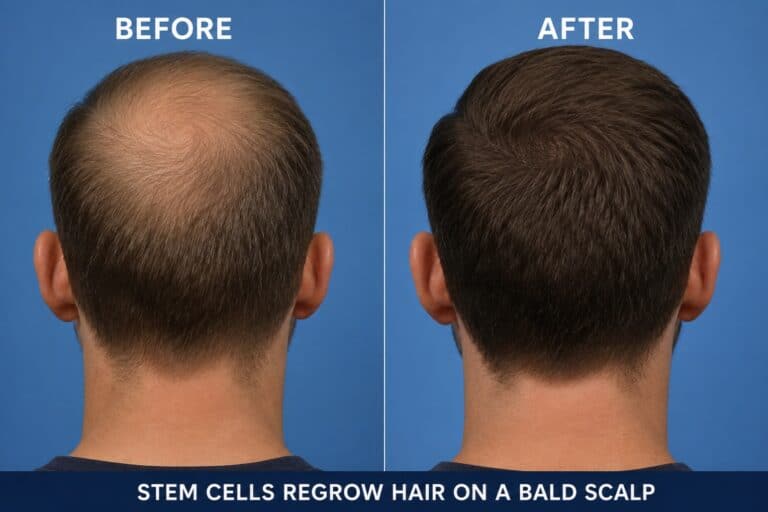
Real hair loss treatment doesn’t start with the hair it starts with rebuilding the scalp environment underneath it so growth actually has somewhere to happen. PRP, microneedling, LLLT, and mesotherapy are all clinically recognized tools for reactivating follicles that have slowed down or stalled out.
A consultation with a specialized team at a clinic like Vega Derma to properly assess what’s actually driving your hair loss and build a plan around it is the right first step toward hair that’s genuinely stronger and thicker, not just temporarily covered up.

The Vega Derma Medical Team consists of board-certified dermatologists, specialized trichologists, and clinical researchers based in Bangkok, Thailand. Our team specializes in evidence-based regenerative dermatology, complex tissue repair, and advanced hair restoration (including precision FUE and FSE). Every protocol and article we publish is medically reviewed to ensure it meets international clinical standards, providing safe, science-backed guidance for our local and international patients.