
Introduction
If you’ve used Minoxidil for years but still aren’t seeing the hair density you want, you might wonder why it stopped working. Often, the issue isn’t with the product itself. Instead, it’s about what’s happening inside dormant hair follicles, which topical treatments can’t really reach. This is where hair follicle regeneration therapy comes in. It offers a new approach to hair regrowth, not just a stronger version of what you already have at home.
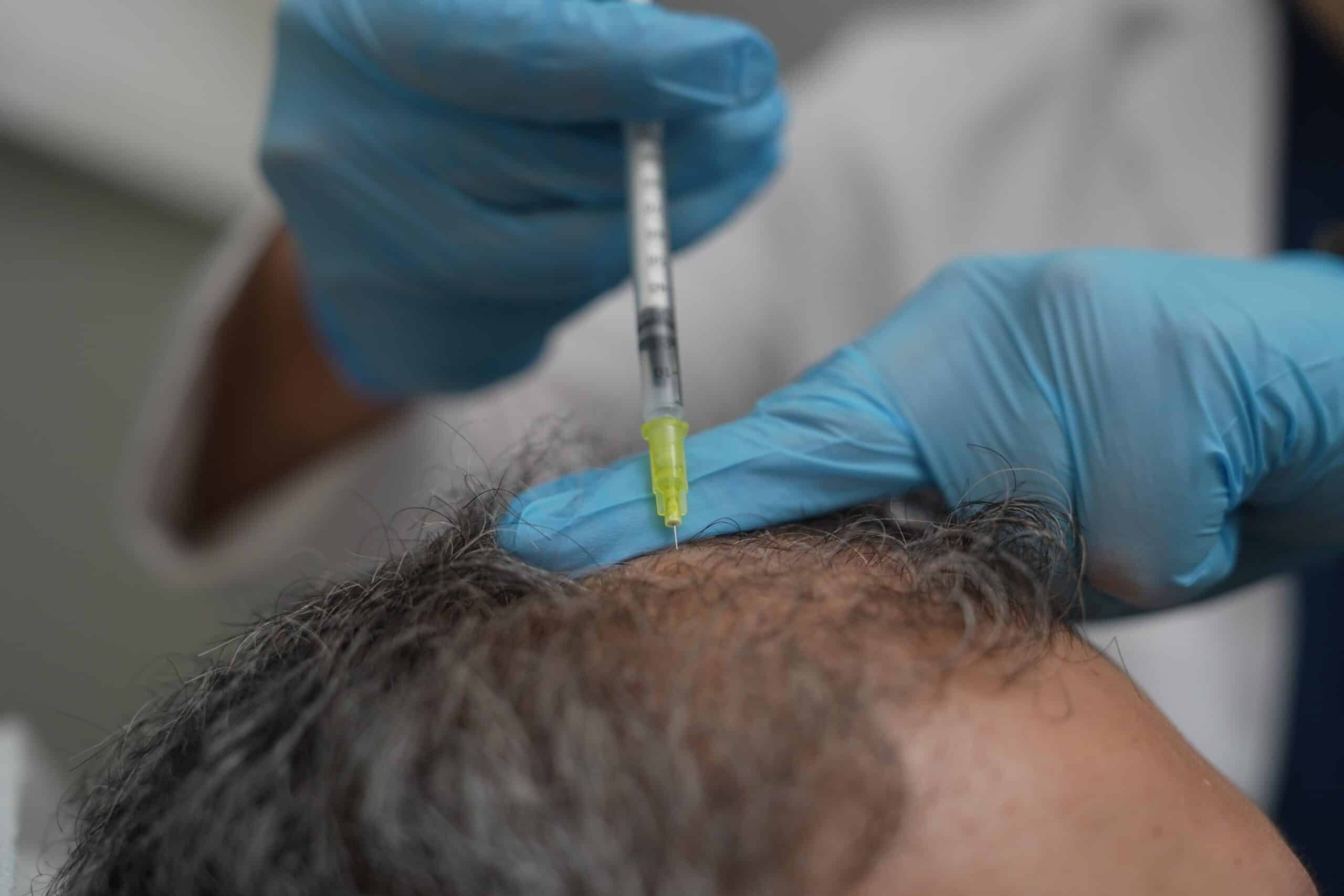
This article explains the biology behind follicle regeneration, showing how true regenerative medicine is different from topical treatments. We’ll also look at the technology clinics use to reactivate dormant follicles. Along the way, we’ll cover natural ways to wake up hair follicles, stem cell therapy for hair loss, and the most advanced treatments for thinning hair that go beyond what you can buy over the counter.
Why Minoxidil Hits a Ceiling for Long-Term Hair Loss
How Minoxidil Actually Works
Minoxidil works by dilating blood vessels in the scalp, pushing more blood flow toward follicles that are still active, and extending the growth phase of hair that’s already in the game. It’s a legitimate mechanism but it only ever applies to follicles that are still alive in the sense of being ready to respond to that extra blood flow.
The Real Limitation: Dormant Follicles Don’t Respond to It
After hair loss has been happening for a while, many follicles enter what’s known as a dormant state. The stem cells inside are still alive and can technically produce hair, but they’ve stopped sending the signals needed to start a new growth cycle. It’s not that the follicle has died it’s more like it has gone quiet. Everything is still there, but nothing is turning it back on.
This is often linked to follicle miniaturization. DHT (dihydrotestosterone) slowly shrinks the follicle with each cycle, so it produces thinner, shorter hairs. Eventually, it may stop making visible hair, even though the follicle is still alive. Chronic inflammation and less blood flow can make things worse by depriving the follicle of what it needs to stay active.
That’s the reason so many people use Minoxidil for years and eventually stop seeing progress. It’s not that the product stopped working; it only ever reached the follicles that could respond to better blood flow. The drug can’t wake up those dormant stem cells or restart the signals that have been turned off. That’s where regenerative treatments like PRP, exosomes, and secretome therapy come in. They aim to target the signal itself, not just the blood supply.
Understanding the Hair Growth Cycle and Follicle Dormancy
The Three Phases of the Hair Cycle
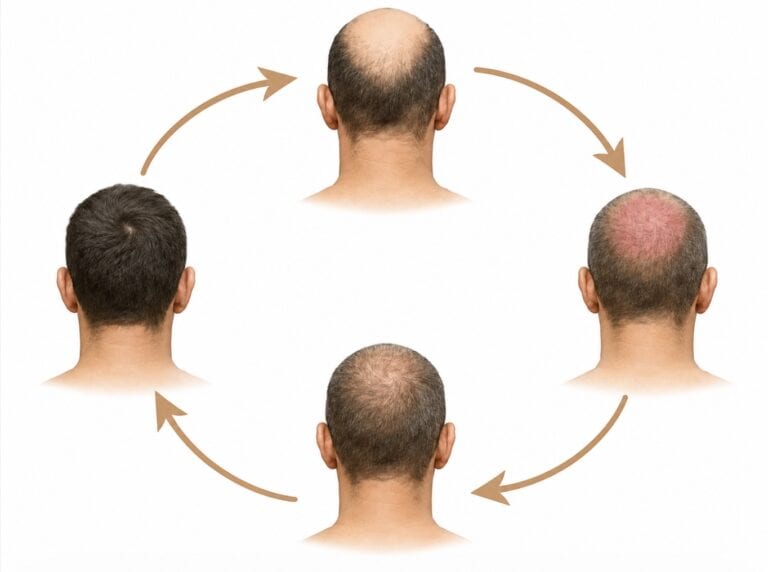
Every strand moves through three main phases: anagen (active growth), catagen (transition), and telogen (rest). In chronic hair loss, a disproportionate number of follicles get stuck in telogen for far longer than they should a state sometimes called prolonged telogen and that extended stall is usually the first step toward permanent dormancy.
The Biological Signals That Go Missing
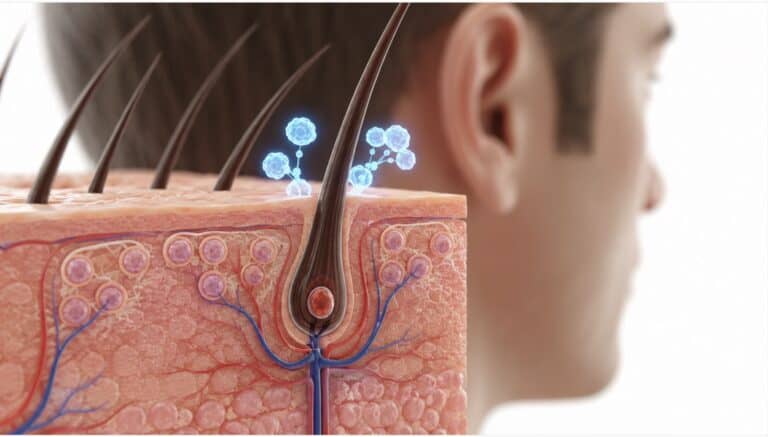
A healthy follicle depends on signals from the cells around it what’s often called its microenvironment, or niche to prompt stem cells to divide and start a new hair. When that microenvironment degrades from age, hormonal shifts, or chronic inflammation, those signals quietly fade out. The stem cells are often still there. They just never get the cue to start again.
How Regenerative Medicine Actually Wakes Follicles Up
Topical Treatment vs. True Biological Regeneration
Topical treatments like Minoxidil work at the surface and vascular level. Regenerative medicine for hair loss, on the other hand, goes after the biological signaling at the cellular level directly the goal is to reactivate dormant stem cells and push them back into an active growth cycle. That’s the core distinction that puts biological follicle regeneration in a genuinely different category from anything applied topically.
The Role of Growth Factors and Cytokines in Waking Follicles
Growth factors and cytokines released from stem cells or concentrated plasma function as activation signals for hair follicles. Several key factors primarily drive this process. Vascular Endothelial Growth Factor (VEGF) restores the capillary network supplying the follicle, Platelet-Derived Growth Factor (PDGF) stimulates dormant stem cells to resume division, and Fibroblast Growth Factor (FGF) promotes the transition of these cells into the active growth phase of the hair cycle, rather than remaining in a prolonged resting state.
These factors do not function independently; rather, their combined action is essential. Restoring blood flow alone is insufficient if stem cells remain inactive, and stimulating cell division is ineffective if the surrounding tissue cannot support the development of a new hair shaft. Therefore, the objective is not to activate a single pathway but to reconstruct the entire follicular microenvironment. The restoration of blood supply, signaling molecules, and supporting tissue structure must occur simultaneously for a follicle to resume autonomous hair production.
The Technologies Behind Hair Follicle Regeneration Therapy
PRP Therapy: Where Biological Regeneration Usually Starts
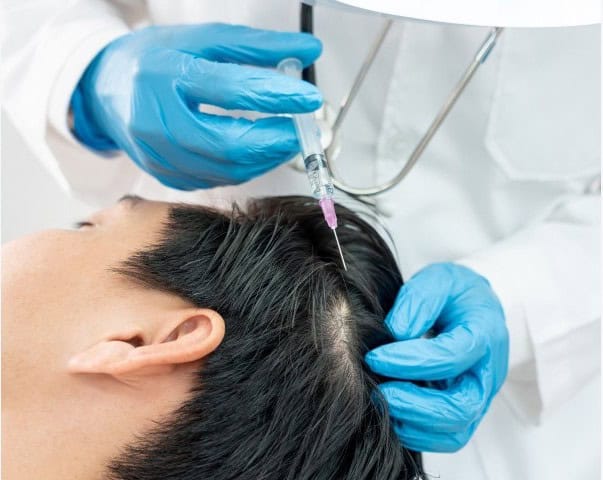
PRP (Platelet-Rich Plasma) therapy is the foundational technology in this space blood is drawn, spun down to isolate the platelet-rich, growth-factor-heavy portion, then injected back into the areas of the scalp where follicles have gone dormant. It’s often the first step in stem cell therapy for hair loss protocols, kickstarting circulation and sending that early wake-up signal to stem cells nearby.
Exosome Therapy: More Precise Cellular Signaling
Exosome therapy takes things a step further. Exosomes are tiny vesicles packed with cellular messengers, secreted by stem cells, and they deliver regenerative signals directly to the follicle without needing to transplant whole cells at all. That precision means a lower risk profile compared to direct cell injection, while still delivering a genuinely targeted biological signal.
Stem Cell-Derived Secretome: Concentrated Biological Signaling
Stem cell-derived secretome refers to the biological compounds stem cells release while being cultured a concentrated mix of growth factors and proteins that helps rebuild the follicle’s microenvironment. It’s one of the more advanced hair regeneration technologies currently drawing real attention in dermatology, precisely because it delivers regenerative signaling without the complexity of live cell transplantation.
Scalp Microneedling Paired With Regenerative Signaling
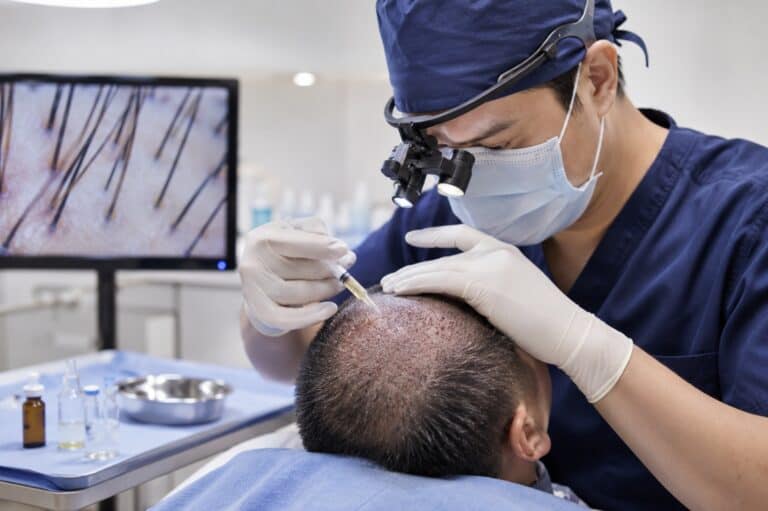
Microneedling creates tiny channels across the scalp, which does two things at once: it triggers the body’s own repair response, and it helps exosomes or secretome absorb far deeper into the skin than injection or topical application alone would achieve. Pairing the two together is standard practice in most advanced hair regrowth protocols today.
Why a Combined, Staged Approach Produces Better Results
In clinical practice, specialists rarely lean on a single method. A real follicle regeneration treatment plan typically layers several techniques in sequence, something like:
- Start with scalp microneedling to open channels and trigger baseline repair
- Follow with PRP or exosome therapy to send the wake-up signal to dormant follicles
- Reinforce periodically with stem cell-derived secretome to keep rebuilding the microenvironment
- In some cases, continue Minoxidil alongside it to maintain follicles that are still actively working
That layered structure is really what makes advanced hair regrowth treatment outperform relying on Minoxidil alone over the long run.
Finding a Clinic That Actually Assesses Follicle Viability First
Getting real results from follicle regeneration isn’t about picking the newest-sounding technology. It starts with figuring out what stage the follicles are actually in, and whether viable stem cells remain at all, before choosing which technique makes sense for that specific patient.
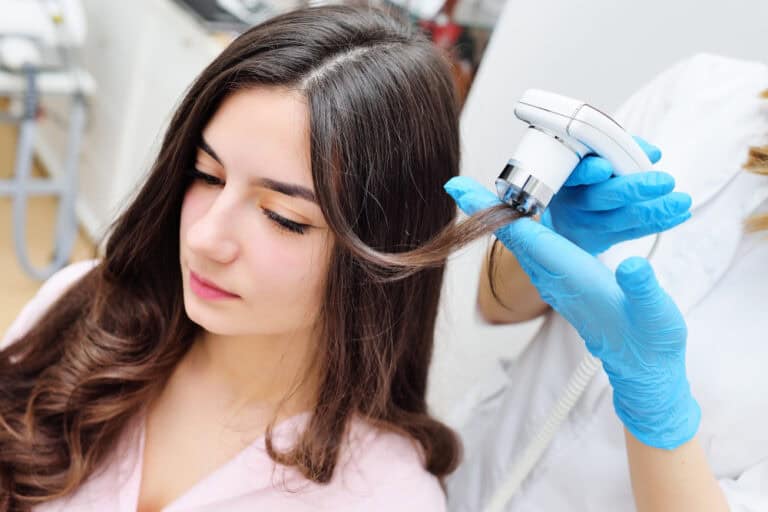
At Vega Derma, the hair and scalp specialist team runs a detailed follicle assessment using dedicated diagnostic techniques before building a hair follicle regeneration therapy plan matched to the stage and underlying cause of each patient’s hair loss.
To learn more about a complete hair follicle regeneration therapy approach, you can read our in-depth guide to hair regrowth treatment, covering everything from PRP for early-stage thinning hair to regenerative options for pattern hair loss.
Frequently Asked Questions
Can a follicle that's been dormant for years still be revived?
It depends entirely on whether the follicle still has viable stem cells. If the follicle has fully atrophied and no stem cells remain, regeneration this way generally won’t work which is exactly why a proper assessment matters before starting any treatment.
How many sessions does it typically take to see results?
Most protocols run three to six sessions, spaced four to six weeks apart, with visible results usually showing up within four to six months, depending on each patient’s follicle condition going in.
Can Minoxidil be combined with regenerative treatment?
Yes, and in a lot of cases doctors actually recommend it. Minoxidil helps maintain follicles that are already active, while regenerative treatment focuses on waking up the ones that have gone quiet the two approaches complement each other rather than compete.
The Bottom Line
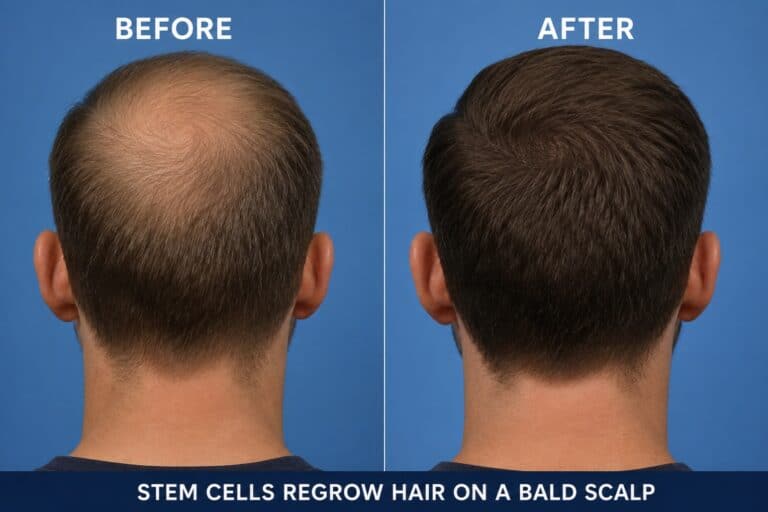
Minoxidil still has a real role to play for follicles that are actively working. But for follicles that have gone dormant, hair follicle regeneration therapy is where the actual answer lives. Technologies like PRP, exosome therapy, and stem cell-derived secretome were all developed specifically to reach and reactivate dormant stem cells giving them what they need to start producing hair again.
A consultation with a specialized team at a clinic like Vega Derma for a real assessment of follicle viability and a hair regrowth treatment plan built around it is the right first step toward hair that’s genuinely growing again, not just temporarily thicker-looking.

The Vega Derma Medical Team consists of board-certified dermatologists, specialized trichologists, and clinical researchers based in Bangkok, Thailand. Our team specializes in evidence-based regenerative dermatology, complex tissue repair, and advanced hair restoration (including precision FUE and FSE). Every protocol and article we publish is medically reviewed to ensure it meets international clinical standards, providing safe, science-backed guidance for our local and international patients.