
Introduction
Here’s something most transplant clinics won’t tell you upfront: the surgery itself is only half the story. A transplant moves hair from one part of your scalp to another it’s essentially advanced landscaping. What determines whether that “landscaping” actually takes root is biology, not surgical skill alone. That’s the gap hair follicle stem cell therapy Thailand protocols are increasingly stepping into.
I want to walk through this properly, because most of what’s written about combining regenerative therapy with hair transplants is either vague marketing copy or overly technical journal language. So let’s split the difference: what’s actually happening in your scalp before, during, and after surgery, and where stem cell support genuinely fits in.
Why Even Consider Combining Stem Cell Therapy With a Hair Transplant?
Imagine a hair transplant like moving a plant. You take it from one place, called the donor area, and put it where it is needed, the recipient area. Whether the plant survives depends on the new soil how much moisture and nutrients it has, and if the roots were damaged during the move.
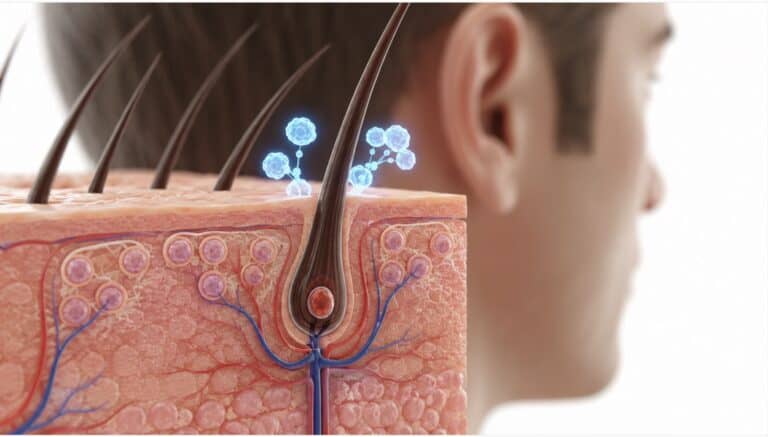
Your scalp works in a similar way. When grafts are taken out, their blood supply is cut off. They are then placed into new tissue, which needs to accept them quickly. The amount of blood flow, the level of inflammation, and how quickly new blood vessels grow all affect whether a graft will survive in the weeks that follow.
Hair follicle stem cell therapyprotocols in Thailand focus on improving the quality of that ‘soil.’ They aim to make the biological environment better for the grafts, rather than changing the surgery itself.
Before the Scalpel: Pre-Operative Scalp Conditioning
Most of the “prep work” patients hear about is logistical stop this medication, avoid alcohol, don’t get a haircut too close to the date. Few clinics talk about biologically preparing the scalp itself.
Getting Blood Flow Up Before Surgery
A well-vascularized scalp means newly implanted grafts have faster access to oxygen the moment they’re placed. Pre-operative regenerative sessions are generally aimed at improving circulation in both the donor strip and the recipient zone before any cutting happens.
Calming Down Baseline Inflammation
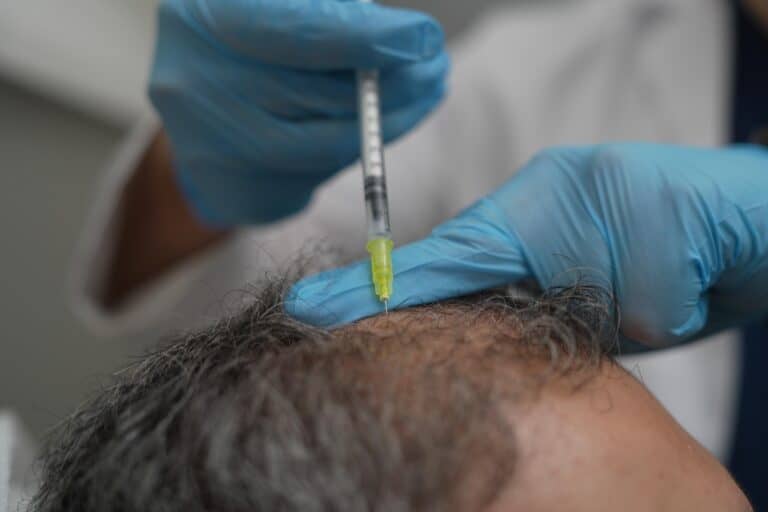
A scalp that’s already inflamed going into surgery is a tougher environment for new grafts to settle into. Treating this beforehand with hair follicle stem cell therapy Thailand sessions is less about the transplant day itself and more about giving the tissue a head start.
Not Forgetting the Donor Area
Everyone focuses on where the hair is going. Fewer people think about where it’s coming from. A healthier donor zone tends to produce sturdier grafts to begin with which matters more than people assume once those follicles are under stress during extraction.
After the Scalpel: Post-Operative Application and Graft Survival
The first few weeks after surgery are genuinely the make-or-break window. Grafts are sitting there with no functioning blood supply of their own, essentially waiting to be “claimed” by the surrounding tissue.
The Angiogenesis Race
New blood vessel growth around each graft is a race against time. The faster it happens, the better the graft’s odds. Post-operative regenerative application is timed specifically around this window supporting the vascular response while it’s still forming, not after the fact.
Keeping Inflammation From Getting Out of Hand
Some inflammation after surgery is normal and expected. Too much, for too long, and it starts working against the very grafts it’s supposed to help protect. This is one of the more practical reasons hair follicle stem cell therapy Thailand application is scheduled early in recovery rather than months later.
The Whole Scalp Is Healing, Not Just Individual Grafts
Many people picture graft survival as a series of thousands of tiny, separate events. In reality, the entire treated area heals as one, and creating a better healing environment usually improves results for all the grafts, not just a few.
Shock Loss: The Part Nobody Warns You About Enough
If there’s one thing that catches transplant patients off guard, it’s this.
What’s Actually Going On
A few weeks after surgery, it’s common to see hair sometimes transplanted, sometimes native hair nearby start shedding. It looks alarming, but it’s a recognized, usually temporary response to surgical trauma, not a sign the transplant failed.
Why It Happens
The trauma and inflammation from surgery can push nearby follicles into a resting phase earlier than they normally would. It’s the scalp’s stress response, not a permanent loss in most cases.
Where Regenerative Support Comes In
By supporting a calmer, better-supplied healing environment, hair follicle stem cell therapy Thailand treatment around the surgical period is used specifically to soften the severity of this shedding giving existing hair a steadier environment to sit through the disruption rather than an inflamed one.
The Part Surgery Was Never Built to Fix: Your Native Hair
This is genuinely the most overlooked piece of the entire conversation.
A Transplant Moves Hair and It Doesn’t Cure Hair Loss
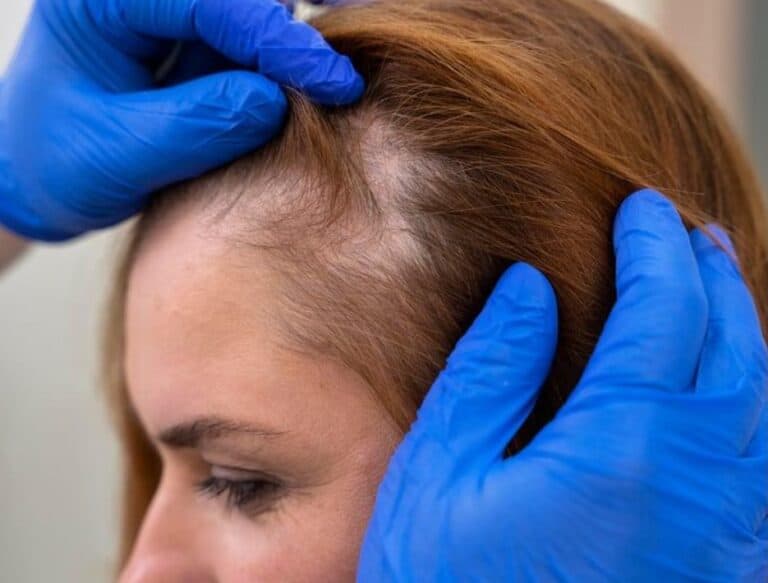
Moving hair follicles does not stop the underlying process that causes thinning in untreated areas. If your hair loss continues over time, which is common, the hair that was not transplanted will keep thinning at its own pace, whether you have a transplant or not.
Which Means the Clock Keeps Ticking
You can walk out of a transplant with a genuinely great result and still watch your native hair recede around it over the next few years, quietly working against the outcome you just paid for.
This Is Where the Real Value Sits
Hair follicle stem cell therapy in Thailand is used on untouched, native areas to directly support existing follicles. This is something that surgery was never meant to address. In short, surgery moves what you already have, while regenerative therapy works to protect what remains.
What a Realistic Combined Schedule Actually Looks Like
There’s no single universal protocol, but a reasonable, evidence-informed timeline generally follows this shape:
4–6 weeks before surgery
- Scalp assessment and baseline check
- Initial regenerative session focused on vascularity and inflammation
- Conditioning of both donor and recipient zones
2 weeks before surgery
- Optional follow-up session, scalp-dependent
- Final pre-surgical check
2–4 weeks after surgery
- First post-operative session, timed to the angiogenesis window
- Focused on supporting graft survival while grafts are still vulnerable
3–6 months after surgery
- Sessions supporting both the graft area and native hair
- Assessment of shock loss recovery and density progress
Ongoing, long-term
- Periodic sessions for native hair, since thinning there doesn’t stop just because the transplant is done
This is what a genuine combination protocol looks like not a single add-on session, but something woven around the whole surgical timeline.
Key Takeaways
- Pre-op conditioning is about improving the biological “soil” grafts will land in, not the surgery itself.
- The post-op window is a race to establish blood supply that’s exactly when regenerative support is timed to help.
- Shock loss is common and usually temporary; a calmer healing environment can soften its severity.
- Your native, untransplanted hair keeps thinning regardless of surgery this is the piece most people forget.
- A real combination protocol spans weeks before surgery to ongoing care well after it.
Frequently Asked Questions About Stem Cell Therapy for Hair Loss
Does stem cell therapy replace the need for a hair transplant?
No, it’s complementary. The transplant relocates follicles; regenerative therapy supports the biological environment around them and protects native hair.
When should treatment start relative to the transplant date?
Usually several weeks before surgery, with post-operative sessions following once initial healing has progressed.
Is this worth it for a smaller, less extensive transplant?
It depends on your scalp condition, how much native thinning you have, and your goals is worth discussing directly during a scalp assessment.

The Vega Derma Medical Team consists of board-certified dermatologists, specialized trichologists, and clinical researchers based in Bangkok, Thailand. Our team specializes in evidence-based regenerative dermatology, complex tissue repair, and advanced hair restoration (including precision FUE and FSE). Every protocol and article we publish is medically reviewed to ensure it meets international clinical standards, providing safe, science-backed guidance for our local and international patients.