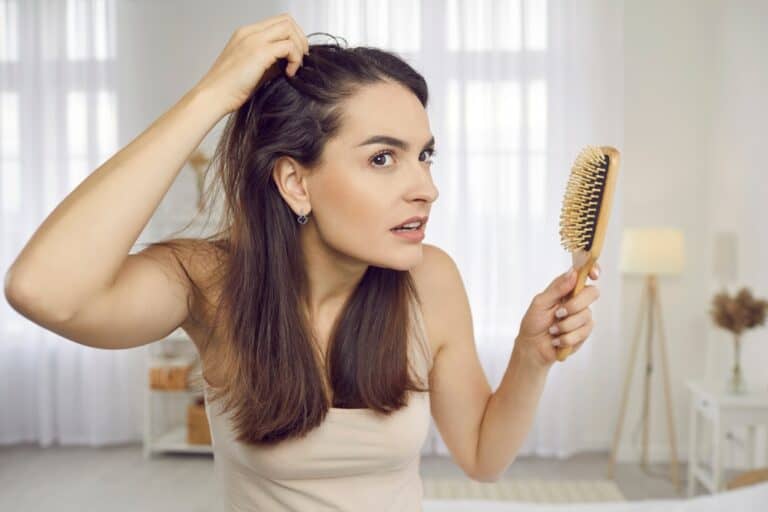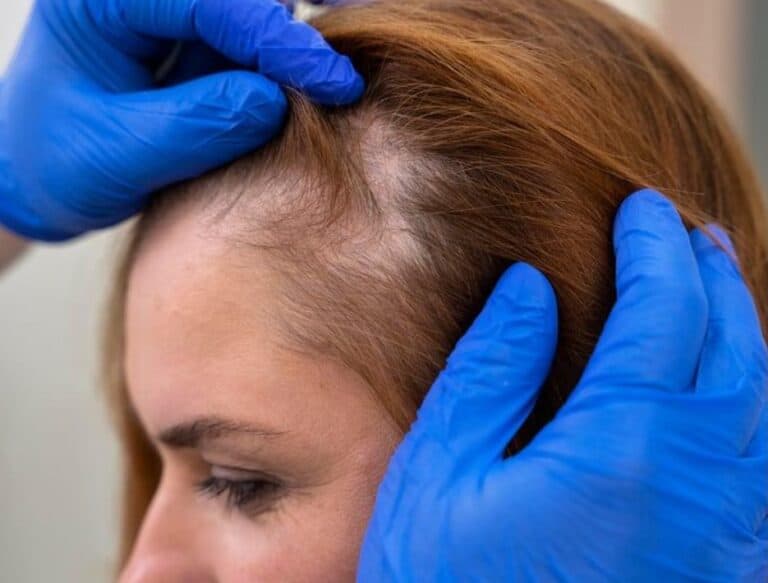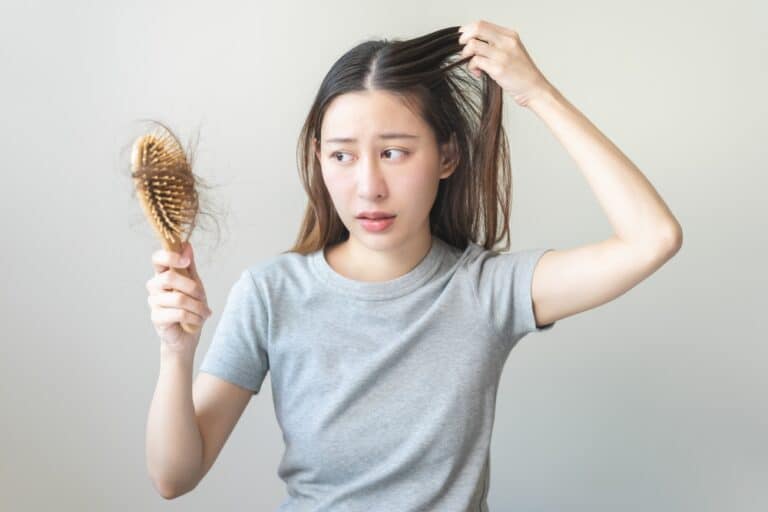

People worried about losing their hair attempt various methods to improve their condition. But will merely altering your diet be adequate? Should that be true, what nutrients are most successful against hair loss? While nutrients fuel hair growth, exceeding adequate levels seldom rectifies significant issues.
Do Vitamins Actually Help Hair Grow?
Hair follicles are metabolically active tissue. They rely on a steady supply of protein, iron, zinc, and several vitamins to sustain the growth (anagen) phase of the hair cycle. When a true deficiency is present, correcting it often reduces shedding and improves hair quality over several months. Providing more of something when levels are already sufficient yields minimal extra advantages and can sometimes be detrimental.
Supplements cannot override the underlying biology of pattern hair loss, hormonal shifts, autoimmune conditions, or scalp inflammation. These usually require targeted, physician-assessed treatment alongside good nutrition.
The Vitamins That Matter Most For Hair
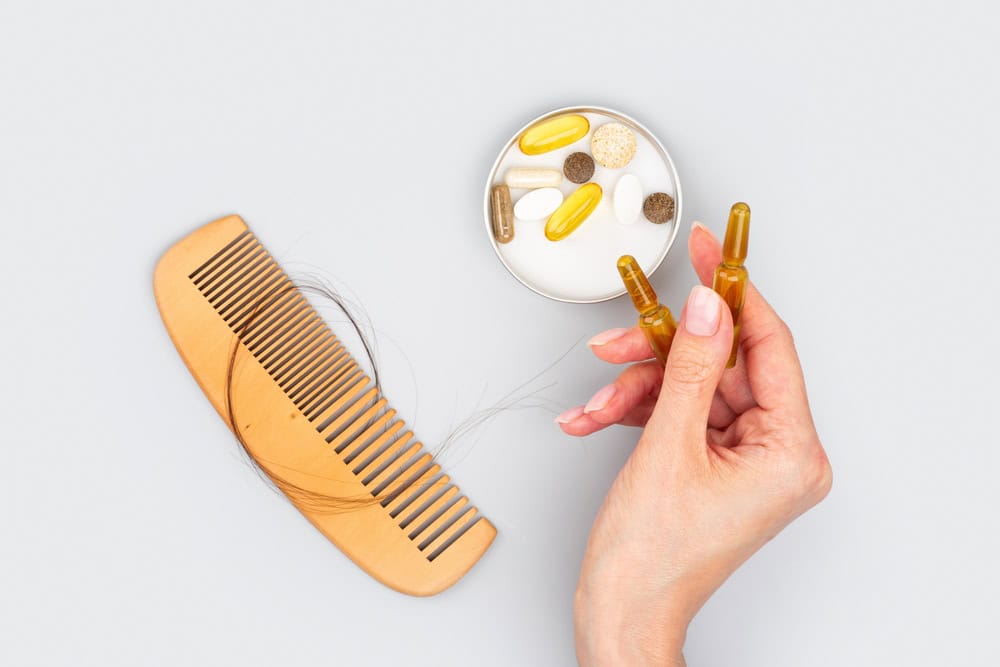
For patients researching vitamins for hair growth and thickness, the nutrients most consistently linked to hair health include:
- Vitamin D: Supports normal follicle function. Low levels have been associated with certain types of hair loss.
- Biotin (Vitamin B7): Involved in healthy hair structure, but supplementation primarily helps people with a true biotin deficiency, which is uncommon. Excess biotin can also interfere with laboratory tests (thyroid and cardiac markers), so mention supplementation to your physician before blood work.
- Iron: Iron deficiency is a common cause of excessive shedding, particularly in women. Serum ferritin gives a clearer picture than hemoglobin alone.
- Zinc: Supports normal cell growth and follicle function. Low levels may contribute to shedding.
- Vitamin B12 and folate: Involved in red blood cell production and healthy cell turnover, including at the follicle.
- Protein and omega-3 fatty acids: The building blocks and lipid support that affects healthier hair strands.
- Vitamin C: Supports iron absorption and antioxidant activity at the scalp.
We strongly recommend evaluating deficiencies through a comprehensive blood test. Always seek professional advice before beginning supplementation.
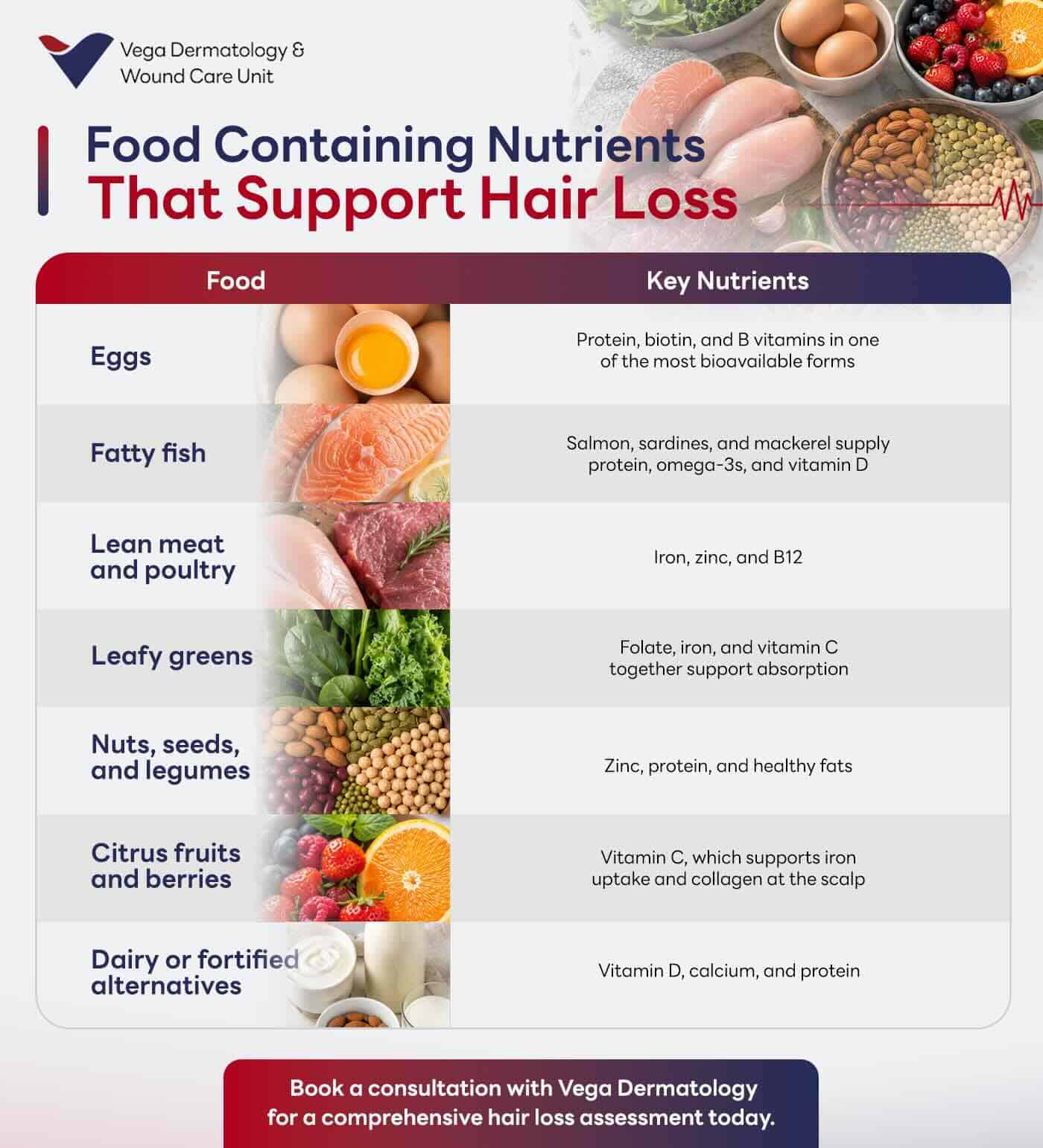
Vitamins For Hair Growth In Food
Whole foods provide nutrients in synergistic combinations, along with minerals and phytonutrients. Once a deficiency is confirmed, increase the consumption of these foods.
Are Prenatal Vitamins Good For Hair Growth?
Many people believe prenatal vitamins thicken hair because pregnant women often experience denser hair. This is mostly caused by pregnancy hormones that may extend the growth phase of the hair cycle.
Prenatal supplements are made for pregnancy needs, not general hair growth, even though they have extra iron and folate for hair health during deficiencies.
Taking them outside of pregnancy without a clinical reason may provide excess iron or other nutrients you do not need. If you are researching the best prenatal vitamins for hair growth and you are not pregnant or planning pregnancy, seeking an evaluation with a medical professional for your hair loss may be safer.
When Vitamins Alone May Not Be Enough
Certain patterns point to hair loss that will not respond to supplements alone:
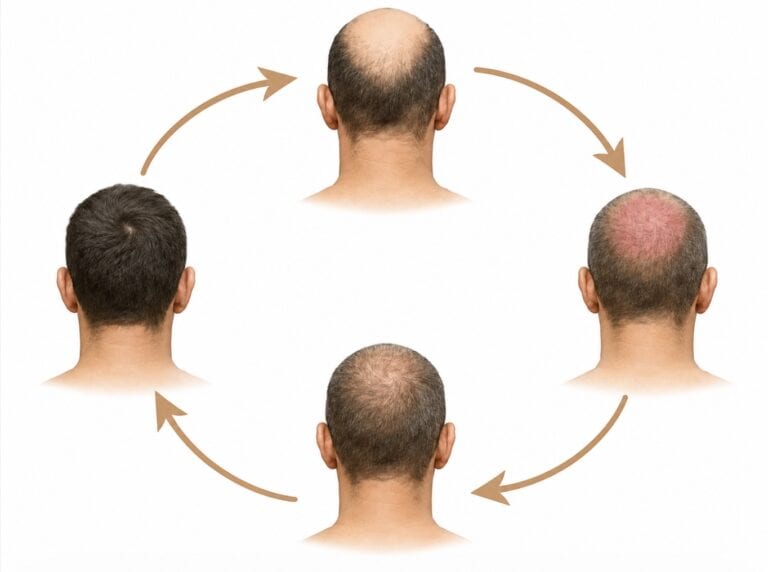
- Progressive thinning at the crown or temples.
- A receding hairline.
- Patchy loss.
- A family history of patterned hair loss.
- Shedding continues for more than three months despite good nutrition.
- Persistent scalp inflammation, itching, or visible redness.
- Sudden, heavy shedding after illness, stress, or a change in medication.
Early assessment can help protect the follicles that are still active before hair loss worsens.
Supporting Hair Growth With Regenerative Therapies
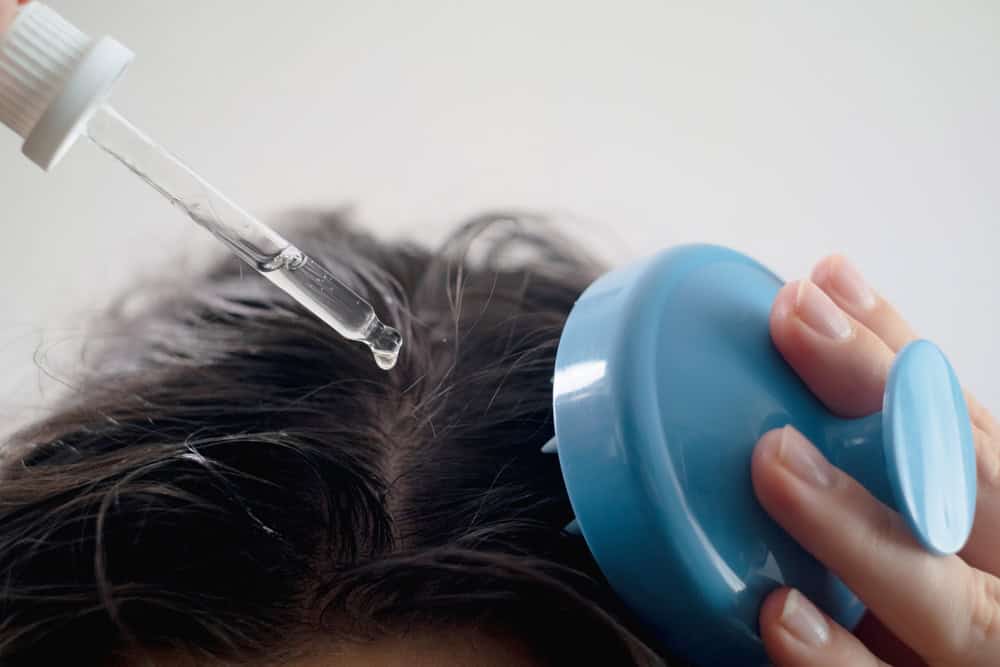
Once nutritional gaps have been addressed, care usually focuses on scalp health and follicle function directly.
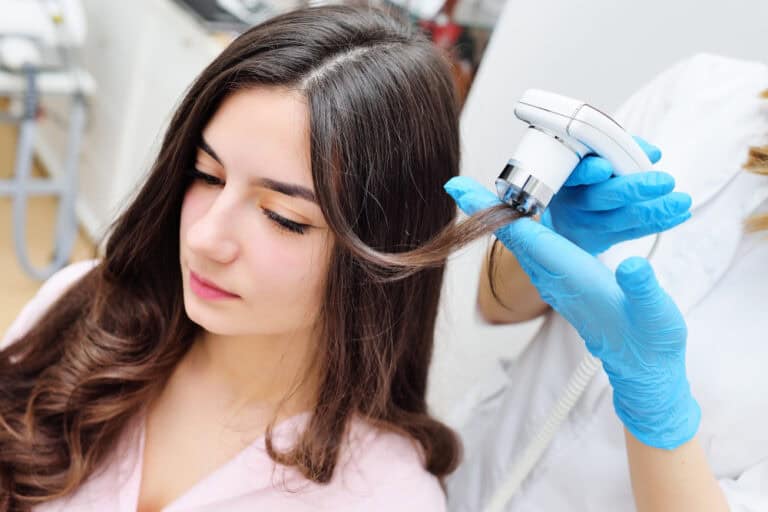
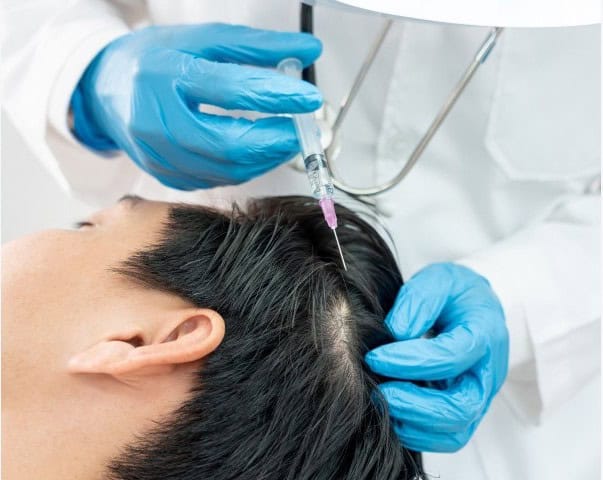
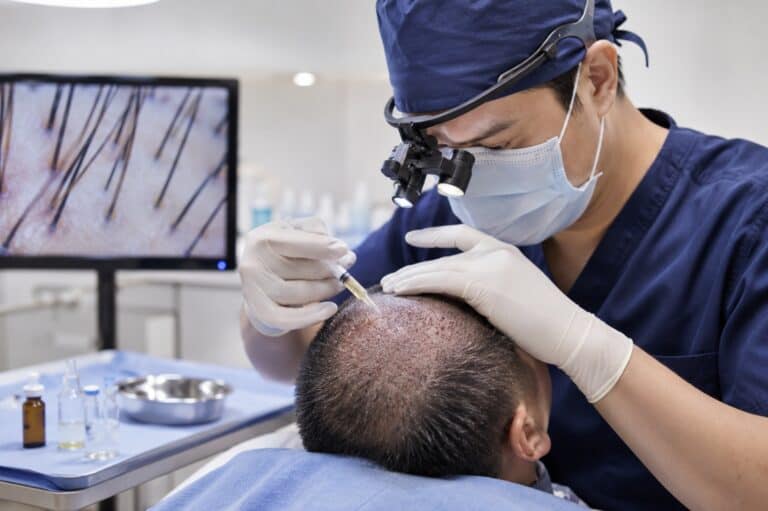
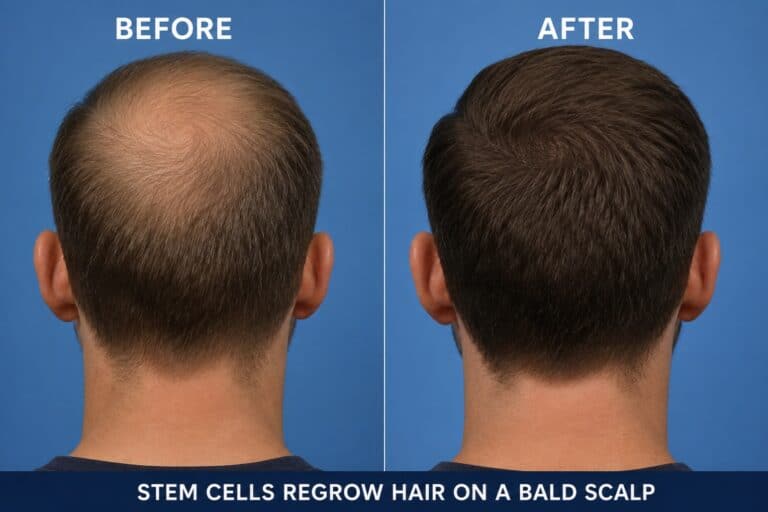
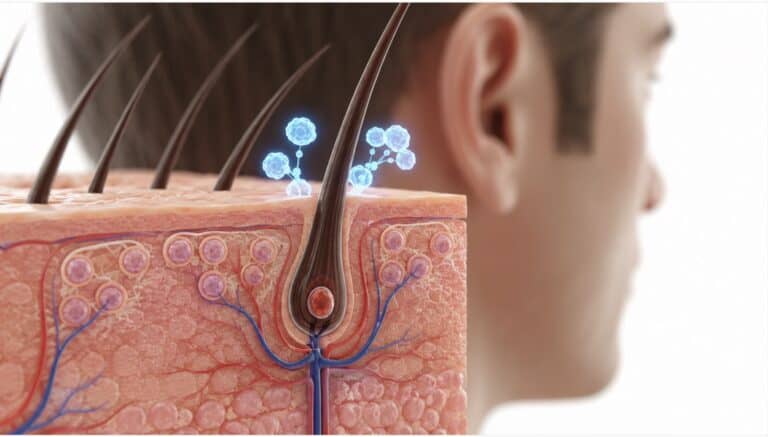
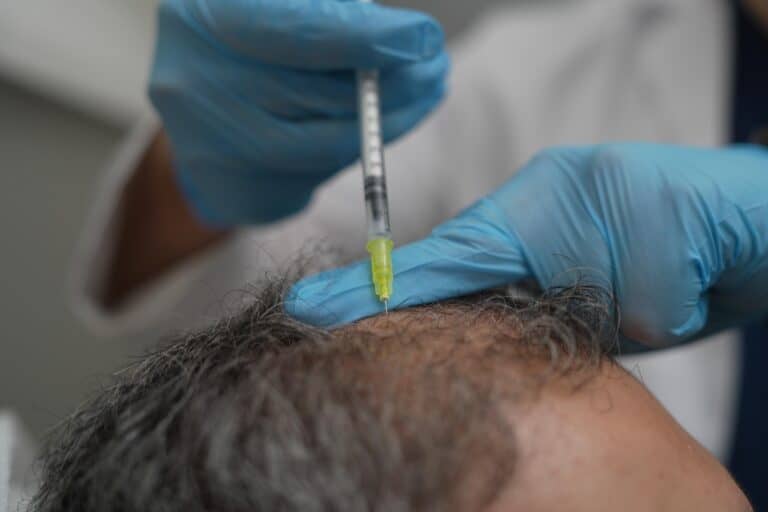
Regenerative options offered at Vega use secretome-based signaling (chemical messengers that communicate directly with cells) to help revitalize the scalp environment and encourage dormant follicles back into activity. Follicular Signaling Enhancement (FSE) is one such approach. It is an advanced hair follicle regeneration therapy that delivers signals to support the follicles you still have. Treatment response varies from person to person, and the most suitable plan depends on your specific cause and stage of hair loss.
A consultation with our skilled doctors will determine if nutrition, medication, or a hair and scalp regeneration plan is best for you. Experience our tailored hair therapy for hair loss that has supported individuals of all backgrounds in a discreet, private clinical setting. Book a consultation with our clinical team for a scalp assessment today.
References:
- Diet and Hair Loss: Effects of Nutrient Deficiency and Supplement Use. Retrieved June 10, 2026, from https://www.ncbi.nlm.nih.gov/pmc/articles/PMC5315033/
- The Role of Vitamins and Minerals in Hair Loss: A Review. Retrieved June 10, 2026, from https://www.ncbi.nlm.nih.gov/pmc/articles/PMC6380979/
- Iron Deficiency Anemia. Retrieved June 10, 2026, from https://www.ncbi.nlm.nih.gov/books/NBK448065/
- Hair Loss. Retrieved June 10, 2026, from https://medlineplus.gov/hairloss.html

The Vega Derma Medical Team consists of board-certified dermatologists, specialized trichologists, and clinical researchers based in Bangkok, Thailand. Our team specializes in evidence-based regenerative dermatology, complex tissue repair, and advanced hair restoration (including precision FUE and FSE). Every protocol and article we publish is medically reviewed to ensure it meets international clinical standards, providing safe, science-backed guidance for our local and international patients.