
Introduction
Before you begin, it helps to know this: most people who stop stem cell therapy for hair loss do not quit because it does not work. Instead, they usually give up around week three, when a normal biological phase is mistaken for a problem. Since no one told them to expect this, they worry, think the treatment has gone wrong, and stop before the important part even starts.
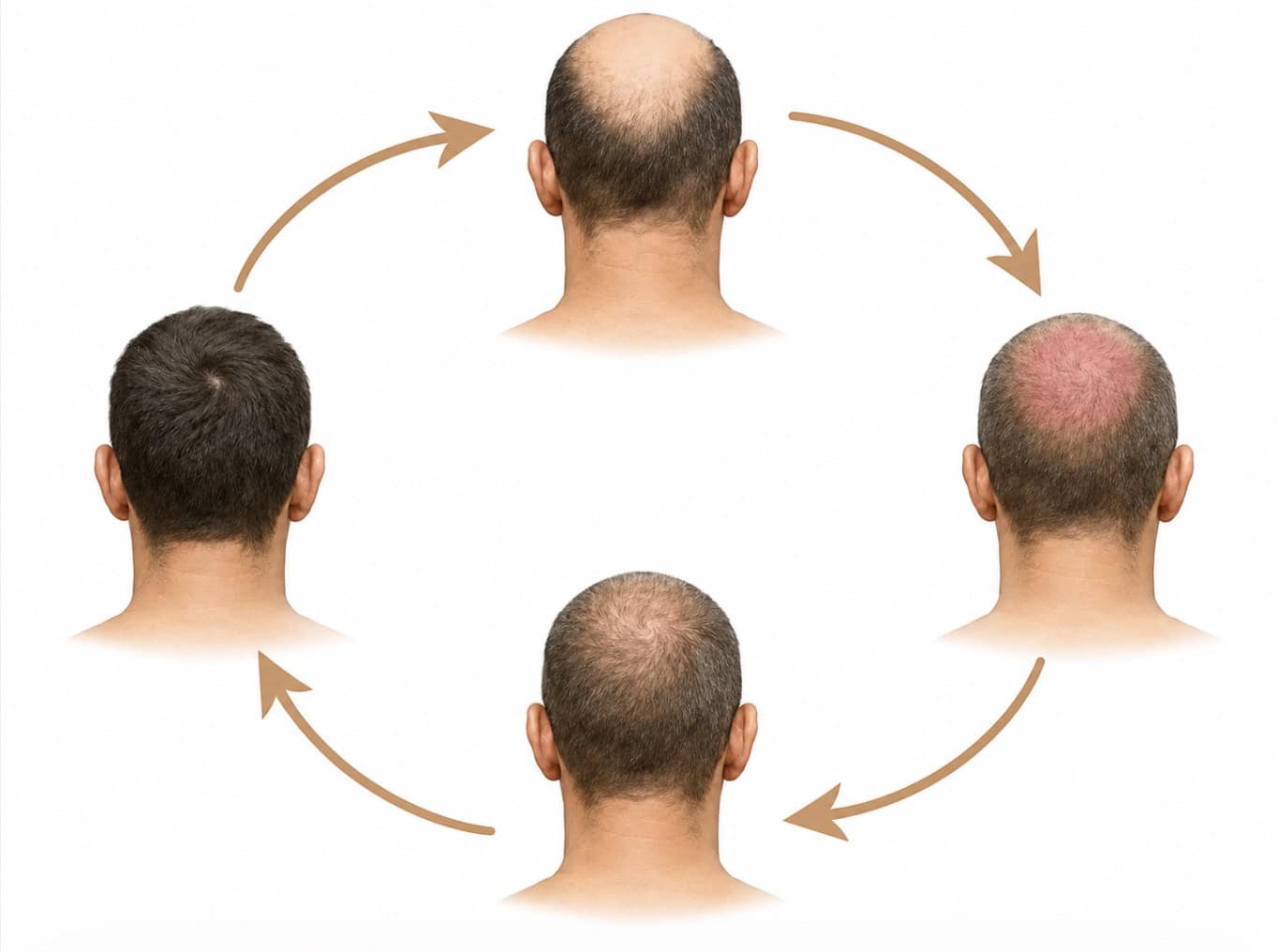
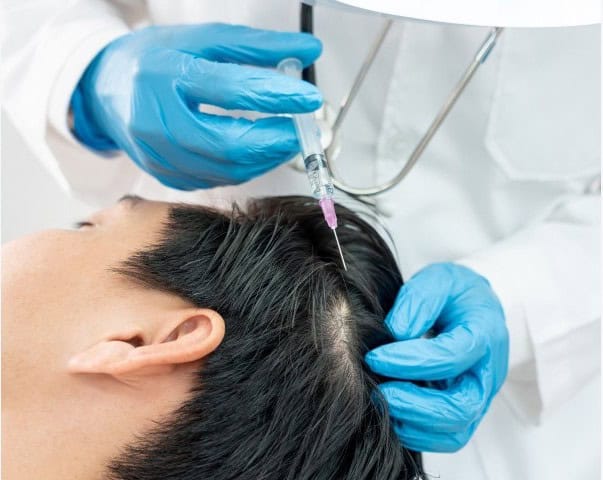
Here is a realistic look at what stem cell therapy for hair loss is like from the start through the first year, including the phase that most clinics do not mention.
Month 0: The Baseline You Can’t Skip
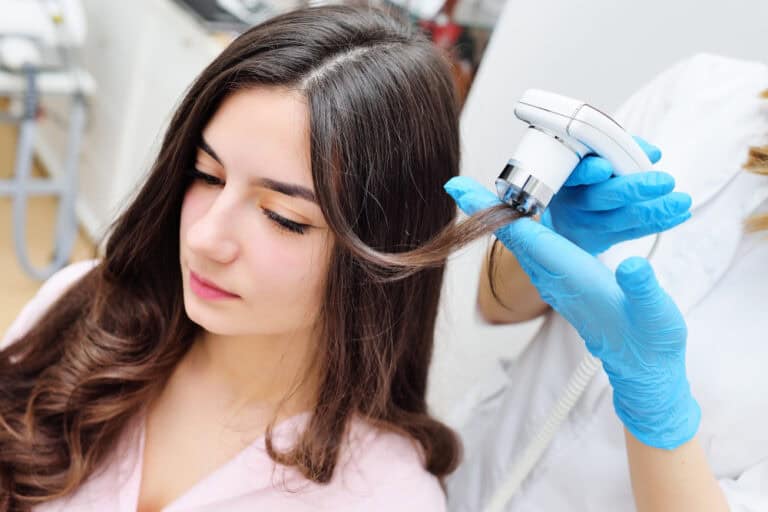
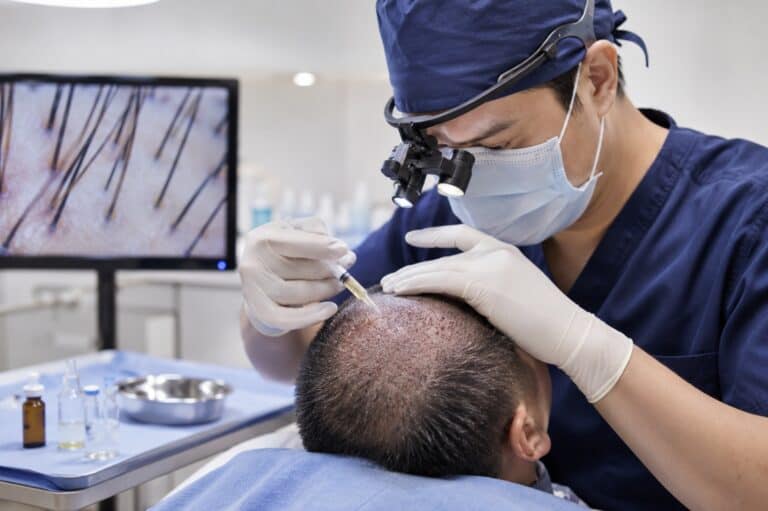
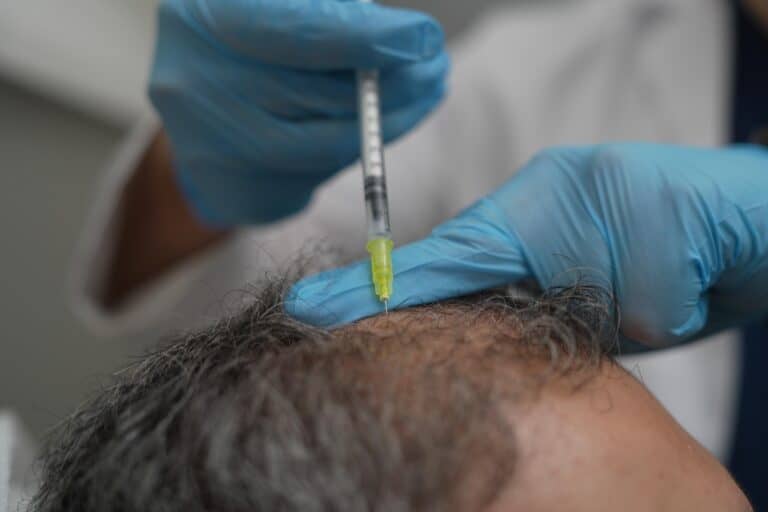
A good stem cell therapy plan for hair loss begins before any injections. It should include taking standardized photos with the same lighting each time, doing a full-scalp trichoscopy, and counting hairs per square centimeter in specific areas. If you skip this step, your “before and after” photos are just pictures taken under different lighting, not real evidence.
From this point on, every milestone is measured against that single number, not just a vague sense of “fuller” or “thinner.” If a clinic does not do a baseline trichoscopy, they cannot honestly tell you in six months if the treatment worked.
Month 1: The Shedding Nobody Mentions
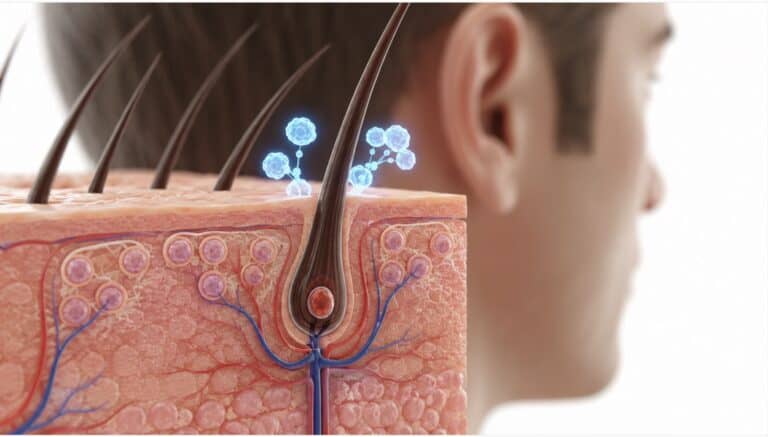
This is the point when many people feel like giving up, and it’s important to pause and understand why. In the first few weeks of stem cell therapy for hair loss, some patients notice more hair falling out than usual. Clinically, this is called mild telogen effluvium. At first glance, it can seem like the treatment is doing the opposite of what you expected. But that’s not the case. Hair grows in cycles: growth, transition, rest, and shedding. Treatments that stimulate hair follicles often push a group of resting hairs to fall out at the same time, making room for new growth to begin together. This stage is a checkpoint, not a setback. If patients stop now, thinking the treatment is failing, they are leaving during the least typical week of the process. By the end of the first month, you likely won’t see visible improvement yet, and that’s completely normal.
Month 3: The First Honest Checkpoint
Around the three-month point, most people notice a change, even if it’s small. Daily hair shedding often slows down, and some patients see fine baby hairs growing where hair was thinning. Bathroom lighting might make it seem like nothing has changed, but that’s okay. The mirror was never the best way to measure progress.
A repeat trichoscopic count is more reliable. This is when the clinic can show something objective: a small increase in hair count per centimeter compared to Month 0 in the areas that are responding. It’s still early, and this isn’t the final result, but it’s the first real data point since the start.
Month 6: Where the Real Change Shows Up
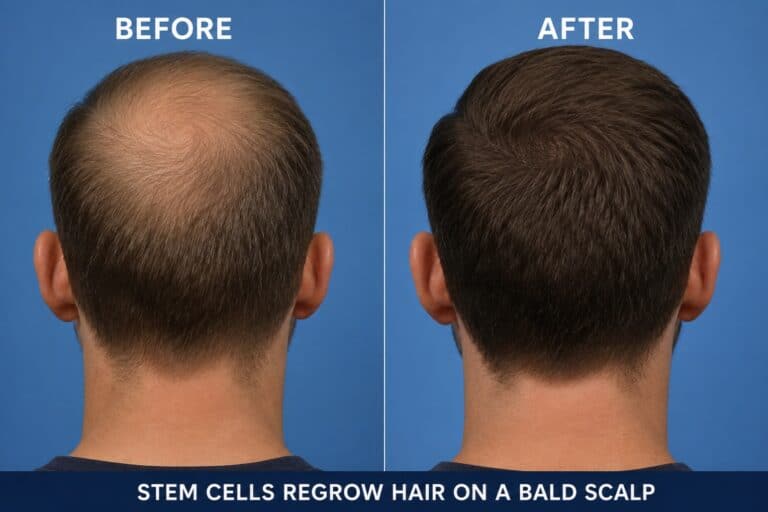
If stem cell therapy for hair loss is effective, you can usually see measurable results by Month 6. Patients who respond often show a real increase in hair count per square centimeter compared to their own starting point. Studies often report a 20 to 30 percent improvement in hair density, measured using repeat trichoscopy rather than by looking at photos alone.
The keyword in the last paragraph is “responders”. That number only refers to people who actually benefit from the treatment, not everyone who receives it. It’s a good idea to ask a clinic directly what percentage of its patients see these results, and how it defines and counts those who do not.
Months 7 to 12: Things Slow Down, On Purpose
From Month 7 to Month 12, density gains from stem cell therapy for hair loss usually continue to increase, albeit at a slower pace, before leveling off. It is also common for hair shaft thickness and texture in areas that were previously thinning to keep improving even after the density stops rising. In these cases, strand quality often improves before or after the overall count changes. Around the one-year mark, most treatment plans shift from the initial phase to maintenance. Since this therapy adds biologically active material rather than making a permanent change to the scalp, having a maintenance session between 12 and 18 months is a normal part of maintaining your results. This does not mean the first round was unsuccessful.
Who Doesn’t Respond
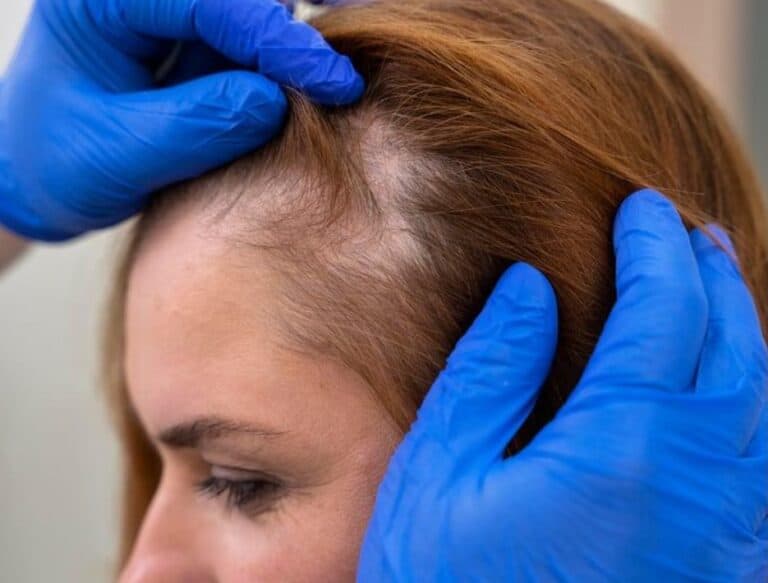
The most important factor in predicting whether someone will respond to treatment is the condition of their hair follicles at the start. If a patient’s trichoscopy shows empty or completely nonviable follicular units, they are least likely to see a meaningful increase in hair density. This is because stem cell therapy for hair loss helps follicles that are still struggling, but it cannot bring back ones that are already gone.
There are a few other common factors among people who do not respond to treatment. These include advanced Norwood or Ludwig stages with large areas of non-viable follicles, hormonal causes of hair loss that were not treated simultaneously, and expectations that are simply too high. Trying to make the scalp look like it did at age twenty is a very different goal from making real improvements in the follicles that are still healthy. Mixing up these goals often leads to disappointment, even if the treatment was done properly.
What to Actually Ask For in Photo Documentation
A clinic that takes stem cell therapy for hair loss seriously should use standardized photography at each checkpoint, with the same lighting, distance, and angle at months 0, 3, 6, and 12. However, photos are actually the weakest form of evidence in this process. Even small changes, like a different light bulb, a closer camera angle, or a new haircut, can make an average result look dramatic.
Ask for the trichoscopic numbers behind the photos, such as actual hair-count-per-cm² data at each checkpoint, instead of just comparing images side by side. Also, find out whether anything else was used during the same period, such as finasteride, minoxidil, or PRP. When treatments are combined, it becomes impossible to know if stem cell therapy alone caused the results you see.
Frequently Asked Questions
Is shedding in Month 1 a sign that stem cell therapy for hair loss isn't working?
No, for most patients who experience it, it’s the opposite. Early shedding usually means resting-phase hairs are cycling out to make room for the next growth phase, not that the treatment has failed. The concerning pattern would be shedding that continues past Month 2 with no density recovery by Month 6, which is worth flagging to your clinician directly rather than guessing.
How many sessions of stem cell therapy for hair loss are typically needed?
This varies by protocol and by how a clinic doses cell count, but most programs are built around fewer, more intensive sessions rather than a long weekly series reflecting the fact that the cells are meant to keep signaling in the tissue after the appointment rather than needing constant reintroduction. Your clinician should be able to tell you the session count and spacing before you start, not after.
When will I actually see results from stem cell therapy for hair loss?
Subtle changes less shedding, the odd baby hair are realistic by Month 3. The measurable, trichoscopy-confirmed density improvement most people are actually looking for tends to show up around Month 6, with continued gains through Month 12. Anyone promising visible results inside the first few weeks isn’t describing how this treatment actually works.
What if I don't respond to stem cell therapy for hair loss at all?
Non-response is real, and it’s usually tied to follicle viability at baseline if trichoscopy shows the treated area already has empty or non-viable follicular units, there’s less for the treatment to work with, and outcomes are less predictable. This is exactly why a baseline trichoscopic assessment before starting matters more than any other single step in the process.
The difference between a clinic that can back this timeline up and one that can’t usually comes down to one question: can they show you trichoscopic numbers, not just photos, at each checkpoint. That’s the standard worth asking for before you commit to stem cell therapy for hair loss anywhere including here.
If you want a straight answer on where your own scalp stands, book a consultation that starts with a trichoscopic assessment, not a treatment quote. It’s the only way to know, honestly, whether you’re a candidate before either of us spends time or money assuming you are.

The Vega Derma Medical Team consists of board-certified dermatologists, specialized trichologists, and clinical researchers based in Bangkok, Thailand. Our team specializes in evidence-based regenerative dermatology, complex tissue repair, and advanced hair restoration (including precision FUE and FSE). Every protocol and article we publish is medically reviewed to ensure it meets international clinical standards, providing safe, science-backed guidance for our local and international patients.