
A stem cell hair transplant is not what most patients expect. It describes a specific, still-investigational procedure rather than the umbrella term many patients assume covers everything from injections to surgery. Understanding what it actually is, and what it isn’t, matters when weighing hair restoration options.
Patients researching hair restoration often encounter the phrase without a clear sense of what it technically involves, how it differs from a standard transplant, or whether it’s something they can currently access. Here’s what a stem cell hair transplant actually is, what current evidence and regulatory status say about it, and where physician-led regenerative options fit for patients today.
What Is a Stem Cell Hair Transplant?
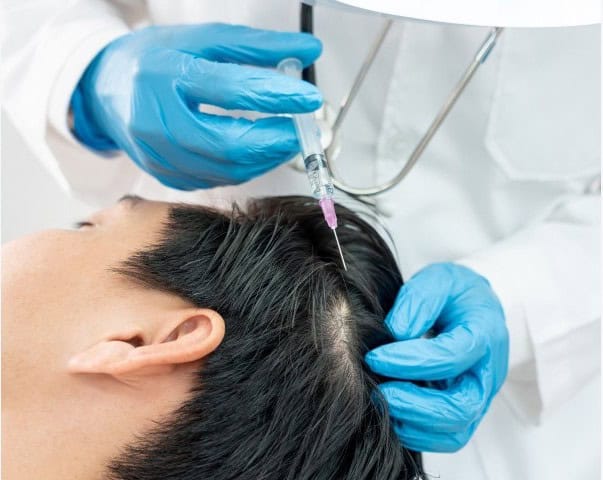
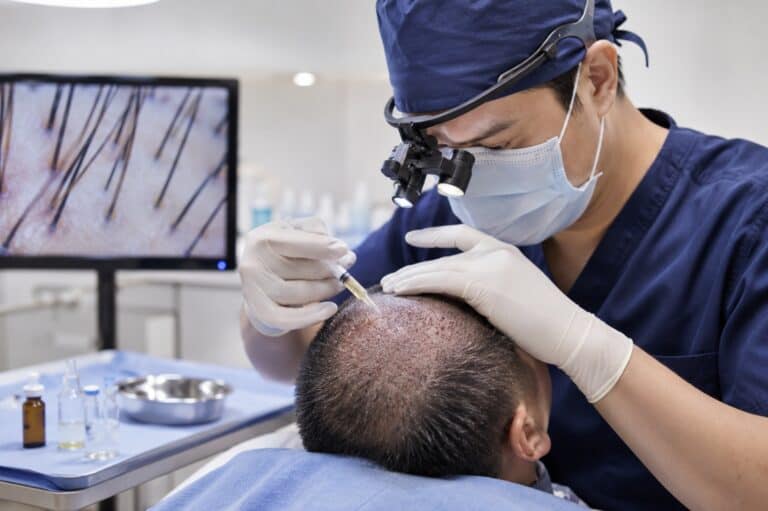
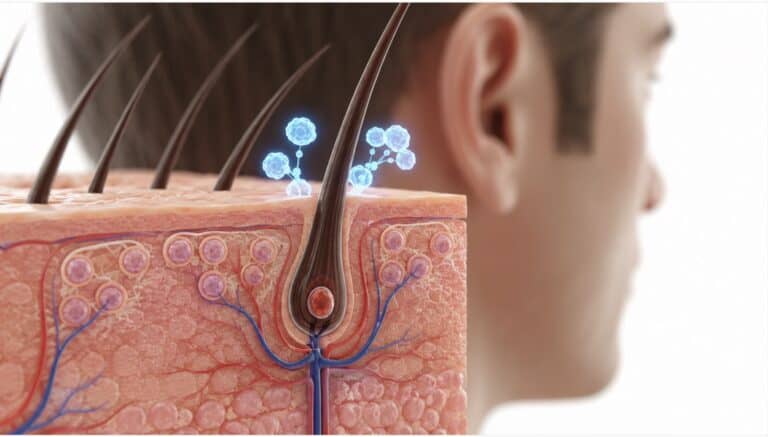
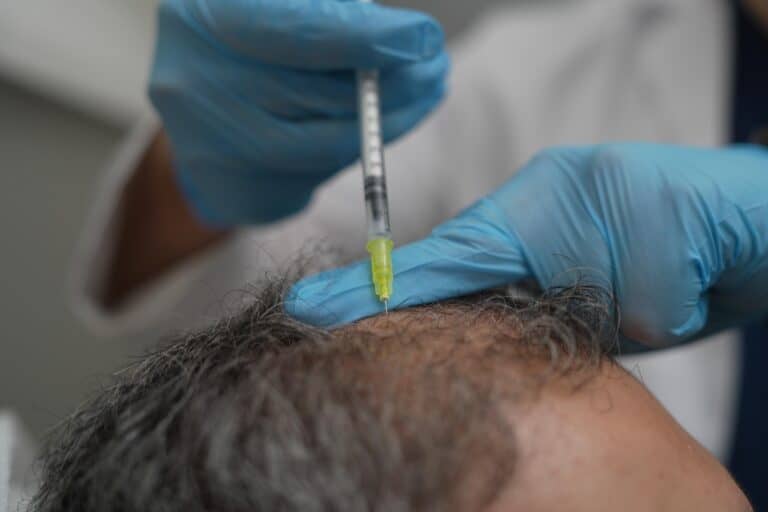
A stem cell hair transplant is an injection-based procedure. The approach involves a small tissue sample processed in a laboratory to isolate cells, which are then re-injected into thinning areas of the scalp. This is distinct from relocating existing follicles surgically.
A traditional hair transplant moves whole follicular units from a donor area (usually the back of the scalp) to areas of thinning. A stem cell hair treatment of this kind does not move follicles, but instead attempts to reactivate dormant or miniaturized follicles by injecting processed cell populations. The mechanism, the equipment, and the patient experience are all different.
Regulatory status is a real differentiator here, as the procedure is not FDA-approved for hair loss as of now. The FDA has specifically advised patients to confirm that any stem cell procedure is either FDA-approved or being studied under an Investigational New Drug application before proceeding.
Is a Stem Cell Hair Transplant Permanent?
The direct answer is no. Published pilot studies measure density gains over weeks to months, not permanence.
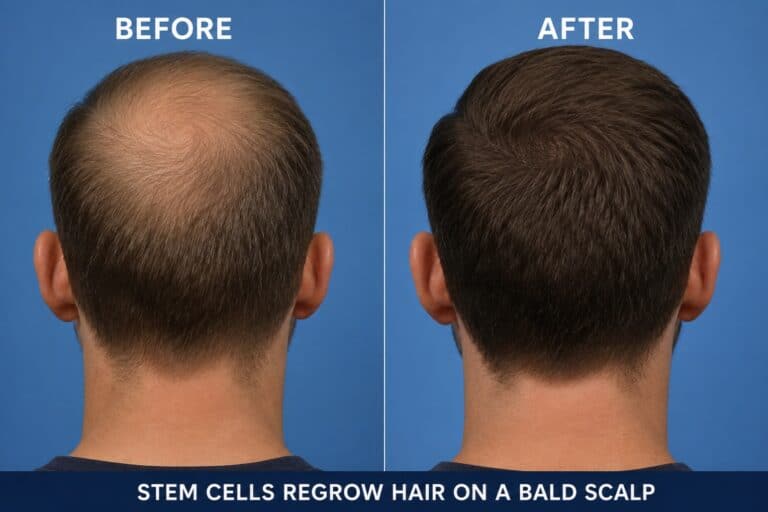
Here’s the general shape of the evidence: small Italian and South Korean pilot studies have reported density increases of roughly 25 to 30 percent, measured several months after treatment. However, these are early findings from small patient cohorts, not large randomized trials. Results vary by study and by patient, and clinics offering this procedure outside a formal trial setting cannot guarantee outcomes.
That is important context for anyone told the effect will “last a lifetime.” Unlike the timeline of approved hair transplant approaches, at the current state of research, stem cell hair regrowth from these protocols appears measurable but temporary for some patients, and long-term durability has not been established.
Stem Cell Hair Transplant vs. What Clinics Actually Offer
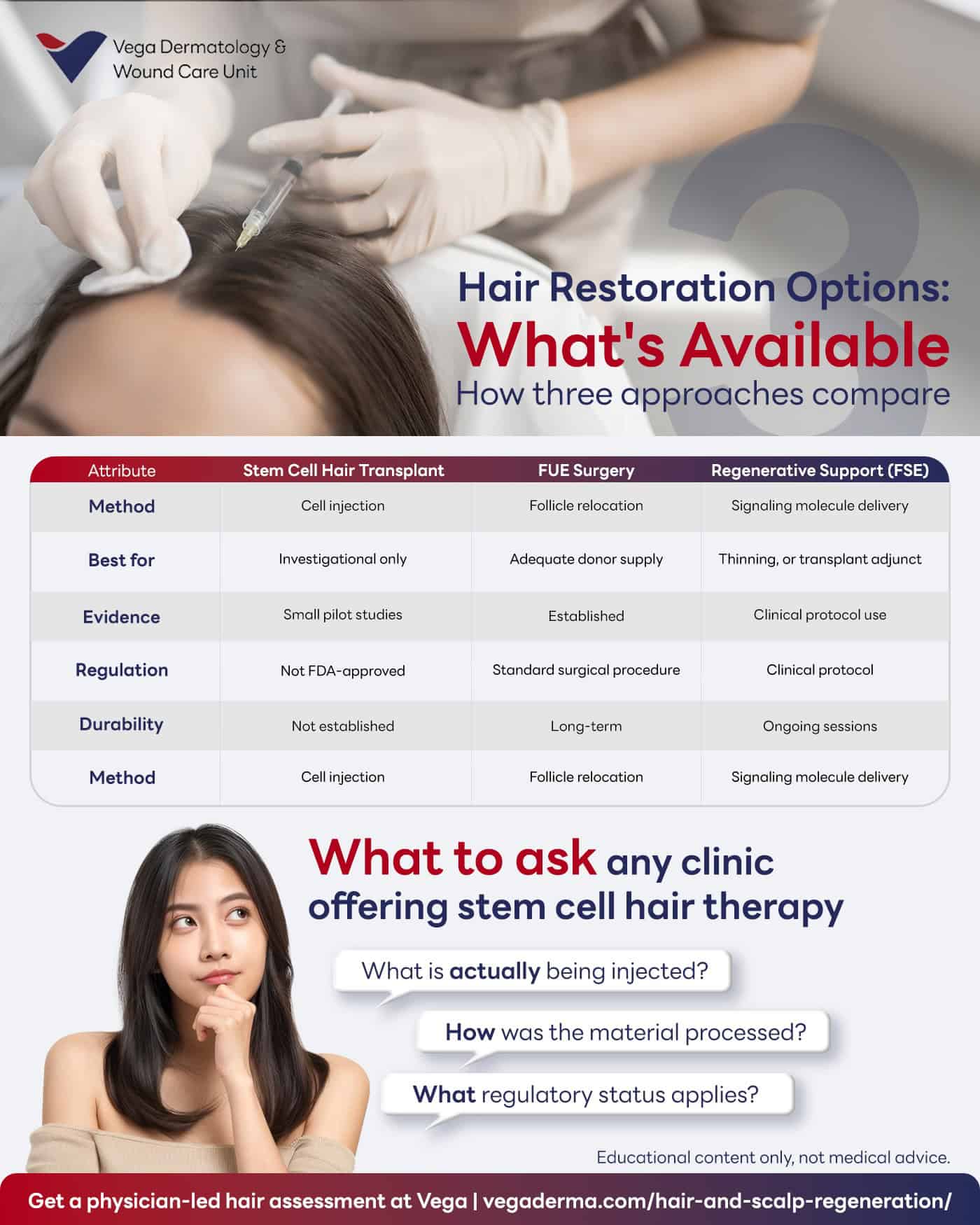
The literal live-cell-injection procedure described above is different from what many clinics, including Vega, currently provide under the broader banner of regenerative hair care. The public search term is often “stem cell hair transplant” or stem cell therapy for hair loss, but the delivery in practice is generally through concentrated bio-active signaling molecules rather than live-cell implantation.
This is an important distinction when comparing clinics, as a clinic offering “stem cell hair therapy” may be delivering any of several different underlying protocols. Ask what is actually being injected, how it was processed, and what regulatory status applies to the material used.
Hair Transplantation vs. Regenerative Follicle Support
Two established categories of care exist alongside investigational stem cell approaches.
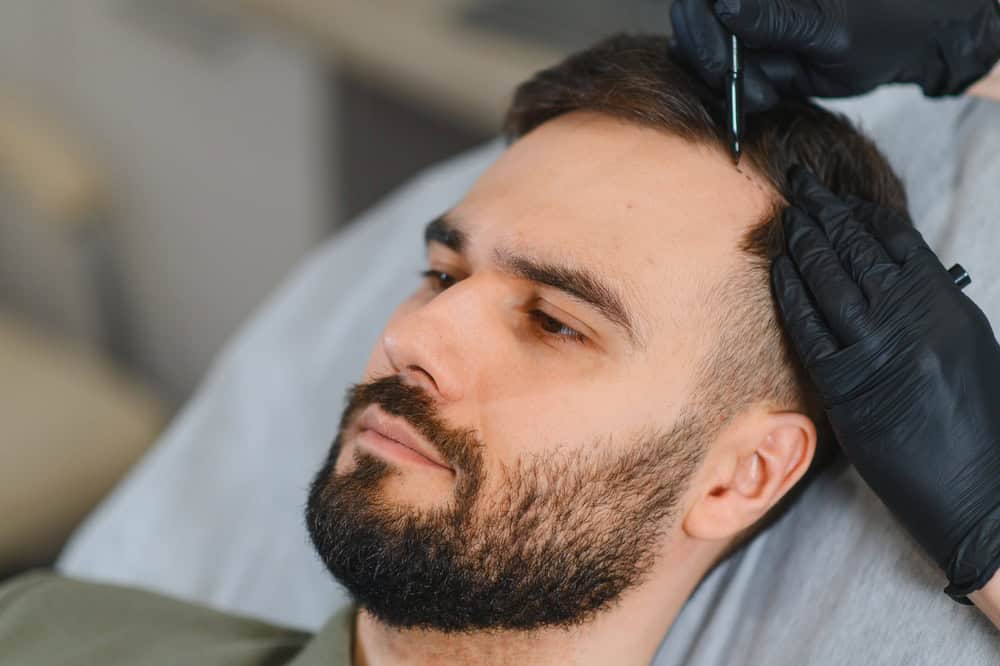
Surgical hair transplantation, most commonly Follicular Unit Extraction (FUE), relocates healthy viable follicles from the donor area into thinning or bald zones. This works well for patients with adequate donor supply and defined areas of loss. A well-run hair transplantation clinic will assess donor quality and treatment goals before recommending FUE.
Non-surgical regenerative follicle support, including protocols like hair follicle regeneration Thailand clinics offer under the FSE (Follicular Signaling Enhancement) umbrella, works differently. It targets follicles that are thinning but not yet lost, and can be used as an adjunct to surgical transplantation to support graft take and treatment response. It does not replace surgery when follicles are already gone.
Who Might Consider Regenerative Hair Support
Regenerative hair support may fit patients with early to moderate thinning, limited donor supply, or prior transplant results that need improvement. It also fits patients who want to explore stem cell hair restoration options before considering surgery.
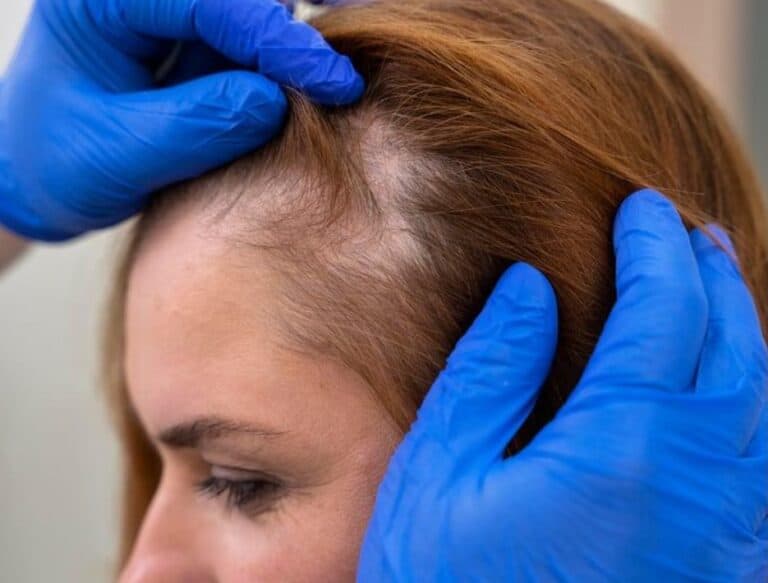
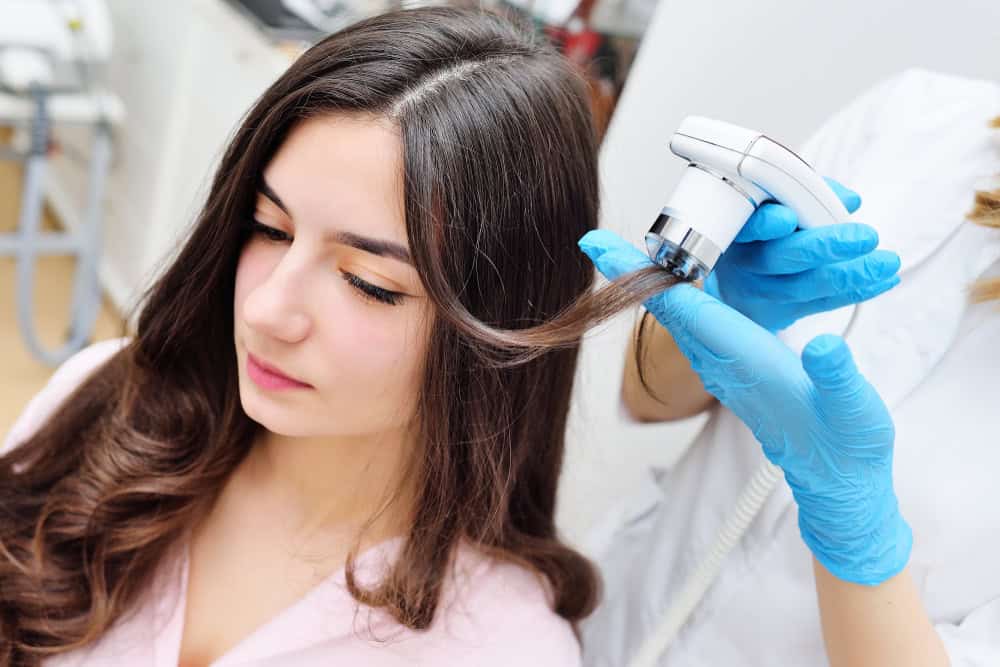
Trichoscopy-based assessment is the deciding factor rather than self-diagnosis. Scalp imaging allows a physician to see follicle density, miniaturization patterns, and scalp condition at a level the eye cannot. Regenerative protocols are suitable for both men and women following physician evaluation.
Vega’s Approach to Hair Restoration
At Vega Dermatology & Wound Care Unit in Bangkok, hair restoration is a physician-led program that combines FUE transplantation with Follicular Signaling Enhancement (FSE) and Hair & Scalp Regeneration under one medical team. The three approaches work together within one program.
Every treatment recommendation follows a structured trichoscopy-based assessment. With us, progress is tracked over 12 months with objective follow-up via a trichoscopy and photo comparison. Our program is led by Dr. Aritaj Aiumtrakul, an ISHRS-trained hair restoration and scalp specialist. English-speaking support is available throughout treatment for international patients, and our unit is part of the wider Vega Stem Cell Clinic regenerative-medicine group.
Choose an Evidence-Aware Path to Hair Restoration
A stem cell hair transplant, in the literal sense, is an investigational injection-based procedure that isn’t FDA-approved. Published studies show modest density gains rather than guaranteed or permanent results. Regenerative hair support offered in clinics today, including at Vega, generally works through bio-active secretome signaling and surgical FUE transplantation rather than live-cell implantation.
Vega Dermatology & Wound Care Unit’s hair program combines FUE transplantation, Follicular Signaling Enhancement, and Hair & Scalp Regeneration under the care of our hair restoration physicians, led by Dr. Aritaj Aiumtrakul with structured trichoscopy assessment and 12-month tracking. Choosing among approaches is a clinical decision that follows from a proper scalp assessment.
Book a consultation with our clinical team at Vega Dermatology & Wound Care Unit and explore your options for stem cell therapy for hair loss and hair follicle regeneration in Thailand today. With us as your hair transplantation clinic, a trichoscopy-based assessment can clarify which regenerative or surgical option, or combination, fits your pattern of thinning
References:
- Androgenetic Alopecia. Retrieved August 27, 2026, from https://www.ncbi.nlm.nih.gov/books/NBK430924/
- Hair Loss. Retrieved August 27, 2026, from https://medlineplus.gov/hairloss.html
- Consumer Alert on Regenerative Medicine Products Including Stem Cells and Exosomes. Retrieved August 27, 2026, from https://www.fda.gov/vaccines-blood-biologics/consumers-biologics/consumer-alert-regenerative-medicine-products-including-stem-cells-and-exosomes
- Hair Transplantation. Retrieved August 27, 2026, from https://www.ncbi.nlm.nih.gov/books/NBK547740/

The Vega Derma Medical Team consists of board-certified dermatologists, specialized trichologists, and clinical researchers based in Bangkok, Thailand. Our team specializes in evidence-based regenerative dermatology, complex tissue repair, and advanced hair restoration (including precision FUE and FSE). Every protocol and article we publish is medically reviewed to ensure it meets international clinical standards, providing safe, science-backed guidance for our local and international patients.