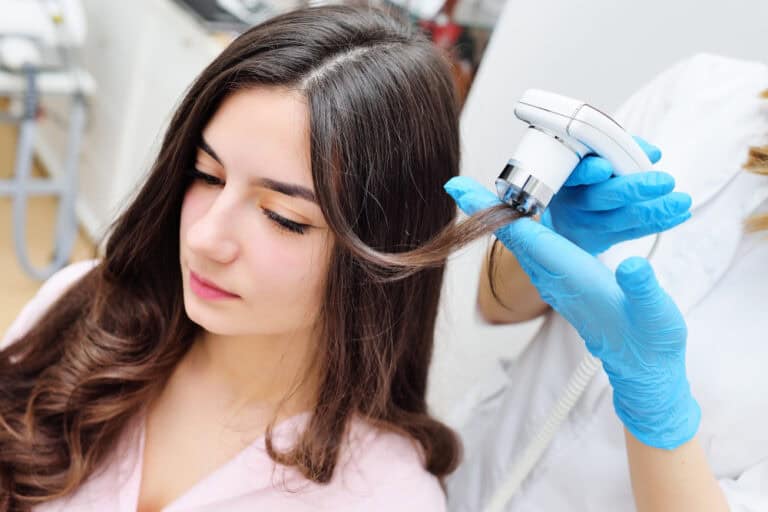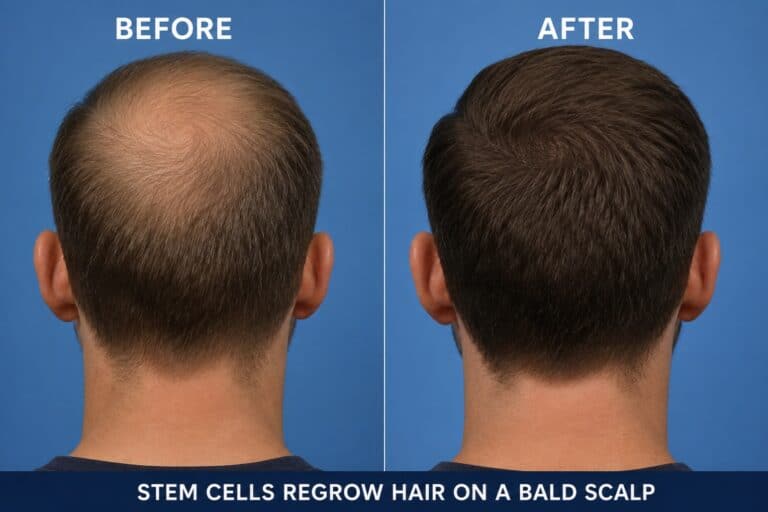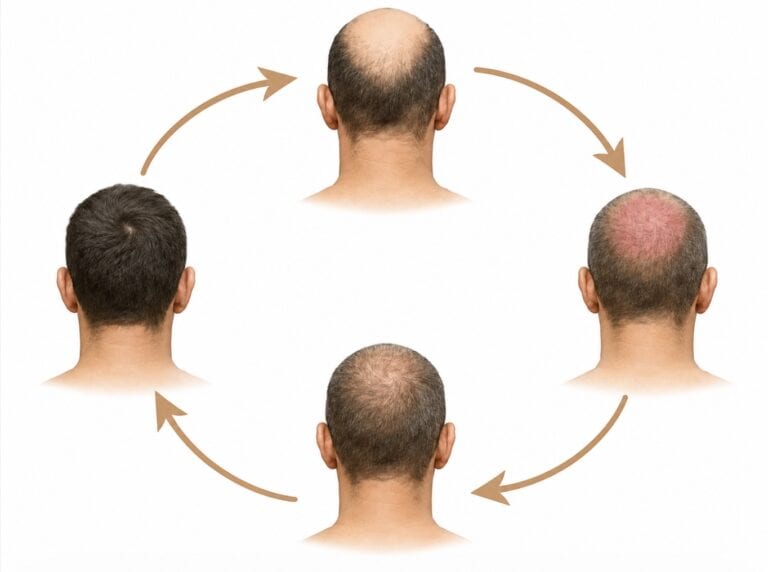


The right choice when comparing PRP vs FSE for hair loss depends on the stage of thinning, whether a transplant is planned, and what a scalp assessment reveals. PRP and FSE are two names that will appear in any research on non-surgical hair loss solutions. While both might help with thinning hair without surgery, they operate differently and are better for distinct scenarios.
What Is PRP Hair Treatment?
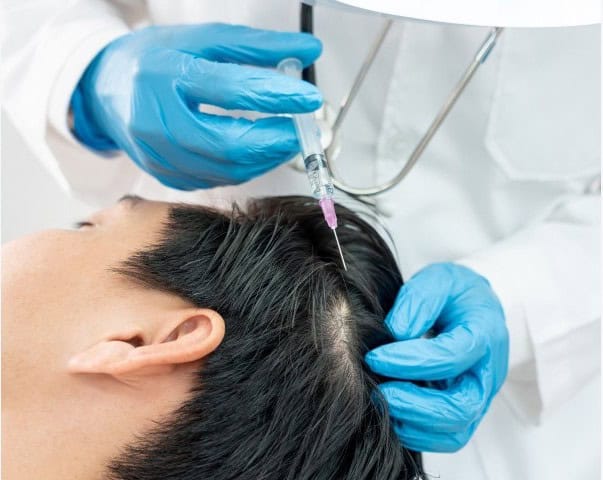
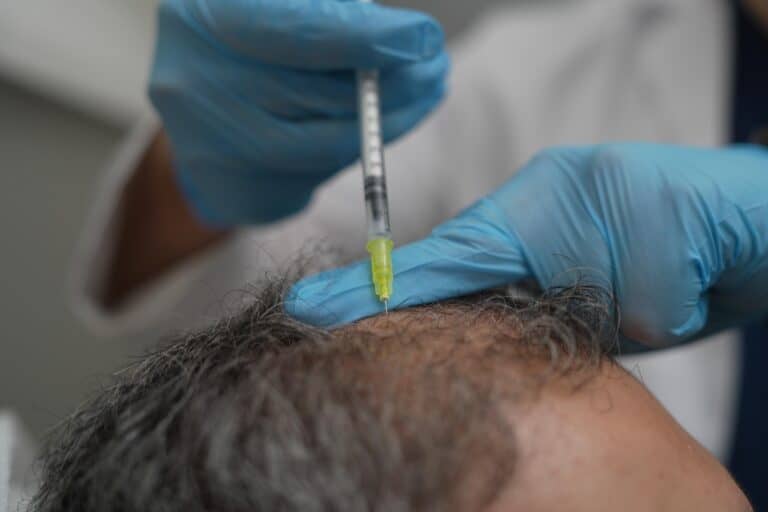
PRP, or platelet-rich plasma, is a non-surgical treatment that begins with a small blood sample drawn from the patient. That sample is spun in a centrifuge to concentrate the platelets, which carry growth factors that may support existing follicles when applied to thinning areas of the scalp. These growth factors support hair returning to a normal growth cycle by aiding thinner, weaker strands. Consequently, PRP is ideal for individuals experiencing early to moderate hair loss who still possess visible hair in the treated area. For areas that have been fully bald for an extended period, PRP is generally not considered, as the follicles may no longer be viable enough to respond.
How Long Does PRP Hair Treatment Last?
Most PRP protocols begin with an initial series of sessions spaced a few weeks apart, and visible changes usually start to appear from around three to six months after treatment begins. The results, however, are not permanent, so most patients need maintenance sessions every several months to hold the improvement. The duration and effectiveness of results can differ based on age, hair loss severity, and scalp condition, making physician-guided PRP most beneficial within a comprehensive treatment strategy. If a patient’s thinning affects more than just the hair follicles, another method might be beneficial.
What Is FSE for Hair Loss?
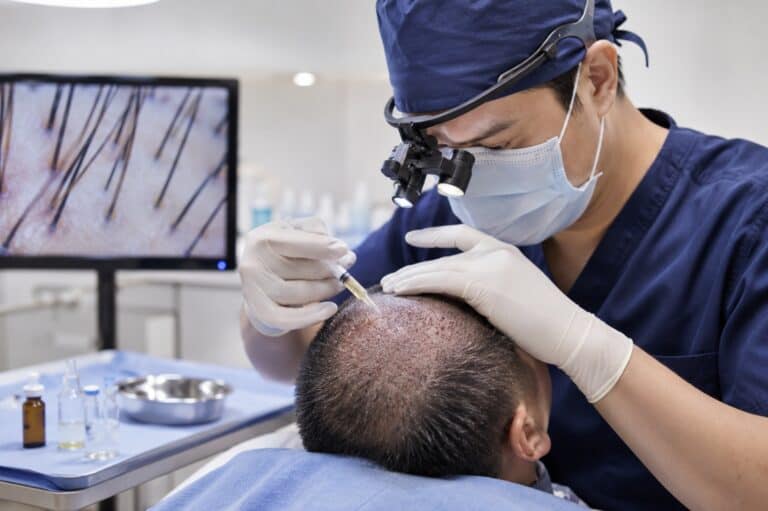
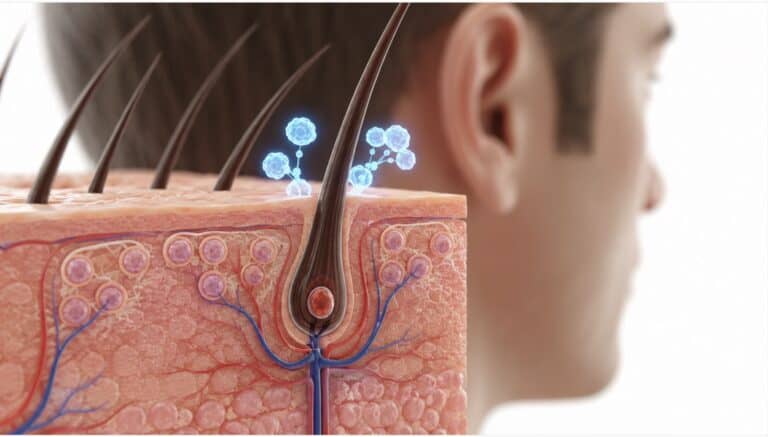
While PRP targets the follicle directly, Follicular Signaling Enhancement, or FSE, takes a different approach by focusing on the scalp environment around the follicle. It uses concentrated signaling molecules delivered into the area surrounding the follicles to address circulation, low-grade inflammation, and the biological signaling that determines whether a follicle stays dormant or restarts its growth cycle.
This environmental focus makes FSE particularly relevant for patients whose scalp shows signs of chronic inflammation or reduced blood flow alongside visible thinning. This can also be viewed in conjunction with hair transplantation to enhance graft results, as the scalp conditions affecting natural hair also impact the successful integration and survival of transplanted follicles. The main point for selecting the best treatment or determining if both are necessary is understanding the differences between this approach and PRP.
PRP vs FSE: The Key Differences
Although both treatments support thinning hair without surgery, they differ in several important ways:
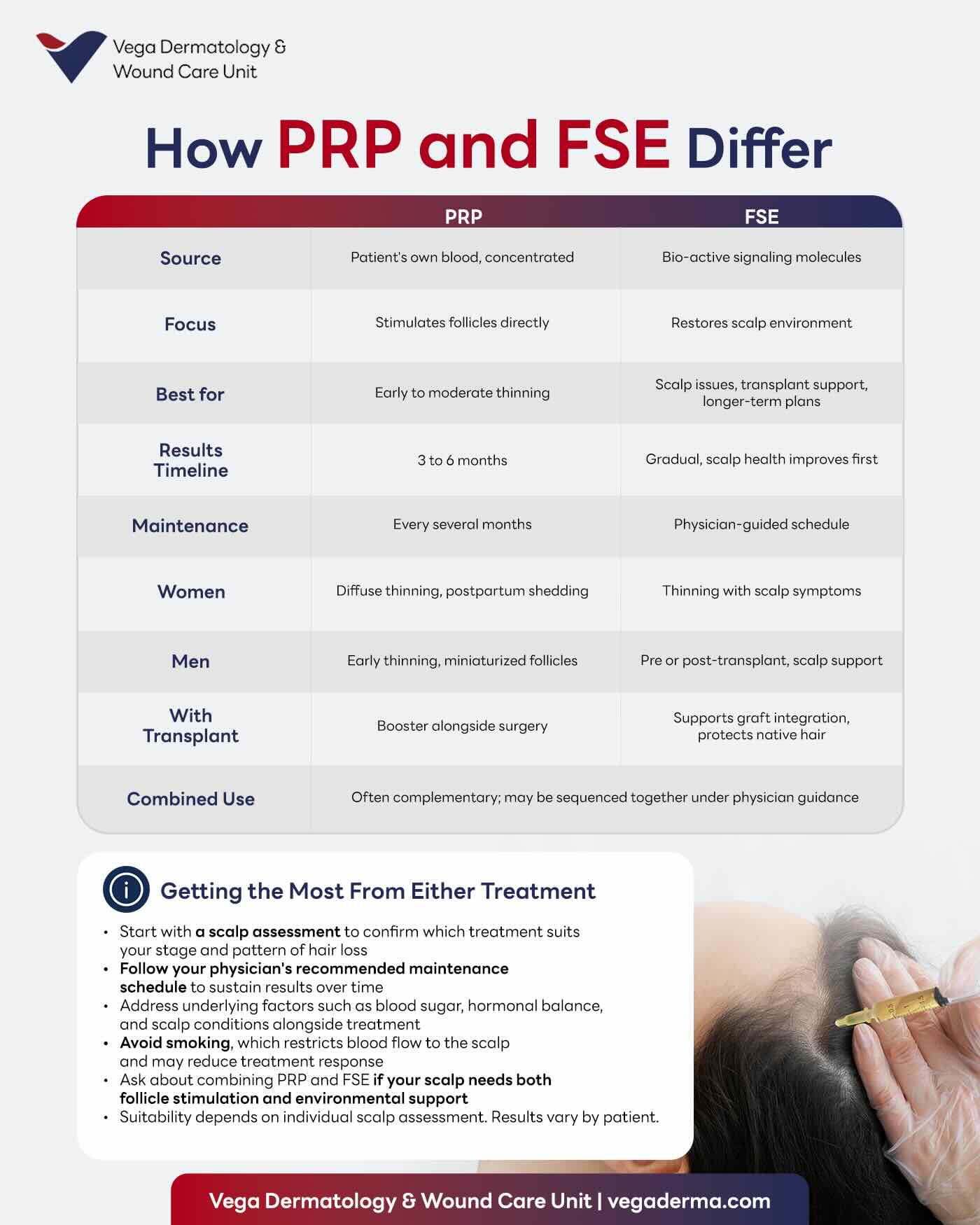
- What they use: PRP is drawn from the patient’s own blood, while FSE uses signaling molecules delivered into the follicle environment.
- What they target: PRP stimulates existing follicles directly through platelet-derived growth factors, while FSE focuses on restoring the scalp environment around the follicle.
- How they fit into a plan: PRP works well as a booster in early to moderate thinning, while FSE suits patients wanting a longer-term regenerative approach or those planning a hair transplant.
The two often complement each other because they operate using different methods. Combining PRP and FSE under a doctor’s supervision could provide a more comprehensive solution for certain patients, especially when simultaneously stimulating follicles and improving the scalp’s condition is necessary.
PRP vs FSE for Hair Loss in Women
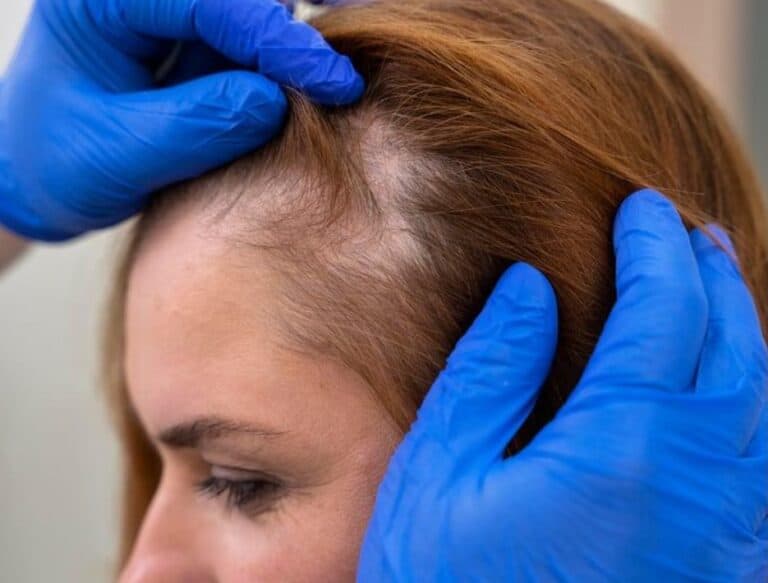
Female pattern hair loss tends to be more diffuse and often involves hormonal factors, which means the treatment plan usually needs to address more than the follicle alone. PRP may suit women with early to moderate thinning, persistent postpartum shedding, or those wanting to reduce reliance on daily medications, while FSE may suit women whose thinning comes with scalp symptoms such as itching or sensitivity, or where earlier approaches have not delivered the expected result. The choice between PRP vs FSE for hair loss in female patients often comes down to whether the primary issue is follicle weakness or broader scalp environment factors.
PRP vs FSE for Hair Loss in Men
Male pattern hair loss follows a different trajectory, usually presenting as a receding hairline or thinning at the crown driven mainly by genetic and hormonal factors. PRP may suit men in early to mid-stage thinning who still have miniaturized follicles in the pattern area and want to slow visible thinning before considering a transplant. FSE may suit men who are planning a transplant or who have already had one, since it works on the scalp environment where grafts settle and native hair needs ongoing support. Some men benefit from starting with PRP to assess how their scalp responds, then adding FSE if a transplant becomes part of the longer-term plan. When evaluating PRP vs FSE for hair loss in male patients, the deciding factor is often whether the goal is a short-term biological boost or a longer-term environmental foundation.
Which One Fits Your Situation?
Neither PRP nor FSE is universally better, and the right choice depends on the stage and pattern of hair loss, whether a transplant is planned, and what a proper assessment shows. PRP tends to lead when the goal is a straightforward biological boost for existing follicles, while FSE tends to lead when the scalp environment itself needs work or when a longer-term regenerative plan matters more than a short-term lift. For some patients, the answer is both, sequenced under physician guidance.
Vega Dermatology & Wound Care Unit provides hair follicle regeneration and hair follicle stem cell therapy in Thailand through a physician-led program where PRP and FSE are among the treatment options available. Every plan starts with a detailed scalp assessment, so recommendations are based on what your hair actually needs rather than a one-size-fits-all protocol. To understand how PRP and FSE can best serve you, whether you’re new to them or considering them for the long haul, schedule a consultation with our clinical team. They’ll help you determine the right approach for your hair loss stage and next steps.
References:
- Platelet-rich plasma for androgenetic alopecia: A review of the literature and proposed treatment protocol. Retrieved 14 July 2026, from https://www.ncbi.nlm.nih.gov/pmc/articles/PMC6374694/
- Platelet-Rich Plasma Effectiveness in Treating Androgenetic Alopecia: A Comprehensive Evaluation. Retrieved 14 July 2026, from https://pmc.ncbi.nlm.nih.gov/articles/PMC11817460/

The Vega Derma Medical Team consists of board-certified dermatologists, specialized trichologists, and clinical researchers based in Bangkok, Thailand. Our team specializes in evidence-based regenerative dermatology, complex tissue repair, and advanced hair restoration (including precision FUE and FSE). Every protocol and article we publish is medically reviewed to ensure it meets international clinical standards, providing safe, science-backed guidance for our local and international patients.