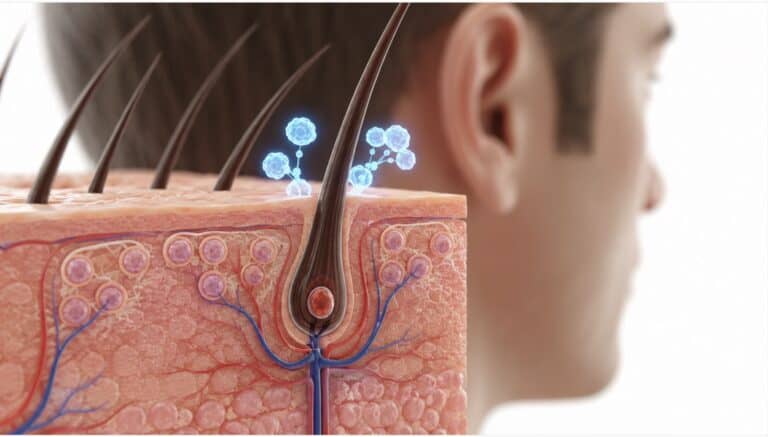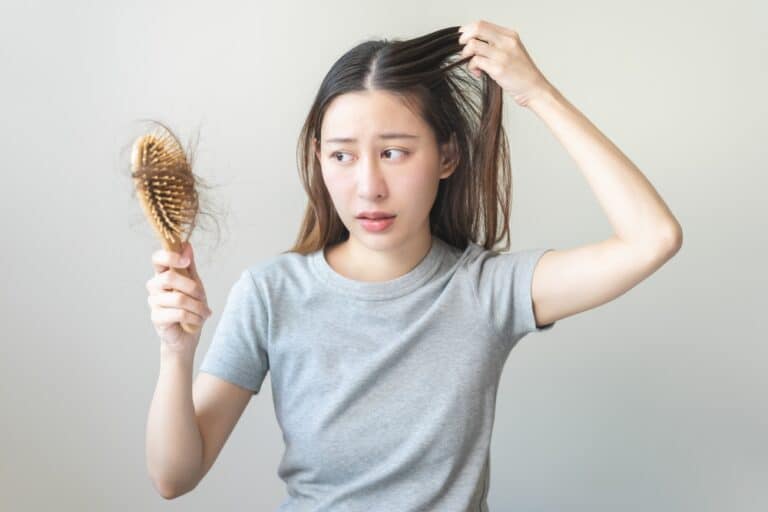

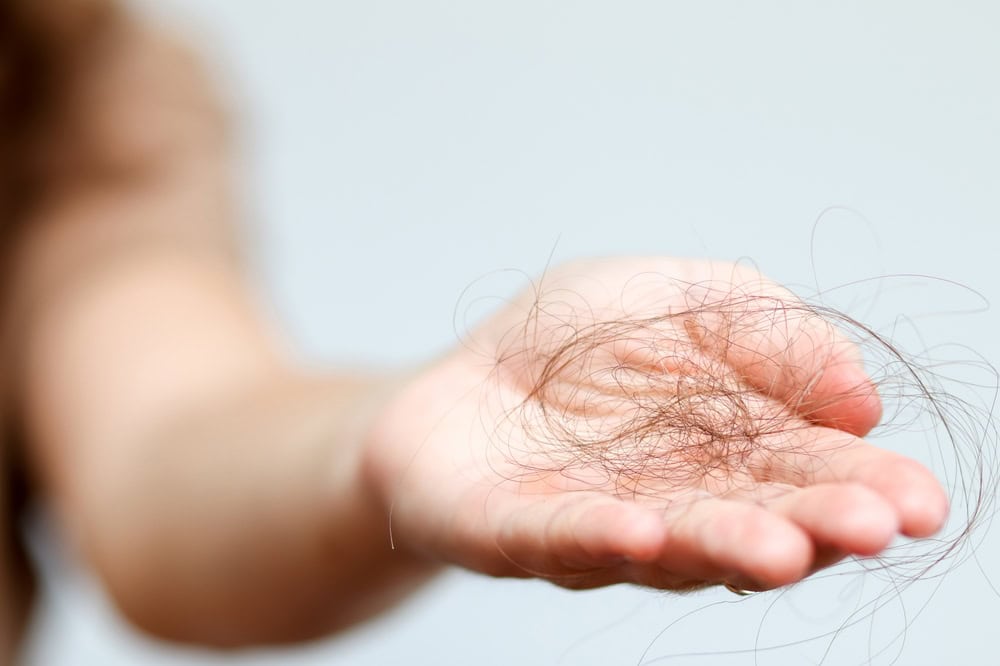
The foundation of healthy hair is the scalp, and a follicle is the origin point for each strand. This living structure influences hair thickness, density, and the duration of the hair growth phase. It is normal to lose 50 to 100 hairs daily. Recovery hinges on the cause, the duration of the disruption, and the follicle’s viability.
What Hair Follicles Do and Why They Matter
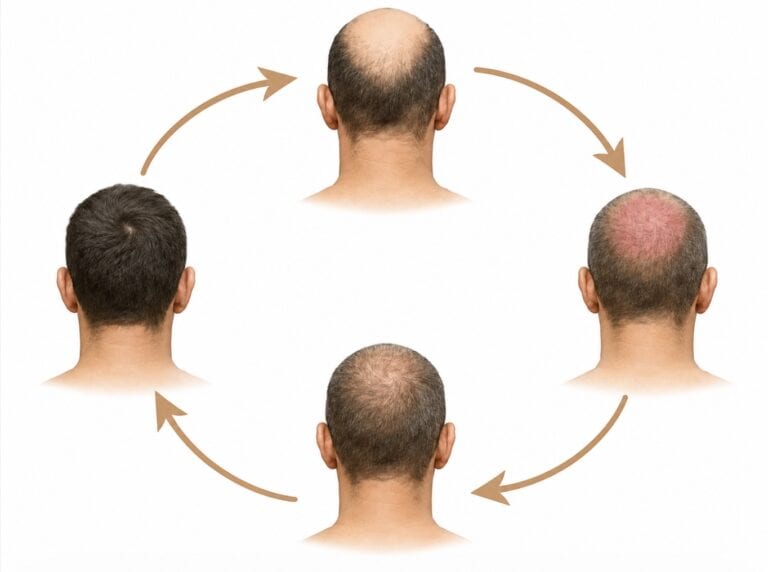
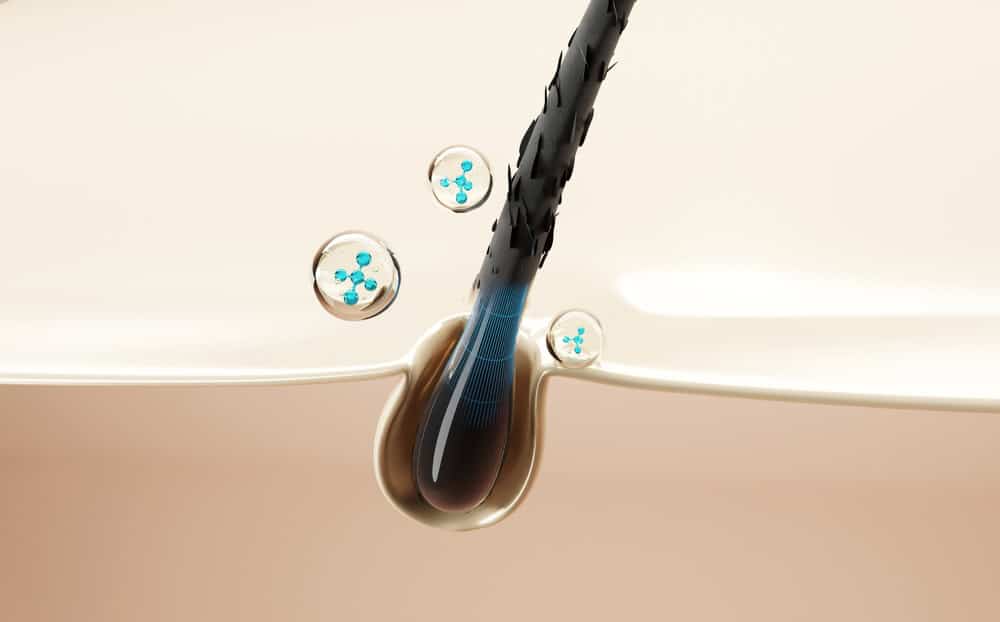
Every follicle moves through a continuous three-phase lifecycle: anagen (active growth lasting several years), catagen (a brief transitional phase), and telogen (a resting phase that ends with the hair shedding to make room for a new strand).
At any given moment, follicles across the scalp are in different phases, which is why normal daily shedding does not thin the hair.
However, hair follicles may be affected by two distinct processes: miniaturization, which involves a gradual structural weakening of the follicle, and telogen effluvium, which temporarily disrupts the growth cycle without necessarily damaging the follicle itself.
A telogen shift, typically spurred by stress, sickness, or hormonal fluctuations, is when numerous hair follicles simultaneously enter their resting stage. You’ll notice more hair falling out on your pillow, in the shower, and where your hair parts.
The two scenarios above occur for several reasons:
- Aging: The anagen (growth) phase shortens with age, producing finer, shorter hair over successive cycles.
- Genetics: Androgenetic alopecia causes progressive miniaturization in genetically predisposed individuals through sensitivity to dihydrotestosterone (DHT).
- Hormonal shifts: Postpartum estrogen withdrawal, thyroid dysfunction, and menopause can trigger telogen effluvium by disrupting the follicular cycle.
- Scalp inflammation: Persistent conditions such as seborrheic dermatitis or folliculitis can compromise the follicular environment and, in severe or untreated cases, cause permanent follicle damage.
- Nutritional gaps: Deficiencies in iron, zinc, protein, or vitamin D are associated with increased shedding.
- Chronic stress: Significant physiological or psychological stress can push a greater proportion of follicles into the resting phase, leading to diffuse shedding weeks to months after the trigger.
Signs Your Hair Follicles May Be Weakening
The earliest signs of miniaturization are subtle. Many people first notice the change under bright bathroom lighting or in photographs before it becomes obvious in a mirror. Watch for:
- Increased daily shedding beyond the usual 50 to 100 hairs.
- Finer strand diameter, where hairs feel softer or less substantial than before.
- A widening part or more visible scalp along the crown.
- Slower regrowth after haircuts or routine shedding.
- Reduced overall density, especially at the temples, hairline, or crown.
Not every kind of hair loss is miniaturization, and some patterns need earlier attention. Seek professional evaluation if you notice:
- Sudden or excessive shedding, which may point to telogen effluvium triggered by stress, illness, hormonal changes, or medication.
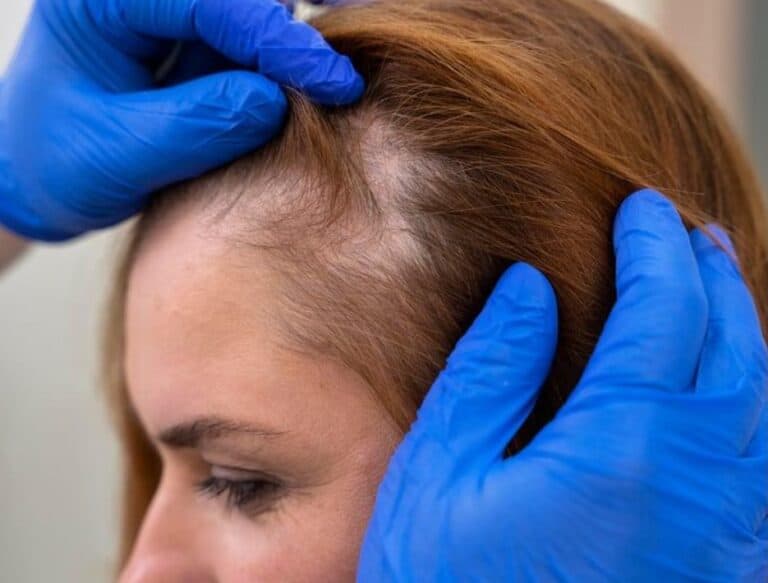
- Patchy or circular bald spots, which may indicate alopecia areata or a scarring condition.
- Persistent scalp itching, redness, flaking, or tenderness, which suggests inflammation rather than pattern loss.
- Thinning that continues for more than three months despite a stable diet and general health.
Early assessment gives patients the best opportunity to strengthen hair follicles and preserve density before miniaturization becomes advanced or another underlying cause progresses.
How to Strengthen Hair Follicles at Home
Support Scalp Health
- Keep the scalp clean: Regular, gentle cleansing removes buildup that can irritate follicles and clog the follicular opening.
- Manage dandruff and inflammation: Persistent flaking is a signal, not just a cosmetic issue.
- Limit heat and harsh chemistry: Frequent bleaching, relaxing, or high-heat styling weakens the shaft and stresses the follicle base.
Optimize Nutrition
Adequate protein, iron, zinc, vitamin D, and B vitamins support the metabolic demands of hair production. A balanced diet is usually preferred over isolated supplements for most patients, though diagnosed deficiencies may benefit from targeted correction.
Reduce Daily Mechanical Stress
Tight ponytails, aggressive brushing, and rough handling of wet hair place tension on the follicle. Patients may be able to strengthen hair roots by simply adopting gentler daily habits to prevent breakage.
Can Hair Follicles Grow Back After Falling Out
In many cases, hair does grow back after falling out from the root. If the follicle remains structurally intact, a new hair enters the next anagen phase and grows normally. Repeated damage or progressive conditions such as androgenetic alopecia may require medical treatment to preserve follicle function over the long term.
When Hair Follicle Regeneration Therapy May Help
Current regenerative options focus on supporting the scalp environment and follicular activity.
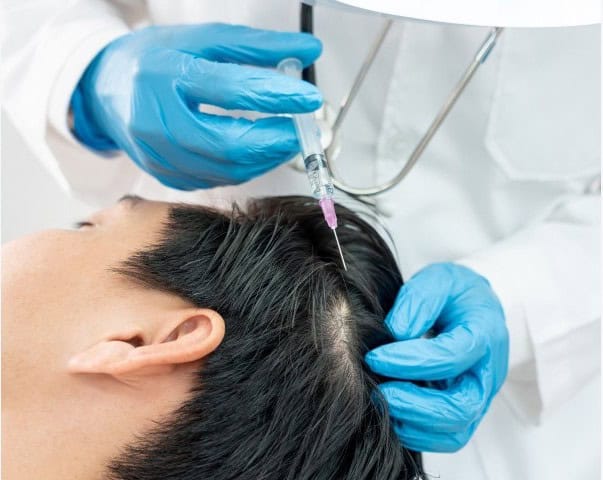
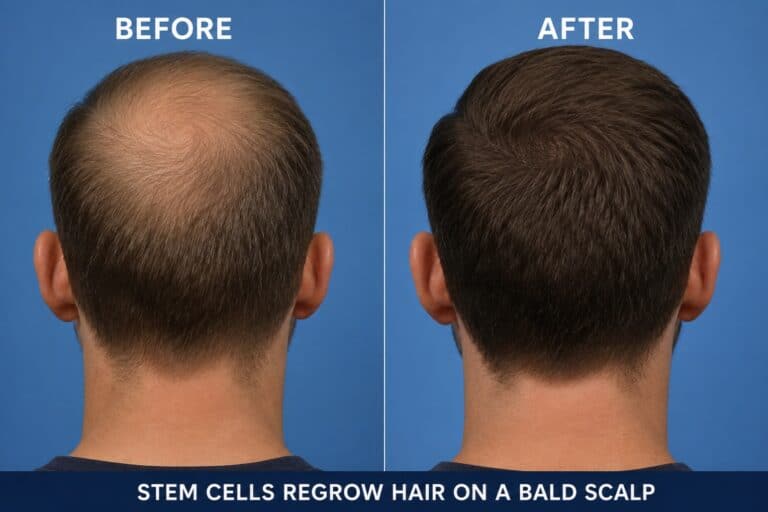
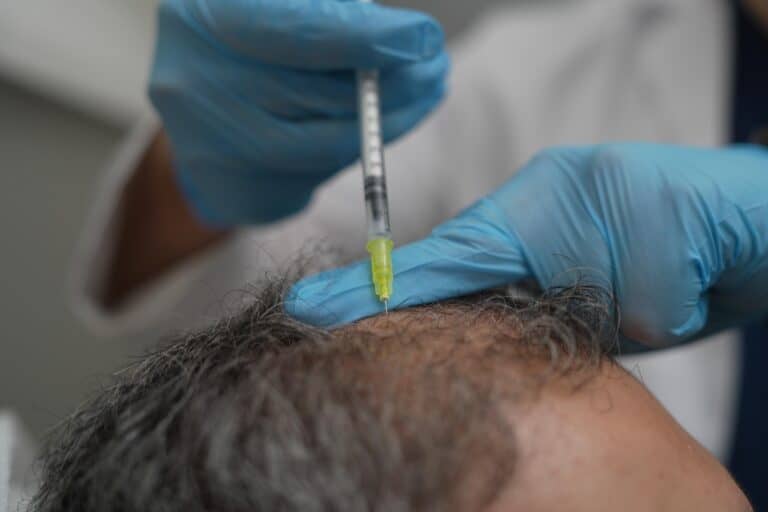
Follicular Signaling Enhancement (FSE) is one such approach that delivers signaling molecules and growth factors intended to reactivate dormant follicles, kickstarting the anagen (growth) phase of your hair cycle.
In suitable candidates, it is used alongside individualized medical assessment and may be combined with other hair restoration approaches. Treatment response varies by patient, and results depend on the underlying cause of hair loss.
You may be an ideal candidate for FSE if you are experiencing:
- Early-stage thinning: You notice a widening part or reduced density.
- Pattern hair loss: You’re experiencing male or female pattern hair loss where miniaturization is not yet advanced.
- Slower regrowth: You notice hair taking longer to return after routine shedding.
- Post-transplant support: You want to support graft outcomes and native follicles around the recipient area.
Restore Hair Vitality Today
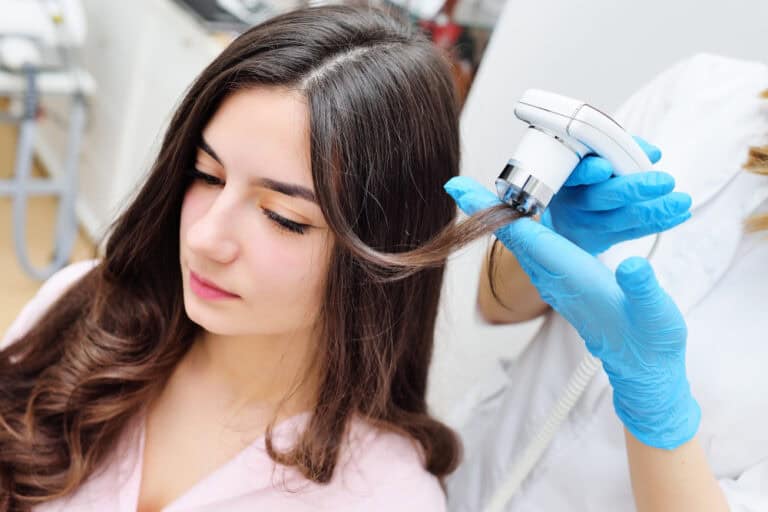
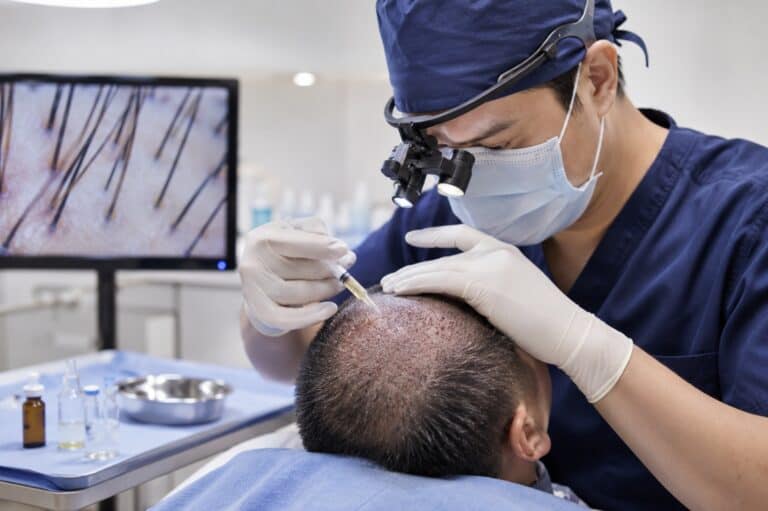
At Vega Stem Cell Clinic, every case begins with a scalp assessment to identify the cause and stage of hair loss, so treatment can be matched to the follicles that are still active.
A scalp assessment clarifies what stage your hair loss is in and whether options like hair and scalp regeneration such as Follicular Signaling Enhancement fit alongside daily care.
Treatment programmes are personalized for male, female, transgender, and hormone-related hair loss cases, and are especially relevant for patients concerned about limited donor supply, past transplant outcomes, or long-term medication dependence.
Take the first step on your hair restoration journey today by scheduling a professional assessment with our clinical team.
References:
- Physiology, Hair. Retrieved November 7, 2026, from https://www.ncbi.nlm.nih.gov/books/NBK499948/
- Androgenetic Alopecia. Retrieved November 7, 2026, from https://www.ncbi.nlm.nih.gov/books/NBK430924/
- Hair Loss. Retrieved November 7, 2026, from https://medlineplus.gov/hairloss.html
- Male Androgenetic Alopecia. Retrieved November 7, 2026, from https://www.ncbi.nlm.nih.gov/books/NBK278957/

The Vega Derma Medical Team consists of board-certified dermatologists, specialized trichologists, and clinical researchers based in Bangkok, Thailand. Our team specializes in evidence-based regenerative dermatology, complex tissue repair, and advanced hair restoration (including precision FUE and FSE). Every protocol and article we publish is medically reviewed to ensure it meets international clinical standards, providing safe, science-backed guidance for our local and international patients.