

Rosemary oil has become a popular home remedy for hair thinning. It’s a budget-friendly and readily available option, often suggested online for naturally promoting thicker hair. Not every type of hair loss can be treated the same way. Whether a topical treatment is suitable, or a more structured clinical plan is needed, depends on the kind of hair loss, its progression, and the scalp’s condition.
Does Rosemary Oil Really Work for Hair Growth?
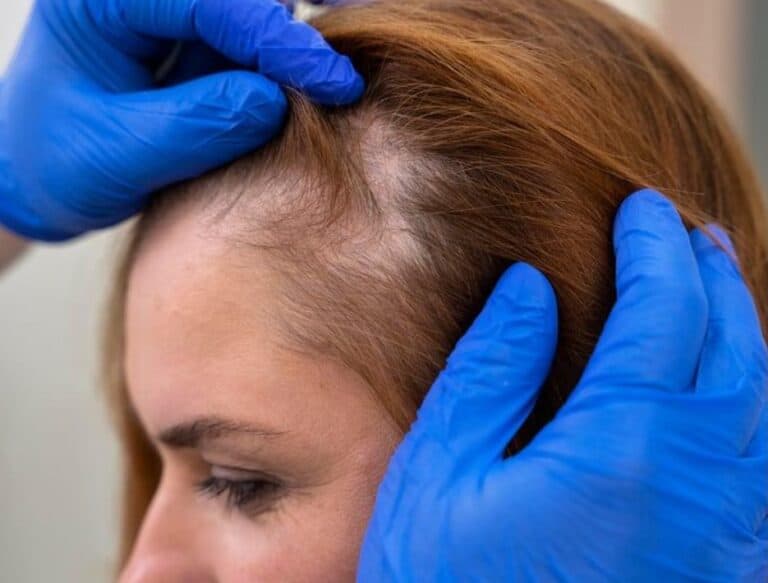
While rosemary oil can help support scalp health and hair growth for some individuals, it is far from a guaranteed regrowth treatment. Any improvement tends to be gradual, showing up over months rather than weeks, and results will naturally vary from person to person. Currently, the benefits are clearest for androgenetic alopecia, the most common form of pattern hair loss in both men and women. For other types, such as stress-related shedding, patchy loss, or scarring forms, the evidence remains limited. Pattern hair loss requires entirely different strategies than shedding caused by hormonal shifts or nutritional gaps, which is why having your condition assessed is a sensible step before committing months to any home-based routine.
Rosemary oil may also contribute to overall scalp comfort by soothing minor irritation and enhancing local circulation, in addition to its possible impact on growth. These advantages don’t lead to actual regrowth, but they are crucial for keeping your hair healthier as your treatment progresses.
Rosemary Oil vs Rosemary Water: Which Is Better for Hair Growth?
Rosemary oil is more concentrated and, when diluted in a carrier oil, reaches the scalp more effectively than rosemary water. It is the stronger option for people focused on supporting growth, particularly because the oil sits closer to the follicle for longer when left on for at least 30 minutes or overnight before washing out. Rosemary water, by contrast, is a milder alternative that can freshen and soothe the scalp but does not carry the same concentration of active compounds. It works better as a light daily maintenance step than as a primary growth strategy.
One practical approach is to combine both: apply rosemary oil as a scalp treatment two to three times per week, and use rosemary water as a daily post-wash rinse. This provides the scalp with consistent low-level support between more concentrated oil applications.

How to Use Rosemary Oil for Hair Growth Safely
Proper preparation and consistent application are the two factors that determine whether rosemary oil has a fair chance of producing results. Pure essential oil should never be applied to the scalp undiluted.
What you need:
- A rosemary essential oil suitable for scalp use, or a pre-blended scalp oil free of harsh irritants
• A carrier oil such as jojoba, coconut, or sweet almond
• Roughly a dozen drops of essential oil per two tablespoons of carrier
How to apply:
- Part the hair and work the diluted oil directly onto the scalp using your fingertips
• Massage in small circular motions for a few minutes
• Leave on for at least 30 minutes or overnight
• Wash out with a gentle shampoo
• Avoid the eyes and any broken skin
Before your first full application, perform a 24-to 48-hour patch test on your inner arm to ensure skin compatibility. Once confirmed safe, aim for two to three applications per week. You can easily build this into your routine in a few different ways: as a pre-shampoo treatment for oily scalps, an overnight application under a wrap for dry or curly hair, or simply by mixing a few drops into your shampoo as a mild starting option.
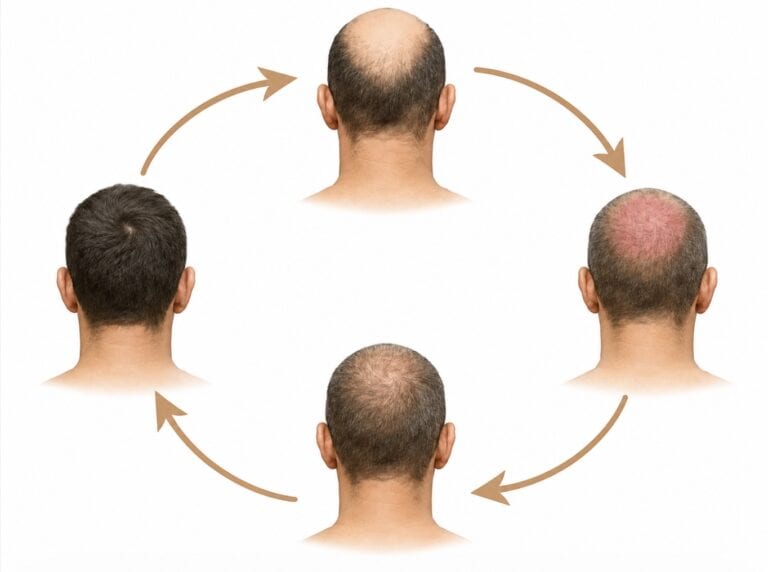
Whichever method you choose, consistency matters far more than perfect technique. Visible changes typically take several months to appear, in line with the natural hair growth cycle, which is why giving up too soon is the most common reason people assume rosemary oil for hair growth has failed. Because this progress is subtle, taking a photo of the same area of your scalp under identical lighting once a month creates a reliable visual record, making it much easier to judge whether your hair density is truly improving.
Safety and Who Should Avoid It
Despite its potential benefits, rosemary oil can cause redness, itching, burning, or a rash, particularly if it is used undiluted or too frequently. If any irritation appears, shedding worsens, or a rash spreads, you should stop using it immediately and speak to a healthcare provider. This caution is especially important for certain groups who should always check with a doctor before applying rosemary oil to the scalp:
- Anyone with a severe or active scalp condition
- Anyone currently using prescription hair-loss treatments
- Anyone who is pregnant or breastfeeding
- Anyone with known essential-oil allergies
Given these sensitivities, the oil functions best as a complementary element within a comprehensive care strategy, not as an independent remedy. If you are combining it with other topical products or prescribed therapies, having a physician review the full combination is always the safest approach before starting.
When Home Care Is Not Enough
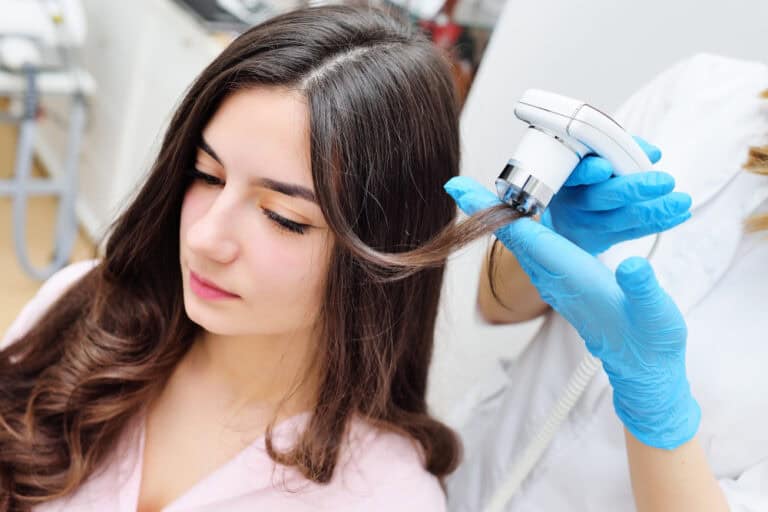
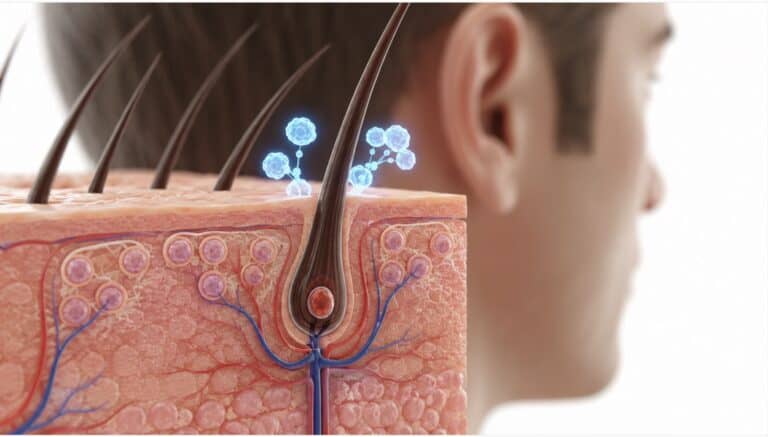
Even with the right dilution, consistent application, and careful monitoring, rosemary oil has its limits. When hair loss has not improved after several months of steady home care, the underlying cause is usually something a topical oil cannot reach on its own. Reduced blood flow, persistent low-grade irritation around the follicles, and dormant growth cycles all sit beneath the surface, and addressing them requires a more structured approach. This is where hair therapy for hair loss at a clinical level can make a difference, working on the scalp environment as a whole rather than just what sits on top of it.
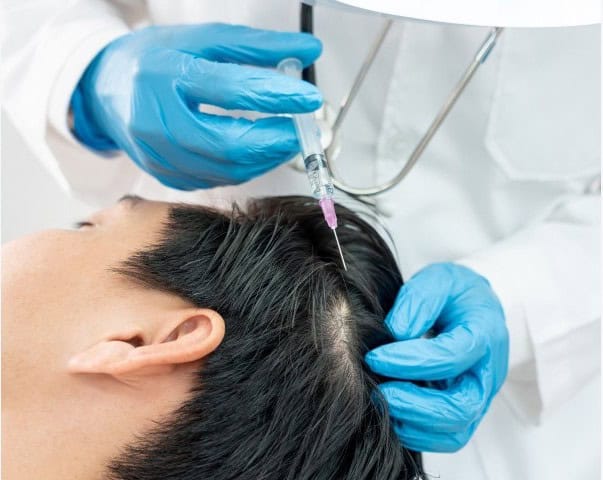
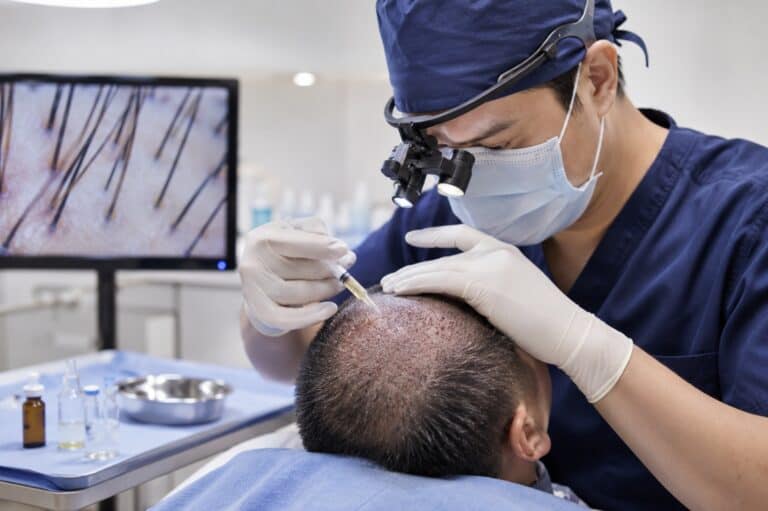
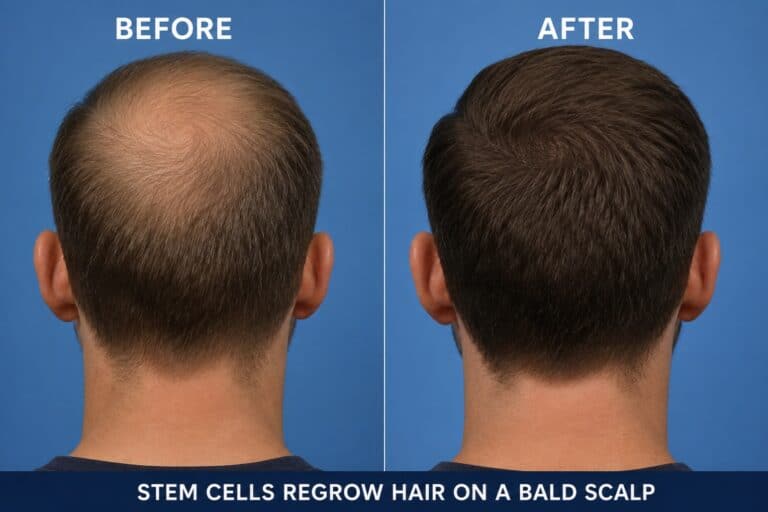
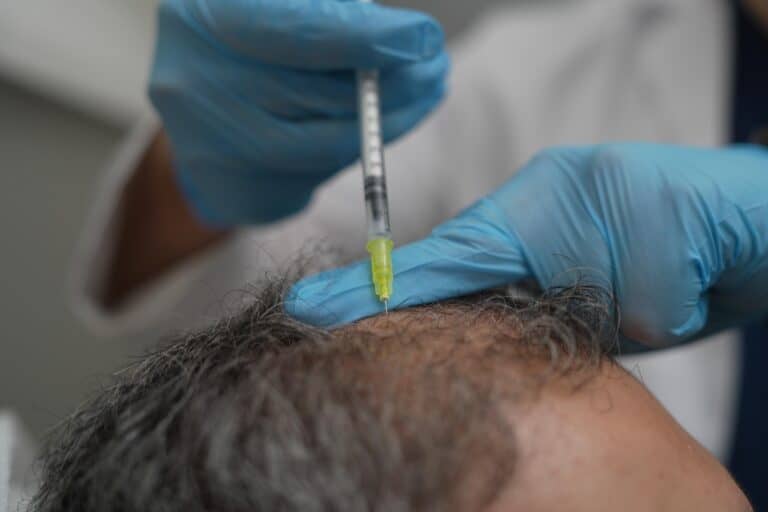
At Vega Derma Clinic in Bangkok, the clinical team assesses scalp condition, hair loss pattern, and individual history before recommending a path forward. For suitable candidates, hair follicle regeneration therapy through Follicular Signaling Enhancement delivers targeted signaling molecules to the follicle environment, supporting the growth cycle in ways that home remedies cannot replicate.
If you want to understand what is actually driving your hair loss and which approach fits your case, book a consultation today with our clinical team for a thorough scalp assessment.
References:
- An Overview of Commonly Used Natural Alternatives for the Treatment of Androgenetic Alopecia, With Special Emphasis on Rosemary Oil. Retrieved 8 July 2026, from https://pmc.ncbi.nlm.nih.gov/articles/PMC11549889/
- Should I Use Rosemary Oil for Hair Growth? Retrieved 8 July 2026, from https://www.healthline.com/health/rosemary-oil-for-hair

The Vega Derma Medical Team consists of board-certified dermatologists, specialized trichologists, and clinical researchers based in Bangkok, Thailand. Our team specializes in evidence-based regenerative dermatology, complex tissue repair, and advanced hair restoration (including precision FUE and FSE). Every protocol and article we publish is medically reviewed to ensure it meets international clinical standards, providing safe, science-backed guidance for our local and international patients.