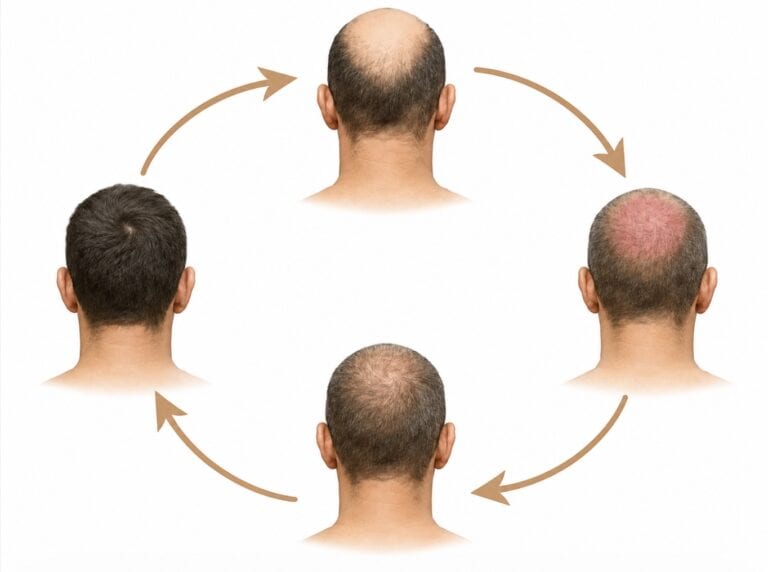

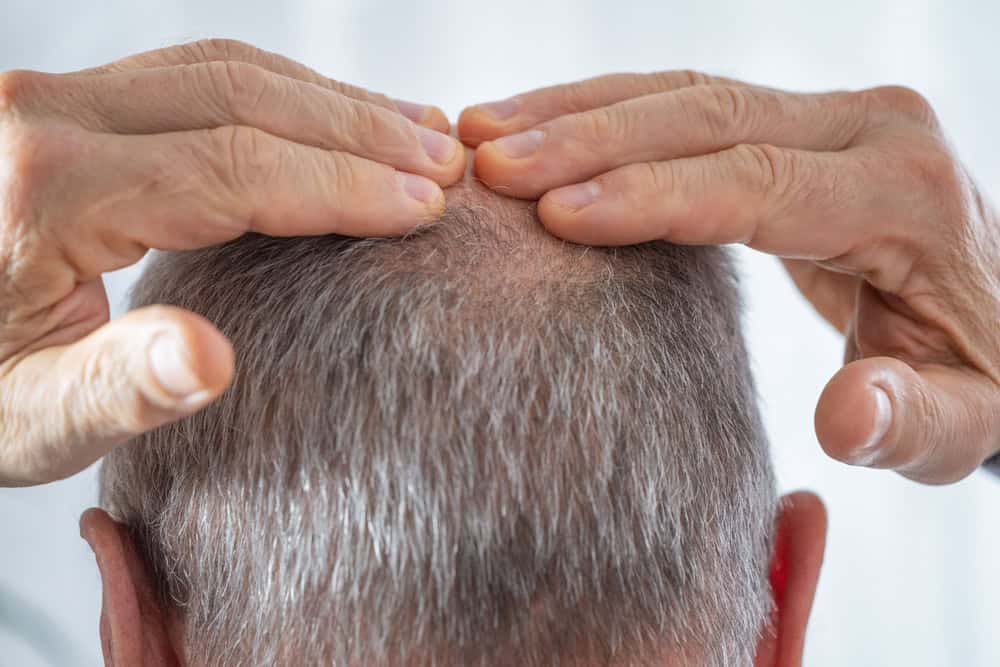
Minoxidil is a frequently prescribed medication for pattern hair loss, and it’s a common option to consider if you’re exploring treatments. Hair loss often appears suddenly. You might first spot it in a picture, and then you’ll begin finding hair clumps in your shower drain.
The treatment is available today as a topical solution or a low-dose oral prescription. Prior to starting a daily regimen, it’s beneficial to understand the medication’s actions, potential adverse effects, and the consequences of discontinuation.
What Minoxidil Is And How It Works
Minoxidil started as a blood pressure medication. Doctors started noticing that patients taking it were growing more hair, and that side effect eventually became its main use.
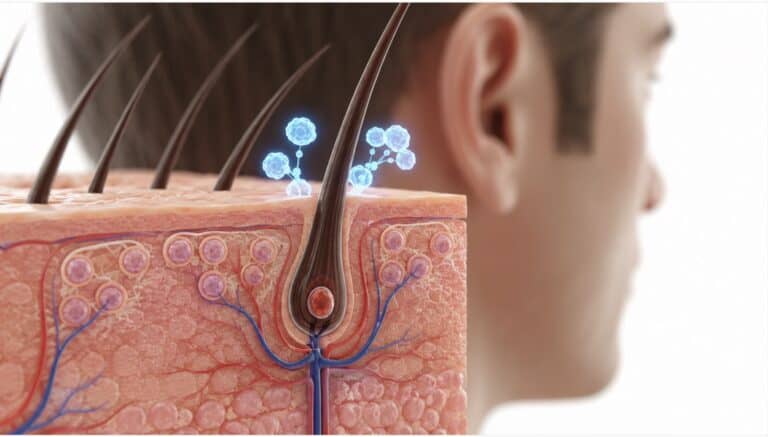
It works by keeping your hair follicles in the growth phase of their cycle for longer, improving blood flow at the scalp, and supporting follicle activity. It’s most useful for androgenetic alopecia (male and female pattern hair loss), where it may help slow the gradual thinning of individual follicles.
You might be a candidate for minoxidil if you have male or female pattern hair loss, early-stage thinning, or chronic shedding.
Does Minoxidil Make Hair Grow Faster?
Minoxidil isn’t a speed booster for healthy hair. It works by keeping follicles in the growth phase longer, and over a few months of consistent use, that can translate to more density and thicker strands for suitable candidates.
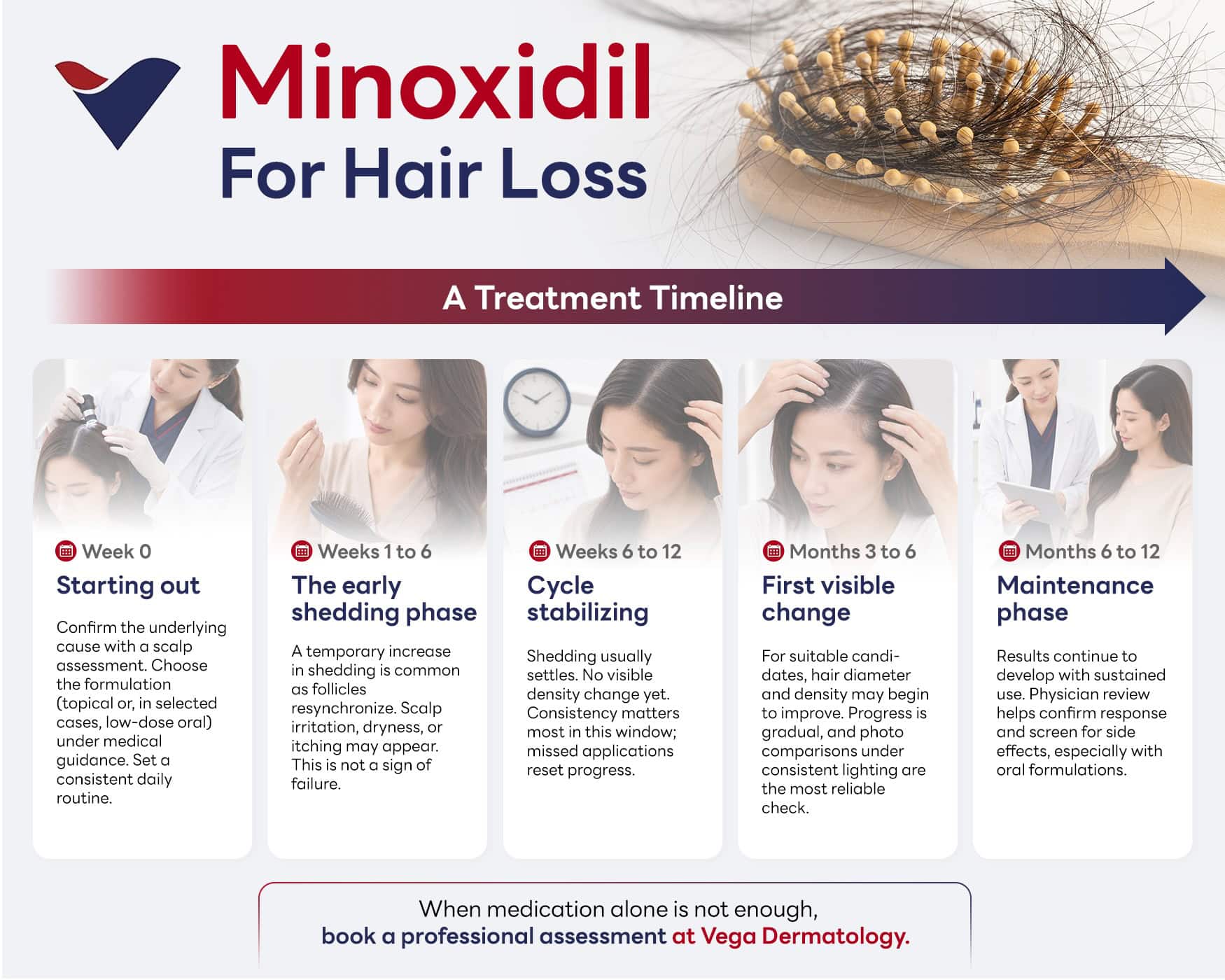
Visible changes typically occur within three to six months. You might notice hair shedding in the initial weeks, which can be concerning but typically signifies your hair cycle restarting.
Minoxidil won’t speed up regular hair growth if you aren’t experiencing hair loss. This isn’t a growth enhancer, and the risk of side effects remains the same regardless of necessity.
How To Use Minoxidil For Hair Growth
Topical Minoxidil
Applied directly to the scalp, usually once or twice a day depending on which product you’re using. Always follow the product instructions and your doctor’s guidance. The right minoxidil dose for hair loss depends on the formulation and your specific case, so check with a healthcare professional before adjusting anything on your own.
Oral Minoxidil
Low-dose oral minoxidil may be prescribed for some patients when the topical version isn’t tolerated or isn’t doing enough. Because it can affect your blood pressure and heart, oral minoxidil needs medical supervision and regular check-ins.
Tip: Consistency is key, follicles require steady stimulation to keep responding. If you skip applications often, efficacy drops.
Common And Less Common Minoxidil Side Effects
Common Side Effects
- Scalp irritation: Redness, dryness, or itching, often from the vehicle (alcohol or propylene glycol) rather than the minoxidil itself.
- Early shedding phase: A short-term uptick in shedding during the first few weeks as follicles reset their cycle.
- Dryness or flaking: Often eases when you switch formulation or frequency, ideally under a doctor’s guidance.
Less Common Side Effects
- Unwanted facial or body hair: More often reported with oral minoxidil than the topical version.
- Dizziness or blood pressure changes: Mainly a concern with oral formulations.
- Rapid heartbeat, swelling, or chest discomfort: Uncommon, but if any of these show up, speak to a healthcare professional promptly.
What Happens If You Stop Using Minoxidil

Stopping minoxidil treatment will typically cause hair growth to revert to its normal pattern over a few months. Expect more hair loss during this period, and your hair’s thickness might slowly return to its previous state, particularly if the root cause of your thinning hair is not resolved.
Numerous individuals continue using minoxidil indefinitely to maintain their gains. Your decision to continue treatment should be based on the reason for your hair loss, your response to the medication, and your treatment goals; a doctor can help you explore these factors.
When To See A Specialist
Consider a professional assessment with a licensed healthcare provider if you’re dealing with any of the following:
- Rapid or heavy shedding beyond normal daily loss.
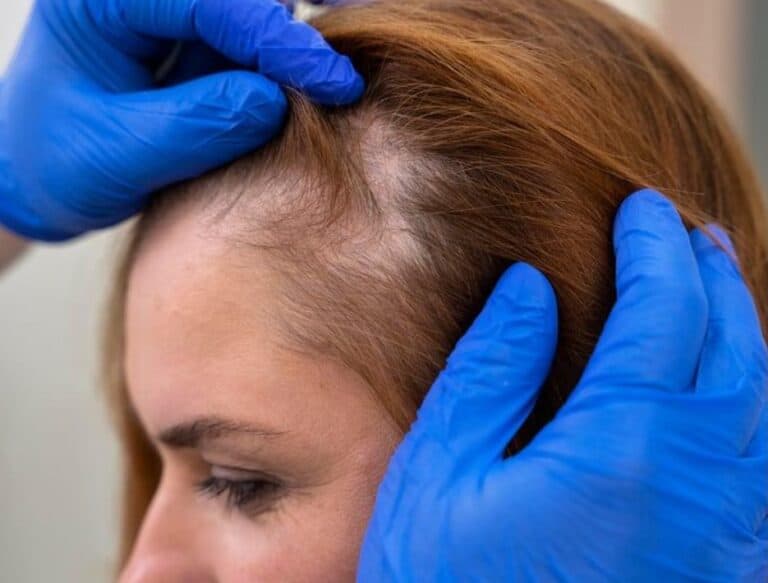
- Patchy bald spots, which can point to conditions other than pattern hair loss.
- Persistent scalp irritation on minoxidil that doesn’t settle with a formulation change.
- No improvement after several months of consistent use.
- Curiosity about alternatives or complementary regenerative options.
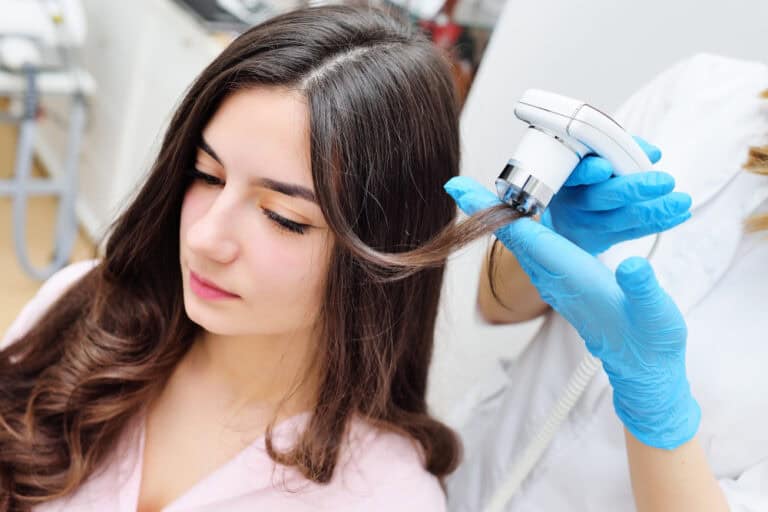
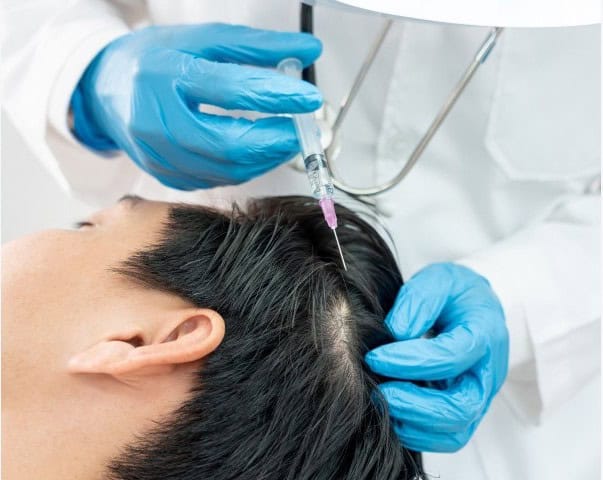
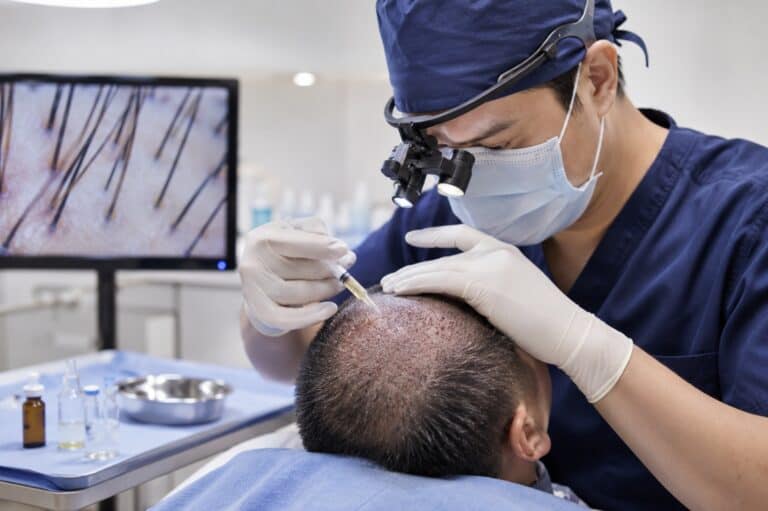
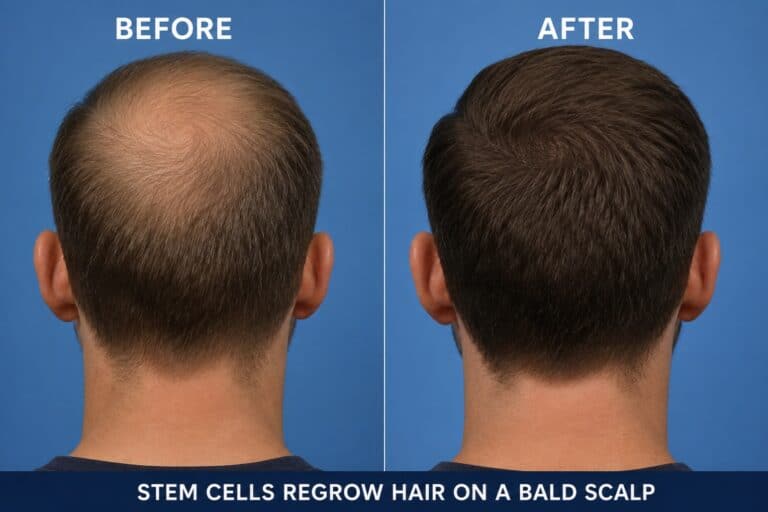
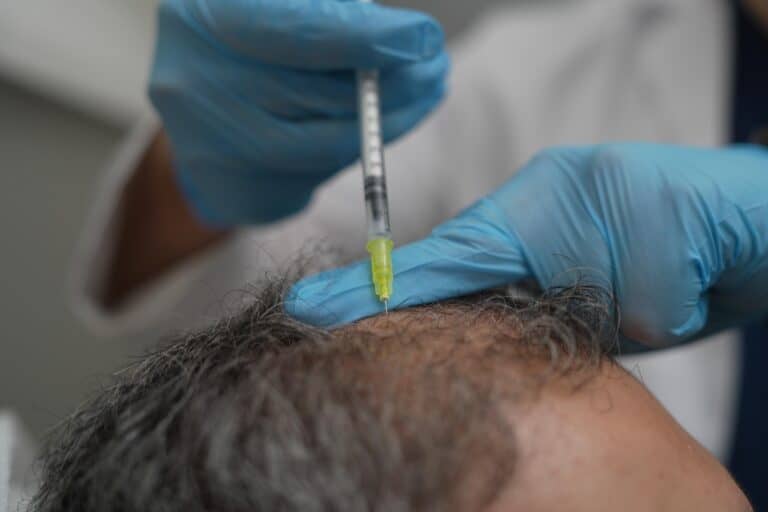
At Vega Derma Stem Cell we focus on physician-led, individualized hair follicle treatment to support scalp signaling and follicle activity in suitable candidates. Treatment response varies from person to person. Hence, every case starts with a professional scalp assessment to determine the best hair restoration plan for your individual situation.
Our physician-led hair loss treatment in Thailand may combine medication review with other regenerative approaches for personalized care. Book a consultation with our clinical team for a scalp assessment today.
References:
- Minoxidil. Retrieved June 10, 2026, from https://www.ncbi.nlm.nih.gov/books/NBK482378/
- Androgenetic Alopecia. Retrieved June 10, 2026, from https://www.ncbi.nlm.nih.gov/books/NBK430924/
- Minoxidil. Retrieved June 10, 2026, from https://medlineplus.gov/druginfo/meds/a689003.html
- Physiology, Hair. Retrieved June 10, 2026, from https://www.ncbi.nlm.nih.gov/books/NBK499948/

The Vega Derma Medical Team consists of board-certified dermatologists, specialized trichologists, and clinical researchers based in Bangkok, Thailand. Our team specializes in evidence-based regenerative dermatology, complex tissue repair, and advanced hair restoration (including precision FUE and FSE). Every protocol and article we publish is medically reviewed to ensure it meets international clinical standards, providing safe, science-backed guidance for our local and international patients.