
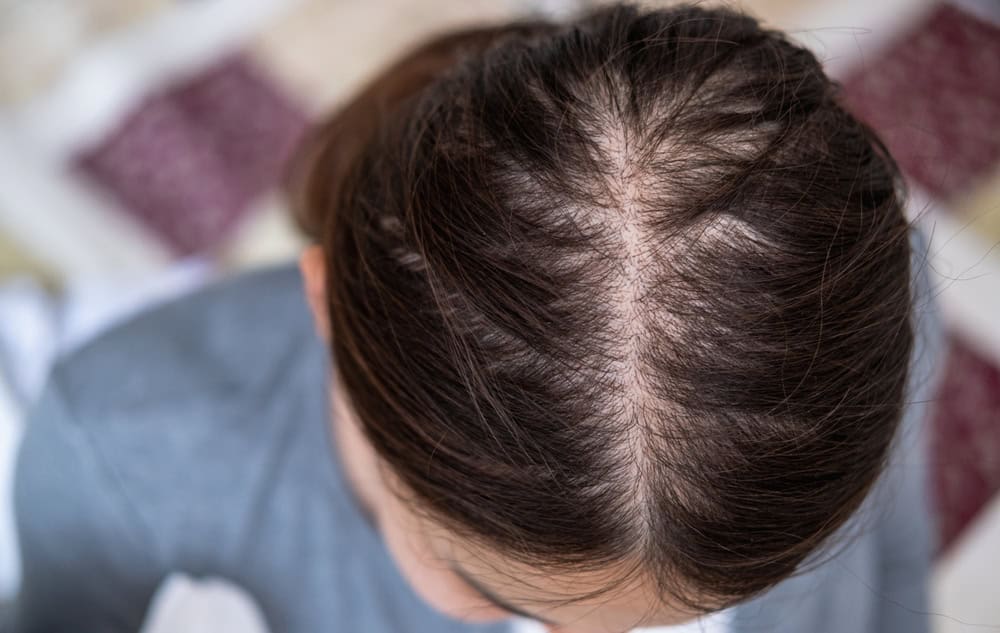
The treatment of hair loss works best when it is matched to a confirmed diagnosis rather than guessed at. For androgenetic alopecia (pattern hair loss), the strongest evidence sits with topical minoxidil and oral finasteride, with low-level laser therapy, microneedling, and platelet-rich plasma (PRP) as supported add-ons. For telogen effluvium, the fix is usually correcting the underlying trigger, not applying a product. Regenerative options such as secretome and exosome-based scalp therapy are promising but still investigational, and should only be considered under physician supervision. Most treatments need 4 to 6 months before results are fair to judge.
What Hair Loss Actually Is, Medically Speaking
Losing hair is normal. Losing density is not.
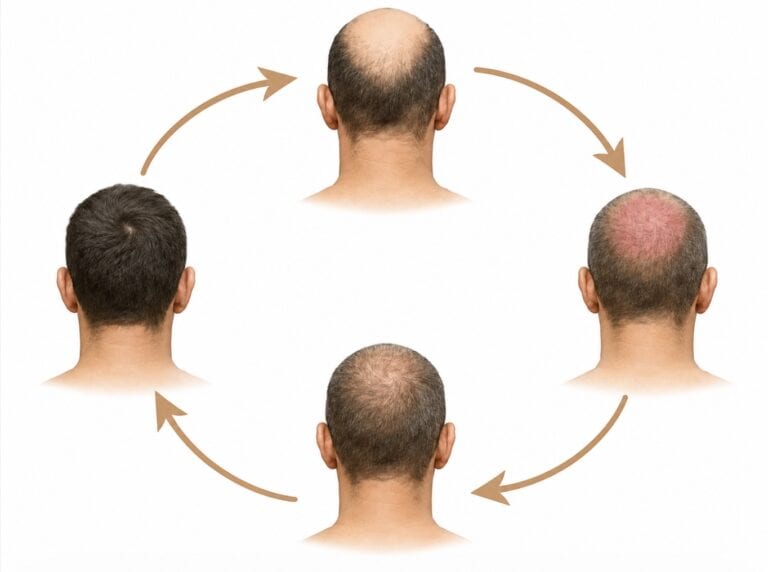
Every follicle on your scalp runs its own independent cycle, and at any given moment roughly 85 percent of your hairs are in the active growth phase (anagen) while about 15 percent are resting (telogen), a ratio documented in the clinical literature on hair cycling. A follicle typically grows hair for around four years, then rests for about four months before shedding and starting again.
That means shedding 50 to 100 hairs a day is simply the system working. The problem starts when one of two things happens:
- Too many follicles enter the resting phase at once. You shed heavily and suddenly, but the follicles themselves are intact. This is telogen effluvium.
- Follicles shrink over successive cycles. Each new hair comes back finer, shorter, and lighter than the last, until it stops being cosmetically visible at all. This is miniaturisation, and it is the defining process of androgenetic alopecia.
The distinction matters enormously, because the first is usually reversible on its own and the second is progressive without intervention. This is also why so many people waste twelve months on the wrong product. They are treating shedding when they have miniaturisation, or the reverse.
Shedding Versus Thinning: A Two-Question Self-Check
- Is your part line widening, or is your hairline receding? That pattern points toward androgenetic alopecia.
- Did the shedding start suddenly, roughly two to three months after an illness, a birth, a crash diet, or a period of high stress? That points toward telogen effluvium.
Neither replaces a clinical assessment, but it tells you what kind of appointment to book.
The Main Types of Hair Loss
Androgenetic Alopecia (Pattern Hair Loss)
The most common cause of hair loss worldwide, driven by a genetic sensitivity to dihydrotestosterone (DHT), a potent androgen that progressively shortens the growth phase and shrinks the follicle.
It is often assumed to be less common in Asian populations. That assumption is out of date. A randomised study of 1,124 men in Bangkok found cosmetically significant male pattern baldness (Norwood III to VII) in 38.5 percent of participants, rising steadily with age and approaching rates reported in European populations. Broader Asian consensus estimates put pattern hair loss prevalence at 41 to 73 percent across the region.
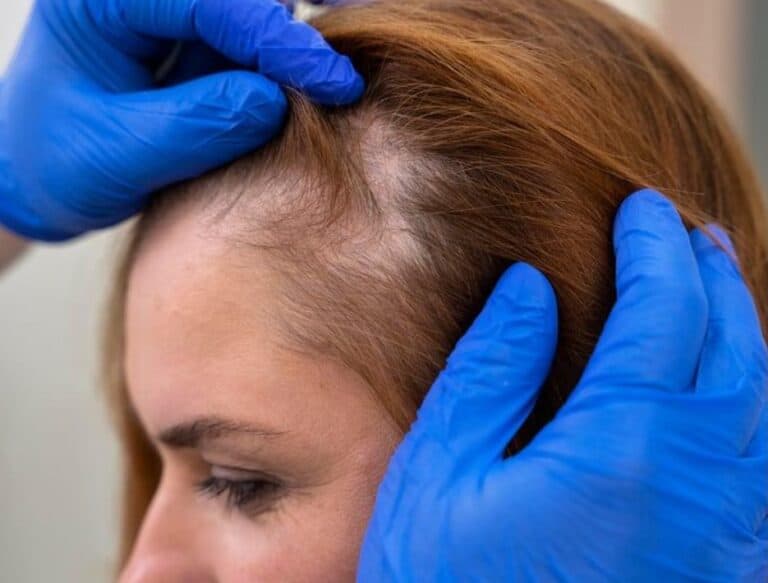
In women it presents differently: diffuse thinning across the crown with the frontal hairline usually preserved, classified on the Ludwig scale. The BASP classification is now widely used across Asia because it captures hairline shapes more common in Asian patients than the older Norwood-Hamilton system does.
Telogen Effluvium
Diffuse shedding from all over the scalp, typically starting two to three months after a trigger. Documented triggers include acute febrile illness, major surgery, severe trauma, postpartum hormonal shifts, hypothyroidism, crash dieting, low protein intake, and iron deficiency.
The reassuring part: the follicles are alive. Acute telogen effluvium is self-limiting, and once the causative factor is identified and corrected, hair growth returns without further treatment. Correcting low iron, zinc, or vitamin D restores growth where those deficiencies were the driver.
The frustrating part: it takes months, and anxiety about the shedding can itself prolong the cycle.
Alopecia Areata
An autoimmune condition producing sharply defined round patches of loss, sometimes progressing to the full scalp or body. It requires a different treatment pathway entirely, involving immunomodulation rather than growth stimulation. JAK inhibitors (baricitinib, approved by the US FDA for severe adult alopecia areata in 2022, and ritlecitinib in 2023) have changed the outlook for severe cases.
Traction Alopecia
Mechanical loss from sustained tension: tight ponytails, buns, braids, extensions. Early on it is fully reversible. Left long enough, the follicles scar and it is not. This is one of the few types of hair loss where behaviour change alone is genuinely curative if caught early.
Scarring (Cicatricial) Alopecia
Inflammatory conditions such as lichen planopilaris and frontal fibrosing alopecia that destroy the follicle and replace it with fibrous tissue. This is the one category where speed genuinely matters, because lost follicles cannot be recovered. Any hair loss accompanied by burning, itching, tenderness, or visible scalp redness warrants an urgent dermatology appointment rather than a shopping trip.
Comparison at a Glance
Type | Typical Pattern | Reversible? | First-Line Approach |
|---|---|---|---|
Androgenetic alopecia | Receding hairline, crown thinning (men); widening part (women) | Manageable, not curable | Minoxidil, finasteride, scalp optimisation |
Telogen effluvium | Sudden diffuse shedding, 2 to 3 months post-trigger | Usually yes | Identify and correct the trigger |
Alopecia areata | Discrete round patches | Often, but relapsing | Immunomodulation under dermatology care |
Traction alopecia | Loss at margins and tension points | Yes if caught early | Remove the tension |
Scarring alopecia | Shiny patches, loss of follicular openings | No | Urgent anti-inflammatory treatment |
Why the Scalp Itself Is Part of the Treatment
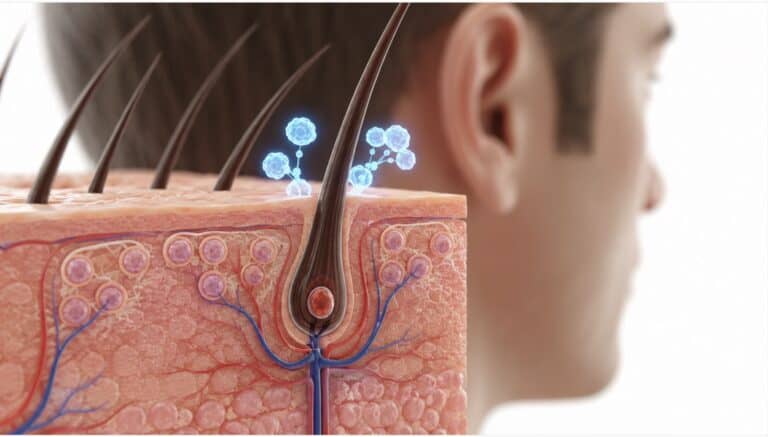
Most people think about hair loss at the level of the hair. Clinically, the more useful frame is that the follicle is a small organ embedded in living tissue, and that tissue can be healthy or unhealthy.
Three scalp-level factors influence how well any treatment for hair loss performs.
Perifollicular Micro-Inflammation
Histological studies of balding scalp consistently show lymphocyte infiltration, activated T cells, and mast cell degranulation around the follicle. This persistent microinflammatory environment is closely tied to the miniaturisation process itself.
The clinically important detail: this inflammation is usually invisible. Pattern hair loss rarely presents with pain, itching, or redness, which is exactly why it goes unaddressed in self-directed treatment.
Sebaceous Change and Seborrhoeic Dermatitis
Follicular miniaturisation is often accompanied by sebaceous gland proliferation, which increases surface oil and creates a more favourable environment for pro-inflammatory microorganisms. Seborrhoeic dermatitis is the most commonly co-occurring condition in patients with androgenetic alopecia, and in one clinic series it was present in 42 percent of assessed patients.
Research on the scalp microbiome supports the link, with Malassezia restricta appearing more abundantly on scalps affected by androgenetic alopecia and also implicated in seborrhoeic dermatitis. The two conditions appear to aggravate one another.
This is the practical argument for treating the scalp environment before or alongside the follicle, and it is why ketoconazole shampoo appears in so many clinical protocols as an adjunct rather than an afterthought.
Microcirculation
The follicle is one of the most metabolically demanding structures in the body during its growth phase. Impaired local blood supply limits the oxygen and nutrient delivery that sustains anagen. This is one of the proposed mechanisms behind both minoxidil (a vasodilator by origin) and microneedling, which triggers a controlled wound-healing and angiogenic response.
If you want the detail on how scalp environment work is sequenced ahead of follicular treatment, our clinical team covers it in our approach to stem cell therapy for hair loss.
How Hair Loss Should Be Properly Diagnosed
A good assessment takes twenty minutes and saves you a year.
1. History and Pattern Classification
When it started, how fast, family history, medications, recent illness, dietary changes, and for women, menstrual and hormonal history. The pattern is then graded using Norwood-Hamilton (men), Ludwig (women), or BASP (widely preferred in Asian practice).
2. Trichoscopy
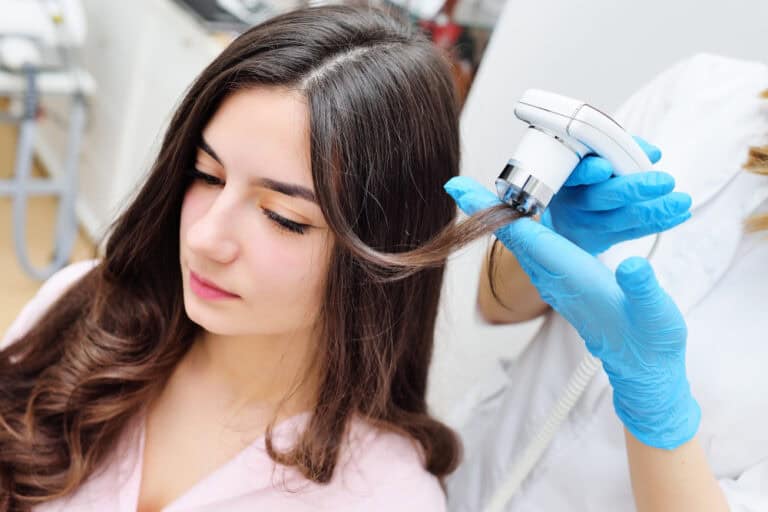
Magnified imaging of the scalp surface and follicular openings. This is where a clinician sees what you cannot see in a mirror: hair shaft diameter variability (the hallmark of miniaturisation), follicular density per square centimetre, yellow dots, perifollicular scaling, and whether follicular openings are still present, which is the key differentiator between scarring and non-scarring loss.
It is also the only honest way to measure progress later. Photographs alone flatter or punish you depending on lighting.
3. Blood Work Worth Doing
Not everyone needs a full panel, but where diffuse shedding is present the evidence supports checking:
- Serum ferritin (iron deficiency without anaemia is a recognised contributor to telogen effluvium)
- Thyroid function (both hypothyroidism and hyperthyroidism affect hair cycling)
- Vitamin D and zinc
- Androgen profile in women where there are signs of hyperandrogenism
One practical warning that catches people out: high-dose biotin supplements can interfere with immunoassay-based laboratory tests, including thyroid panels, producing falsely abnormal results. Tell your clinician what you are taking.
4. Scalp Biopsy
Reserved for suspected scarring alopecia or cases where the clinical picture is ambiguous. It is not routine, but where it is indicated it is decisive.
Treatment of Hair Loss: The Evidence-Based Options
Below, treatments are grouped by how much high-quality evidence supports them. Regulatory approval status is stated plainly, because that distinction gets blurred constantly in hair loss marketing.
Topical Minoxidil
Status: Approved by the US FDA for pattern hair loss in men and women.
The most widely used treatment for hair loss globally. It extends the growth phase and increases follicle size. Available as 2 and 5 percent solutions and foams.
What to expect: An initial increase in shedding during the first four to eight weeks is common and expected as follicles synchronise into a new cycle. It is the most frequent reason people quit early, and quitting early is why so many people conclude it “did not work”.
The catch: Benefits reverse when you stop.
Oral Finasteride
Status: Approved by the US FDA for male pattern hair loss since 1997.
A type II 5-alpha reductase inhibitor that reduces scalp and serum DHT by approximately 64 to 68 percent at 1 mg per day. For men with androgenetic alopecia it is the single most effective pharmacological option available.
The trade-offs: Reported adverse effects include reduced libido and erectile dysfunction. These require a genuine, unhurried conversation with a prescribing physician rather than a footnote. Finasteride is contraindicated in women who are or may become pregnant, and trial data found it ineffective in postmenopausal women with androgenetic alopecia.
Combination Therapy
Here the evidence has firmed up recently. A 2025 systematic review and meta-analysis of seven randomised controlled trials comparing a topical minoxidil-finasteride combination against minoxidil alone found clinically meaningful improvements in hair density, hair diameter, and global photographic assessment, all exceeding minimum clinically important thresholds, with moderate certainty of evidence.
A separate 2025 network meta-analysis ranked minoxidil-based combinations and found that in women, microneedling combined with minoxidil ranked most effective among seven combination approaches.
The practical takeaway: single-agent treatment is rarely the ceiling.
Low-Dose Oral Minoxidil
Status: Off-label, prescription only.
Used increasingly where topical minoxidil is poorly tolerated or inconvenient, with a growing evidence base including a comprehensive 2023 review and expert consensus statements. It carries systemic considerations including fluid retention, unwanted body hair growth, and cardiovascular effects, so it is a physician-supervised option only. Notably, one of the significant open-label studies of oral minoxidil in male androgenetic alopecia was conducted by Thai investigators at Chulalongkorn University.
Anti-Androgens for Women
Spironolactone and cyproterone acetate are used in women, particularly those with hyperandrogenic profiles, who tend to respond better. The evidence base in female pattern hair loss is thinner than for men’s treatments, and side effect profiles require monitoring.
Ketoconazole Shampoo and Scalp Care
Often dismissed as “just anti-dandruff shampoo”. Given the documented overlap between seborrhoeic dermatitis and androgenetic alopecia, and ketoconazole’s anti-inflammatory and mild anti-androgenic activity at the scalp, it has a legitimate adjunctive role, particularly in patients with visible scaling or oiliness.
Low-Level Laser Therapy (Photobiomodulation)
Status: Multiple home-use devices hold US FDA 510(k) clearance. The first, the HairMax LaserComb, was cleared for male pattern hair loss in 2007 and for female pattern hair loss in 2011.
A systematic review of double-blinded randomised controlled trials concluded it is a promising non-invasive option that is safe for home self-administration. A real-world study of 1,383 patients using an FDA-cleared laser helmet reported overall clinical effectiveness near 80 percent, with median use of roughly 38 to 40 weeks before assessment.
Important nuance: FDA clearance confirms safety and substantial equivalence to an existing device. It is not the same as approval based on demonstrated efficacy, and it does not guarantee a result for any individual. Evidence in telogen effluvium specifically is weak, so this is a pattern hair loss tool.
Microneedling
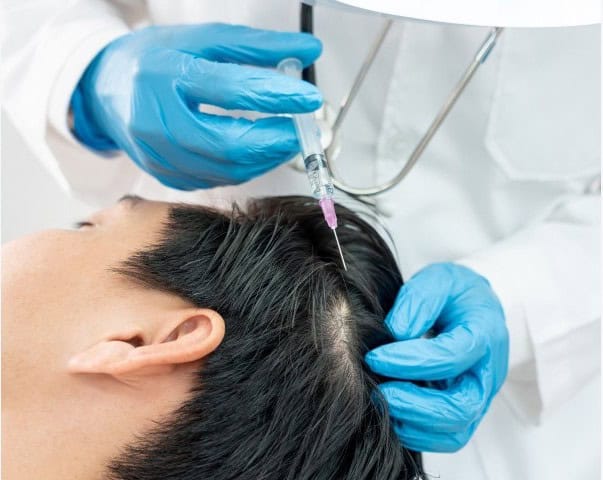
Controlled micro-injury to the scalp that stimulates wound-healing signalling and improves absorption of topical agents. It performs best in combination rather than alone, and in the 2025 network meta-analysis it was the top-ranked partner for minoxidil in women. Depth, frequency, and sterile technique matter, which is a real argument for clinical rather than at-home use.
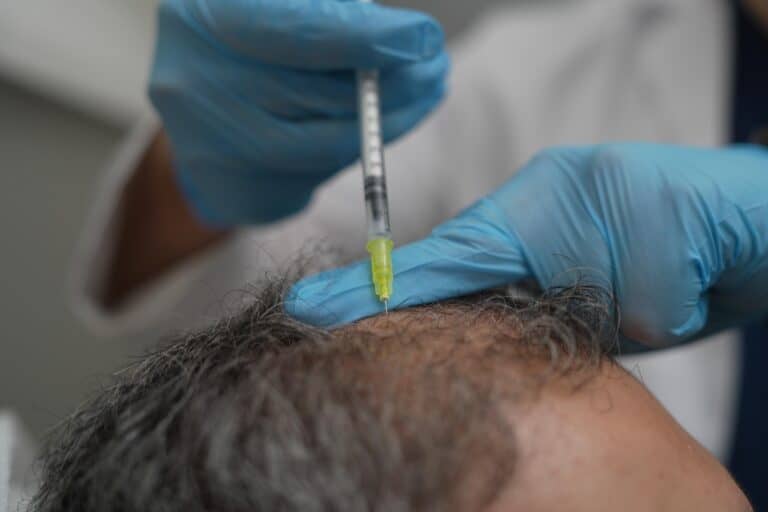
Platelet-Rich Plasma (PRP)
Status: Autologous, widely offered, not a licensed drug.
The evidence is genuinely positive but genuinely messy, and it is worth stating both halves.
In favour: A meta-analysis of nine RCTs found PRP significantly increased hair density versus placebo at three and six months, with no serious adverse events reported. Another meta-analysis of six RCTs (343 participants) found PRP combined with minoxidil significantly outperformed either alone, with a pooled increase in hair density and diameter, and higher patient satisfaction.
Against, or at least cautioning: A 2024 systematic review of 13 RCTs found a mean difference of 27.55 hairs per cm² in favour of PRP, but described the studies as highly heterogeneous, of low quality, and showing evident publication bias. Hair diameter results were not consistently significant across analyses.
Honest summary: PRP appears to increase hair density in appropriately selected patients. Protocols are not standardised, results vary between clinics, and anyone presenting it as settled science is overselling it.
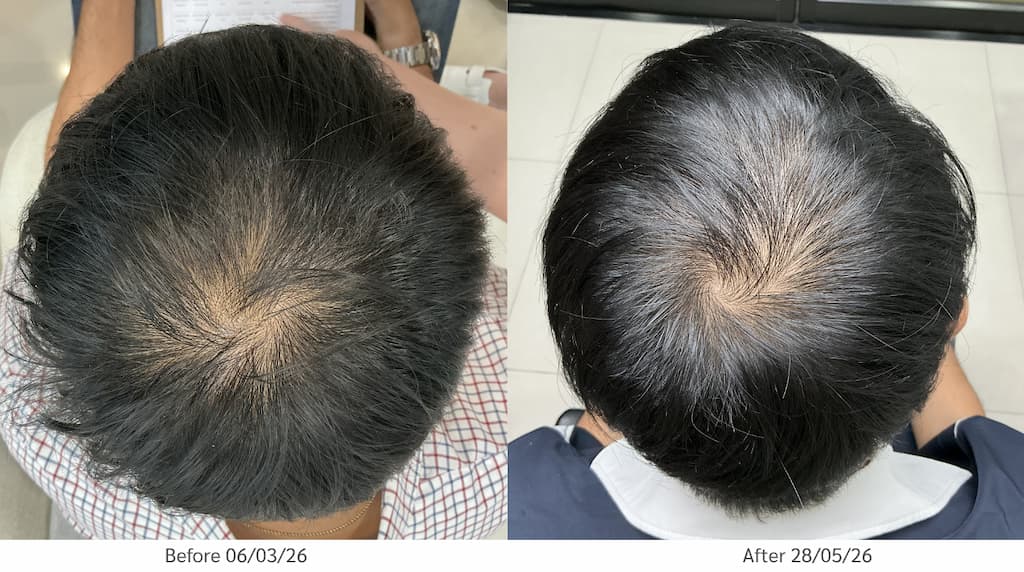
Regenerative and Cell-Signalling Therapies
Status: investigational. This is the most important sentence in this article.
Stem cell-derived conditioned media, secretome preparations, and exosomes have shown the ability in laboratory and early clinical work to activate Wnt/beta-catenin signalling, enhance angiogenesis, modulate inflammation, and support dermal papilla cell survival, with improvements in hair density and shaft thickness and favourable early safety signals.
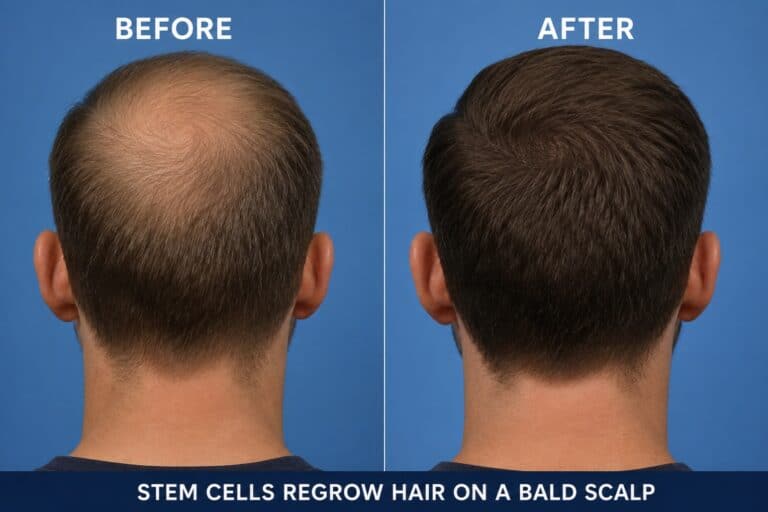
That is a real and interesting mechanistic story. It is also incomplete. A 2025 scoping review of regenerative therapies for androgenetic alopecia concluded plainly that stem cell and exosome therapies face regulatory challenges and lack robust safety data, and that clinical application has outpaced the gathering of high-quality evidence. No stem cell product or processing method is approved by the FDA or other major authorities for androgenetic alopecia, and in April 2024 the FDA issued a consumer alert clarifying that marketed stem cell and exosome treatments for hair loss remain unapproved investigational biologics.
Manufacturing adds a further variable: exosome preparation faces documented challenges around yield, purity, batch-to-batch variability, and the absence of standardised administration protocols.
What this means for you as a patient: these therapies should be discussed as an emerging, physician-supervised option with realistic framing, appropriate consent, and objective progress tracking, not as a guaranteed alternative to established treatment. Any clinic that presents them as proven is telling you something about the clinic. If you want to understand how signalling-based approaches are structured and monitored clinically, our team explains the protocol under hair follicle stem cell therapy Thailand.
Hair Transplantation
Status: Established surgical intervention.
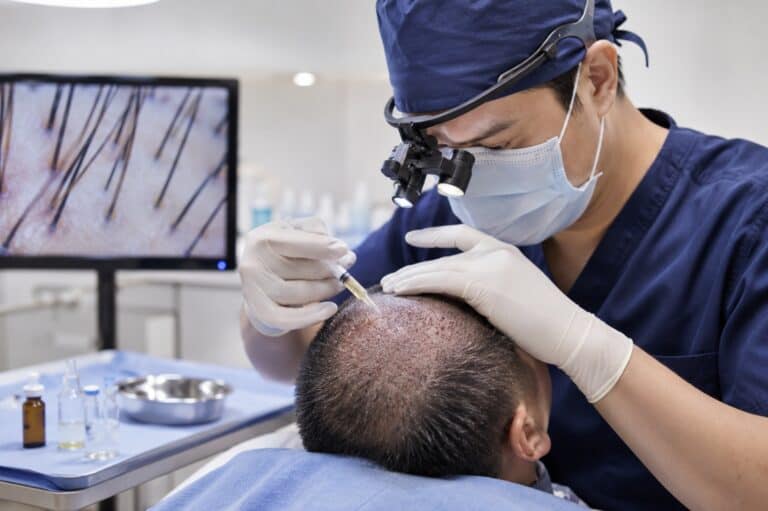
Follicular unit extraction (FUE) and direct hair implantation (DHI) relocate DHT-resistant follicles from the donor area into thinning zones. Transplanted follicles are permanent in their new location.
Two things people underestimate. First, transplantation redistributes existing hair, it does not create new follicles, so donor supply sets the ceiling on what is achievable. Second, it does not stop the underlying condition, which is why most surgeons insist on ongoing medical therapy afterwards to protect the native hair around the grafts. Details of the surgical pathway are covered under hair regrowth therapy.
Treatment Comparison
Treatment | Regulatory Status | Evidence Strength | Best Suited To | Ongoing Commitment |
|---|---|---|---|---|
Topical minoxidil | FDA approved | Strong | Men and women, all stages | Indefinite, daily |
Oral finasteride | FDA approved (men) | Strong | Men with pattern hair loss | Indefinite, daily |
Low-dose oral minoxidil | Off-label | Moderate and growing | Topical non-responders | Indefinite, supervised |
LLLT / photobiomodulation | FDA cleared (device) | Moderate | Mild to moderate pattern loss | 3 to 5 sessions weekly, long-term |
Microneedling | Procedure | Moderate, best in combination | Adjunct to topicals | Periodic sessions |
PRP | Autologous procedure | Mixed, heterogeneous | Early to moderate thinning | Course plus maintenance |
Secretome / exosome therapy | Investigational, not approved | Early, limited | Selected candidates, supervised | Course plus maintenance |
Hair transplantation | Established surgery | Strong for redistribution | Advanced loss with good donor area | One-off plus medical maintenance |
Which Treatment Is Right for You?
Use this as a conversation starter with a clinician, not a substitute for one.
- Early thinning, no visible bald area. This is the best position to be in and the most commonly wasted opportunity. Preventing loss is far easier than reversing it. Topical minoxidil, plus finasteride for men, plus scalp environment correction if there is any scaling or oiliness.
- Moderate loss with a visible pattern. Combination therapy becomes the sensible default given the 2025 meta-analytic evidence. Consider adding microneedling or laser therapy, and discuss PRP with realistic expectations attached.
- Advanced loss with established bald zones. Follicles in fully bald areas are generally beyond medical rescue. This is the transplantation conversation, alongside medical therapy to protect what remains.
- Female pattern thinning. Diagnosis first, always, because iron and thyroid status change the plan. Minoxidil is the anchor. Anti-androgens where clinically appropriate. Microneedling combined with minoxidil has the strongest comparative ranking in the recent network meta-analysis for women.
- Sudden diffuse shedding after illness, birth, or major stress. Do not start an aggressive treatment protocol. Get ferritin, thyroid, vitamin D, and zinc checked, correct what is low, and give it time. Most acute telogen effluvium resolves within three to six months once the trigger is addressed.
- Any redness, burning, itching, or loss of follicular openings. Stop researching and book a dermatology appointment. Scarring alopecia is a clock, not a project.
Realistic Timelines
Hair biology is slow, and every credible clinician will tell you the same thing.
Timeframe | What Is Realistically Happening |
|---|---|
Weeks 2 to 8 | Possible temporary increase in shedding with minoxidil. Normal, not failure. |
Months 3 to 4 | Shedding stabilises. Scalp condition improves first if it was being treated. |
Months 4 to 6 | Earliest fair point to assess. New growth is fine and short. Trichoscopy detects change before your mirror does. |
Months 6 to 12 | Meaningful density and shaft thickness changes in responders. |
Beyond 12 months | Maintenance phase. Results depend on adherence. |
Anything promising visible transformation in four weeks is selling you something.
Hair Loss Treatment in Thailand: How to Choose a Clinic
Bangkok has become a genuine hub for hair restoration, which means both excellent clinics and opportunistic ones. The difference is usually visible in the first consultation.
Signals of a serious clinic:
- Trichoscopic assessment before any treatment is proposed
- A named diagnosis, not a package name
- Baseline measurements you can be shown again at follow-up
- Willingness to say a treatment is investigational when it is
- A physician, not a salesperson, explaining the plan
- An itemised quotation with no time-limited pressure
Red flags:
- A price quoted before an examination
- Guaranteed results, in writing or verbally
- Stem cell or exosome therapy described as approved or proven
- No discussion of maintenance
- Before-and-after photos with inconsistent lighting, angles, or hair length
What You Can Do at Home
Modest, genuine, and worth doing. Just not a substitute for treatment.
- Protein and iron intake. Hair is keratin. Chronically low protein and low ferritin both show up in the shedding literature.
- Reduce mechanical tension. No tight ponytails, buns, or extensions worn continuously. Traction alopecia is one of the few fully preventable forms of hair loss.
- Treat scalp flaking properly rather than masking it, given the documented overlap between seborrhoeic dermatitis and pattern hair loss.
- Be sceptical of supplements. Correcting a diagnosed deficiency helps. Supplementing above requirement generally does not, and high-dose biotin can distort your lab results.
- Manage sleep and stress. Not because stress alone causes pattern baldness, but because it is a well-documented trigger for telogen effluvium.
Common Myths
- “Wearing hats causes baldness.” No. Tension does, hats generally do not.
- “If you shed hair when you start minoxidil, it is damaging your hair.” No. Synchronised cycling is an expected early phase.
- “Pattern hair loss comes from your mother’s father.” Oversimplified. Androgenetic alopecia is polygenic, with contributions from both sides of the family.
- “Natural means safe and effective.” Neither follows automatically. Finasteride is synthetic and heavily studied. Many botanical hair products are neither studied nor standardised.
- “You can regrow hair on a fully bald scalp without surgery.” Where follicular openings are gone, medical therapy has nothing to act on.
The Bottom Line
The treatment of hair loss is not complicated by a lack of options. It is complicated by an abundance of options applied without a diagnosis.
Get the diagnosis. Establish a baseline you can measure against. Start with what the evidence supports, add adjuncts where they are indicated, and treat emerging regenerative therapies as exactly what they currently are: promising, supervised, and not yet proven. Then give it six months before you decide anything.
Hair responds to consistency far more reliably than it responds to intensity.

The Vega Derma Medical Team consists of board-certified dermatologists, specialized trichologists, and clinical researchers based in Bangkok, Thailand. Our team specializes in evidence-based regenerative dermatology, complex tissue repair, and advanced hair restoration (including precision FUE and FSE). Every protocol and article we publish is medically reviewed to ensure it meets international clinical standards, providing safe, science-backed guidance for our local and international patients.