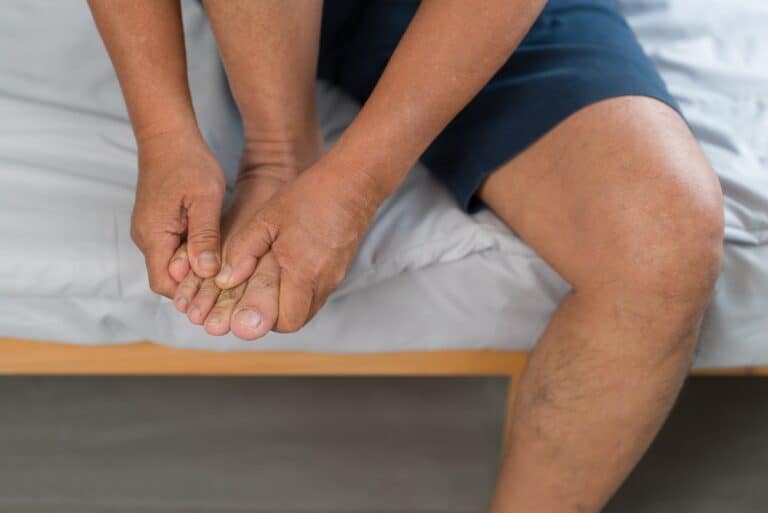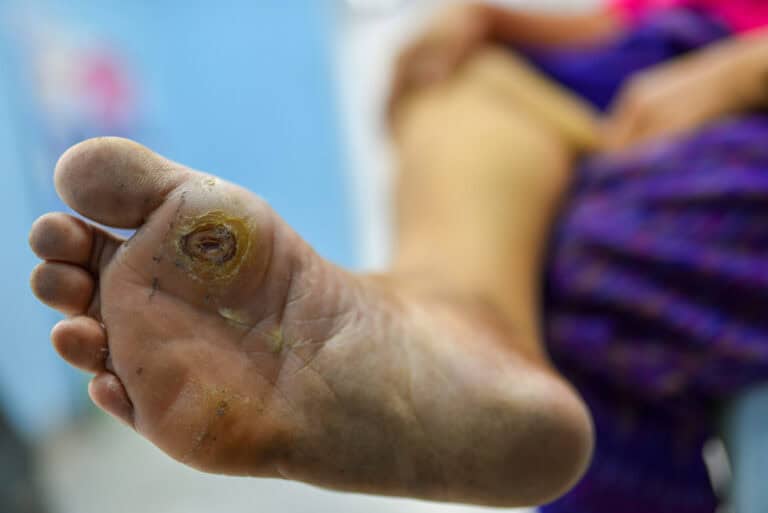

Introduction
Do I do this myself, or is it time to call the clinic? That’s probably the single most common question families ask once a diabetic foot ulcer shows up. And honestly, how that question gets answered often decides whether the wound heals in a few weeks or turns into something a lot more serious.
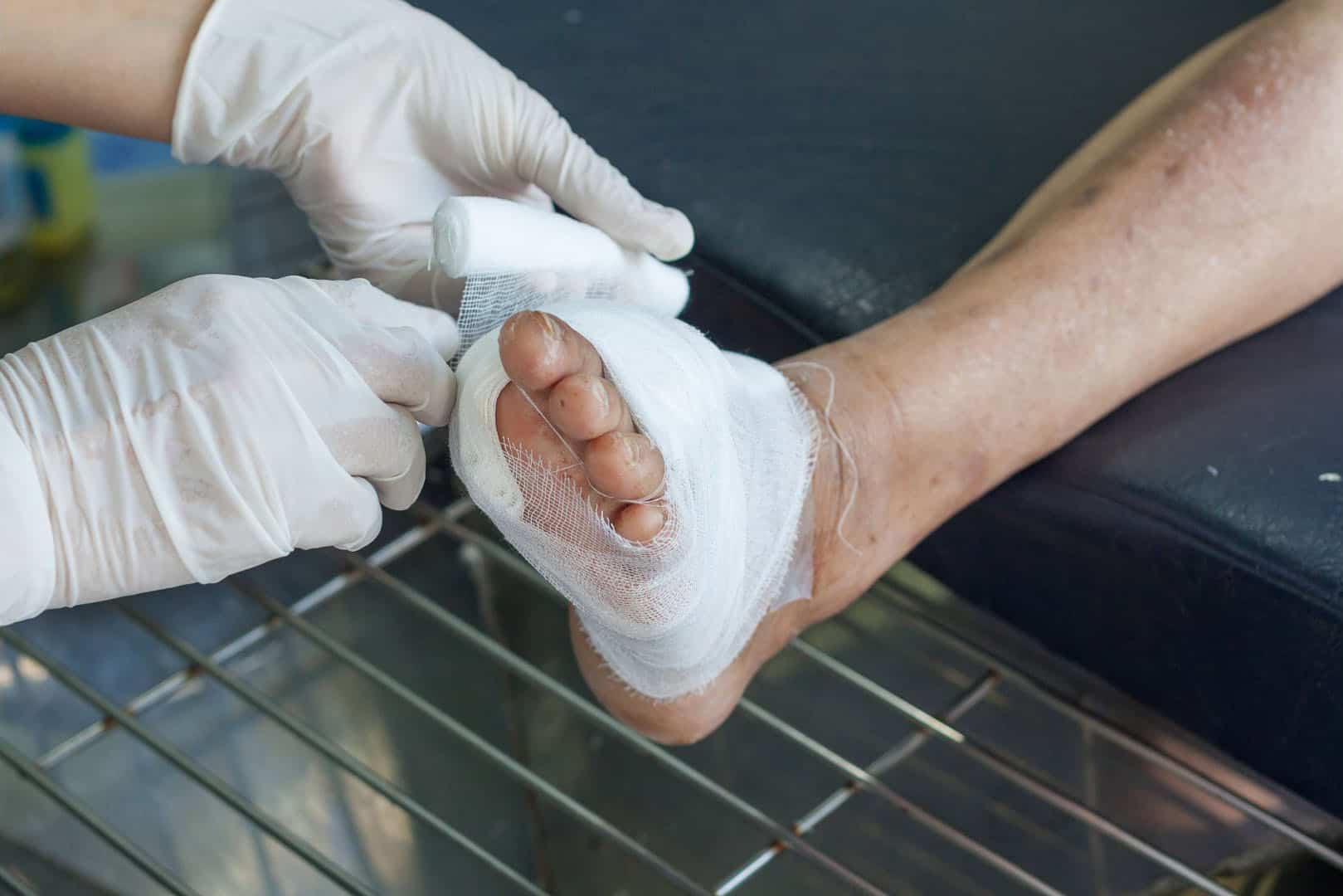
This isn’t another general overview of diabetic wounds. It’s a practical, step-by-step walkthrough of what real wound care for diabetic foot ulcers looks like at home, day to day and just as importantly, exactly when to stop doing it yourself and get diabetic foot ulcer wound care from a clinical team before things get out of hand.
Why Diabetic Foot Ulcers Aren’t Like a Regular Cut
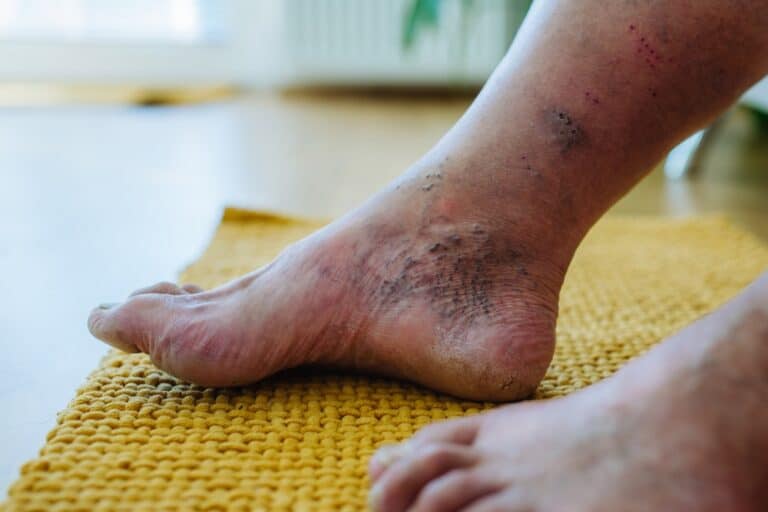
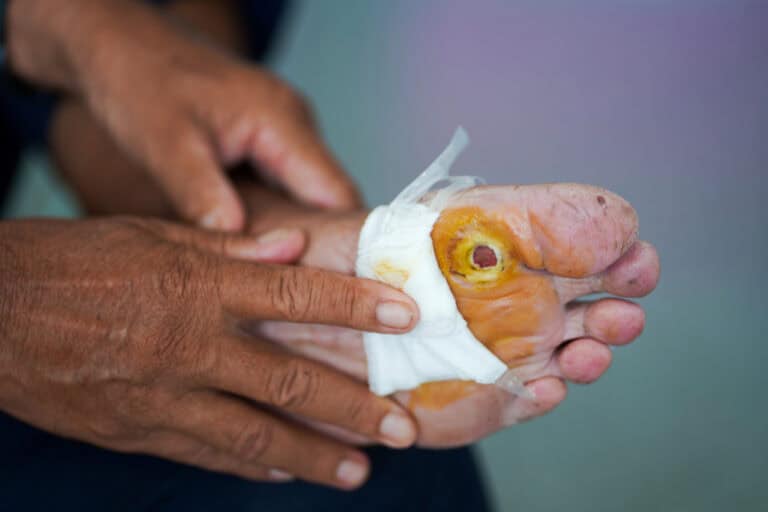
Most diabetic patients are dealing with two things at once: nerve damage that means they often can’t feel the wound at all, and circulation that’s already compromised. Put those together, and healing slows down dramatically while infection can quietly take hold without any pain to warn you. A wound cared for the wrong way, or simply left too long between checks, is usually how a small ulcer turns into a months-long chronic wound.
The Basics Worth Understanding Before You Start
- The wound needs the right moisture balance not bone dry, not soaking wet
- Weight should never rest directly on the ulcer while walking
- Infection signs need checking systematically, every single day
- Blood sugar control has a direct, measurable effect on how fast the wound closes
Home Wound Care, Step by Step
Step 1: Wash Your Hands and Get Everything Ready First
Before touching the wound, wash hands thoroughly with soap and water for at least 20 seconds. Lay out clean, sterile supplies ahead of time fumbling for a dressing mid-change is exactly how bacteria ends up somewhere it shouldn’t be.
Step 2: Clean the Wound the Right Way
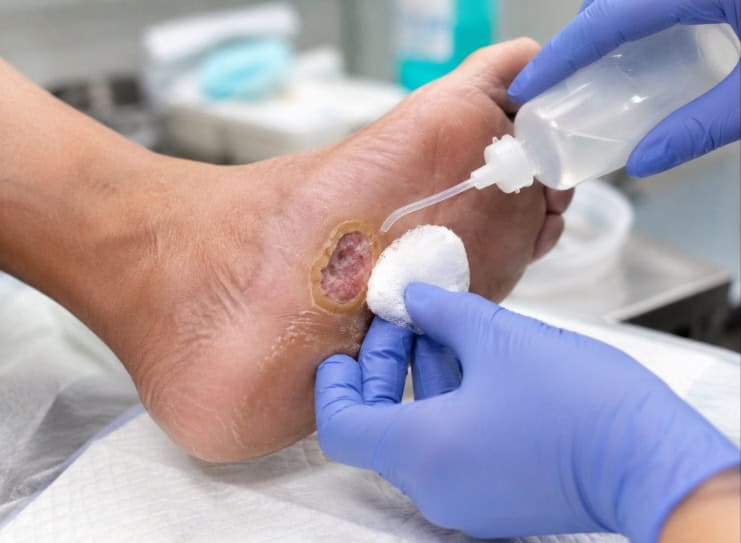
Sterile saline is what you want here, used gently to clear away debris and drainage. Skip alcohol and hydrogen peroxide entirely they might feel like they’re doing something, but they actually damage the fragile new tissue trying to form and slow healing down rather than speed it up.
Step 3: Actually Look at the Wound
Check color, size, depth, and smell every single time you change the dressing. Taking a quick photo each week is a small habit that makes a real difference, it’s a lot easier to spot subtle change, good or bad, when you can compare this week’s picture to last week’s.
Step 4: Dress the Wound With the Right Material
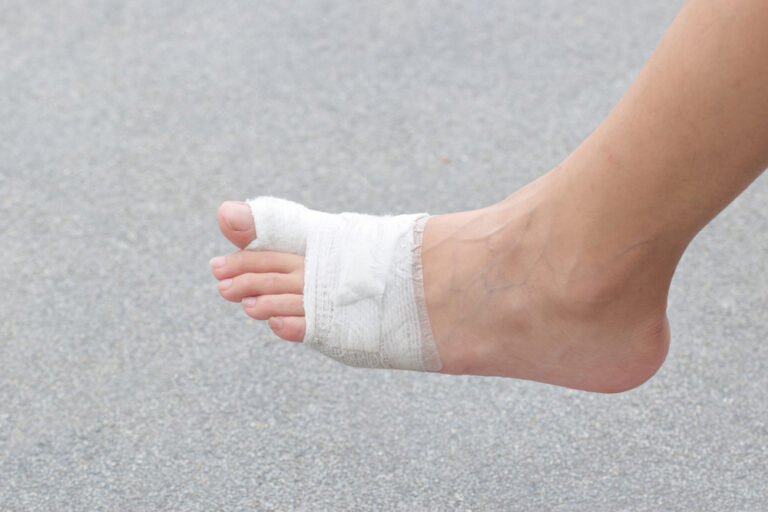
Use whatever dressing type your doctor has recommended this varies a lot depending on the wound. Heavy drainage usually calls for a highly absorbent dressing, while a drier wound needs something that adds moisture instead. Sticking to the exact dressing-change schedule your doctor gave you matters more than people expect; skipping days or stretching them out “because it looks fine” is one of the most common ways home care quietly stops working.
Step 5: Keep Weight Off the Wound, Even for Short Walks
Avoid putting direct pressure on the ulcer during any activity that includes short trips around the house, not just longer walks. Use the offloading device or footwear your doctor prescribed, even when it feels like overkill. Repeated pressure is honestly one of the top reasons wounds refuse to close no matter how well the dressing itself is managed.
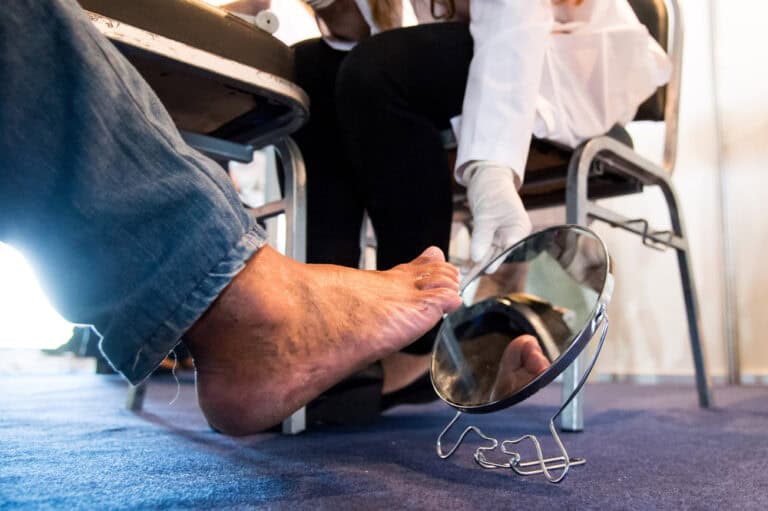
Step 6: Check Both Feet, Every Day, Not Just the One With the Wound
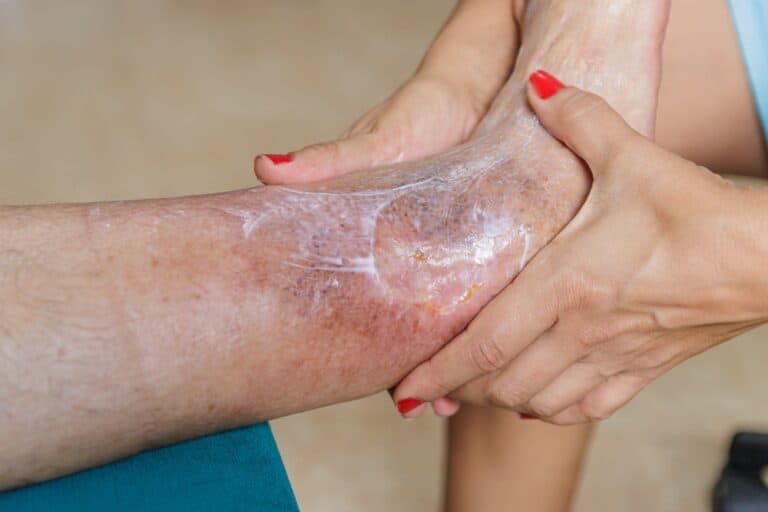
It’s easy to focus entirely on the wound and forget the other foot exists. Check both, every day, paying particular attention to between the toes and the sole the spots that are easy to miss and where a new ulcer can develop completely unnoticed.
Warning Signs That Mean It’s Time to Stop and Call the Clinic
Careful home care genuinely helps with early-stage wounds. But there are specific signs that mean home care alone isn’t enough anymore, and professional diabetic foot ulcer wound care needs to happen right away.
Infection Signs Worth Taking Seriously
- An unusual, unpleasant odor coming from the wound
- Drainage that’s turned green, cloudy, or noticeably thicker
- Increasing redness, swelling, or warmth in the skin around the wound
- Fever or just generally feeling unwell alongside the wound symptoms
- The wound getting deeper or wider despite consistent, correct care
Signs the Wound Just Isn’t Responding to Home Care
If you’ve been doing everything right for more than two weeks and there’s genuinely no improvement or dead tissue keeps building up instead of clearing that’s a clear signal the wound needs clinical-level diabetic foot ulcer treatment, not another week of the same routine.
What a Clinic Can Do That Home Care Simply Can’t
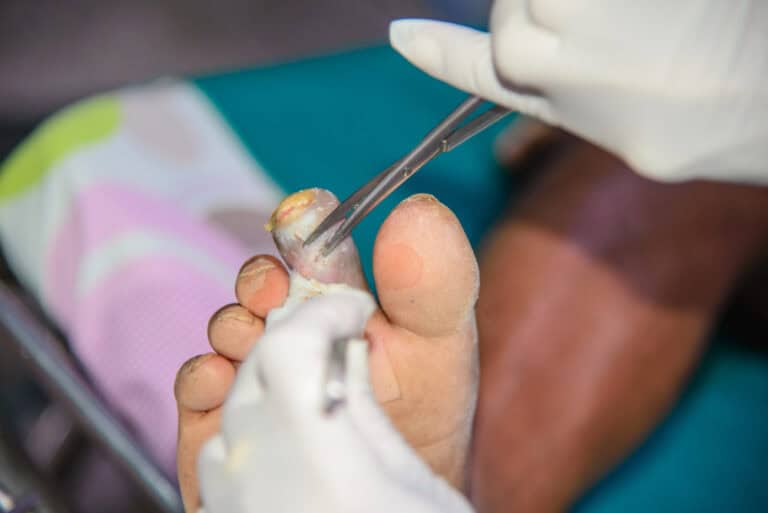
Debridement Performed by a Physician
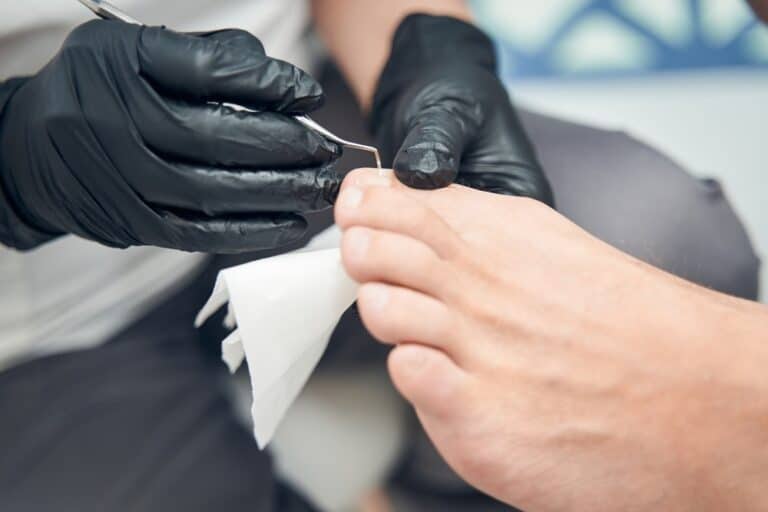
Once dead tissue has built up, debridement removing it with surgical precision isn’t something to attempt at home. It takes medical tools and training to clear dead tissue without damaging the healthy tissue sitting right next to it.
Advanced Dressings and Specialized Technology
Technologies like Negative Pressure Wound Therapy (NPWT) or bioengineered skin substitutes have to be managed under a physician’s supervision, since they need close monitoring and adjustment based on how the wound is actually responding week to week.
Medical-Grade Offloading Devices
The Total Contact Cast (TCC) widely considered the gold standard for taking pressure off a diabetic foot ulcer has to be molded and fitted by a specialist. There’s no home equivalent. This is often the missing piece when a wound isn’t healing despite otherwise perfect home care.
A Practical Daily and Weekly Wound Care Routine
What to Do Every Day
- Check both feet, morning or before bed
- Clean the wound on whatever schedule your doctor set (often every other day)
- Look for infection signs at every dressing change
- Keep weight completely off the wound
- Stay on top of blood sugar control per your treatment plan
What to Do Every Week
- Take a comparison photo to track real progress over time
- Check that footwear and offloading devices are still in good shape
- Keep every scheduled follow-up with the clinic even once the wound starts looking better
Preventing the Ulcer From Coming Back
Healing isn’t really the finish line. Preventing diabetic foot ulcer recurrence takes ongoing effort regular foot checks, proper diabetic footwear, and continued follow-up with a doctor, even long after there’s no visible wound left to worry about.
Finding a Clinic That Works Alongside What You’re Already Doing at Home
Good outcomes here really do depend on both sides working together — a patient doing consistent, correct wound care at home, and a clinical team ready to step in with advanced care exactly when it’s needed.
At Vega Derma, the wound care team assesses each case thoroughly, walks patients through proper home care, and steps in with advanced treatment the moment a wound needs more than basic dressing changes genuinely comprehensive wound care for diabetic foot ulcers, not a one-size-fits-all handout.
To learn more, you can read our full guide to wound care for diabetic foot ulcers, which covers the clinical technology behind modern diabetic foot ulcer wound care in more depth.
Frequently Asked Questions
How often should the dressing actually be changed?
It depends on the dressing type and how much drainage the wound is producing. Most doctors recommend every one to three days, but the exact schedule your provider gave you is the one to follow.
How long can I keep treating it at home before seeing a doctor?
If two weeks of correct home care hasn’t shown any improvement or any infection sign shows up at all that’s the point to see a doctor immediately, not wait out the full two weeks first.
Can the wound get wet, like in the shower?
Generally no, not until your doctor clears it. Excess moisture on the wound raises infection risk more than most people realize.
The Bottom Line
Faster healing for a diabetic foot ulcer doesn’t come down to clinical technology alone. It starts with genuinely consistent, correct daily care at home and knowing exactly when those warning signs mean it’s time to hand things over to a specialist.
Working with a dedicated wound care team at a clinic like Vega Derma for a plan that covers both what you can manage at home and what genuinely needs medical technology is the real first step toward lowering complication risk and giving that wound its best shot at closing completely.

The Vega Derma Medical Team consists of board-certified dermatologists, specialized trichologists, and clinical researchers based in Bangkok, Thailand. Our team specializes in evidence-based regenerative dermatology, complex tissue repair, and advanced hair restoration (including precision FUE and FSE). Every protocol and article we publish is medically reviewed to ensure it meets international clinical standards, providing safe, science-backed guidance for our local and international patients.