
Key Takeaways
- Diabetic foot ulcers often form without pain, since nerve damage can dull feeling in the feet and hide an injury.
- The earliest signs are usually things you see rather than feel, such as redness, swelling, a stubborn callus, drainage, or changes in skin color.
- Any break in the skin on a diabetic foot should be checked promptly, even if it looks small or does not hurt.
- A wound that is spreading, draining, smelly, or comes with a fever is a sign of possible infection and needs same-day care.
- Acting early gives the best chance of healing and helps avoid serious complications down the line.
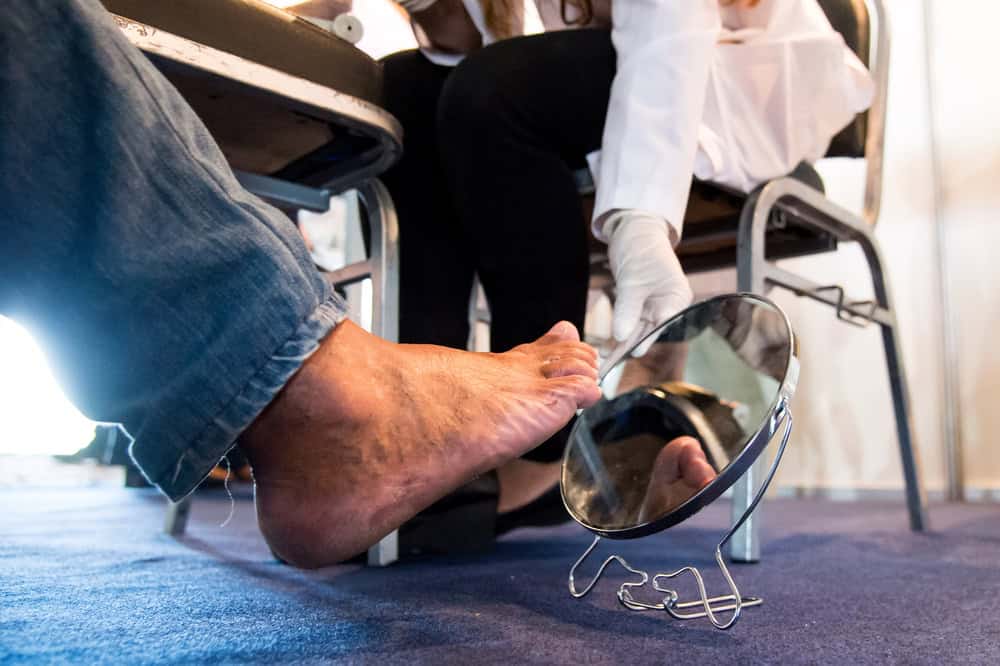
The subtle onset of diabetic foot ulcers presents a significant challenge. Over time, diabetes can harm the nerves in your feet, reducing sensation so that injuries might not feel as painful as usual. A minor mark like a blister or crack, which most people would see and react to, can be missed by a diabetic. This delay is frequently the reason a small mark develops into a persistent, deeper wound. The prompt recognition of visible symptoms in most wounds can significantly impact foot healing.
What Are the Warning Signs of a Diabetic Foot Ulcer
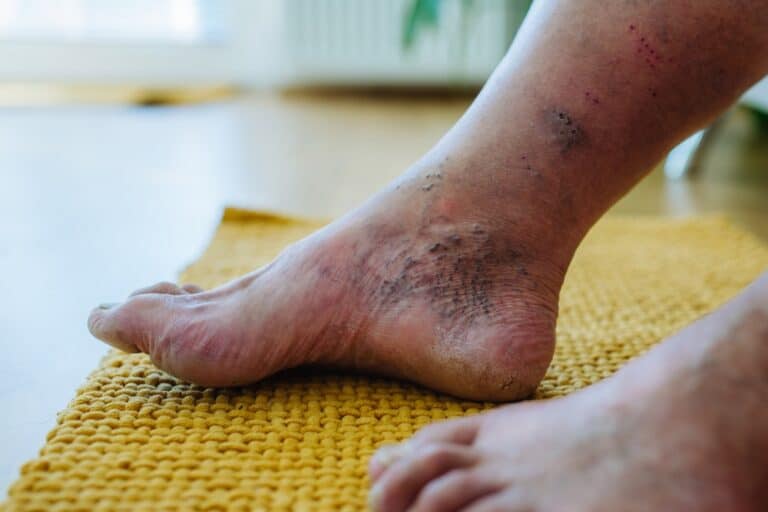
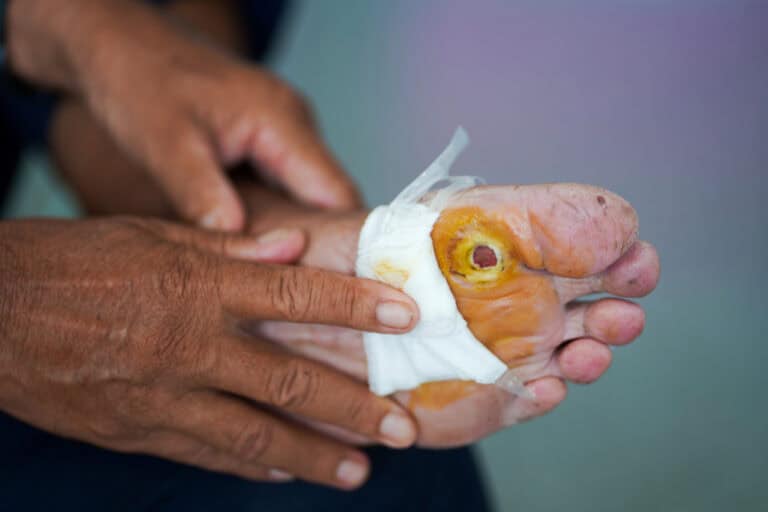
Because a diabetic foot ulcer is often painless, the warning signs are usually things you see rather than feel. Watch for:
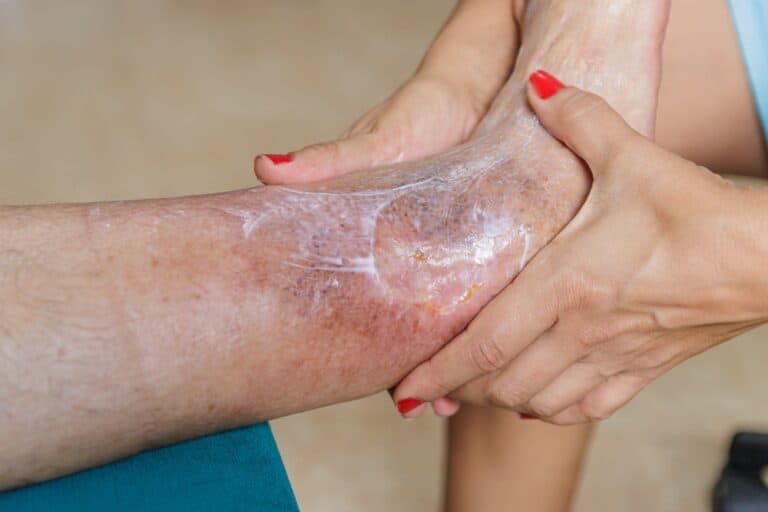
- New redness, warmth, or swelling in one part of the foot, especially when one foot looks different from the other.
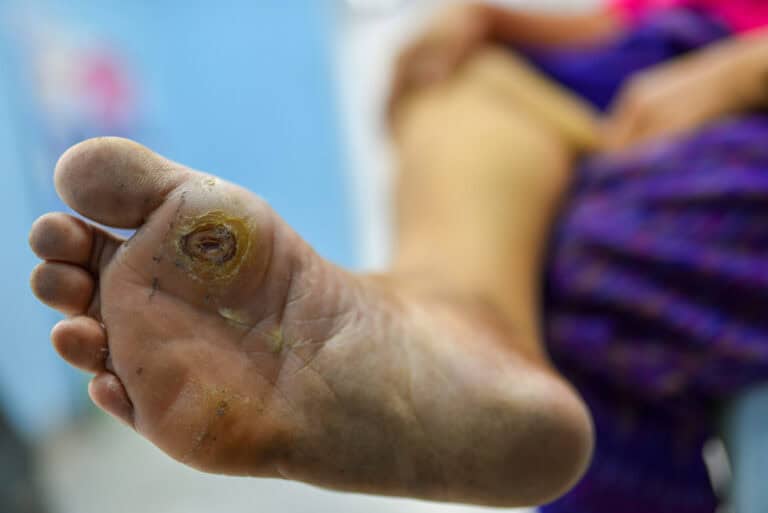
- A callus, blister, or area of cracked skin that does not improve, particularly on pressure points such as the ball of the foot, the heel, or the toes.
- Drainage or moisture, such as spots of blood on socks or fluid inside shoes, which may mean the skin has already broken open.
- Changes in skin color, including red, purple, or bluish patches, or areas that look darkened or pale, which can point to circulation problems.
- New numbness, tingling, or burning, which may be a sign of nerve damage that can hide pain.
It’s beneficial to compare your feet to each other during your daily check. An early indicator to note is a difference between them, like a warmer, more swollen, or discolored area. Observing minor visual alterations at home is highly beneficial, especially since these wounds can manifest before any pain is felt.
When Should I See a Specialist for a Diabetic Foot Ulcer
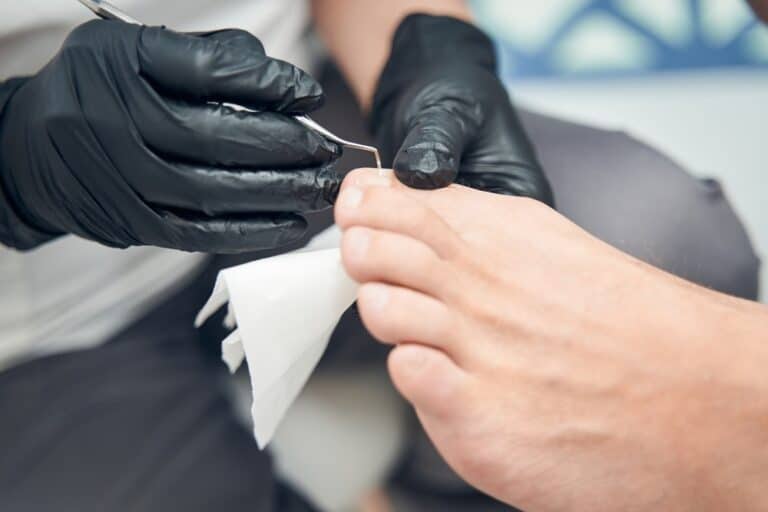
A diabetic foot wound should never be ignored, no matter how small or painless it looks. A podiatrist or diabetic foot specialist should check any new break in the skin, blister, cut, or crack without delay. Seek specialist care if:
- A wound shows no improvement after about one to two weeks of careful home care, or it reopens or appears under a callus.
- There are signs of poor circulation, such as cold toes, pale or bluish skin, weak pulses, slow healing, or calf pain when walking.
- The wound is on a higher-risk foot, including a previous ulcer or amputation, foot deformity, severe nerve damage, or kidney or cardiovascular disease, where any new change should be reviewed promptly.
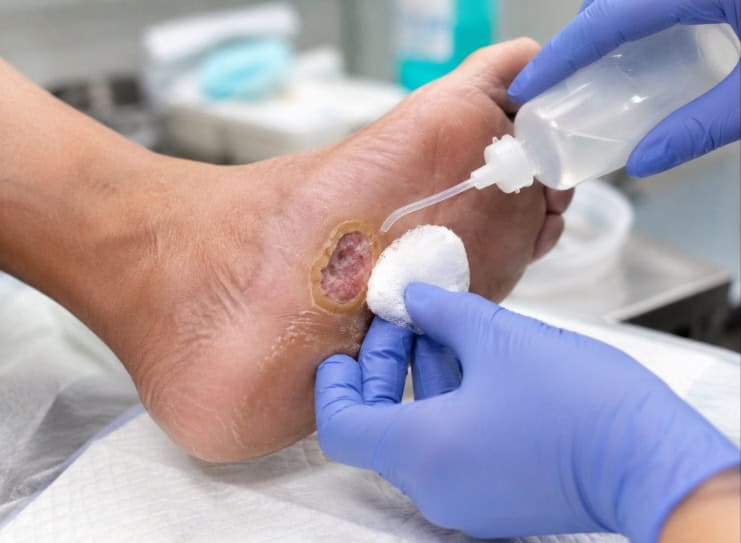
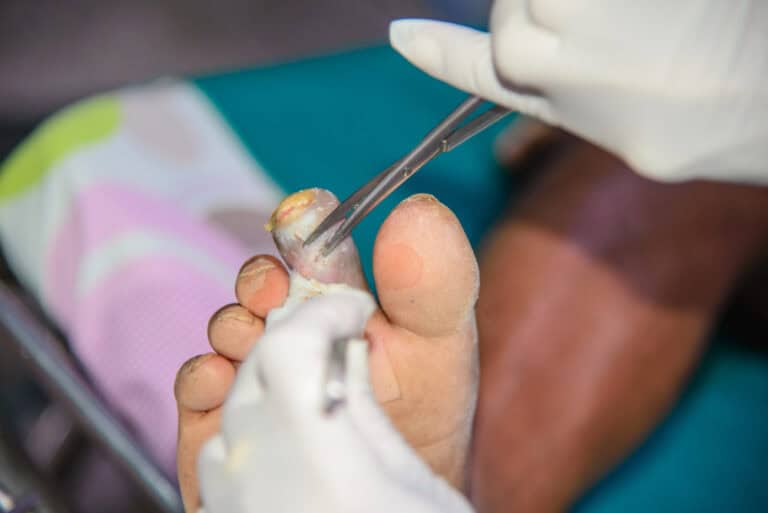
Consulting a specialist promptly is advisable, as a podiatrist or wound specialist can evaluate wound depth, assess foot circulation, detect early infection indicators, and debride tissue that might conceal an underlying issue. It’s much easier to catch a wound early than to treat one that has worsened. Specialist foot examinations for individuals with elevated risk factors, even without existing wounds, can help detect problems early.
Signs a Diabetic Foot Wound Is Getting Worse
It’s important to distinguish between typical healing and a wound that’s deteriorating once treatment begins. As a wound heals, it typically shrinks, remains clean, and becomes less worrisome. Conversely, a deteriorating wound can behave the opposite way, and a diabetic foot wound may deteriorate quickly when circulation, the immune system, and sensation are already impaired. Seek medical attention the same day if you observe the following:
- New or increasing pain, throbbing, or tenderness, especially in an area that was not painful before.
- Redness or swelling that is spreading beyond the original wound.
- Thicker drainage that turns yellow, green, cloudy, or bloody, or a foul smell from the wound.
- A wound that is getting larger or deeper, or shows black or brown dead tissue.
- Fever, chills, tiredness, or blood sugars that suddenly become harder to control, which may mean an infection is spreading.
It can help to keep a simple record at home, such as a photo of the wound every day or two, so that changes in size, color, or drainage are easier to spot. If anything on that list appears, it is safer to be seen quickly than to wait and see whether it settles on its own.

Why Early Recognition Matters
Early detection is crucial because of timing; by the time a diabetic foot wound causes pain or swelling, it’s often advanced and more difficult to treat. Prompt and immediate attention to minor foot issues, such as redness, slight discharge, or persistent calluses, is crucial for a complete recovery. This is also why treatment for diabetic foot ulcers is most effective when it starts early: a care team can assess the wound, manage any infection, take pressure off the area, choose suitable dressings, and keep an eye on blood sugar and circulation before the situation becomes harder to turn around. In more advanced cases, additional treatments may be added based on the individual’s needs.
Do you have a foot issue, like a sore or callus, that you’re unsure about? Having it inspected is always the preferred course of action. Arrange a private, specialist assessment with the team at Vega Derma Clinic for a private, specialist-led assessment.
References:
Diabetic Foot Ulceration and Complications. Retrieved on 28 May, 2026 from https://www.ncbi.nlm.nih.gov/books/NBK499887/
Diabetes Foot Problems: When to See Your Doctor Graphic. Retrieved on 29 May, 2026 from https://www.cdc.gov/diabetes/communication-resources/diabetes-foot-problems-when-to-see-your-doctor.html
Frequently Asked Questions About Diabetic Foot Ulcers
Q: What are the warning signs of a diabetic foot ulcer and when should I see a specialist?
A: The main warning signs are visible rather than painful: redness, warmth, or swelling in one area, a callus or blister that will not heal, drainage or blood spots on socks, and changes in skin color. You should see a podiatrist or wound specialist for any open sore, blister, or cut, even a small or painless one, and seek same-day care if a wound is spreading, draining, smelly, or comes with a fever.
Q: What causes a diabetic foot ulcer to form?
A: Most diabetic foot ulcers begin with a combination of nerve damage and reduced blood flow. Nerve damage means small injuries from friction, pressure, or ill-fitting shoes go unnoticed, while poor circulation slows healing, so a minor mark can break down into an open wound over time.
Q: How long does a diabetic foot ulcer take to heal?
A: Healing time varies widely depending on the wound’s size, depth, blood supply, and how early it is treated. Some ulcers improve over a few weeks, while others take several months. Wounds that are caught and treated early generally heal faster and with fewer complications.
Q: Can I treat a diabetic foot ulcer at home?
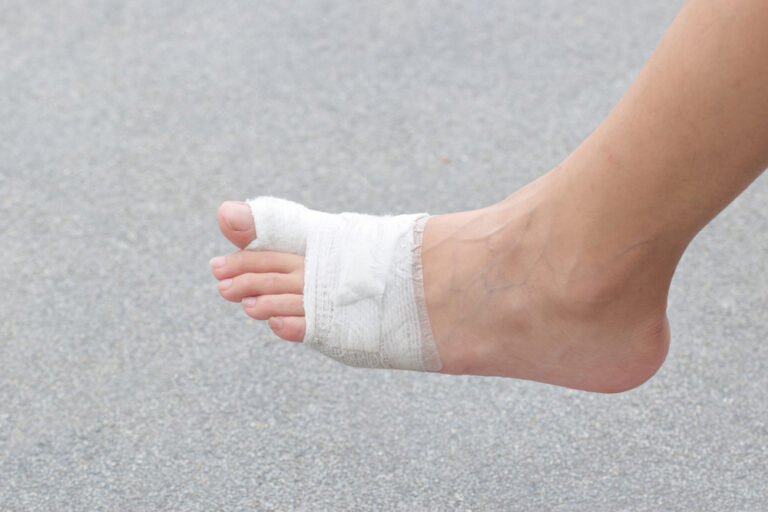
A: Basic home care, such as gentle cleaning, a clean dressing, and keeping weight off the area, can help, but a diabetic foot ulcer should always be assessed by a professional rather than managed at home alone. Because these wounds can worsen quietly, a check-up helps catch infection or circulation problems early.

The Vega Derma Medical Team consists of board-certified dermatologists, specialized trichologists, and clinical researchers based in Bangkok, Thailand. Our team specializes in evidence-based regenerative dermatology, complex tissue repair, and advanced hair restoration (including precision FUE and FSE). Every protocol and article we publish is medically reviewed to ensure it meets international clinical standards, providing safe, science-backed guidance for our local and international patients.