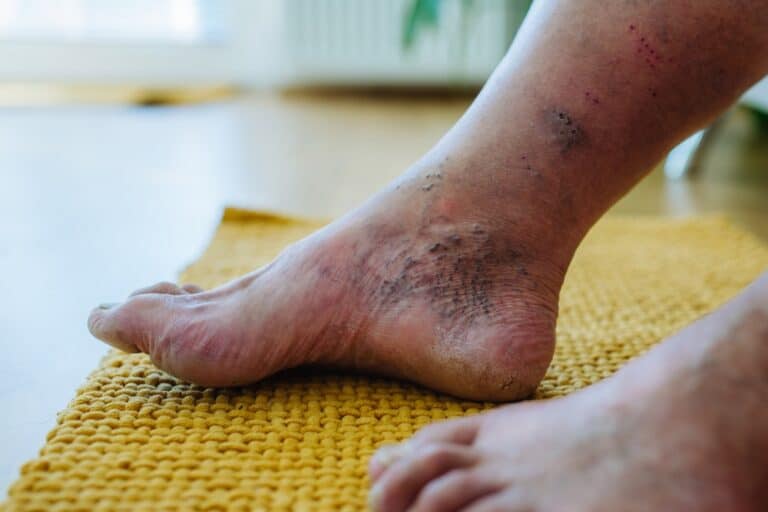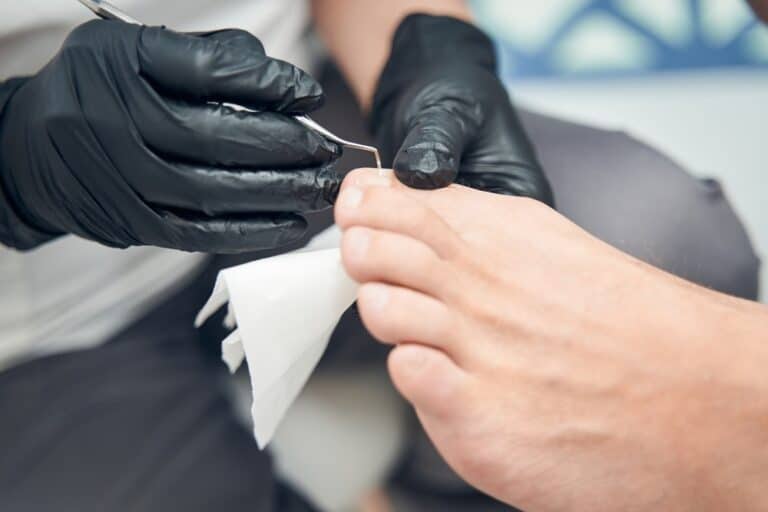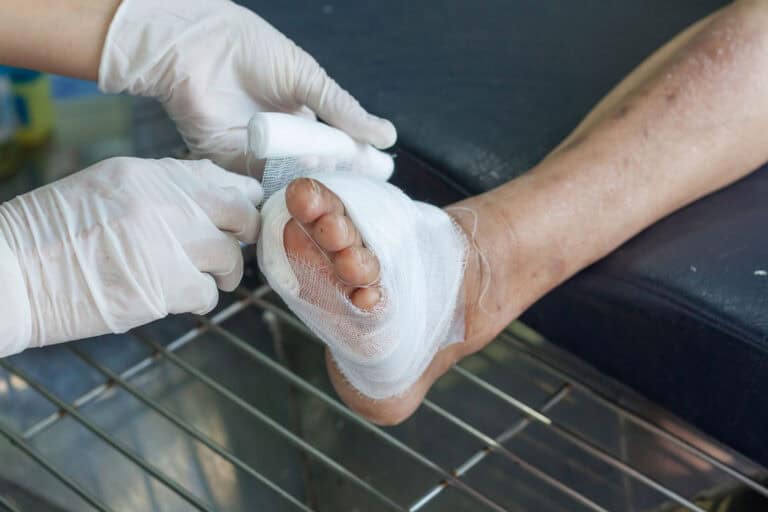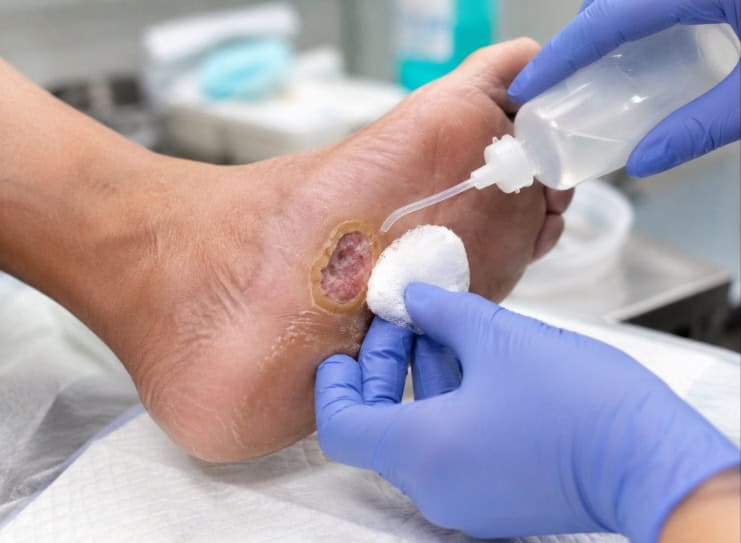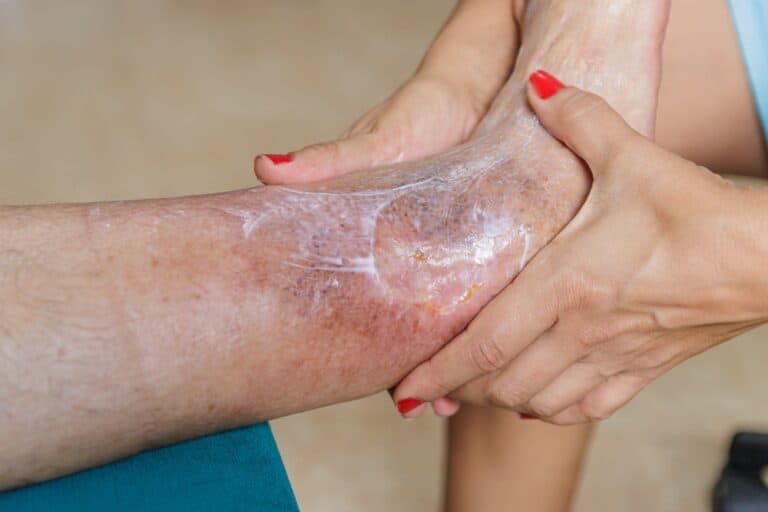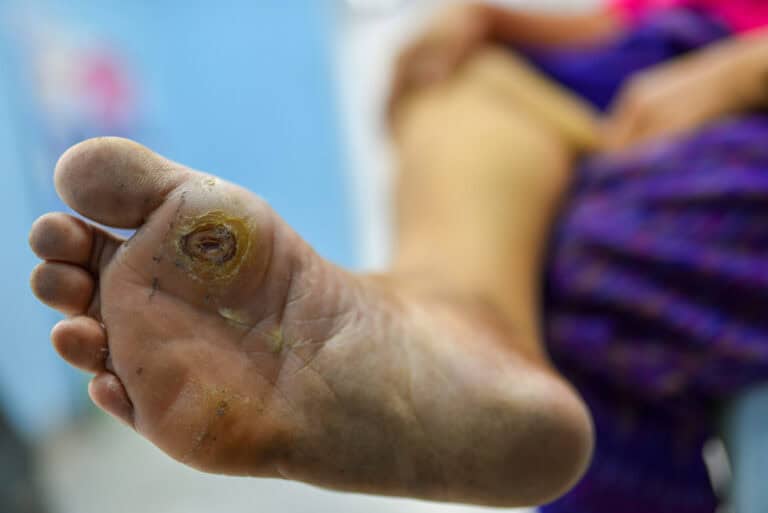

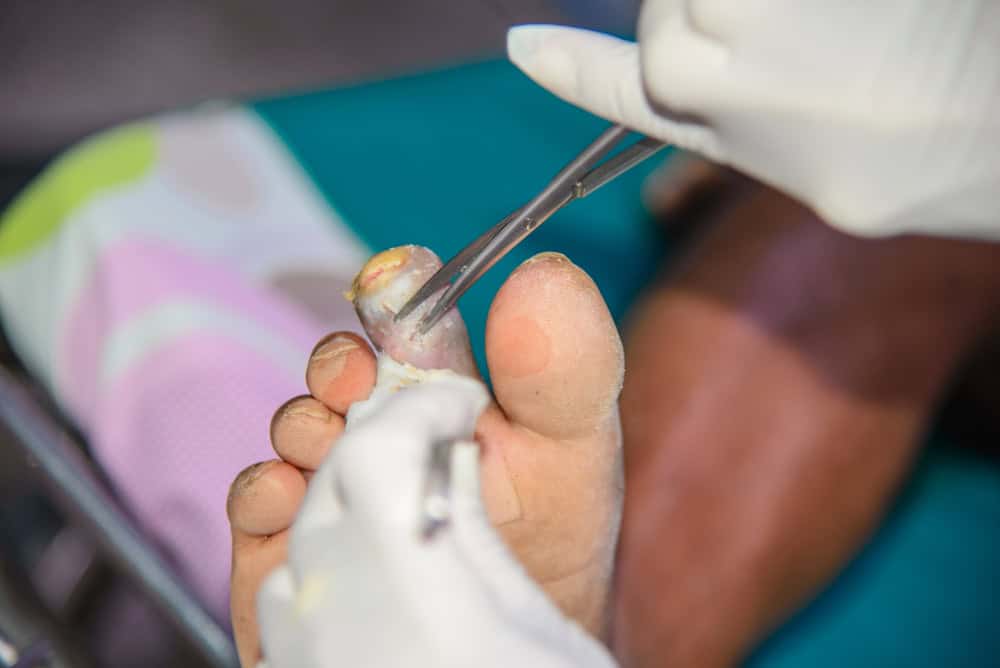
For people with diabetes, the smallest scratch can carry massive consequences. Because the condition impairs both nerve sensation and blood flow, minor injuries often go unnoticed and unhealed. Recognizing the progressive stages of diabetic wounds is your first line of defense. Here is how understanding these early signs, combined with timely, specialized care, can protect your health and accelerate recovery.
Understanding diabetic wound stages gives patients and caregivers a clearer picture of what to look for, so a minor scratch or blister does not quietly progress into something more serious. Timely, specialized diabetic wound care can make a meaningful difference in how a wound heals and how quickly.
Why Diabetic Wounds Progress So Quickly
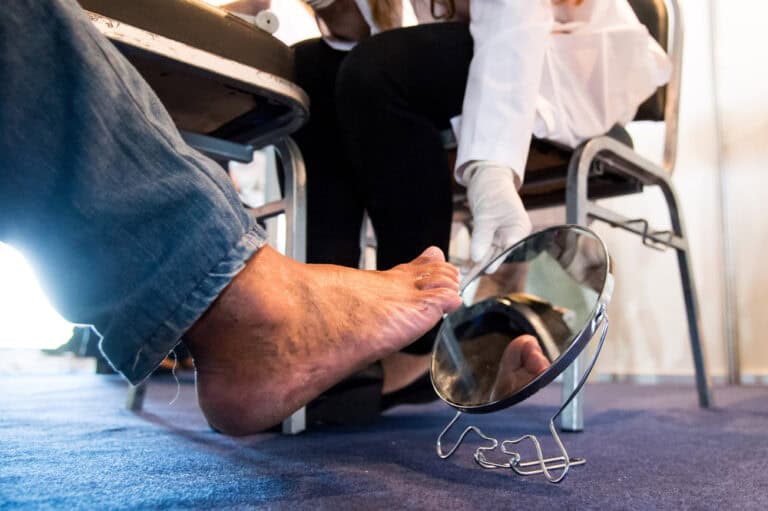
Diabetes can quietly change two things that normally protect the feet: blood flow and sensation. Reduced circulation means the wound site receives less oxygen and fewer of the repair cells the body needs, while nerve damage, known as neuropathy, can make it hard to feel a blister, a rub from tight shoes, or a small cut when it first happens. Without that early warning, minor injuries are more likely to go unnoticed and unattended.
This is exactly why understanding diabetic wound stages is so valuable. It gives patients and caregivers a shared reference point for what a wound looks like at each point in its progression, and when it is time to involve a specialized care team.
Chronic foot wounds can also develop bacterial biofilm, which are microscopic communities of bacteria that shield themselves from antibiotics and the body’s immune response. Standard antibiotics alone may not fully clear these infections, which is one reason a wound that looks stable on the surface can still need deeper clinical assessment. Foot deformities, ill-fitting footwear, and reduced mobility can add further pressure points where a new wound is more likely to form.
The Stages Of A Diabetic Foot Ulcer
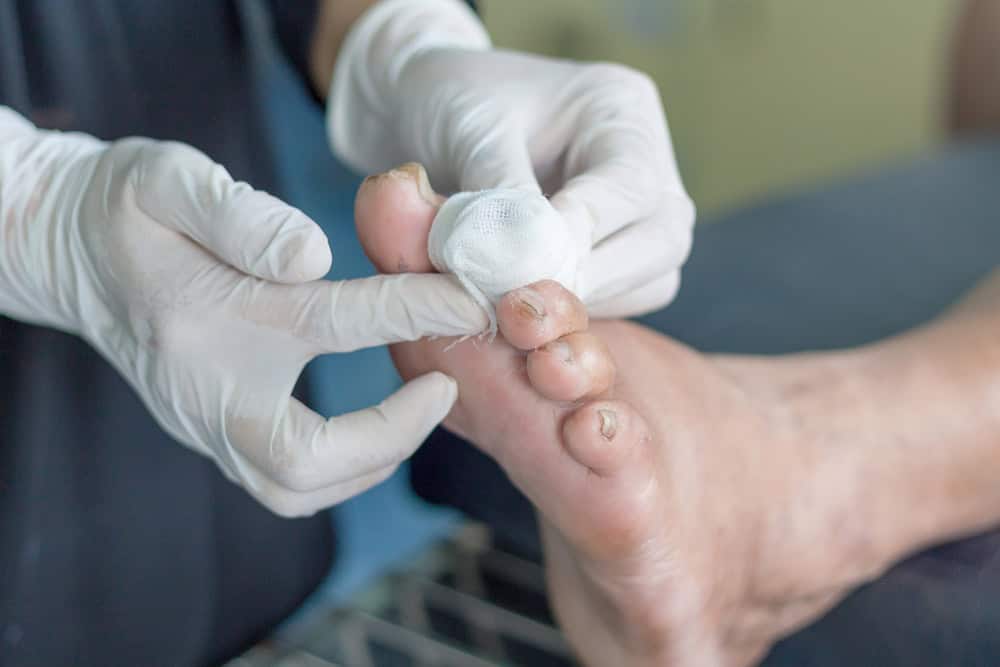
Clinicians commonly use the Wagner Classification System, an established medical standard, to describe the stages of diabetic foot ulcers and plan appropriate care. Here is what each stage can look like.
Stage 0: Pre-Ulcerative Stage
At the beginning of a diabetic foot ulcer, the skin is still fully intact. What signals risk at this point includes thick calluses, redness, or a change in the structure or shape of the foot. For someone managing diabetes, early stage diabetic foot ulcer changes often show up first as these subtle skin and structural signs, well before any wound actually opens.
Stage 1: Superficial Ulcer (Foot Ulcer Stage 1)
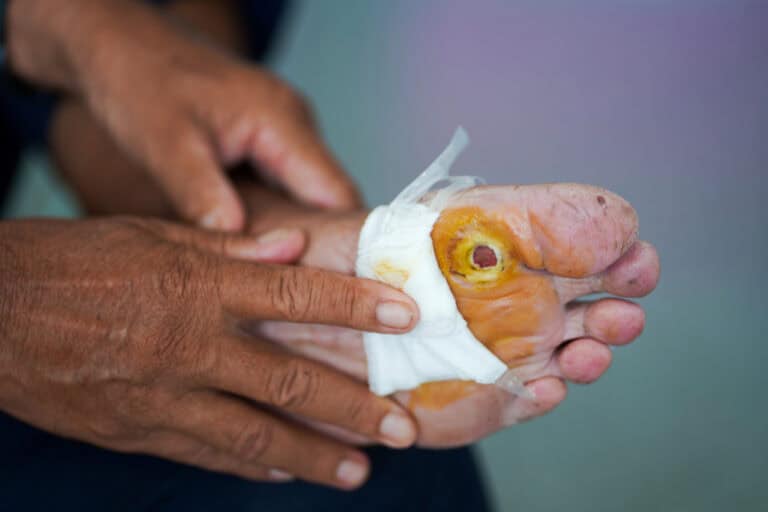
Foot ulcer stage 1 marks the point where a shallow, open sore has formed on the surface of the skin. It has not yet reached the deeper tissue layers, such as fat, tendon, or bone, which is exactly why catching it here matters so much. A wound at this stage tends to respond well to prompt, structured care.
Stage 2: Deep Ulcer (Stage 2 Diabetic Foot Ulcer)
A stage 2 diabetic foot ulcer goes deeper, extending into the subcutaneous tissue and exposing structures like tendons, ligaments, or the joint capsule. There is no active bone infection at this stage, but the wound needs closer clinical attention than a surface-level sore.
Stage 3: Deep Ulcer With Infection Or Abscess
By stage 3, a deep wound has become complicated by infection. This can present as an abscess, tendonitis, or inflammation of the bone, known as osteomyelitis. Infection at this depth calls for prompt, specialized management.
Stage 4: Localized Gangrene (Stage 4 Diabetic Foot Ulcer)
A stage 4 diabetic foot ulcer involves localized gangrene, where severely limited blood flow leads to tissue death in a specific area, often the toes or forefoot. This stage calls for urgent, specialized evaluation to help protect the rest of the foot.
Stage 5: Extensive Gangrene
At stage 5, tissue death extends across a significant portion of the foot, or the entire foot, calling for urgent surgical evaluation and comprehensive medical management.
When To Seek Specialized Diabetic Wound Care
Any open wound on the foot of someone with diabetes deserves prompt attention, even at the earliest stage. A wound that has not started closing within a couple of weeks, shows increasing redness or swelling, or comes with fever or drainage, needs a specialized care team rather than home treatment alone. Reaching out early, ideally at foot ulcer stage 1 or sooner, means the wound has more time to respond to treatment before it can progress further.
The Vegaderma Solution: Advanced Wound Care Management
Vega Derma, based in Bangkok, is a dermatology-led clinic dedicated to complex wound care and regenerative skin repair rather than a general practice that treats wounds as an afterthought. For diabetic wounds specifically, the clinical team builds a structured, condition-specific care pathway instead of relying on generic, over-the-counter dressings.
This includes objective tracking of tissue response and healing milestones, so both the care team and the patient can see how a wound is moving toward closure. Vegaderma’s regenerative approach draws on stem cell-derived growth factor science, delivered through its VEGF and PDGF signaling protocols, to support the body’s own healing processes at a diabetic wound site. The clinic’s multidisciplinary, conservative positioning centers on preserving skin integrity and helping prevent a wound from progressing to a higher, more complex stage.
Diabetic foot ulcers can move from a manageable stage 1 sore to a more serious stage 4 or 5 complication when they go unaddressed. If you or a loved one is managing a slow-healing diabetic wound, you do not have to figure out the next step alone. Vegaderma’s dermatology-led clinical team in Bangkok, Thailand can help map out a structured, objective care pathway built around advanced skin repair and healing.
Get Your Wound Assessed By Vegaderma’s Team
If a wound is not healing the way it should, an early assessment can make all the difference. Vegaderma’s clinical team welcomes enquiries by phone, WhatsApp, or email, and can walk you through what a diabetic wound care assessment involves before you commit to anything.
Call or message +66 614 179 599, or email [email protected], to arrange a consultation. The clinic is located at 3/6 The Primary 101, Lad Phrao 101 Road, Khlong Chan, Bangkapi, Bangkok 10240, Thailand, and is open Monday to Friday from 9 am to 6 pm. You can also reach out directly through the Vegaderma contact page to get started.
References:
- Diabetic Foot Ulceration and Complications. Retrieved July 14, 2026, from https://www.ncbi.nlm.nih.gov/books/NBK499887/
- Understanding Diabetic Foot Ulcer Classification Systems. Retrieved July 14, 2026, from https://www.woundsource.com/blog/understanding-diabetic-foot-ulcer-classification-systems
- Comparison of WIFi, University of Texas and Wagner Classification Systems as Major Amputation Predictors for Admitted Diabetic Foot Patients: A Prospective Cohort Study. Retrieved July 14, 2026, from https://pmc.ncbi.nlm.nih.gov/articles/PMC7751999/
- Diabetic Foot Ulcer Classification Systems: How To Classify Ulcers. Retrieved July 14, 2026, from https://woundeducators.com/diabetic-foot-ulcer/

The Vega Derma Medical Team consists of board-certified dermatologists, specialized trichologists, and clinical researchers based in Bangkok, Thailand. Our team specializes in evidence-based regenerative dermatology, complex tissue repair, and advanced hair restoration (including precision FUE and FSE). Every protocol and article we publish is medically reviewed to ensure it meets international clinical standards, providing safe, science-backed guidance for our local and international patients.