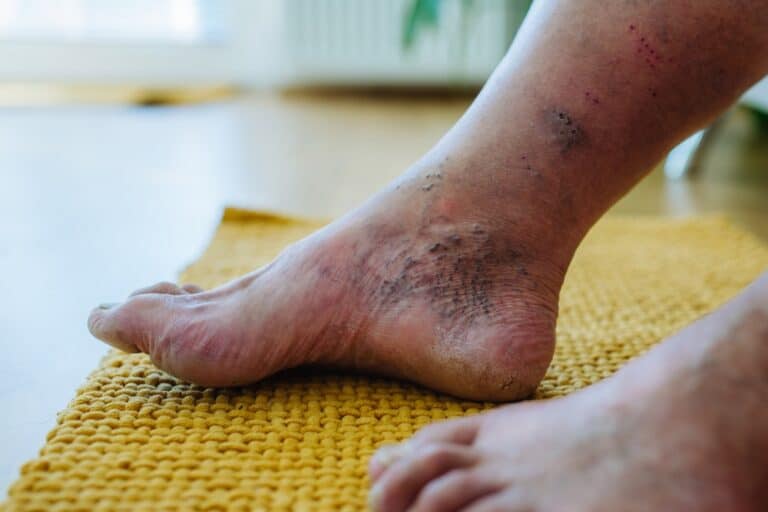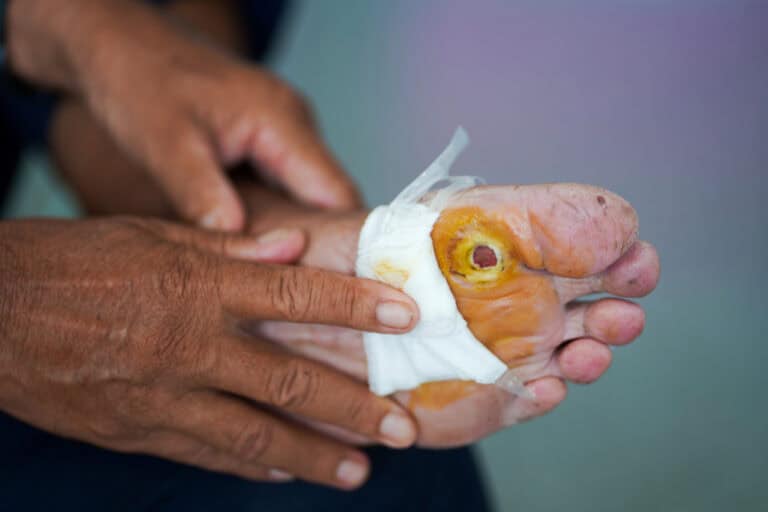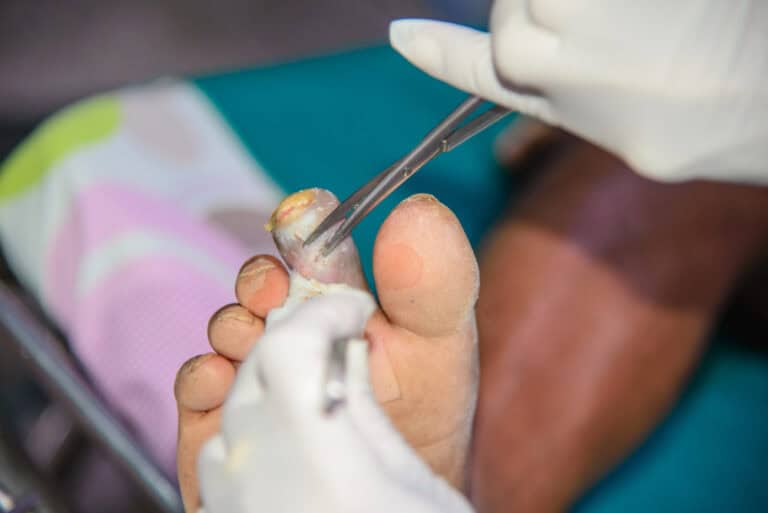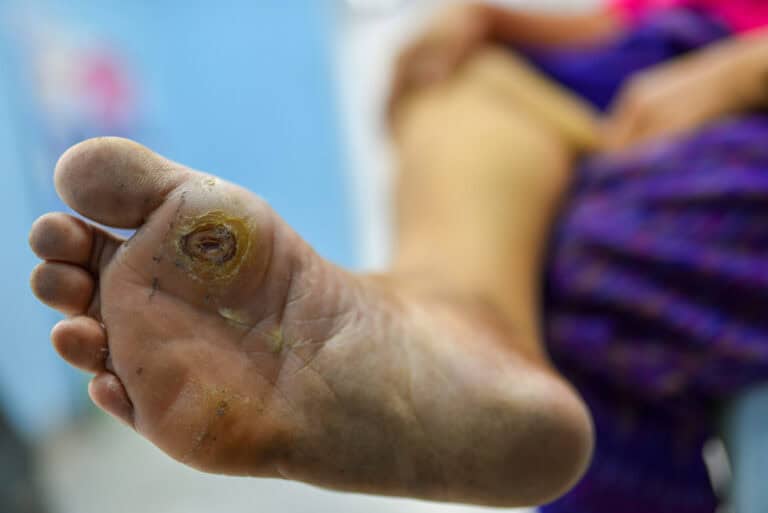

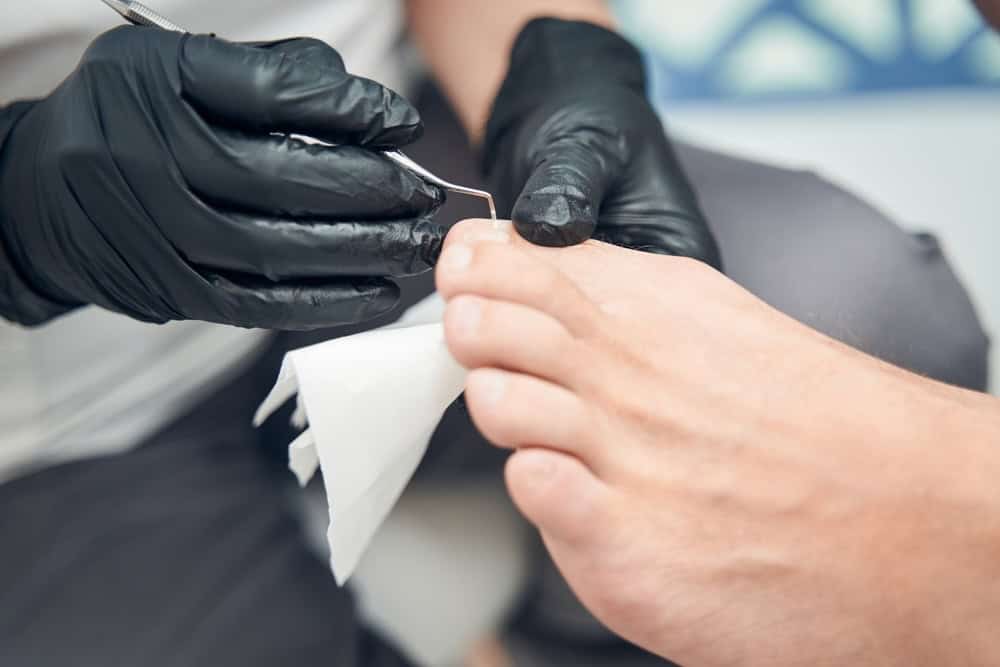
Diabetics can still get pedicures safely, but only under stricter rules and only when the feet are in good condition to start with. While pedicures appear to be straightforward self-care, they pose risks for individuals with diabetes that most salons are ill-equipped to handle. Decreased foot sensation and sluggish circulation can lead to minor injuries like cuts, burns, or scrapes going unnoticed, potentially developing into wounds that require extended healing periods.
Can Diabetics Get Pedicures Safely?
Yes, with conditions. A small nick from a nail tool, a burn from water that is too hot, or a scrape from an aggressive callus file may not be felt right away, and once the skin is broken, healing takes longer when blood flow and immune response are already compromised. Gentle technique, sterile tools, and lukewarm water matter far more in a diabetic pedicure than in a standard one, which is why a pedicure should be treated as part of foot care rather than just a cosmetic treatment.
When to Skip a Pedicure Completely
Pedicures are sometimes ill-advised, regardless of whether you do them yourself or go to a salon. This covers open wounds, blisters, bleeding cracks, inflamed or infected areas, swollen ingrown toenails, and any current foot ulcers. Anyone with severe nerve loss, advanced circulation problems, or a history of foot ulcers or amputation should get clearance from a doctor or podiatrist before any pedicure. When in doubt, it is safer to wait, since a missed pedicure carries no consequences, but a wound that develops from one can take months to resolve.
How Often Should a Diabetic Get a Pedicure?
For someone with generally healthy feet, good sensation, and normal circulation, every four to six weeks is a reasonable rhythm. Higher-risk feet, particularly those with a history of ulcers, structural deformity, or significant loss of sensation, usually need medical foot care rather than salon pedicures, on a schedule set by a podiatrist. The aim of visits changes based on risk: for low-risk feet, it’s about cosmetic care and routine maintenance; for high-risk feet, it’s about prevention, spotting issues early, and preventing skin breakdown that could cause problems.
Diabetic Pedicure at Home: Step-by-Step
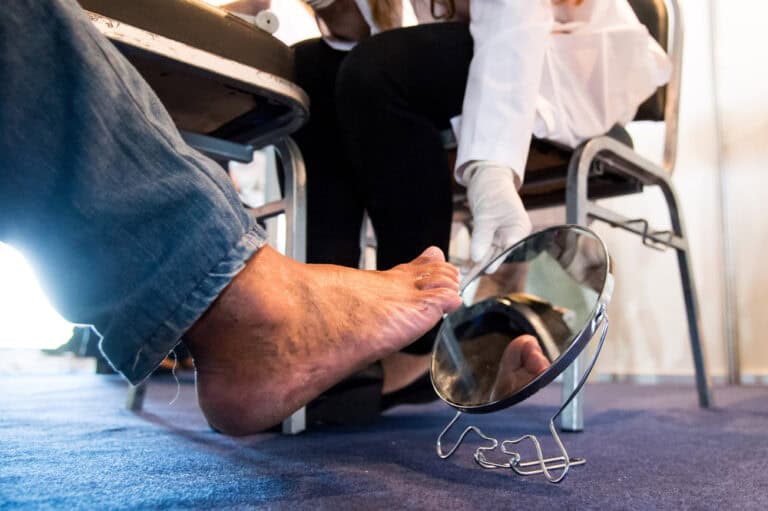
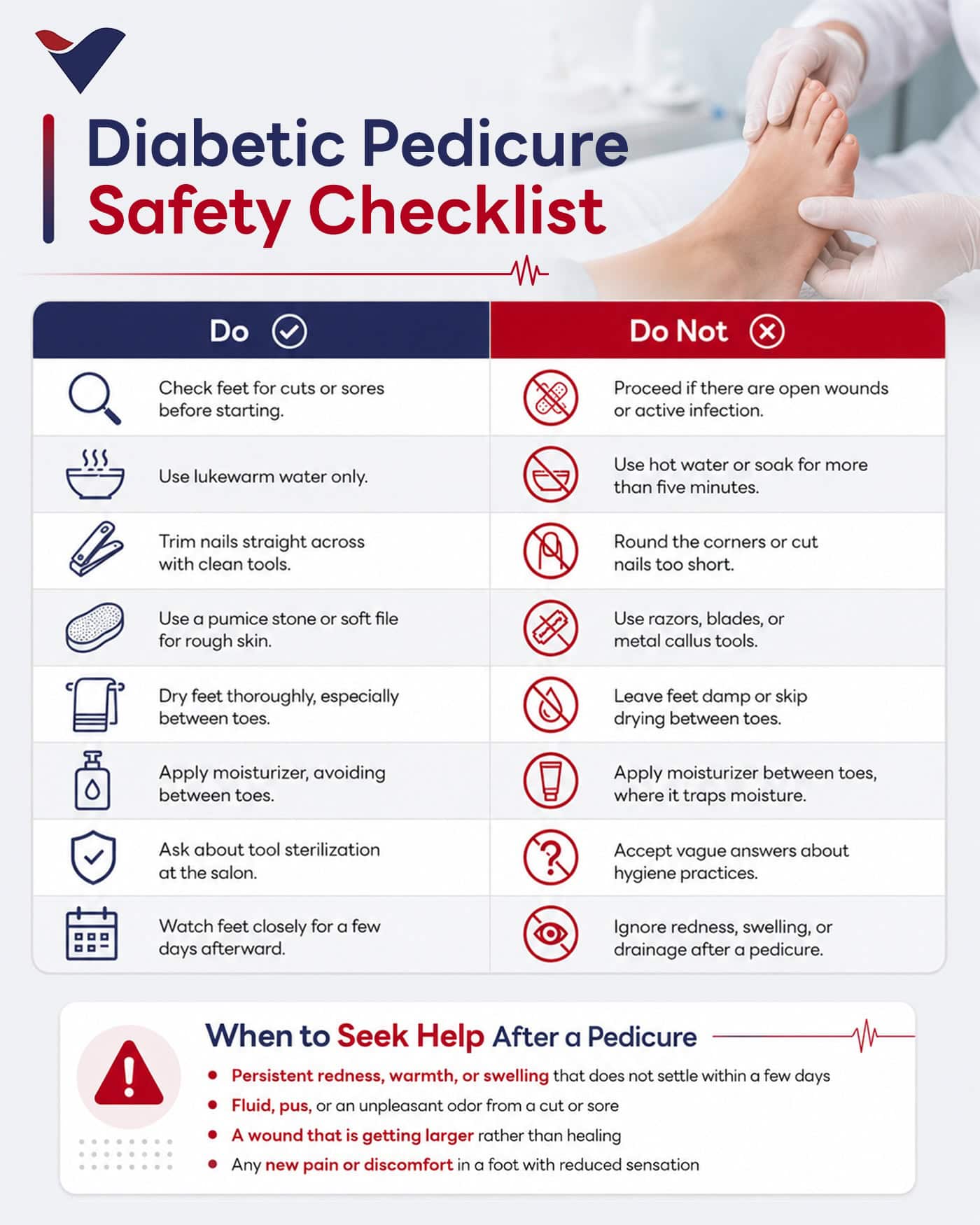
Check your feet carefully in bright light before you begin. If you find any cuts, cracks, blisters, redness, swelling, or drainage, do not proceed. It’s better to delay grooming if there’s any risk of worsening a minor skin break, rather than causing a medical problem.
If your feet look clear, follow these steps for a safe diabetic pedicure at home:
- Wash with care: Clean your feet using lukewarm water and mild soap. Limit soaking to three to five minutes, as prolonged soaking softens skin too much and increases the risk of tearing during care.
- Dry thoroughly: Gently pat your feet completely dry with a clean towel, paying extra attention to the skin between your toes, where trapped moisture can encourage fungal growth.
- Trim nails straight across: Cut nails straight across without trimming them too short, then smooth the edges gently with a soft file. Avoid cutting into the corners to prevent ingrown toenails and skin breaks.
- Softly buff rough patches: Use a pumice stone or emery board to smooth calluses gently. Never use razors, metal rasps, or sharp tools on diabetic feet.
- Moisturize selectively: Apply a fragrance-free lotion over the tops and bottoms of your feet. Keep the spaces between your toes dry, as excess moisture there creates a breeding ground for bacterial and fungal infections.
To protect your feet, avoid cutting cuticles, digging at ingrown nails, scrubbing aggressively, or leaving skin damp afterward. Once you finish, perform a final inspection of both feet and note any areas that look red or irritated so you can monitor them over the following days.
What Makes a Salon Pedicure Diabetic-Safe?
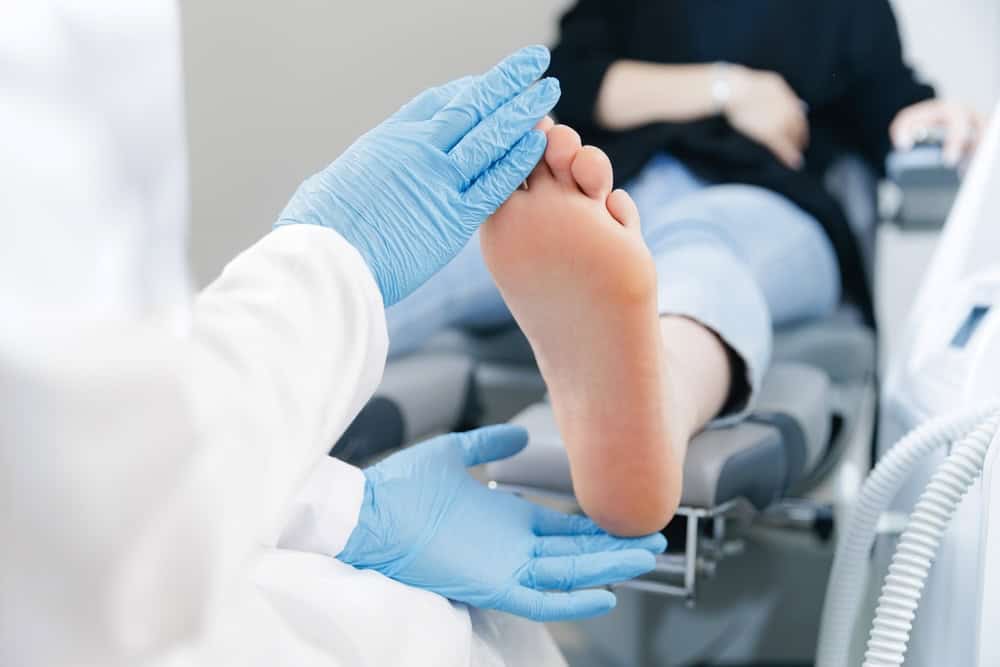
A salon pedicure can be safe with the right precautions, even if a home pedicure isn’t feasible. Key factors to consider are meticulous tool sterilization, disposable liners for foot baths, and staff knowledgeable in treating diabetic clients. Bringing a personal tool kit adds an extra layer of protection and is worth doing regardless of how reputable the salon appears.
Before booking, ask directly how tools are sterilized, whether liners are fresh for each client, and whether cuticle cutting and callus razors can be skipped. If the answers are vague, look elsewhere. Inform the salon about your diabetes before the pedicure. For a diabetic-safe pedicure, expect a brief lukewarm soak, avoidance of sharp tools close to the skin, no cuticle trimming, only mild exfoliation, and thorough foot inspection pre and post-service.
When a Pedicure Leads to a Wound
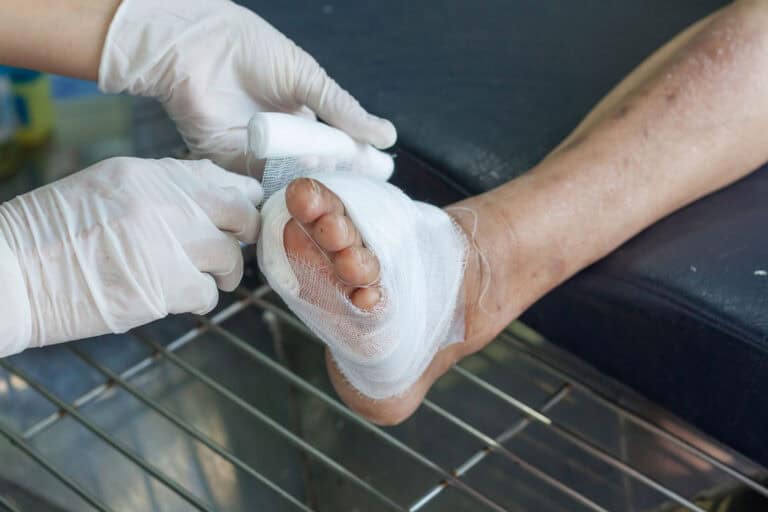
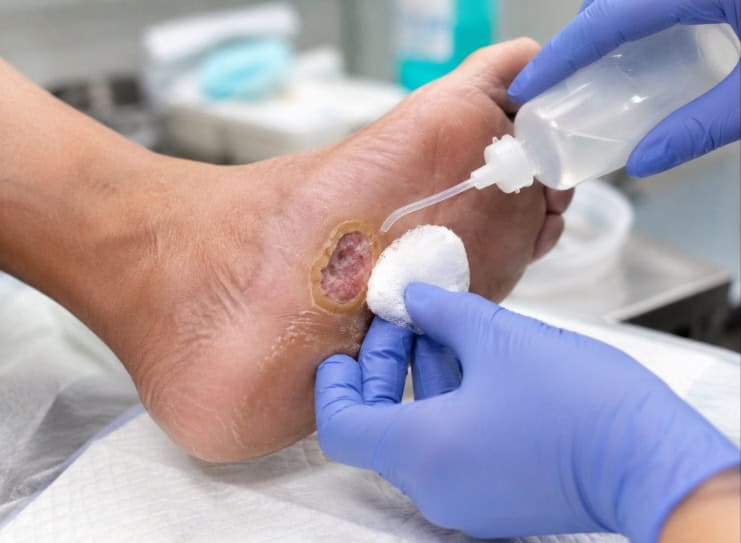
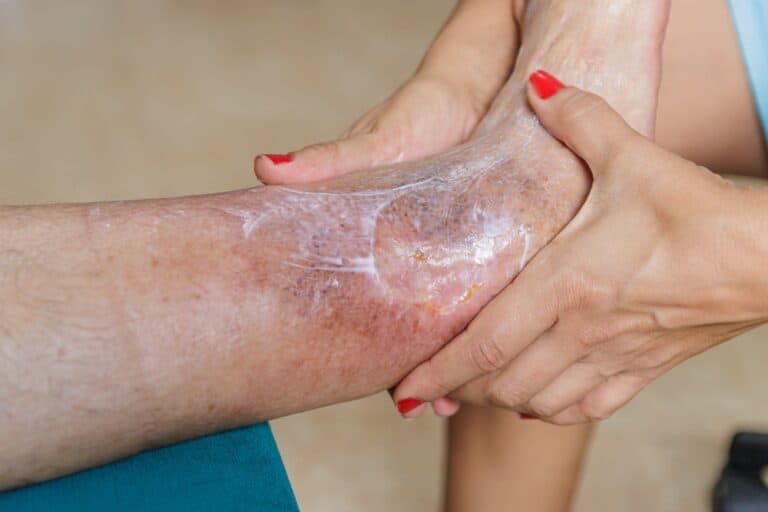
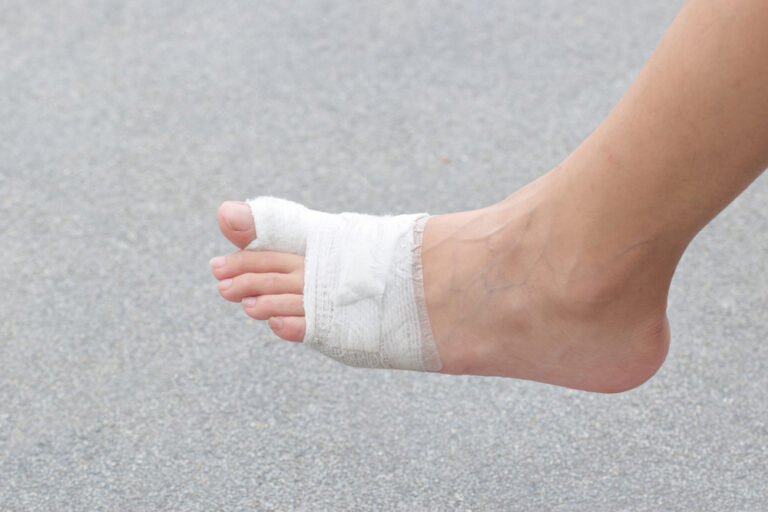
Despite taking precautions, pedicures might sometimes result in a small, unhealed cut or irritation. Stop all cosmetic foot care if you see persistent redness, warmth, swelling, discharge, or an unpleasant smell after an appointment. Getting salon treatments during an active injury can worsen the problem, necessitating medical care over cosmetic concerns.
That is where Vega Dermatology & Wound Care Unit in Bangkok comes in. Our clinical team uses a physician-guided framework focused on early assessment, infection control, and targeted tissue support to create the ideal conditions for recovery. Whether you are dealing with a salon-related injury or require advanced diabetic foot ulcer treatment, consulting a diabetic wound care specialist ensures your recovery is managed by experts who understand lower-limb healing.
If a foot issue fails to improve, book a consultation with our clinical team today for a thorough evaluation.
References:
- Diabetes Foot Care Tips. Retrieved 30 July 2026, from https://diabetes.org/health-wellness/diabetes-and-your-feet/foot-care-tips
- Diabetes – taking care of your feet. Retrieved 30 July 2026, from https://medlineplus.gov/ency/patientinstructions/000081.htm

The Vega Derma Medical Team consists of board-certified dermatologists, specialized trichologists, and clinical researchers based in Bangkok, Thailand. Our team specializes in evidence-based regenerative dermatology, complex tissue repair, and advanced hair restoration (including precision FUE and FSE). Every protocol and article we publish is medically reviewed to ensure it meets international clinical standards, providing safe, science-backed guidance for our local and international patients.