
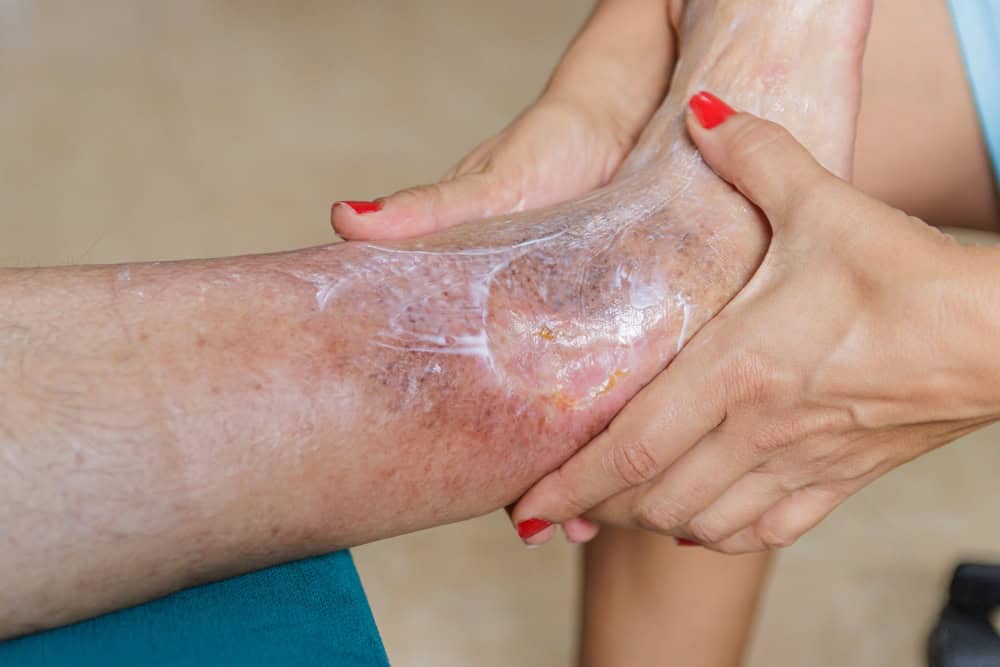
A persistent ankle sore, especially with accompanying swelling, itching, and darkened skin, is likely a venous ulcer rather than a simple cut.
The root issue is related to circulation, altering the approach to effective treatment. This outlines the causes, recognition, treatment, and healing factors of these ulcers.
What Causes Venous Ulcers?
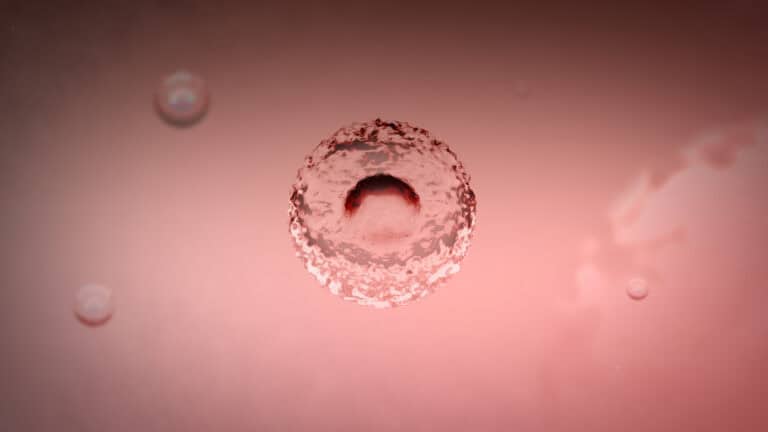
The root mechanism is chronic venous insufficiency. Veins in the legs rely on one-way valves to push blood back toward the heart. When those valves weaken or fail, blood pools in the lower leg. This creates sustained high pressure, known as venous hypertension, which damages small vessels and skin over time.
Major risk factors include varicose veins, a prior deep vein thrombosis (DVT), obesity, pregnancy, jobs that require prolonged standing, and family history of vein disease. Having a previous venous ulcer is itself a strong predictor that it can recur, which is why long-term management matters as much as healing the first wound.
Recognizing Venous Ulcer Symptoms
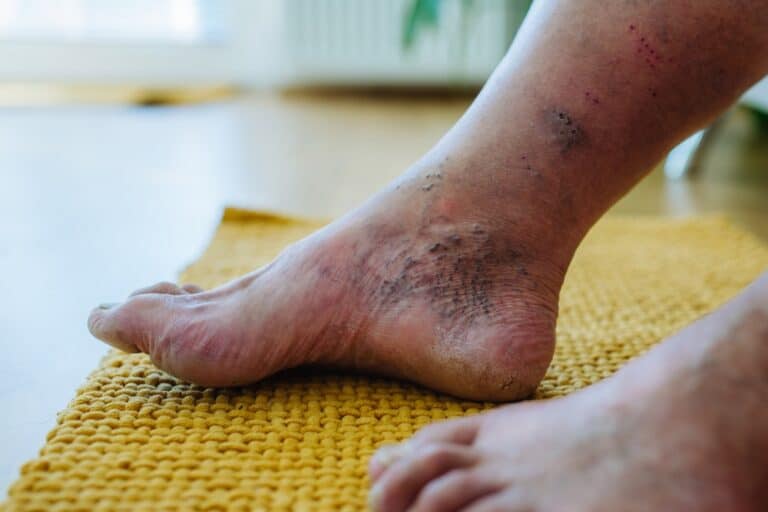
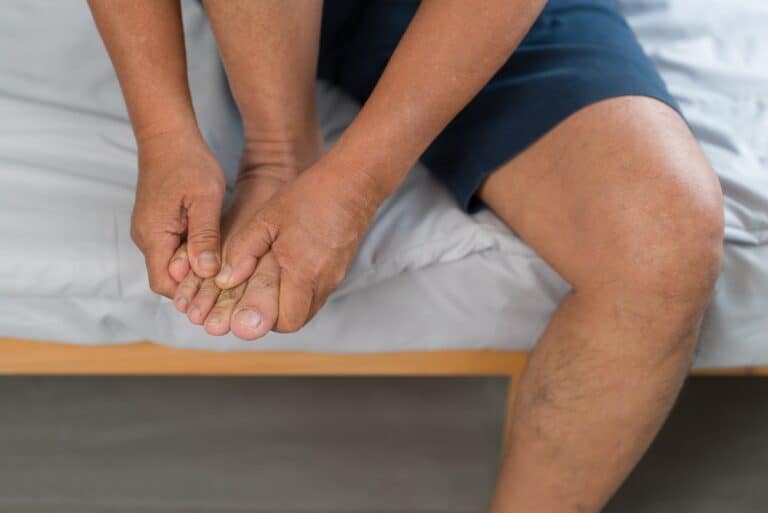
Early venous ulcer symptoms often show up before an open wound does. This includes ankle swelling that worsens through the day, a heavy or aching feeling in the legs, persistent itching, visible varicose veins, and brown or reddish skin discoloration around the lower calf.
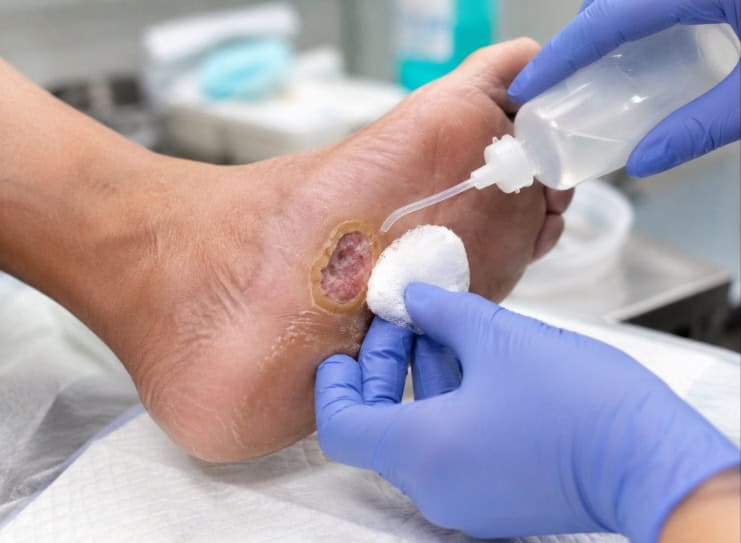
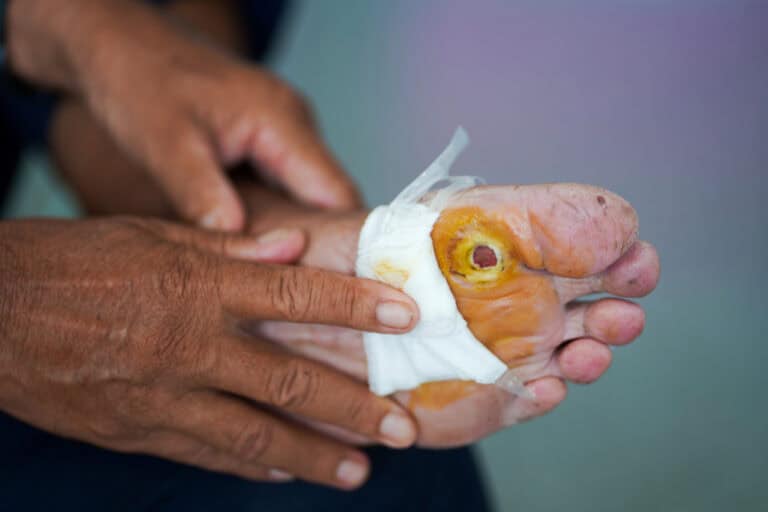
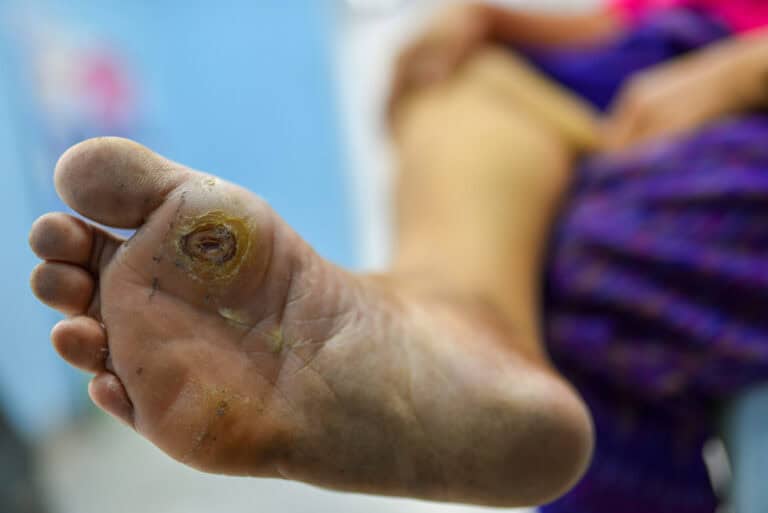
The ulcer itself typically appears near the inner ankle. It is usually shallow with irregular borders and may weep clear or yellowish fluid. Warning signs of infection include increasing redness, warmth, foul odor, worsening pain, or fever.
As a general rule, any lower-leg wound that stays open beyond 2 to 4 weeks deserves professional evaluation.
How Serious Is a Venous Ulcer?
There are real risks with untreated or poorly managed venous ulcers. Infection can spread into surrounding tissue (cellulitis), and repeat infections increase the chance of longer-term complications. The ulcers also cause chronic pain and reduced mobility, which affect sleep, daily activity, and mental health more than most people expect.
These ulcers are also chronic in nature, with a high recurrence rate when the underlying vein disease is not managed. This is not an immediate emergency in most cases, but it becomes more serious over time. The earlier you treat chronic venous ulcers and address the root cause, the better the long-term outcome.
Is a Venous Ulcer Curable?
Most venous ulcers can heal completely with proper treatment, so the visible wound is curable. However, the underlying venous insufficiency causing them usually persists. Without ongoing management for it, there is the risk of a new ulcer forming.
Healing time varies. Small, recent ulcers can close within weeks, whereas larger or long-standing ones may take months. Key factors that affect the timeline include ulcer size, how long it has been open, whether it is infected, and how consistently the patient uses compression and follows lifestyle changes.
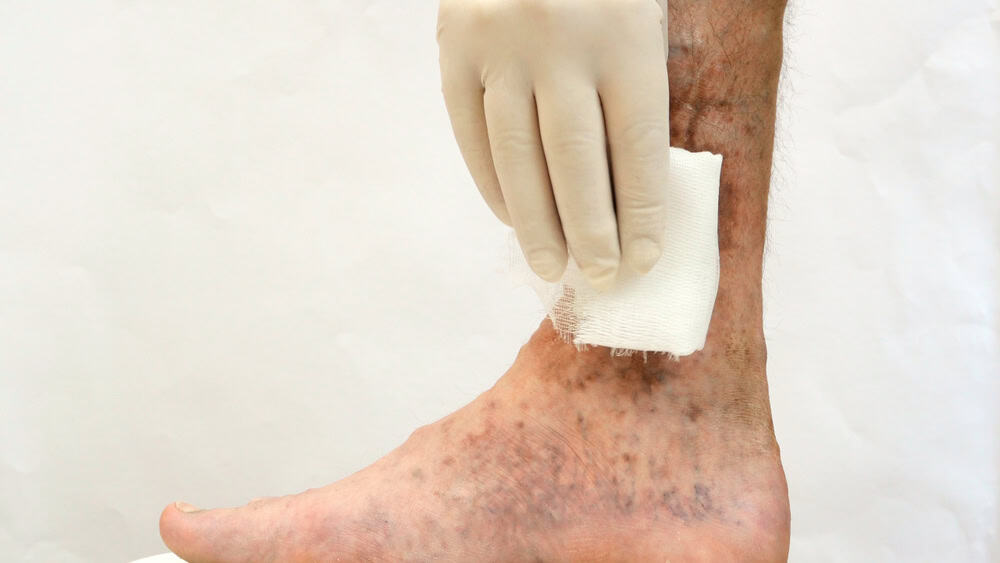
Venous Ulcer Treatment and Supportive Therapy
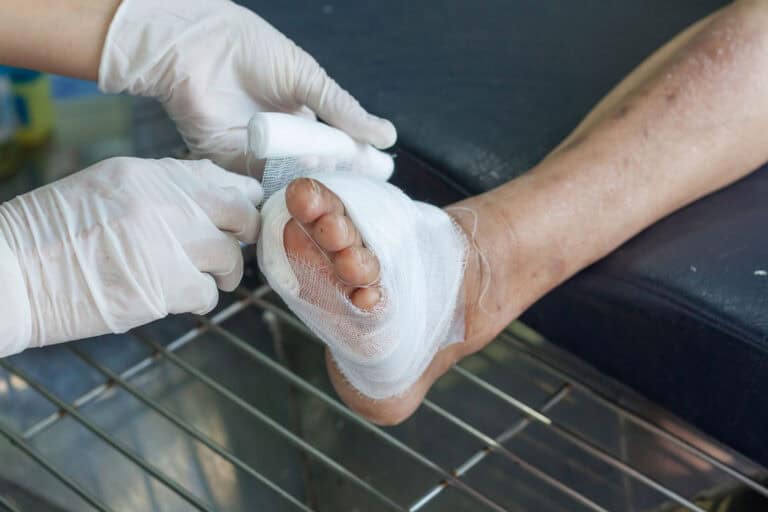
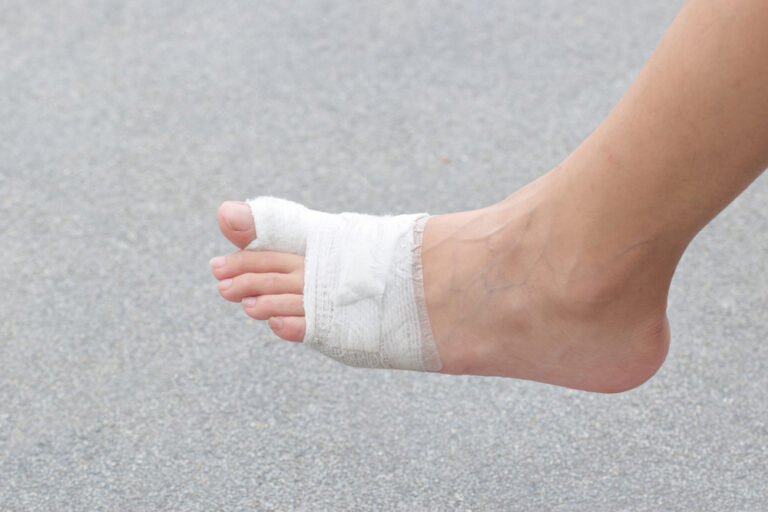
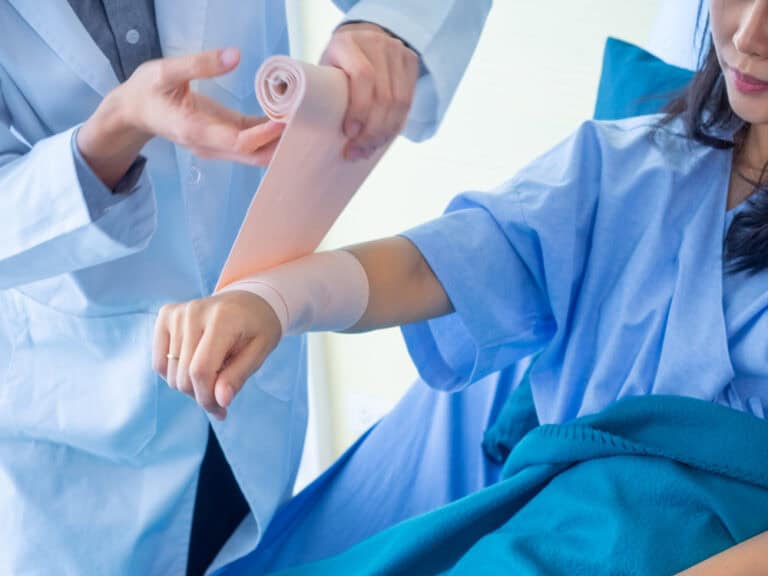
Compression therapy is the foundation of standard venous ulcer treatment. Compression stockings or multi-layer bandages reduce venous pressure and help blood return to the heart. Skipping compression is the most common reason ulcers heal slowly or recur.
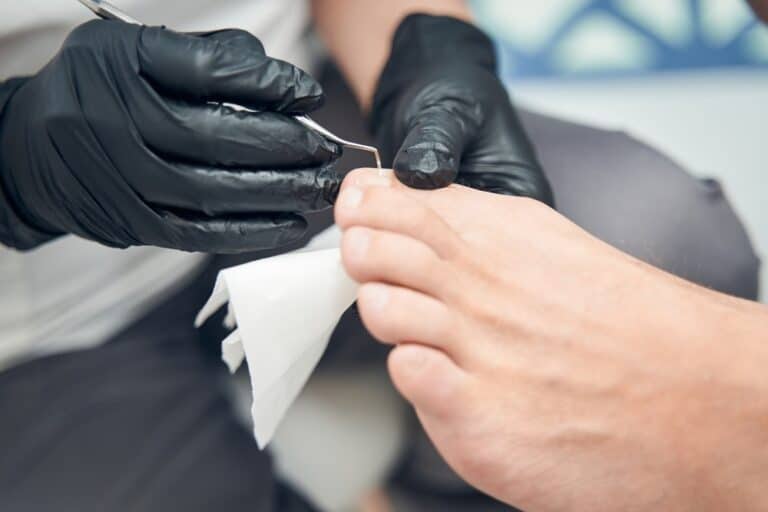
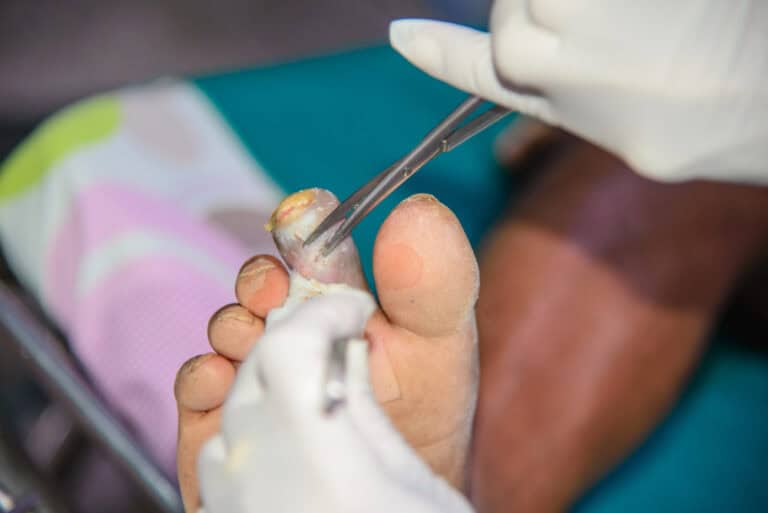
Local wound care handles the surface, involving gentle cleansing, debridement to remove dead tissue, and moisture-balanced dressings appropriate to the wound stage. Supportive therapy for venous ulcers covers the lifestyle side, including leg elevation, regular walking to activate the calf muscle pump, weight management, and smoking cessation.
But if conservative treatment plateaus despite consistent care, vein procedures or advanced wound therapies may be considered next.
Vega’s Approach to Chronic Wound and Diabetic Wound Care
At Vega Dermatology & Wound Care Unit, our chronic wound program starts with comprehensive assessment. This includes circulation testing, wound staging, and identifying whether venous, arterial, or mixed factors are driving the wound.
For wounds that have plateaued despite standard care, our team may introduce a VEGF and PDGF growth factor strategy as regenerative support for suitable candidates. We use objective wound-area measurement and serial tracking so healing progress is documented. This is designed to complement standard compression and wound care, not replace it, and includes overlap with chronic wound healing protocols used for diabetic and mixed-etiology wounds.
Manage Venous Ulcers for the Long Term
Venous ulcers stem from underlying vein disease, not from a simple slow-healing cut. Most heal well with proper compression, wound care, and lifestyle changes. But since the vein disease usually stays, keeping the ulcers at bay involves proper long-term management and recurrence prevention.
At Vega Dermatology & Wound Care Unit, we combine structured wound assessment with growth factor support for wounds that haven’t responded to standard compression and dressing protocols. We track your progress over time and adjust the plan as your wound and circulation change.

The Vega Derma Medical Team consists of board-certified dermatologists, specialized trichologists, and clinical researchers based in Bangkok, Thailand. Our team specializes in evidence-based regenerative dermatology, complex tissue repair, and advanced hair restoration (including precision FUE and FSE). Every protocol and article we publish is medically reviewed to ensure it meets international clinical standards, providing safe, science-backed guidance for our local and international patients.