
Key Takeaways
- Diabetic wounds heal slowly due to poor circulation, nerve damage, and impaired immune response, making early detection and proper care essential.
- Effective treatment requires more than basic dressings, combining offloading, infection control, debridement, vascular assessment, and advanced wound care technologies.
- Specialized diabetic wound care in Thailand focuses on multidisciplinary, evidence-based management to improve healing, reduce complications, and prevent recurrence.
A small cut on the foot can become a serious health concern for people living with diabetes. Reduced circulation, nerve changes, and weakened immune response slow tissue repair and raise the risk of infection. Care today goes well beyond simple dressings, drawing on structured assessment, offloading, infection control, and advanced wound technologies to support safer healing.
What Is a Diabetic Wound?
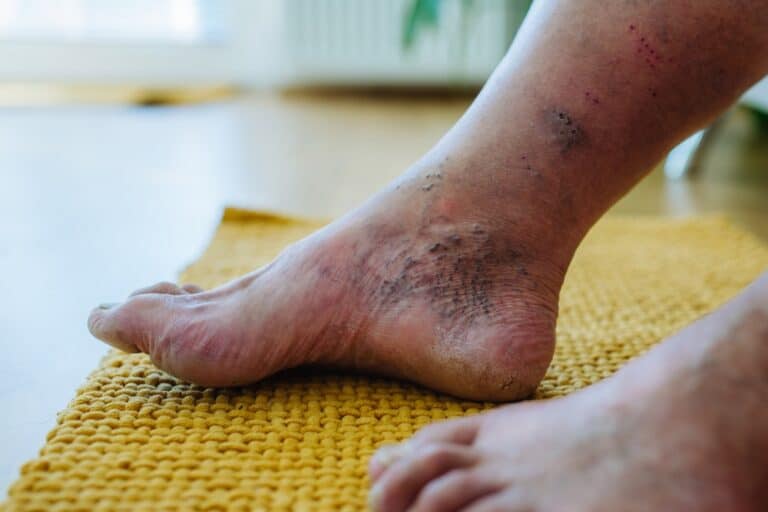
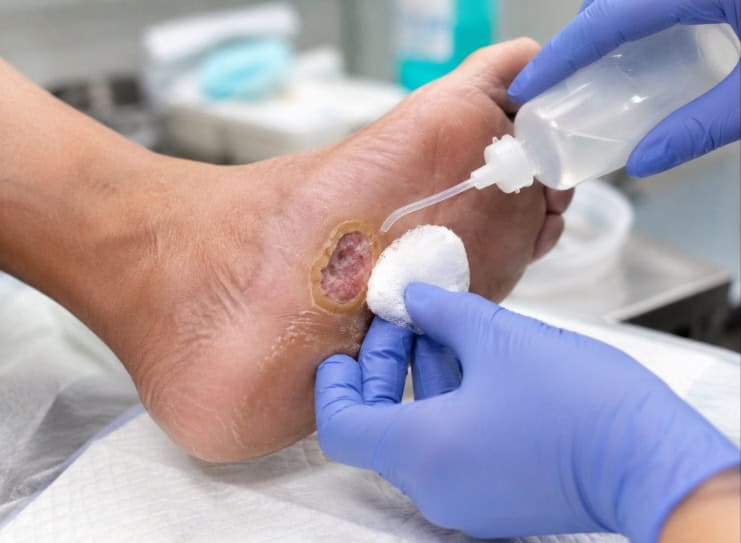
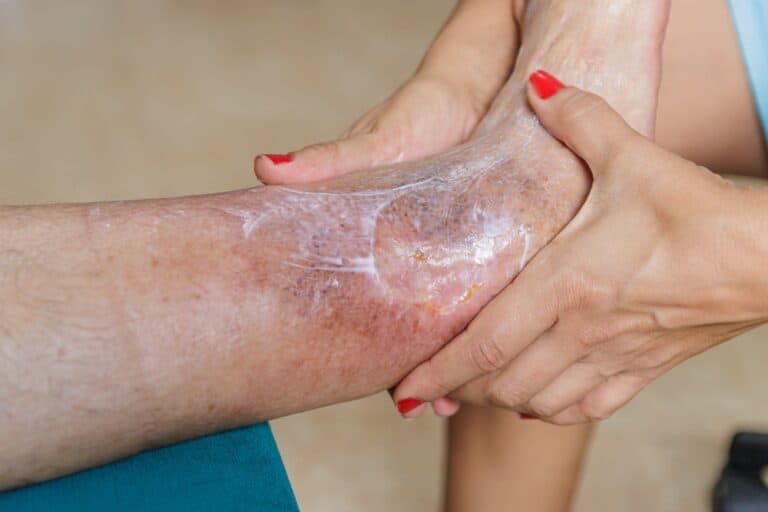
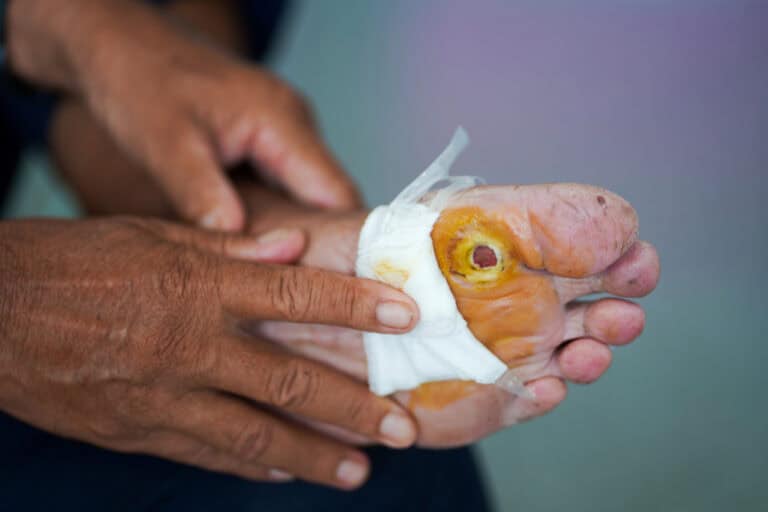
A diabetic wound is any skin injury in a person with diabetes that heals slowly due to high blood sugar, poor circulation, and nerve damage. Diabetic foot ulcers are the most common form, typically appearing on the soles, toes, or heels, where reduced sensation allows small injuries to deepen unnoticed.
Clinical Reality and Risks of Diabetic Foot Wounds
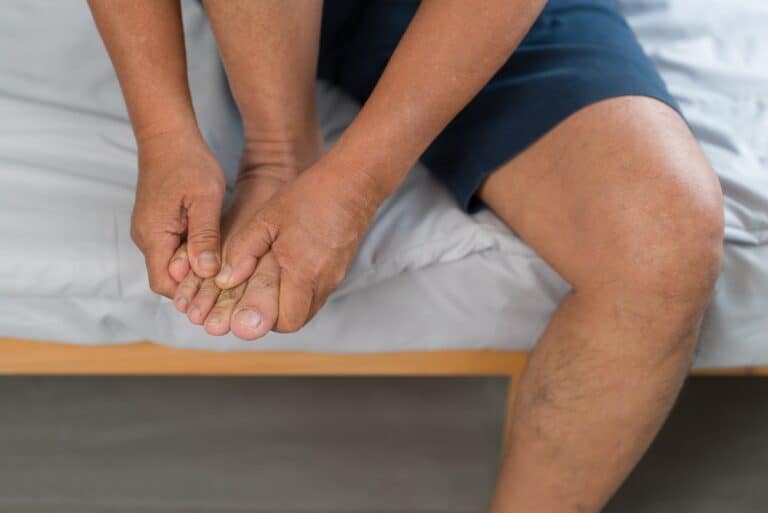
These wounds are not minor skin problems. Peripheral neuropathy can mask pain, while poor blood flow limits oxygen and immune support, allowing infection and tissue damage to progress quickly.
Signs a Diabetic Foot Wound Is High Risk
- Spreading redness, warmth, or swelling
- Foul odor or pus
- Black or dead-looking tissue
- Deep wounds exposing tendon or bone
- Fever or increasing pain
Seek urgent care at a specialized wound or foot clinic if any of these signs appear.
How to Take Care of a Diabetic Wound at Home
Immediate steps when you notice a wound:
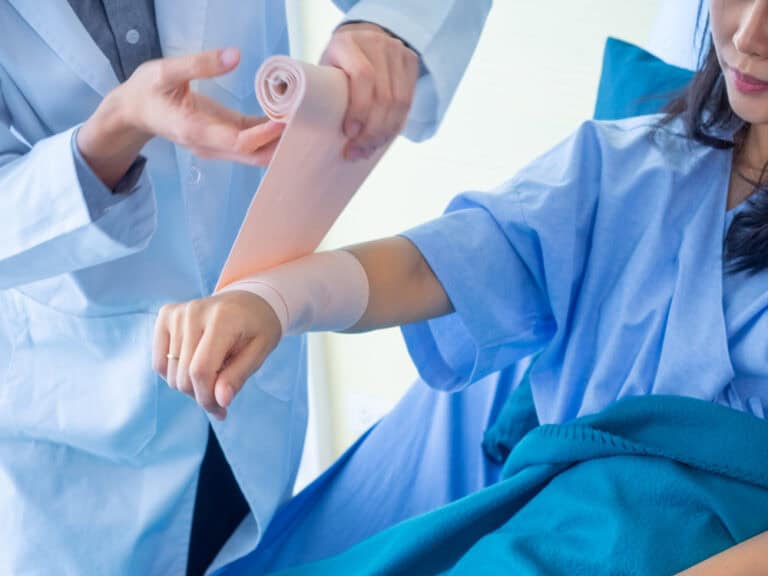
- Rinse gently with clean water and mild soap; do not scrub.
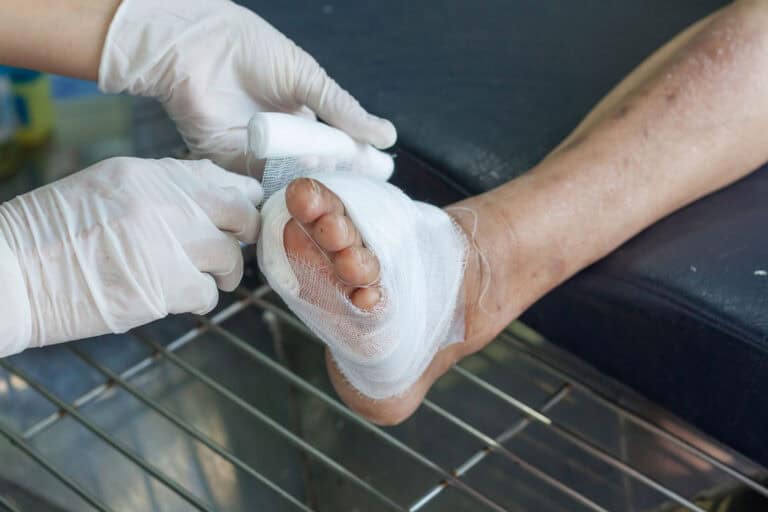
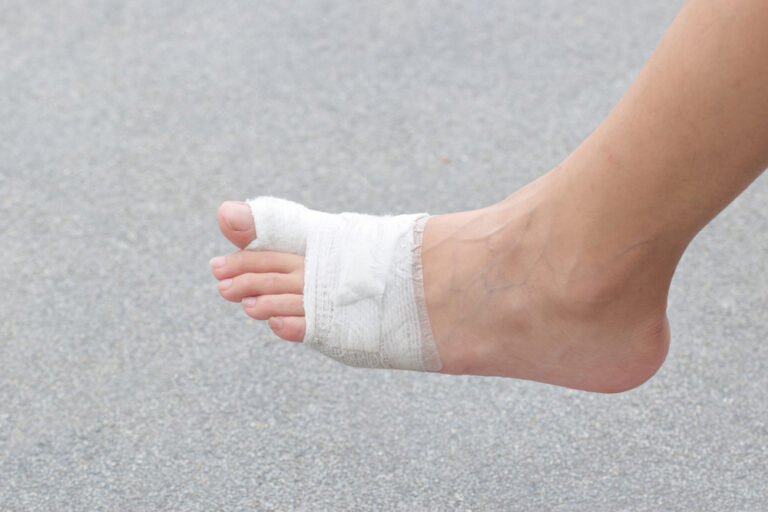
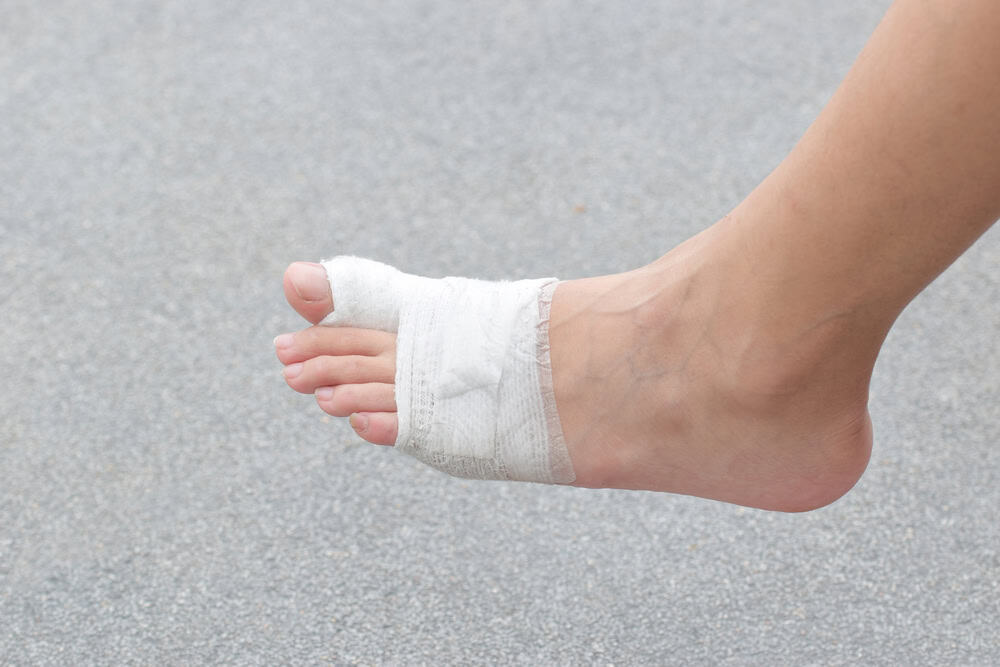
- Pat dry, apply a doctor-approved antiseptic, and cover with a sterile dressing.
- Avoid harsh chemicals, topical acids, or unverified home remedies.
Daily care routine:
- Change the dressing as directed, usually once a day or when soiled.
- Keep the area clean and dry.
- Avoid walking barefoot; use protective footwear or offloading devices if advised.
When to see a doctor in Thailand: seek professional care if the wound is deep, fails to improve within a few days, or shows pus, fever, or rising pain.
Why Specialized Diabetic Wound Care is Necessary
The progression of a diabetic wound is not simply a matter of damaged skin. It reflects an impaired healing environment shaped by poor blood flow, repeated pressure, bacterial burden, inflammation, and metabolic imbalance. In many cases, healing is delayed because the body cannot effectively deliver oxygen, immune cells, and repair signals to the wound bed. This is why diabetic wound care in Thailand requires more than routine cleaning or standard dressings.
Specialized care focuses on identifying and correcting the factors that prevent healing. This may include pressure offloading, blood sugar optimization, vascular assessment, infection control, debridement of non-viable tissue, and the use of advanced dressings designed to maintain the right moisture balance. Through this structured approach, diabetic wound care in Thailand helps protect the tissue, reduce complications, and rebuild the conditions needed for more complete healing.
Evidence-Based Diabetic Foot Wound Care Guidelines
Thai and international diabetic foot wound care guidelines share common principles for prevention and treatment:
- Daily foot inspection at home and annual professional foot exam
- Routine screening for neuropathy and peripheral arterial disease
- Early referral when pulses are weak or sensation is reduced
- Wound bed preparation with debridement and moisture balance
- Offloading, infection control, and steady blood sugar management
The Limits of Conventional Wound Protocols
Basic gauze, generic antibiotics, and delayed referral often fall short for complex wounds. Without offloading, vascular review, and structured infection control, recurrence and deeper tissue damage remain likely.
Preventing Diabetic Foot Wounds: Daily Foot Care Checklist
Do:
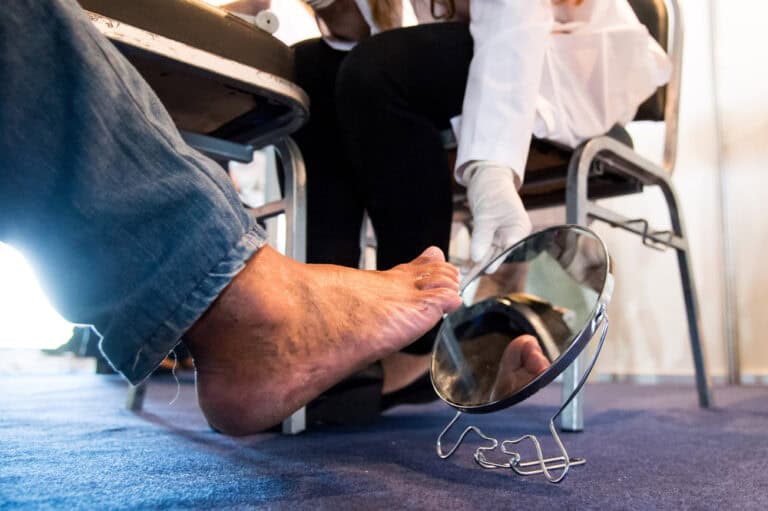
- Inspect feet daily, using a mirror for hard-to-see areas
- Wash and dry carefully, moisturizing dry skin but not between toes
- Wear clean socks and well-fitted protective shoes
Don’t:
- Soak feet in hot water or use heating pads
- Walk barefoot, indoors or outdoors
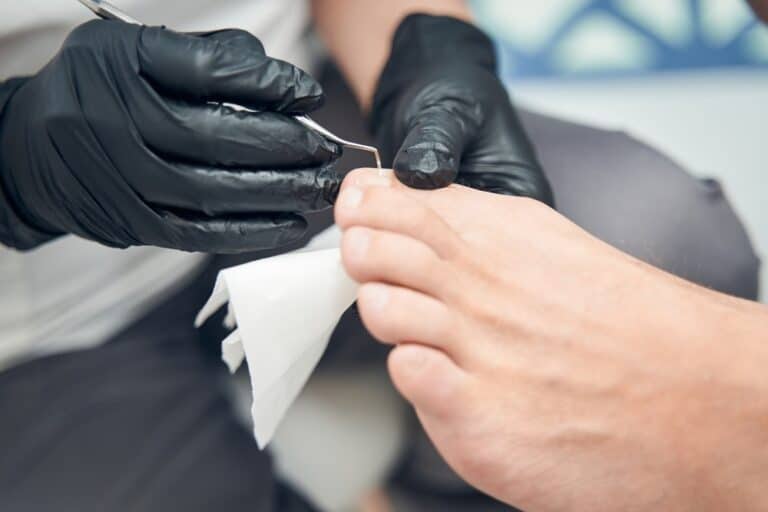
- Cut corns or calluses with blades or chemical removers
The Therapeutic Advantage of Modern Diabetic Wound Care
Modern protocols combine debridement, moisture-balanced advanced dressings, pressure offloading, vascular and infection management, and multidisciplinary monitoring to restore the healing environment.
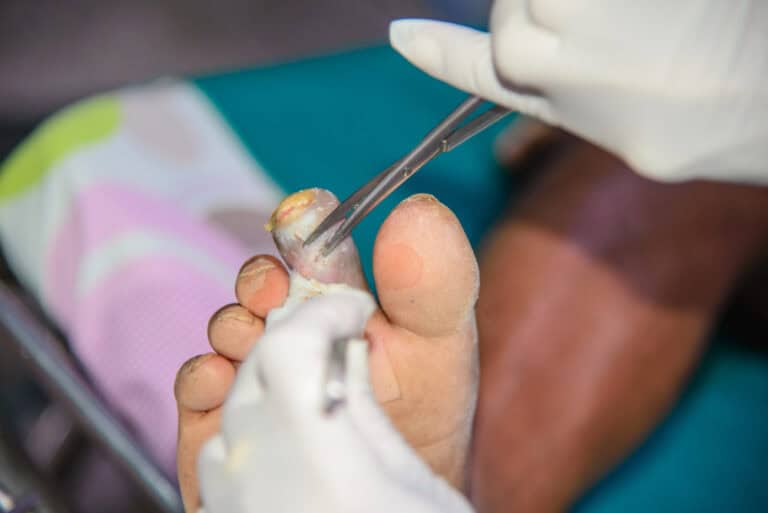
- Debridement and Wound Bed Preparation: Removing dead or infected tissue helps reduce bacterial burden and allows healthier tissue to recover.
- Moisture-Balanced Advanced Dressings: Modern wound materials are selected based on the wound’s condition to help manage fluid, protect the area, and support tissue repair.
- Pressure Offloading: Specialized footwear, padding, or offloading devices reduce repetitive stress on vulnerable areas, especially the soles of the feet.
- Vascular and Infection Management: Assessing circulation and controlling local or deep infection are essential parts of diabetic wound care in Thailand.
- Multidisciplinary Monitoring: Coordinated care involving clinicians, diabetic wound care specialists, and diabetes management teams helps improve healing outcomes and reduce complications.
Together, these measures provide a more complete therapeutic framework for patients with chronic or high-risk wounds.
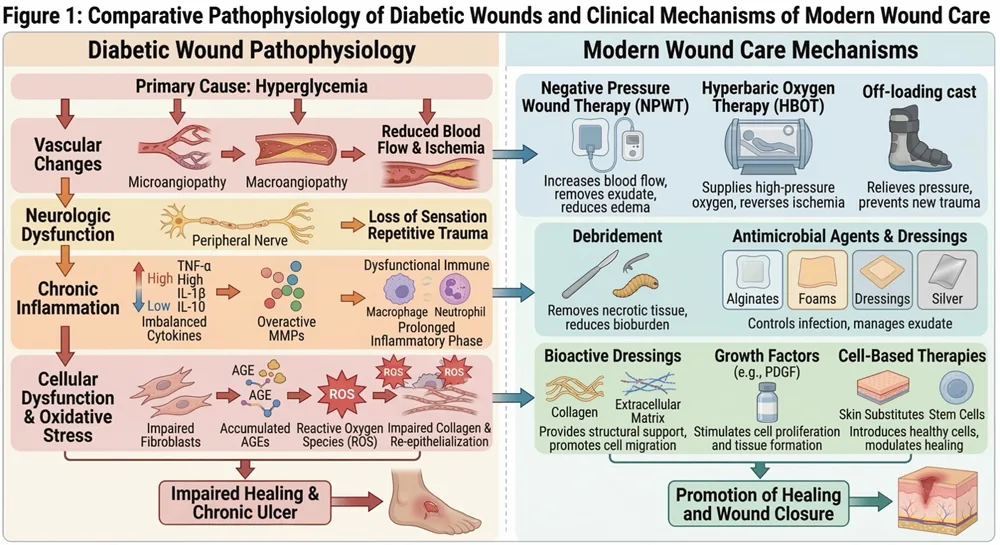
Advanced Diabetic Wound Technologies Available in Thailand
Thailand is increasingly recognized for its growing capabilities in diabetic wound care through the integration of modern wound management, clinical expertise, and patient-centered treatment planning. This progress is supported by improved wound assessment systems, advanced dressings, infection surveillance, vascular evaluation, and a stronger emphasis on multidisciplinary care. In leading settings, diabetic wound care in Thailand involves not only local wound treatment but also a broader review of circulation, glucose control, gait mechanics, pressure distribution, and long-term prevention.
To improve outcomes, Thai specialists are placing greater attention on individualized care pathways. Rather than applying a one-size-fits-all method, diabetic wound care in Thailand is evolving toward precision-based wound management, where treatment is selected according to wound depth, infection status, tissue quality, circulation, and patient risk factors. This shift helps improve healing potential while also reducing avoidable complications, hospital admissions, and recurrence.
Why Choose Specialized Diabetic Wound Care in Thailand
Vega Derma wound centers offer access to advanced dressings, structured offloading, and physician-led assessment. Clinics that follow established guidelines provide not only wound closure but long-term prevention planning, helping reduce recurrence and protect mobility.
Summary
Diabetic wound care has evolved into a structured, multidisciplinary process built on early detection, specialist assessment, and evidence-based protocols. Patients benefit most when home care, professional evaluation, and advanced treatment from diabetic wound care specialists work together to support healing and reduce future risk.
Frequently Asked Questions About How to Take Care of a Diabetic Wound
Q: How long does a diabetic foot wound usually take to heal?
A: Healing time depends on wound size, depth, circulation, blood sugar control, infection, and offloading adherence. Superficial ulcers may close in 4 to 6 weeks with optimal care, while deeper, infected, or ischemic wounds often take several months. International guidelines suggest that if a non-infected ulcer has not improved after 4 to 6 weeks of standard treatment, adjunctive therapies and specialist review should be considered.
Q: Can I treat a diabetic wound at home without seeing a doctor?
A: Basic cleaning and dressing can be done at home, but every diabetic foot wound should be assessed by a healthcare professional. A clinician can check circulation, sensation, infection status, and pressure points that are difficult to evaluate alone. Early professional review helps prevent complications such as deep infection or tissue loss.
Q: What type of shoes are best if I have a diabetic foot wound?
A: Patients are usually advised to wear closed, soft, well-fitting shoes or prescribed offloading footwear that reduces pressure on the wound. For plantar (sole) ulcers, guidelines often recommend a non-removable knee-high offloading device, such as a total contact cast, while healing. Walking barefoot, even indoors, should be avoided.
Q: Is hyperbaric oxygen therapy needed for every diabetic wound?
A: No. Hyperbaric oxygen therapy is generally reserved for selected chronic or ischemic diabetic foot ulcers that have not responded to standard care, and only after careful assessment of circulation, infection, and overall response to treatment. It is an adjunct to, not a replacement for, debridement, offloading, and infection control.
Q: When should I go to a specialized diabetic wound center instead of a general clinic?
A: Consider a specialist center if the wound is deep, infected, exposing tendon or bone, not improving after several days, or if you have poor circulation, neuropathy, or a history of previous ulcers or amputation. Specialized centers offer multidisciplinary input, advanced dressings, vascular review, and structured offloading.
Q: How can I lower my risk of amputation from a diabetic foot ulcer?
A: Steady blood sugar control, daily foot checks, protective footwear, prompt treatment of any cut or blister, consistent offloading, and adherence to guideline-based specialist care significantly reduce the risk of major amputation. Early referral when a wound is not improving is one of the most important protective steps.

The Vega Derma Medical Team consists of board-certified dermatologists, specialized trichologists, and clinical researchers based in Bangkok, Thailand. Our team specializes in evidence-based regenerative dermatology, complex tissue repair, and advanced hair restoration (including precision FUE and FSE). Every protocol and article we publish is medically reviewed to ensure it meets international clinical standards, providing safe, science-backed guidance for our local and international patients.