
Introduction
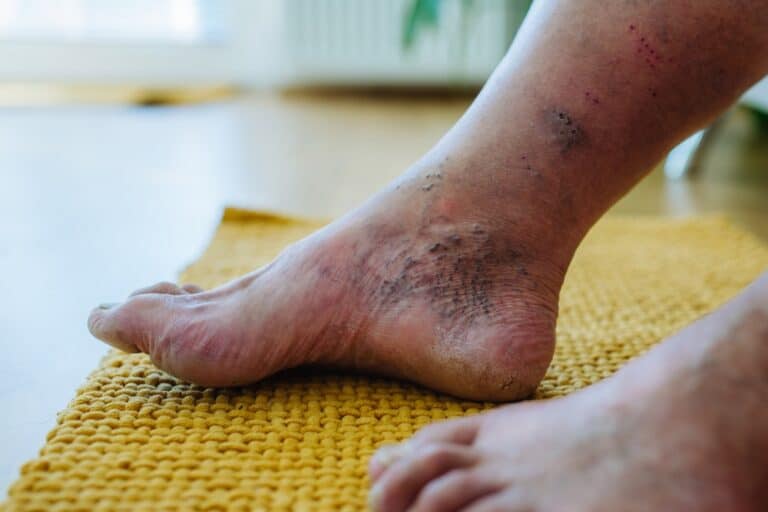
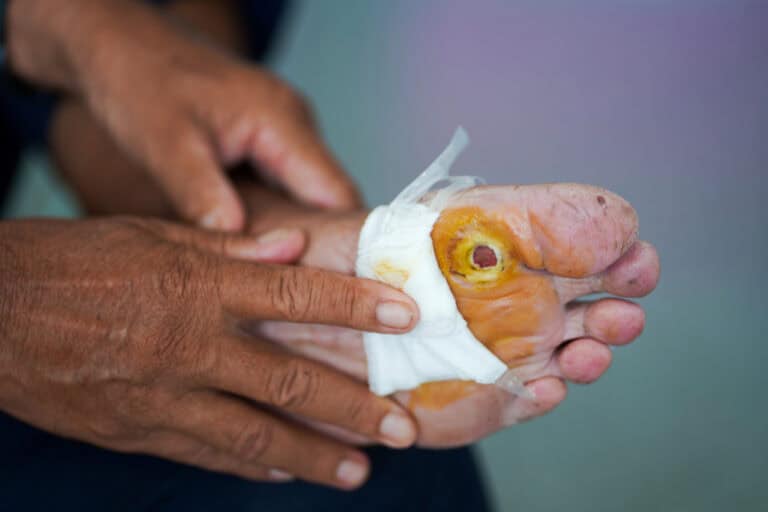
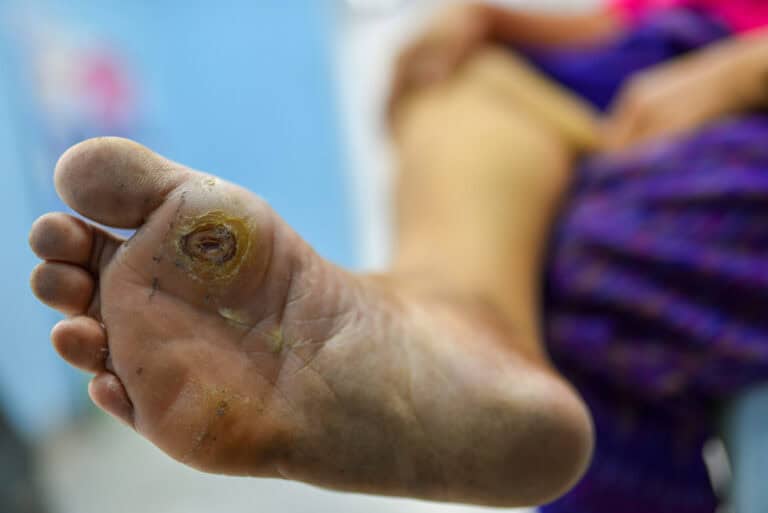
A diabetic foot ulcer rarely stays “small” for long. What starts as a minor break in the skin can, within weeks, turn into something a lot more serious especially if it’s treated like an ordinary cut instead of what it actually is. Most people have heard the usual advice about warning signs and how ulcers get staged by severity. What gets talked about far less is what actually happens once someone walks into a clinic for real treatment.
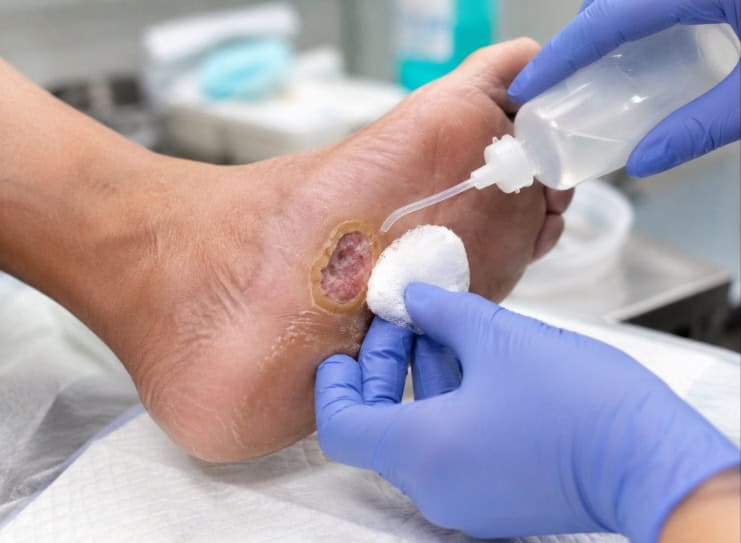
Diabetic foot ulcers treatment at a clinical level has moved well past basic dressing changes. This piece walks through the actual technology behind modern care from removing dead tissue to the dressings themselves to how pressure gets taken off the wound while it heals. All of it sits at the core of proper wound care for diabetic foot ulcers, and understanding it makes a real difference in how patients and families set expectations.
1. Why These Wounds Need More Than Standard First Aid
Diabetic patients are usually dealing with two problems stacked on top of each other: nerve damage (neuropathy) and poor circulation. Together, those two things mean wounds heal slower than they would in anyone else and infection can take hold without the patient feeling a thing.
- Elevated blood sugar interferes directly with the body’s natural tissue repair process
- Reduced blood flow starves the wound of the oxygen and nutrients it needs to close
- A weakened immune response makes bacterial infection a much bigger risk than it would be otherwise
- Repeated pressure from walking keeps reopening the wound even when the dressing itself is doing its job
Given all that, home care with basic bandages usually isn’t enough. Getting this right takes an effective, structured approach to diabetic foot ulcer care, delivered by a team that actually specializes in it not a one-off visit or a generic wound kit.
2. Debridement: The Procedure Nearly Every Treatment Plan Starts With
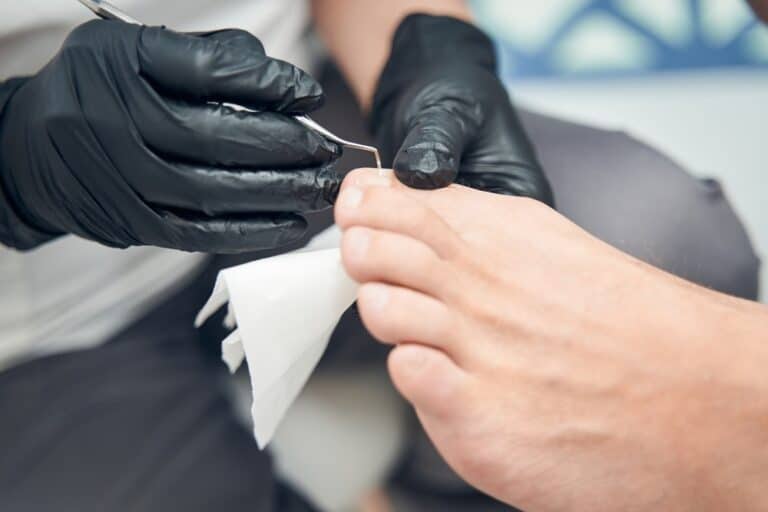
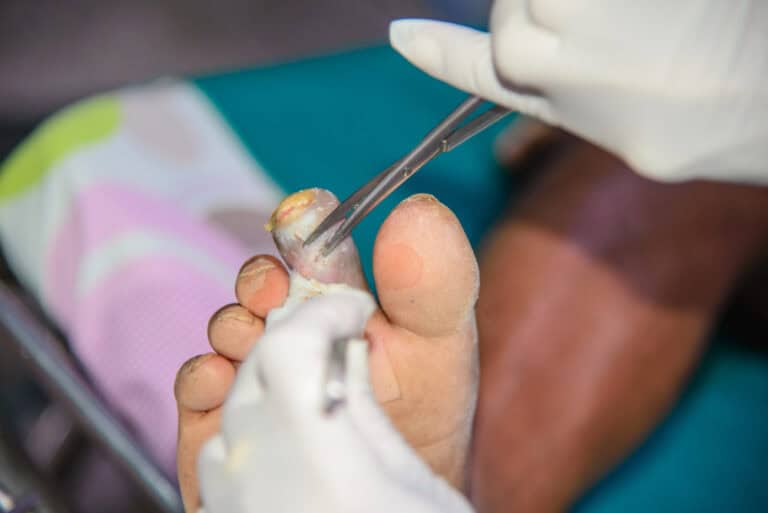
Debridement is the process of removing dead or infected tissue from a wound so healthy new tissue actually has room to grow. It sounds almost too basic to matter, but it’s one of the most important steps in the entire diabetic foot ulcer treatment process skip it, and everything after it works less well.
- Sharp debridement a physician uses surgical tools to remove dead tissue directly. Fast, precise, and typically used when there’s a lot of dead tissue or a high infection risk.
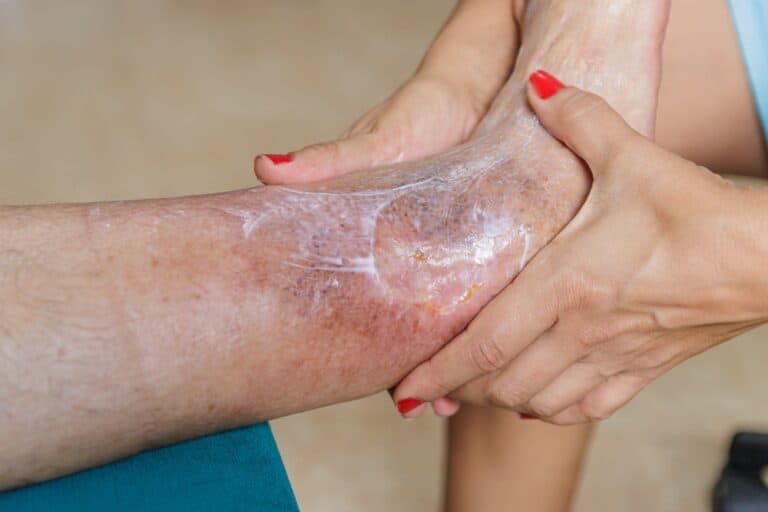
- Enzymatic debridement a specialized enzyme gel or cream slowly breaks down dead tissue. Gentler, and often used for patients who are more sensitive to pain.
- Autolytic debridement relies on the body’s own moisture, combined with the right dressing, to dissolve dead tissue gradually over time.
- Biological debridement (maggot therapy) sounds unusual, but medical-grade larvae are a clinically recognized way to remove dead tissue with real precision, without touching healthy tissue around it.
Choosing the right debridement method for a given wound is often what determines whether healing speeds up or stalls out from the very first visit.
3. Specialized Dressings: Well Beyond Gauze
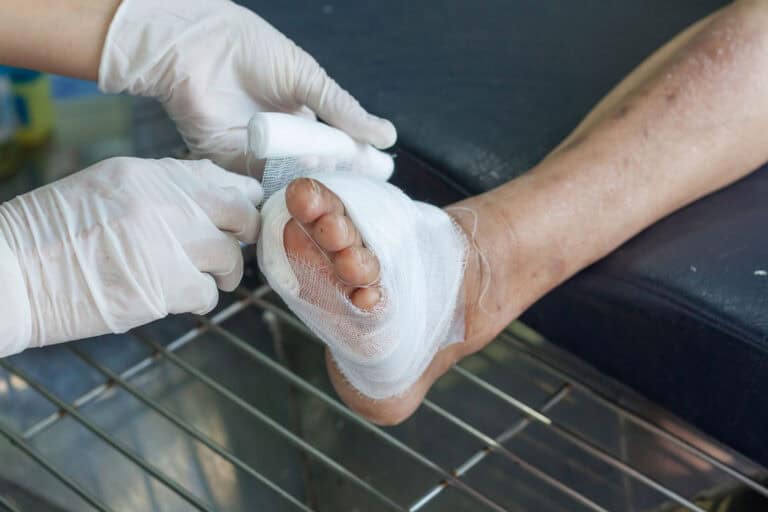
Once debridement is done, picking the right specialized dressing for diabetic wounds becomes the next major factor in how quickly things move forward.
- Hydrogel dressings add moisture to wounds that are too dry, helping encourage new tissue growth
- Foam and alginate dressings absorb excess drainage on wounds that produce a lot of fluid, while still keeping the wound bed appropriately moist
- Negative Pressure Wound Therapy (NPWT) uses continuous suction through a specialized foam covering to pull excess fluid away, boost blood flow to the area, and speed up tissue regeneration often noticeably faster than traditional dressing changes alone
- Bioengineered skin substitutes, grown from cultured cells, get used on deep or chronic wounds that haven’t responded to standard treatment, giving stalled healing a fresh push
None of these are just about “covering” the wound. Each one is doing something specific to create the right environment for that particular stage of healing.
4. Off-Loading: The Step That’s Easy to Underestimate
One of the biggest reasons diabetic foot ulcers refuse to heal is simple: patients keep walking on them. Off-loading taking pressure off the wound matters just as much as the wound care itself, arguably more.
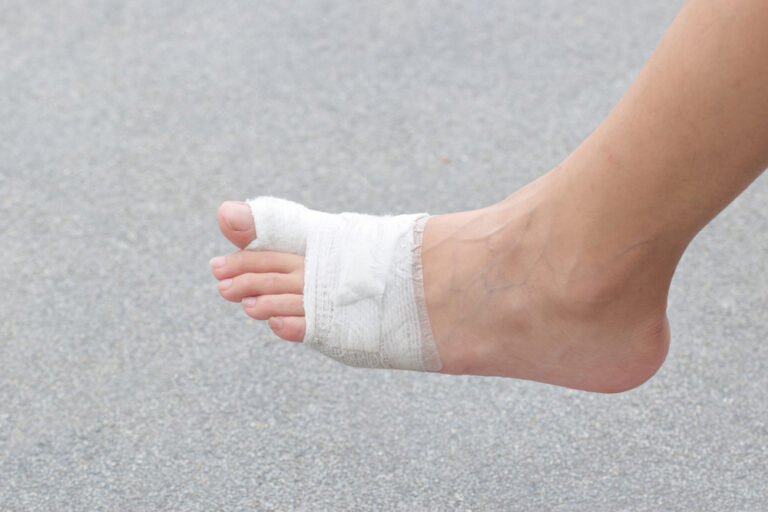
- Total Contact Cast (TCC) is considered the gold standard for off-loading diabetic foot ulcers. It’s a specially molded cast that redistributes pressure away from the wound and across the rest of the foot and leg, letting patients keep walking through daily life without bearing weight directly on the ulcer.
- Removable cast walkers are a more practical option for patients who need frequent access for dressing changes. They’re slightly less effective than a TCC, mostly because patients can take them off, but they still cut pressure significantly compared to no device at all.
- Diabetic footwear and custom insoles play a longer-term role, helping prevent a new ulcer from forming in the same spot once the original one has healed.
For wounds that are more stubborn, doctors sometimes bring in additional support like Hyperbaric Oxygen Therapy breathing pure oxygen in a pressurized chamber to boost blood oxygen levels and encourage new blood vessel growth or growth factor therapy, which delivers cell-signaling proteins directly to the wound to restart a healing process that’s stalled out.
Why Combining Techniques Usually Beats Relying on One
In practice, specialists rarely lean on a single method. A well-run diabetic foot ulcer treatment plan typically layers several techniques together, something like:
- Sharp debridement first, to clear out dead tissue
- NPWT next, to accelerate new tissue growth
- Total Contact Cast running alongside it, to keep pressure off the wound throughout
- Ongoing follow-up and custom footwear afterward, to prevent the ulcer from coming back
This layered approach is what actually moves the needle on healing rates considerably more than basic dressing changes on their own ever could.
When It’s Time for a Specialist Team
Wounds that aren’t improving with home care, show signs of infection, or keep getting deeper need a proper clinical evaluation and sooner rather than later. Good outcomes here rarely come down to technology alone. It takes a team: wound care specialists, vascular surgeons, and physical therapists all working from the same plan.
At Vega Derma, the wound care team evaluates every case individually severity, circulation, tissue quality before deciding whether debridement, advanced dressings, or off-loading techniques (or some combination of all three) are the right fit. That’s what genuinely safe, effective wound care for diabetic foot ulcers looks like in practice, not a one-size-fits-all protocol handed to every patient regardless of their situation.
To learn more about a complete diabetic foot ulcers treatment approach, you can read our in-depth guide to wound care for diabetic foot ulcers.
Frequently Asked Questions
How long does it usually take for a diabetic foot ulcer to heal?
It really depends on the severity of the wound and the patient’s overall health. Early-stage ulcers can close in four to six weeks with the right care. Deeper or chronic wounds often take several months and usually need a combination of the advanced techniques covered above.
Does debridement need to happen at every visit?
Not necessarily. A clinician checks the wound each visit and decides whether additional debridement is needed, based on how much new dead tissue has built up since the last one.
Can the ulcer come back after it's healed?
Yes, if there’s no ongoing prevention plan in place. That’s exactly why custom footwear and regular foot checks matter just as much after healing as they did during treatment the risk doesn’t disappear just because the wound has closed.
The Bottom Line
Diabetic foot ulcer care has come a long way from basic cleaning and bandaging. Techniques like multi-method debridement, advanced dressings such as NPWT and bioengineered skin substitutes, and off-loading tools like the Total Contact Cast are what actually turn chronic, stalled wounds into ones that genuinely heal.
Consulting a specialized wound care team at a clinic like Vega Derma for a thorough assessment and a treatment plan built around the specific wound in front of them is the real first step toward lowering the risk of serious complications and giving that wound the best shot at closing completely.

The Vega Derma Medical Team consists of board-certified dermatologists, specialized trichologists, and clinical researchers based in Bangkok, Thailand. Our team specializes in evidence-based regenerative dermatology, complex tissue repair, and advanced hair restoration (including precision FUE and FSE). Every protocol and article we publish is medically reviewed to ensure it meets international clinical standards, providing safe, science-backed guidance for our local and international patients.