
Bangkok has become one of the world’s busiest hubs for stem cell and regenerative medicine, drawing patients from the Middle East, Europe, Australia, and North America for everything from joint injections to skin and hair regeneration. Thailand’s medical tourism market is projected to grow by more than 10% in 2026, and regenerative therapies are one of the fastest-growing segments of that market.
That growth has also created a crowded, confusing landscape. Search “stem cell therapy in Bangkok” and you’ll find clinics promising results for dozens of unrelated conditions, packages priced across an enormous range, and marketing language that rarely explains what’s still experimental and what a given treatment can realistically do.
This guide breaks down what stem cell therapy is, what it’s genuinely used for, what it costs, and what to check before you book, including where clinics differ in how conservatively (or aggressively) they market results.
What Is Stem Cell Therapy?
Stem cells are undifferentiated cells capable of developing into more specialized cell types and, in some cases, supporting the repair of damaged tissue. Most clinics in Bangkok work with mesenchymal stem cells (MSCs), typically sourced from donated umbilical cord tissue (UC-MSCs) rather than embryonic tissue, which sidesteps the ethical concerns associated with embryonic stem cell research.
A few distinctions matter when you’re evaluating a provider:
- Autologous vs. allogeneic: Autologous therapy uses a patient’s own cells; allogeneic therapy uses donor-derived cells (most UC-MSC treatment in Bangkok is allogeneic).
- Whole cells vs. cell-derived products: Some protocols administer live MSCs directly. Others use extracellular vesicles (exosomes) or growth-factor media (the signaling molecules cells release) without transplanting live cells.
- Route of delivery: IV infusion (systemic), localized injection (e.g., into a joint or scalp), or topical/dermal application for skin and wound protocols.
According to the Harvard Stem Cell Institute and the Mayo Clinic, the clinical evidence base is strongest for blood and bone marrow stem cell transplants used in cancer and blood disorders, and still developing for most MSC-based cosmetic, orthopedic, and wellness applications. That distinction is worth keeping in mind throughout this guide.
What Is Stem Cell Therapy Used For in Bangkok?
Bangkok clinics broadly fall into two camps, and it’s useful to know which one you’re looking at before you compare providers.
Condition-Specific, Dermatology- and Wound-Led Care
This is regenerative therapy applied within a defined clinical pathway for a specific, diagnosed condition, the approach Vegaderma takes across its service lines in Bangkok:
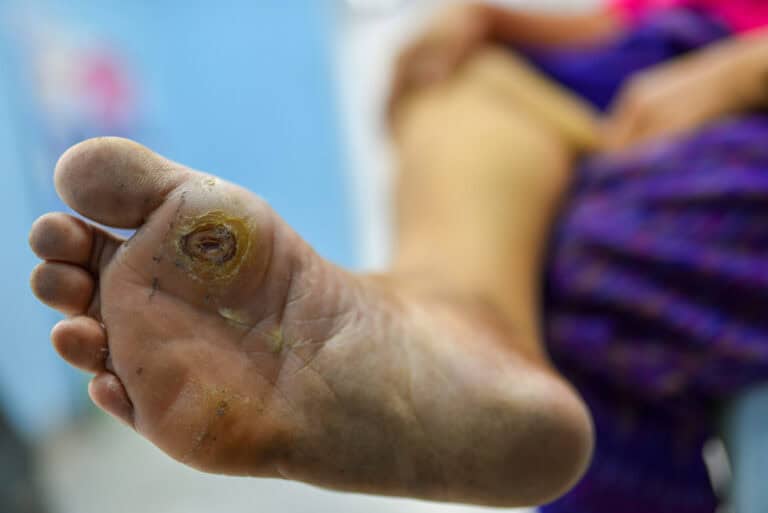
Chronic and Diabetic Wounds
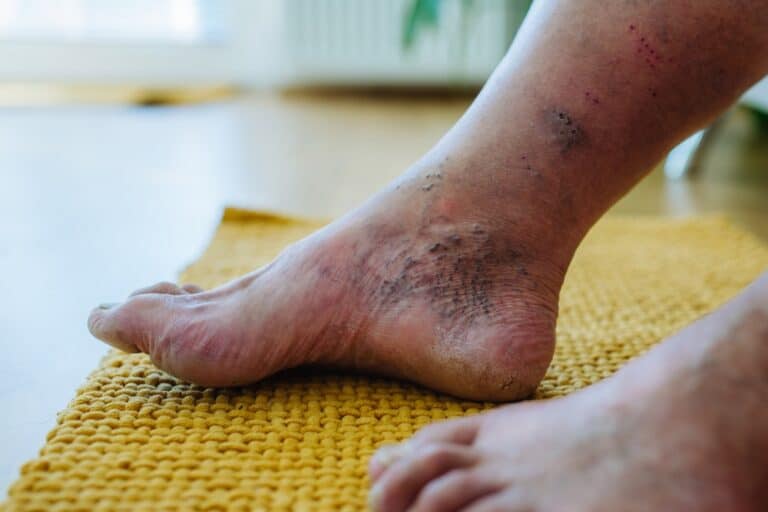
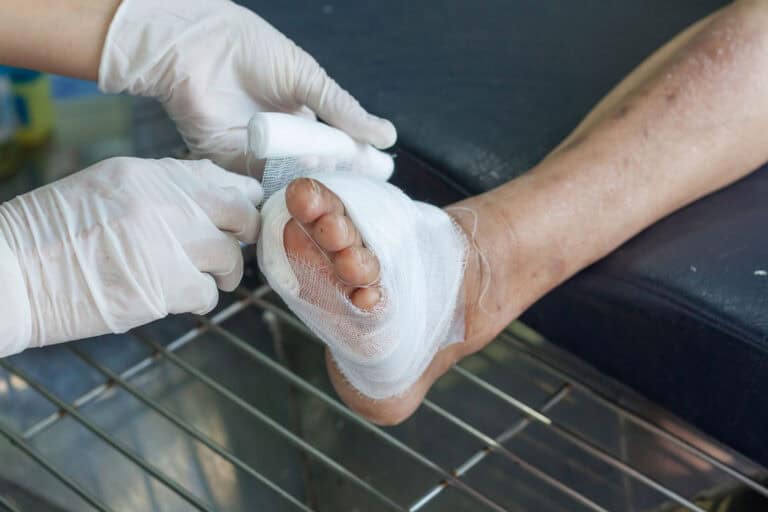
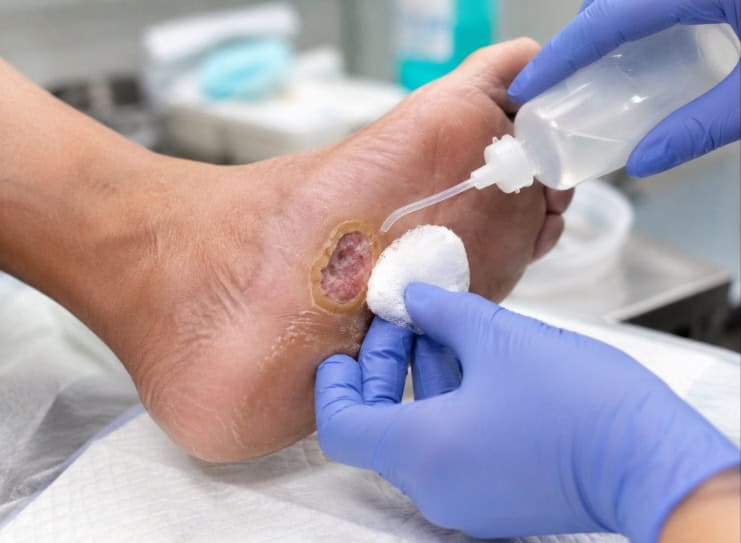
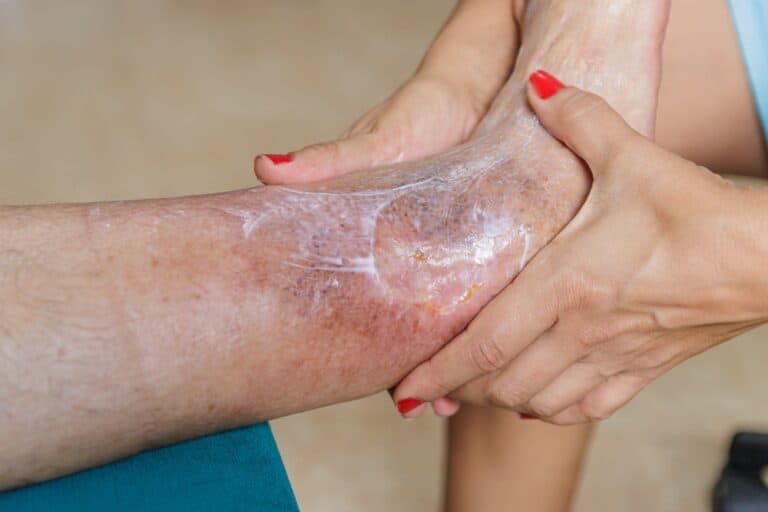
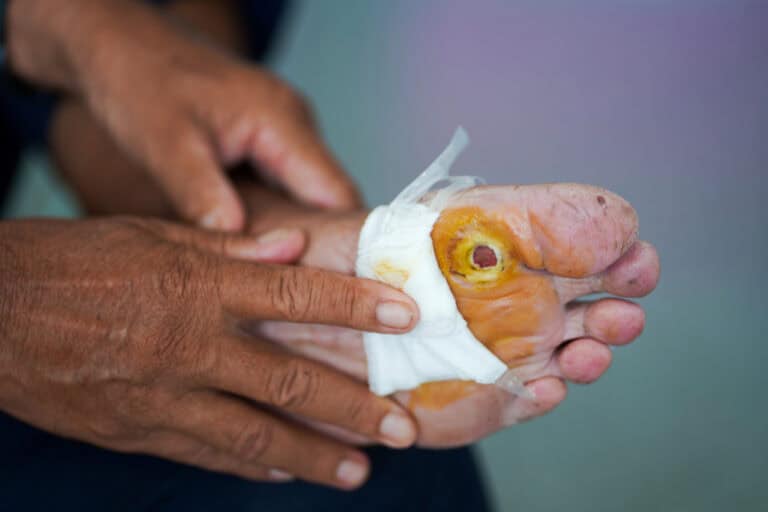
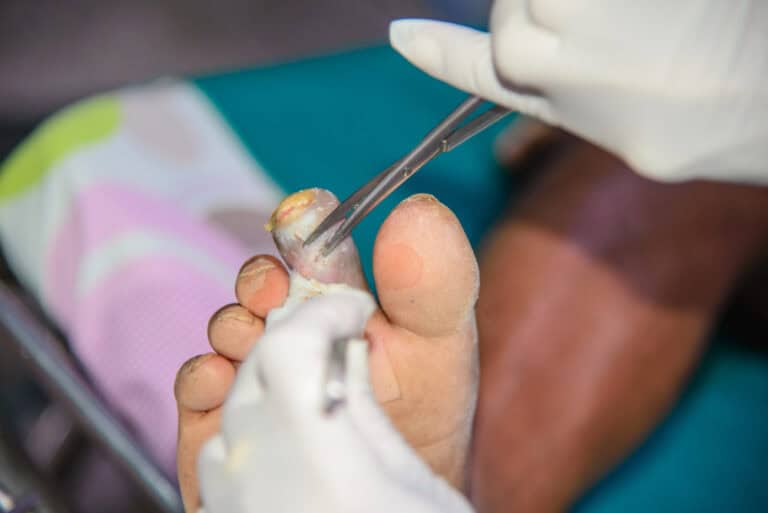
For wounds that have stalled under standard dressings and antibiotics, Vegaderma’s chronic wound and skin repair and diabetic wound care pathways combine clinical assessment, staged wound preparation, and UC-MSC-supported growth-factor protocols to support tissue repair in wounds that have plateaued.
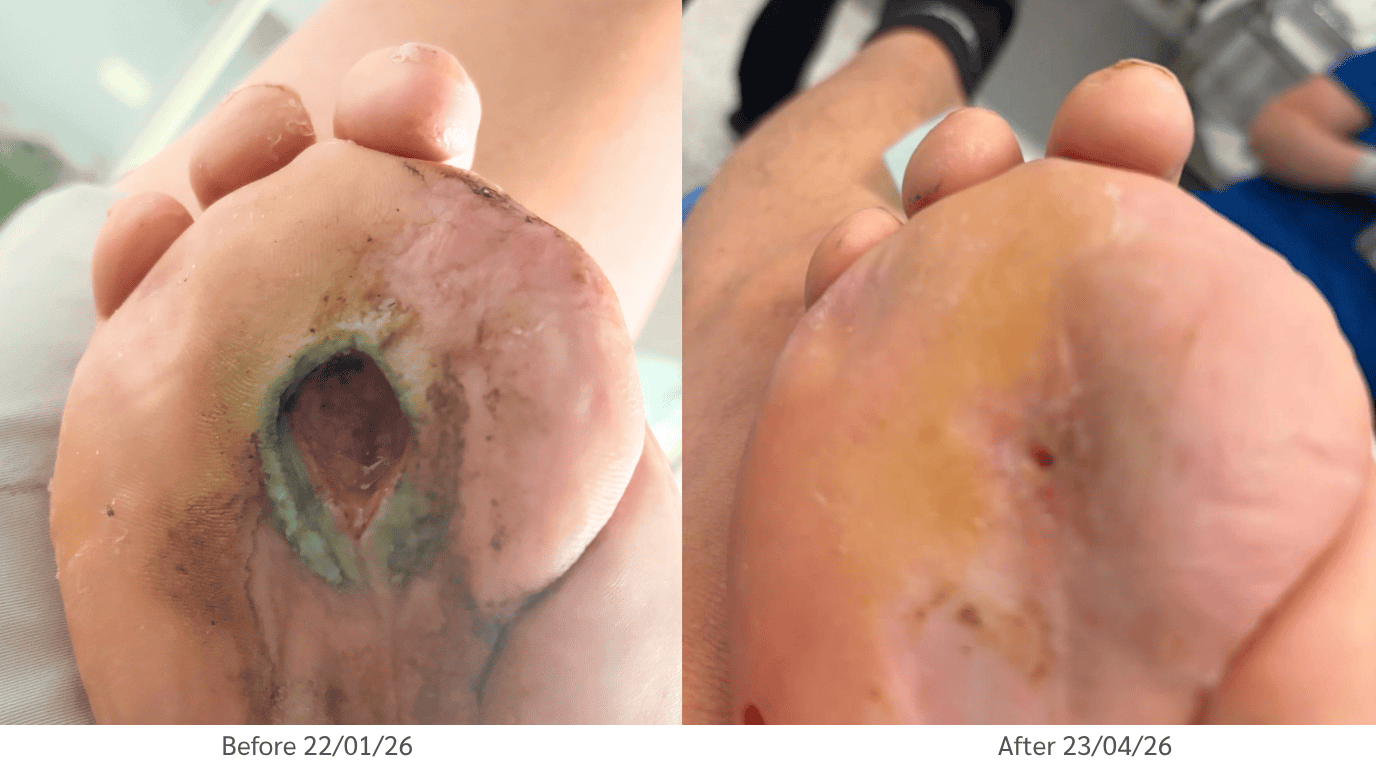
Foot Ulcer Treatment at Vega Derma
Scars, Keloids, and Acne Scarring
Scar and tissue remodeling, including dedicated keloid and acne scar pathways, uses regenerative support alongside silicone protocols and energy-based remodeling to improve tissue quality, flexibility, and comfort in staged treatment plans.
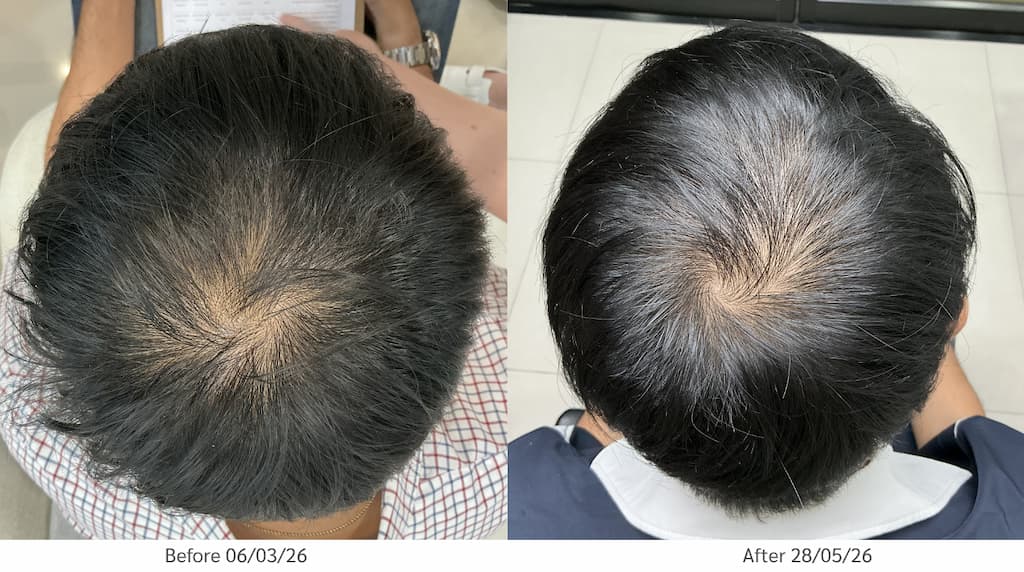
Hair Restoration Treatment at Vega Derma
Hair and Scalp Regeneration
Hair and scalp regeneration uses secretome-based signaling to support the follicular environment, complemented by Follicular Signaling Enhancement (FSE), Vegaderma’s proprietary non-surgical protocol, and, where appropriate, FUE hair transplantation for graft support and long-term follicular durability.
Burn Wound Healing
Two-phase burn wound care supports acute outpatient healing and post-hospital-discharge recovery, coordinating with hospital burn teams on scar prevention and graft protection.
Joint and Cartilage Support
Elsewhere in Bangkok’s market, MSC injections are also used for osteoarthritis and joint or cartilage repair as a non-surgical alternative, a distinct clinical use case from dermatology-led wound and hair care.
Broad Wellness and Anti-Aging IV Programs
The second camp is systemic IV wellness or anti-aging protocols, marketed for benefits like increased energy, immune modulation, cognitive support, or general longevity, sometimes alongside claims of benefit for conditions ranging from autoimmune disorders to neurological disease.
Both categories exist legitimately in Bangkok’s market, but the strength of clinical evidence differs sharply between them. Wound healing and dermal applications of MSC-derived growth factors (Vegaderma’s focus) have a more established research base; broad claims about reversing aging, curing chronic disease, or treating neurological conditions are, per bodies like the NIH and WHO, still largely in early-stage or investigational territory. A responsible clinic will be upfront about which category your treatment falls into.
How Much Does Stem Cell Therapy Cost in Bangkok?
Pricing in Bangkok varies enormously depending on cell source, dose (cell count), delivery method, and the condition being treated.
What to Expect: The Treatment Process
While protocols vary by clinic and condition, most reputable providers follow a similar structure:
- Pre-arrival case review: sharing medical history, photos, or prior treatment records so the clinical team can assess suitability before you travel.
- In-person consultation and assessment: a physician evaluates whether you’re a suitable candidate; not every patient or condition is.
- Treatment: delivered via IV infusion, localized injection, or topical/dermal application, typically taking 30 minutes to a few hours depending on protocol.
- Follow-up and monitoring: objective tracking (photos, measurements, lab work) to assess response over weeks to months, since regenerative effects build gradually rather than appearing instantly.
Most protocols involve minimal downtime, though mild swelling, tenderness, or a short-lived low-grade fever after infusion are commonly reported and generally resolve within days.
How to Choose a Safe, Reputable Stem Cell Clinic in Bangkok
Because the accuracy of marketing claims varies widely, due diligence matters more here than in most medical tourism categories. Before booking, check for:
- Physician-led assessment, not a sales consultation; you should be evaluated for suitability, not simply sold a package.
- Cell sourcing and lab standards: xeno-free (animal-product-free) culture media, documented donor screening, and a Certificate of Analysis (COA) for the specific batch of cells used.
- Realistic, hedged claims: language like “may support” or “is being studied for” is more trustworthy than guarantees of cures, dramatic transformations, or benefit across dozens of unrelated conditions.
- Transparent, itemized pricing with no pressure toward unnecessary add-ons.
- A named, credentialed physician overseeing your specific protocol, not just a clinic brand.
If a website’s claims sound too broad relative to the strength of the evidence, that’s usually the clearest warning sign.
Stem Cell Therapy for Skin, Hair, and Wound Healing: A More Conservative Approach
Not every Bangkok clinic takes the same approach to regenerative medicine. Vega Dermatology & Wound Care, the dermatology and wound-care arm of the Vega regenerative medicine group in Bangkok, applies stem cell and growth-factor therapy within a narrower, dermatology-led scope: chronic and diabetic wounds, scar and keloid management, and hair and scalp regeneration, rather than marketing it as a broad wellness or anti-aging solution.
Every protocol begins with a clinical assessment to confirm suitability, and outcomes are tracked with objective measurements (clinical photography, healing metrics) rather than testimonials alone. The clinical team includes Dr. Ekkaparb Charoensuk (regenerative and preventive medicine), Dr. Aritaj Aiumtrakul (hair restoration), and Dr. Issariya Wongla (surgical wound management), and the clinic works from research conducted at the Vega Derma Clinic.
This more conservative positioning, treating specific, well-defined conditions rather than promising systemic anti-aging or disease-reversal benefits, reflects where the clinical evidence for MSC-based dermatology and wound care is currently strongest, per sources like the NIH and Mayo Clinic cited above.
Risks and Limitations
Reputable clinics report low rates of serious adverse events with properly sourced, lab-tested MSC therapy, and umbilical cord-derived MSCs carry a lower rejection risk than other donor sources because they’re relatively immune-privileged. Still, it’s worth going in with realistic expectations:
- Mild, short-lived side effects (swelling, tenderness, low-grade fever) are common and not usually a concern.
- Serious complications (infection, embolism, allergic reaction) have occurred at poorly controlled or substandard facilities globally, which is why lab certification and physician oversight matter.
- Results are gradual and vary by individual; no legitimate clinic can guarantee outcomes.
- For many conditions outside wound care, orthopedics, and dermatology, evidence remains investigational rather than conclusive, a genuine trial or emerging protocol, not an established cure.

The Vega Derma Medical Team consists of board-certified dermatologists, specialized trichologists, and clinical researchers based in Bangkok, Thailand. Our team specializes in evidence-based regenerative dermatology, complex tissue repair, and advanced hair restoration (including precision FUE and FSE). Every protocol and article we publish is medically reviewed to ensure it meets international clinical standards, providing safe, science-backed guidance for our local and international patients.