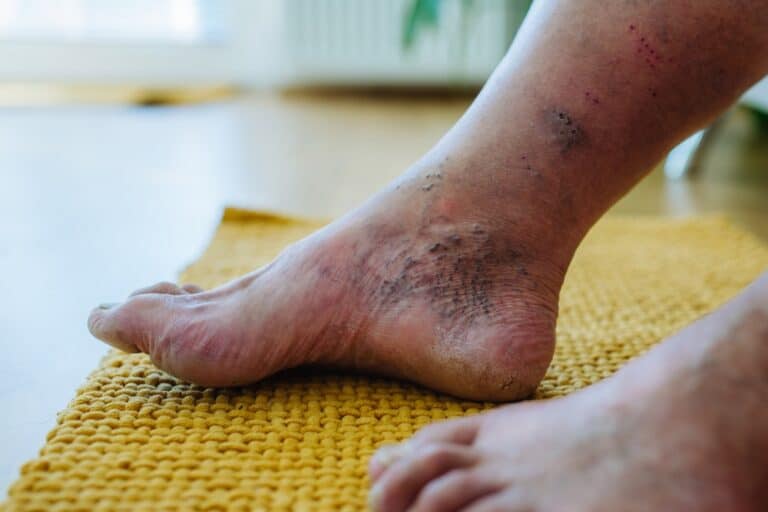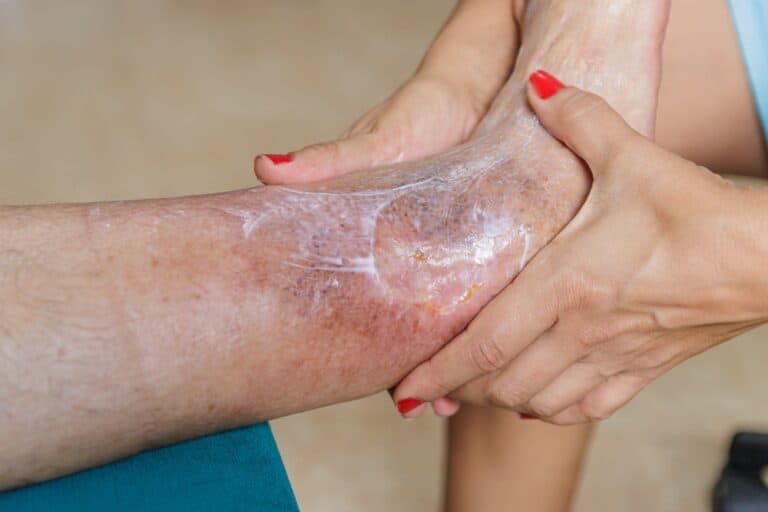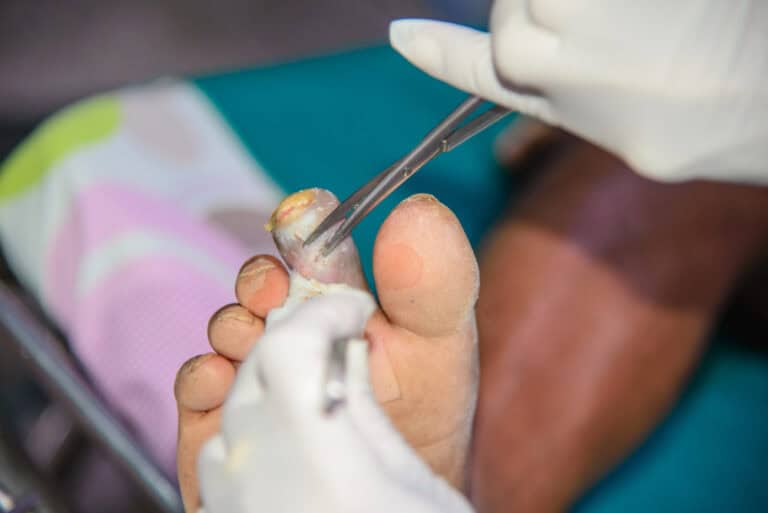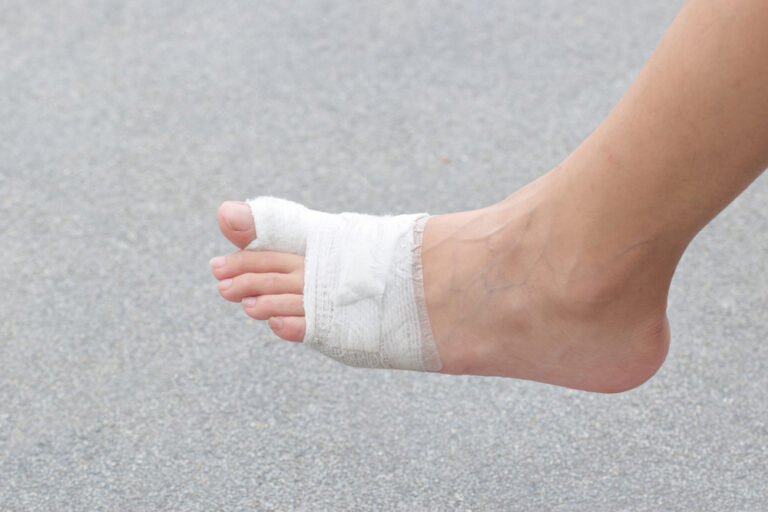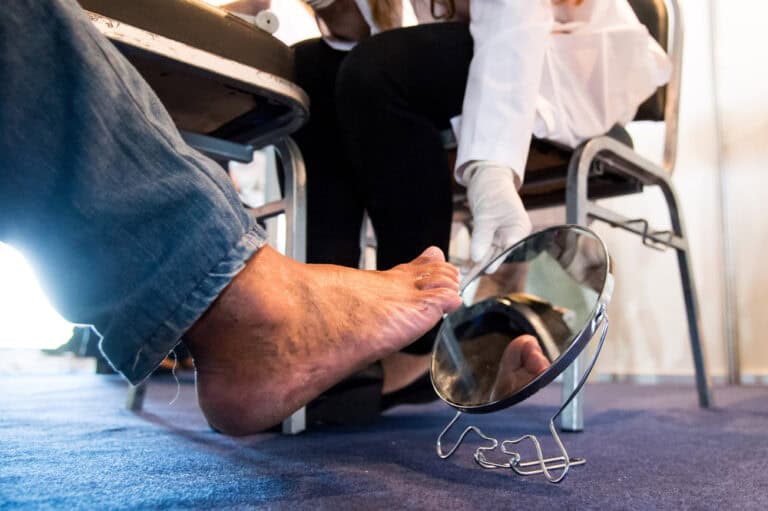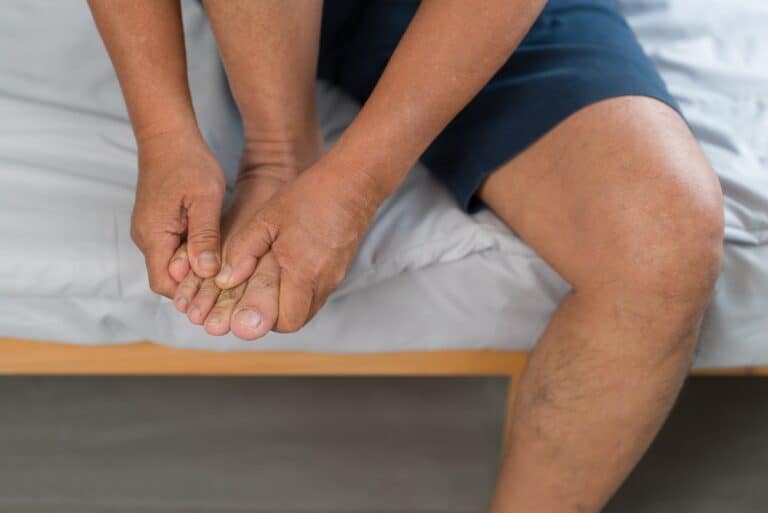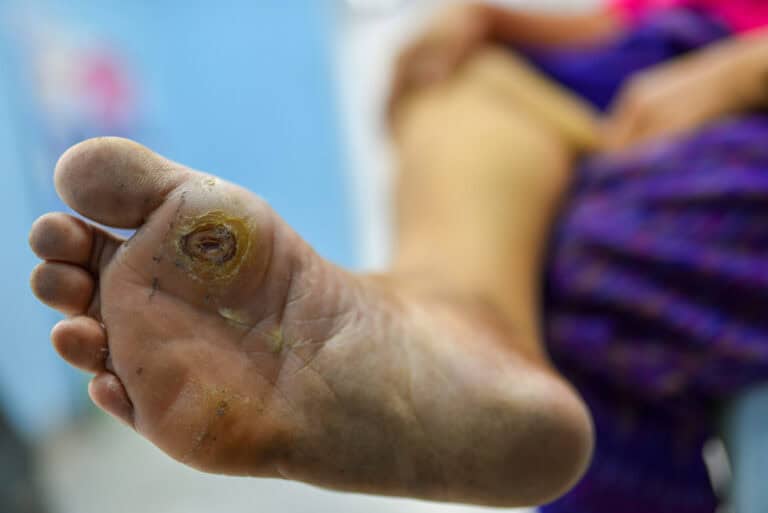

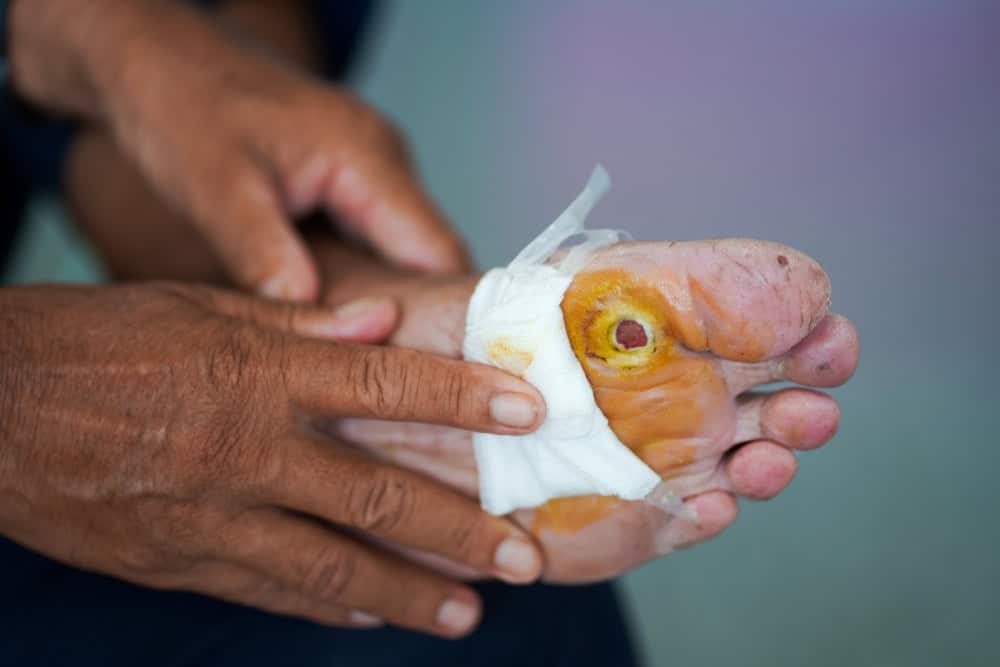
A small cut, blister, or crack on the heel may seem harmless at first. For most people, these minor wounds close within days through the body’s natural repair process. For patients with diabetes, even a superficial injury can remain open, inflamed, and slow to improve over weeks. Chronic high blood sugar affects blood vessels, peripheral nerves, the immune response, and skin integrity, all of which contribute to delayed wound healing. Understanding these factors helps patients recognize when home care alone is not enough and when clinical assessment may be needed.
How the Normal Wound Healing Process Works
Under normal conditions, wound healing moves through a series of overlapping stages. The body first stops bleeding through hemostasis. Immune cells then arrive during the inflammatory phase to clear debris and reduce bacteria. This is followed by the proliferative phase, where new tissue forms, blood vessels develop, and collagen is deposited. Finally, the wound enters remodeling, where scar tissue matures and strengthens.
Each phase depends on adequate blood flow to deliver oxygen, nutrients, immune cells, and growth factors to the wound bed. In patients with diabetes, this orderly sequence may be severely disrupted, causing the wound to stall rather than progress toward healing.
Why Wounds Heal Slowly in Diabetes
The primary reason delayed wound healing occurs in diabetes is that chronic high blood sugar damages blood vessels over time. Narrowed or stiffened vessels deliver less oxygen and fewer nutrients to injured tissue, leaving the wound without the biological support it needs to close.
High blood sugar also weakens the immune response. White blood cells function less effectively, making it harder for the body to control bacteria, clear dead tissue, and resolve inflammation. Instead of progressing through the normal healing phases, the wound may become trapped in a prolonged inflammatory state.
This inflammatory stalling is one of the most significant factors behind slow-healing sores in diabetes. Elevated glucose levels create conditions that allow bacteria to accumulate and form biofilm, which are microscopic barriers that shield bacteria from the immune system and topical treatments. For many patients, the problem is not a single cause but all three factors working together: reduced circulation, impaired immunity, and persistent inflammation.
How Nerve Damage Compounds the Problem
Vascular and immune impairment are not the only factors involved. High blood sugar can also damage peripheral nerves over time, a condition known clinically as diabetic neuropathy. This type of nerve damage reduces the body’s ability to detect pain, pressure, and temperature changes, meaning injuries that would normally trigger an immediate response may go entirely unnoticed.
A tight shoe rubbing against the skin, a small blister forming under repeated friction, or a dry crack deepening on the heel can all worsen without the patient feeling any discomfort. By the time the wound is discovered, it may have progressed deeper than expected. Many patients describe a wound appearing without warning, when in reality the injury had been developing undetected for days, making neuropathy a significant contributor to slow-healing sores in diabetes.
Why the Feet Are Most at Risk
While neuropathy can affect several areas of the body, its consequences are most severe in the feet. The lower extremities depend heavily on adequate peripheral circulation, and in patients with diabetes-related vascular changes, this blood supply is often already compromised. When reduced sensation combines with poor perfusion, the feet become particularly prone to wounds that are difficult to detect and slow to heal.
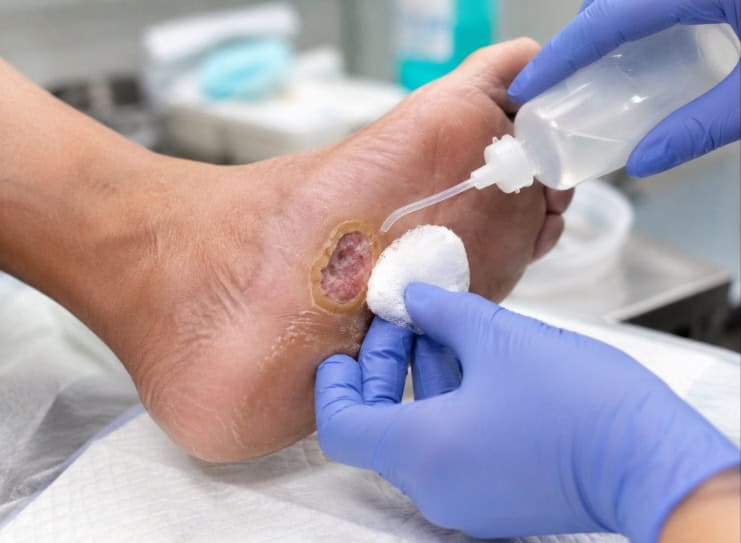
Several local factors compound this vulnerability. Dry skin and callus buildup weaken the skin barrier. Poorly fitting footwear creates friction. Walking generates repetitive mechanical stress, especially under the heel, toes, and ball of the foot, driving tissue breakdown in the same areas repeatedly. When a surface wound develops under these conditions, it can progress quickly into a deeper diabetic foot ulcer with a higher risk of infection and tissue loss.
When a Diabetic Wound Becomes Chronic
When these factors persist and a wound fails to progress, it may shift from delayed to chronic. A wound that shows no measurable improvement over two to four weeks, or one that remains open for months, has likely entered a state where the wound environment itself is preventing closure.
At this stage, bacterial biofilm may have formed, dead tissue may be accumulating faster than the body can clear it, edema may be restricting nutrient delivery to the wound bed, and the inflammatory phase may be cycling without resolution. Standard dressing changes alone are unlikely to break this pattern.
Certain signs suggest that a wound requires urgent specialist evaluation. These include a foot that is darkening or cold to the touch, wound drainage with a foul odor, recurring pain at or around the wound site, and any wound on a patient with known vascular disease, kidney insufficiency, or a history of recurrent ulcers. When any of these are present, a diabetic wound care specialist can help identify what is blocking healing and determine which interventions are needed to move the wound toward repair.

What Structured Diabetic Wound Care Involves
Structured diabetic wound care shifts the focus from surface management to targeted clinical intervention. A physician-directed assessment evaluates the specific barriers preventing closure:
- Vascular status and whether blood flow to the wound site is adequate
- Presence of infection or bacterial biofilm requiring active management
- Mechanical pressure patterns that may be causing ongoing tissue damage
- Metabolic stability and blood sugar control
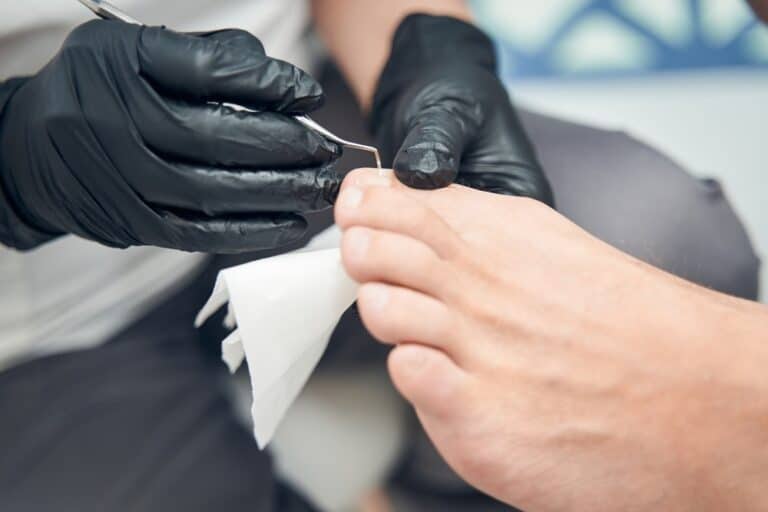
- Tissue viability and whether debridement is needed
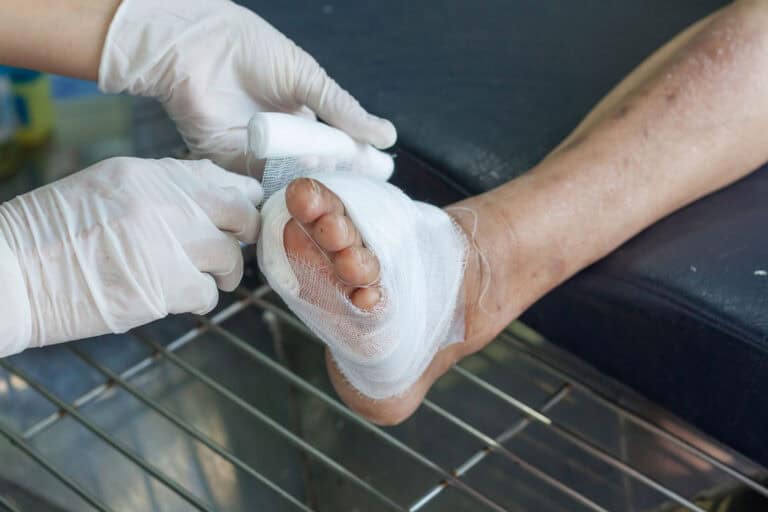
Based on these findings, a treatment plan may include wound bed cleaning, debridement, moisture-balanced dressings, offloading pressure from the affected area, and targeted infection management. For appropriate candidates, approaches that use Vascular Endothelial Growth Factor, commonly known as VEGF, and Platelet-Derived Growth Factor, or PDGF, signaling strategies may help support the biological conditions necessary for tissue repair under physician supervision.
The Right Care Can Change a Wound’s Direction
A non-healing wound does not have to remain non-healing. When the specific barriers to closure are identified and addressed through a structured clinical pathway, many wounds that had stalled for weeks or months may begin to show measurable progress. The difference often comes down to whether the wound receives targeted intervention or continues under a general care approach that does not address the underlying biology.
Vega Derma Clinic supports this process through physician-led assessment, growth factor signaling protocols, and objective wound monitoring in a private clinical setting in Bangkok. For local and international patients managing a wound that has not responded to standard care, our clinical team can help identify what is holding the wound back and build a plan to move it forward. B
Book a consultation today to have your wound properly assessed and take the first step toward real progress.
References:
- Diabetic Foot Ulceration and Complications. Retrieved 13 July 2026, from https://www.ncbi.nlm.nih.gov/books/NBK499887/
- Diabetes – foot ulcers. Retrieved 13 July 2026, from https://medlineplus.gov/ency/patientinstructions/000077.htm
- Diabetic Foot. Retrieved 13 July 2026, from https://medlineplus.gov/diabeticfoot.html
- Wound Healing Phases. Retrieved 13 July 2026, from https://www.ncbi.nlm.nih.gov/books/NBK470443/

The Vega Derma Medical Team consists of board-certified dermatologists, specialized trichologists, and clinical researchers based in Bangkok, Thailand. Our team specializes in evidence-based regenerative dermatology, complex tissue repair, and advanced hair restoration (including precision FUE and FSE). Every protocol and article we publish is medically reviewed to ensure it meets international clinical standards, providing safe, science-backed guidance for our local and international patients.