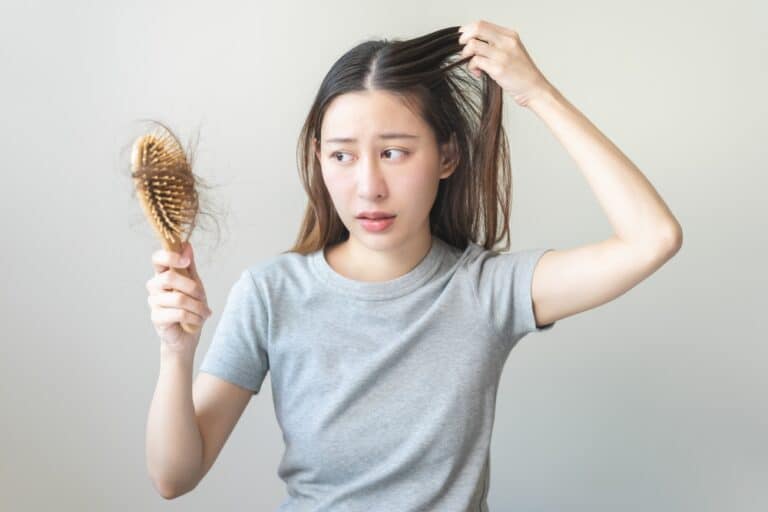

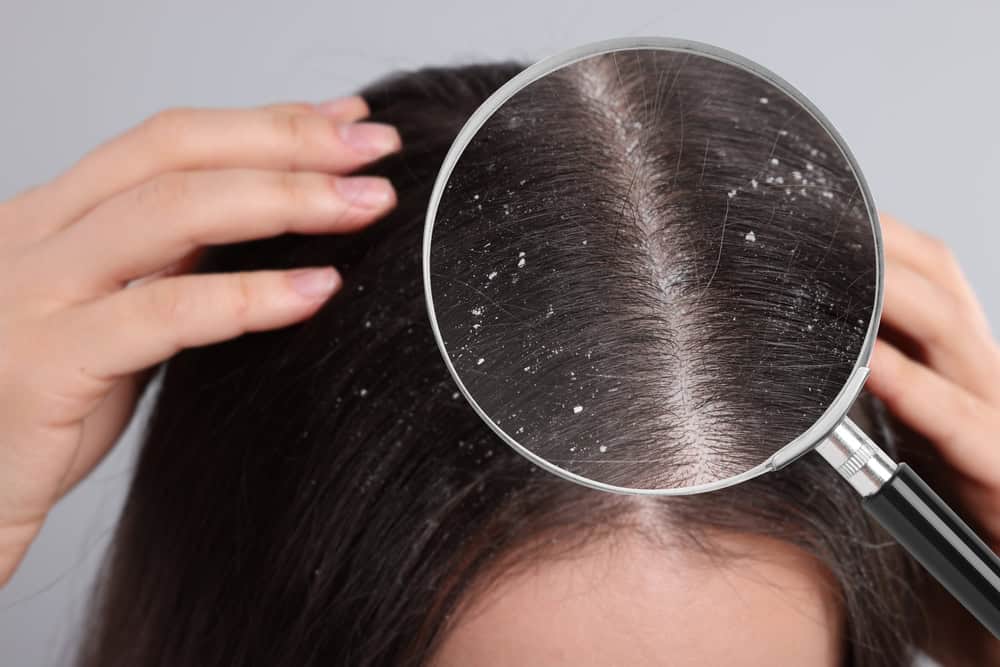
Dandruff and hair loss frequently occur simultaneously, prompting patients to question a causal connection between them. Dandruff seldom directly harms hair follicles from a medical standpoint. Instead, it fosters scalp conditions that exacerbate hair shedding. For individuals experiencing existing pattern hair loss, this increased inflammation can have notable clinical consequences.
The correct medical treatment depends on whether dandruff is the main problem or if it’s combined with a hair loss issue.
What Dandruff Does to the Scalp
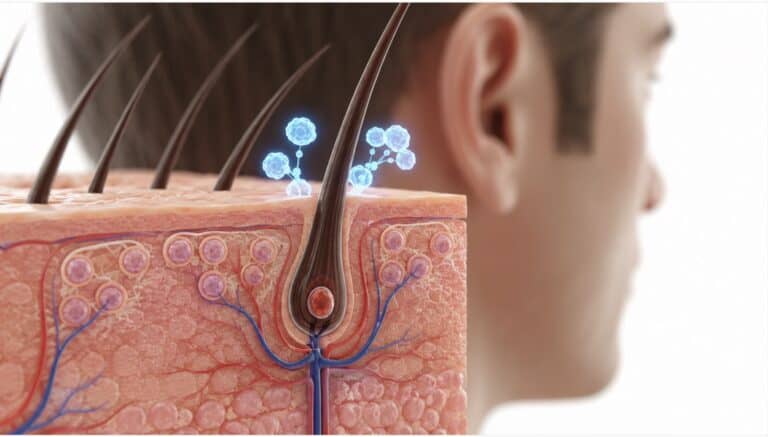
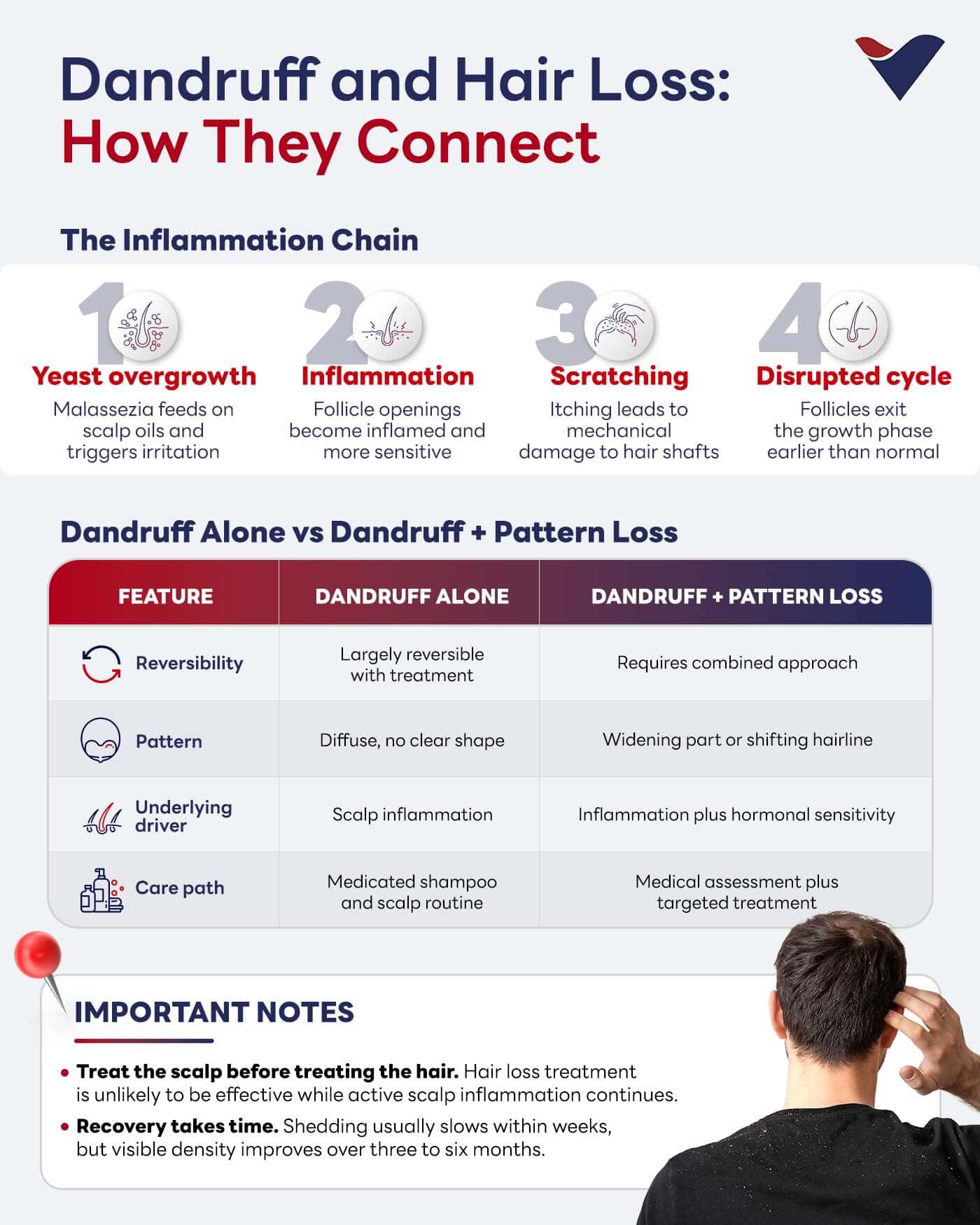
Dandruff is caused by an overgrowth of Malassezia yeast, which feeds on scalp oils and triggers irritation, flaking, and persistent low-grade inflammation around openings of the hair follicles. Distinguishing dandruff from related scalp conditions is clinically important, as each requires a different treatment approach:
- True dandruff: Oily white or gray flakes accompanied by itching, driven by Malassezia overgrowth.
- Dry scalp: Fine white flakes without excess oil production, typically a separate condition requiring different management.
- Seborrheic dermatitis: A more severe inflammatory presentation with red, scaly, oily patches and flakes that may appear white or yellow, often requiring medical treatment.
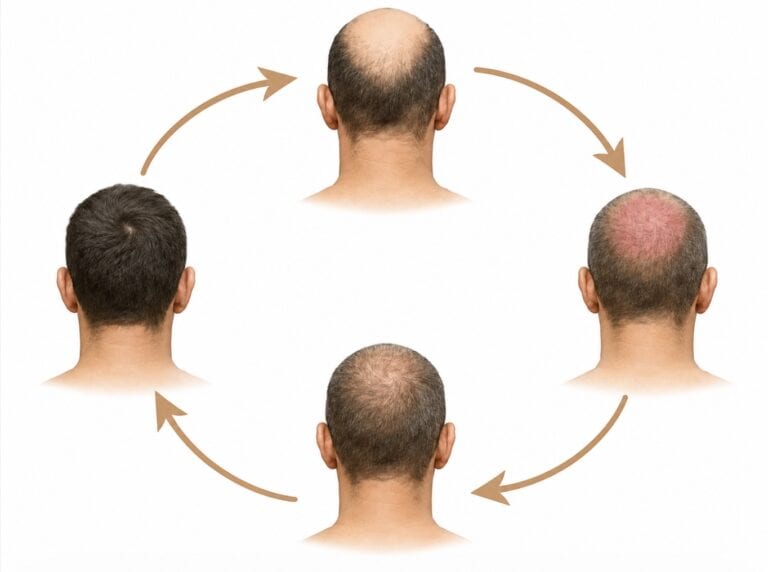
If left unchecked, ongoing inflammation stemming from these issues interferes with the hair’s growth cycle.
Can Dandruff Cause Hair Fall?
Clinically, dandruff does cause hair loss indirectly: while follicles are not damaged on their own, the condition initiates a chain of effects that contribute to shedding through the following mechanisms:
- Itching prompts scratching, which can break hair shafts near the root and irritate follicle openings over time.
- Prolonged scalp inflammation can shift follicles out of the growth phase earlier than normal, increasing daily shedding counts above baseline.
- In persistent cases, dandruff can cause hair thinning, particularly when inflammation continues for several months without intervention.
The damage originates from inflammation and mechanical scratching, not the flakes themselves.
Why Thinning Hair and Dandruff Appear More Pronounced Together
When thinning hair and dandruff are both active, the scalp becomes more visible through the hair due to redness, greasiness, and flaking, making overall density appear lower than it is clinically. Inflammation in follicles leads to weaker hair shafts that snap easily, thus reducing volume despite consistent follicle numbers.
Treating dandruff is the primary clinical goal because it frequently enhances the appearance of scalp thickness even before new hair starts to grow.
When the Problem Goes Deeper Than Dandruff
The clinical link between dandruff and hair loss becomes more significant when pattern hair loss is already present. Dandruff can worsen hair loss in those with androgenetic alopecia due to added inflammatory stress on top of existing hormonal effects on hair follicles. Deeper causes than just scalp condition can be indicated by the following clinical signs:
- A widening part or noticeable reduction in overall density over several months
- A shifting hairline or measurable change in hair density at the crown
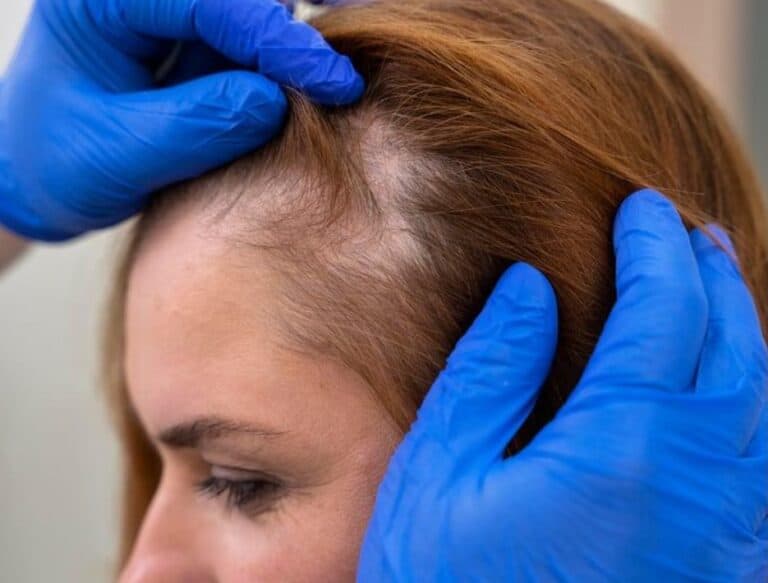
- Patchy areas that differ in shape or distribution from typical diffuse thinning
- Family history of pattern baldness alongside persistent dandruff
These symptoms require a doctor’s evaluation, not just self-care remedies.
How to Reduce Hair Fall from Dandruff
Reducing dandruff-related shedding begins with controlling the underlying scalp inflammation. A clinical care routine typically combines the following:
- Medicated shampoos: Containing ketoconazole, zinc pyrithione, or selenium sulfide, applied to the scalp for several minutes before rinsing.
- Gentle washing habits: Avoiding hot water, heavy non-medicated oils that can interfere with treatment, and tight hairstyles that mechanically stress already-inflamed follicles.
- Minimizing scratching: The primary source of mechanical follicle damage.
- Nutritional support: Deficiencies in zinc, vitamin D, B vitamins, and omega-3 fatty acids are associated with worsened scalp inflammation and disrupted hair cycling.
Stress management is also relevant, as chronic stress can compromise immune function and increase scalp sensitivity to Malassezia activity.
How to Regain Hair After Dandruff-Related Loss
Patients often ask how to regain hair after loss due to dandruff, and the answer depends on how long the inflammation has been active and whether an underlying hair loss driver is also present. Managing scalp inflammation usually leads to reduced daily hair loss in weeks and thicker hair in three to six months as follicles resume growth.
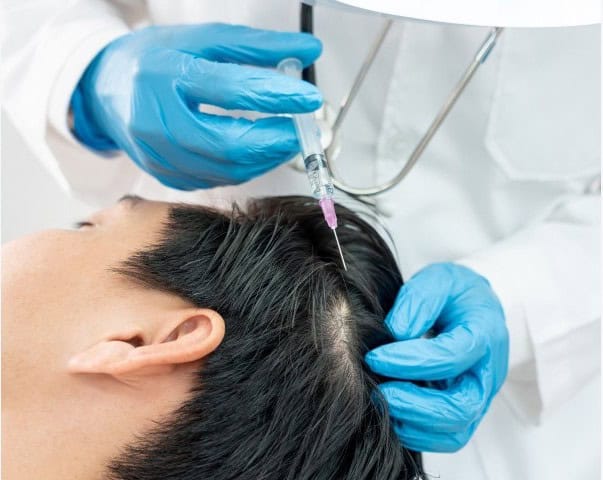
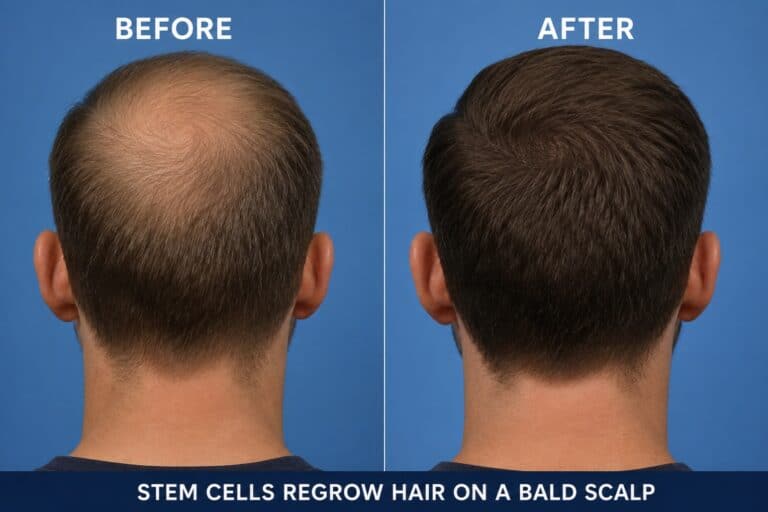
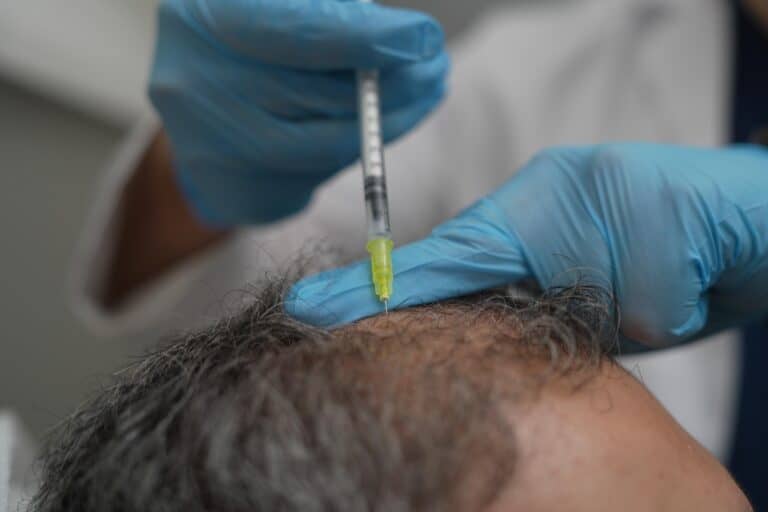
For patients with ongoing thinning that does not improve with over-the-counter care, a physician-led scalp treatment for hair loss should be considered. In suitable candidates, bioactive secretome signaling may support follicle progenitor zones and restore microcirculation as part of an integrated hair and scalp regeneration program, addressing the root biological causes rather than just an underlying pattern of symptoms.
When Hair Fall Persists After Dandruff Is Controlled
Persistent shedding after dandruff has been controlled often indicates a deeper underlying driver that requires separate investigation. Sticking to the same scalp routine in this case seldom alters the course of hair loss, and when pattern hair loss is confirmed stable, transplantation might become suitable for eligible candidates, as long as the scalp is completely clear because active inflammation can impact graft acceptance and healing after the procedure.
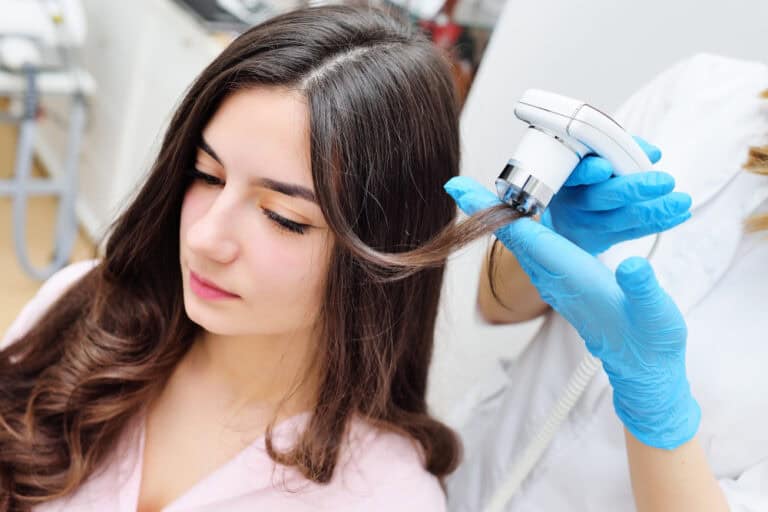
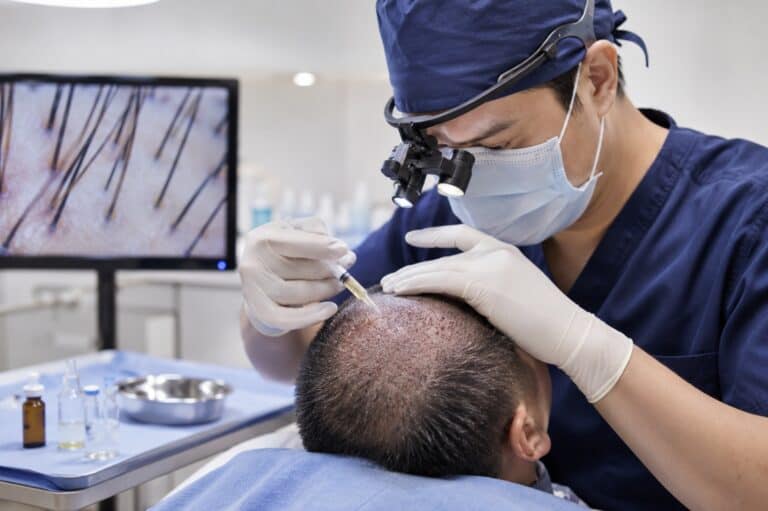
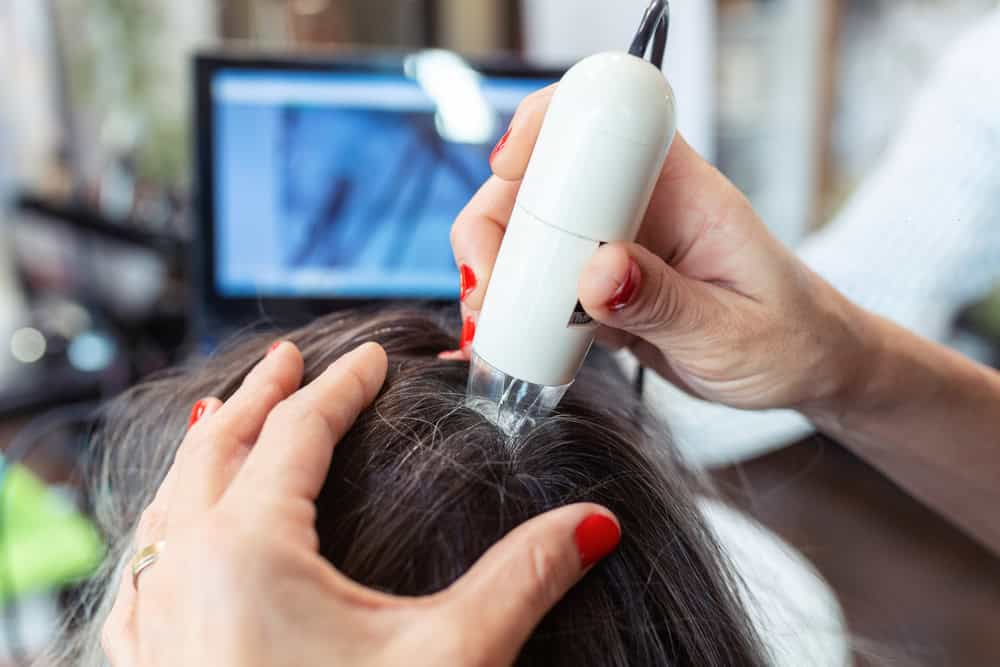
This is precisely why dandruff and hair loss are best evaluated together rather than in sequence. The clinical team at Vega Derma, a dedicated hair transplantation clinic in Bangkok, addresses both within the same evaluation, using trichoscopy to map follicle density and scalp condition before any treatment plan is built.
A single clinical assessment can identify the underlying driver and the appropriate treatment direction in one step. Book a consultation today to take that step.
References:
- Avoiding Hair Loss from Dandruff. Retrieved 19 June 2026, from https://www.healthline.com/health/dandruff-hair-loss
- Is There a Link Between Dandruff and Hair Loss?. Retrieved 19 June 2026, from https://www.medicalnewstoday.com/articles/326960

The Vega Derma Medical Team consists of board-certified dermatologists, specialized trichologists, and clinical researchers based in Bangkok, Thailand. Our team specializes in evidence-based regenerative dermatology, complex tissue repair, and advanced hair restoration (including precision FUE and FSE). Every protocol and article we publish is medically reviewed to ensure it meets international clinical standards, providing safe, science-backed guidance for our local and international patients.