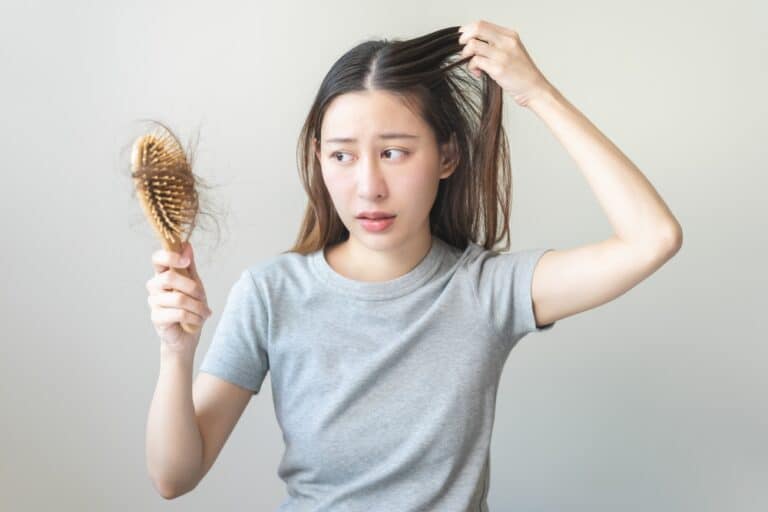

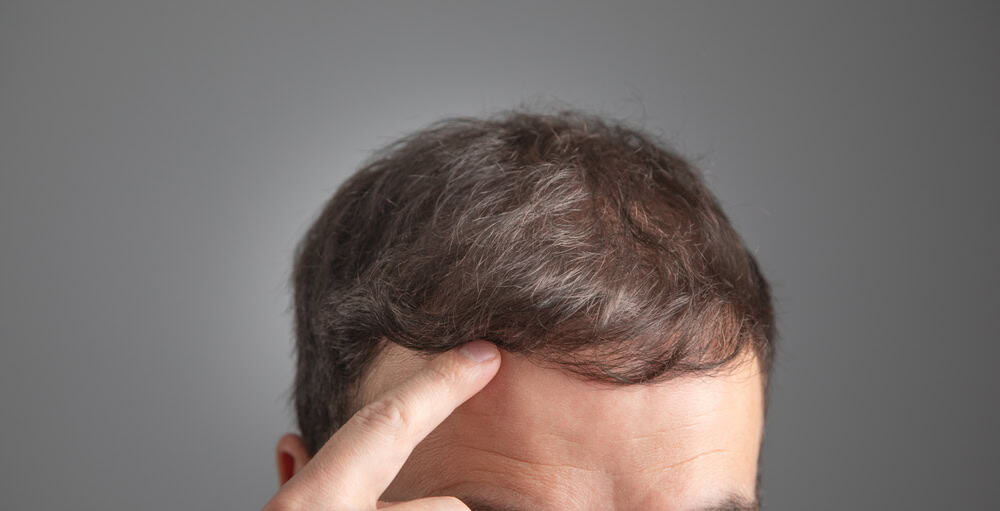
A hair transplant is a careful procedure, but what should you expect during the recovery period after a hair transplant?
Recovery often operates on two distinct timelines: a swift physical one and a prolonged biological one. Understanding their parallel progression aids in scheduling vacations, anticipating observable shifts, and establishing practical outlooks for the upcoming months.
Two Recovery Timelines Post-Hair Transplant
Patients often blend two separate recovery phases into one. Keeping them apart from day one helps set realistic expectations.
- Physical recovery: the time it takes to feel normal, return to work, and look unremarkable in social settings; usually a week or so.
- Cosmetic recovery: the time it takes for transplanted follicles to settle, shed, rest, and regrow into the final result is around nine to 12 months, with refinement up to eighteen months in more complex cases.
Several factors shape both timelines: surgical technique (such as FUE or FUT), total graft count, treatment area size, individual health factors (e.g., smoking history and diabetes), and aftercare. Aftercare is one of the few variables entirely within the patient’s control.
The First 10 Days After a Hair Transplant
The early window is when patients feel most anxious. Here is what each stage typically looks like.
Day of Surgery
- Pain level: the scalp stays numb from local anesthesia; pain is generally well controlled with prescribed medication, and most patients can rest comfortably by evening.
- Comfort level: the donor area at the back and sides often feels tight.
- Visible signs: small dotted graft sites are visible across the treated zone, and mild oozing in the first few hours is normal.
Days 1 to 3
- Pain level: mild soreness, generally manageable with prescribed medication.
- Comfort level: swelling typically peaks, often tracking down from the treated zone to collect across the forehead and around the eyes, which can look more dramatic than it feels.
- Visible signs: small scabs begin forming around each graft site.
Tip: Prioritize rest; sleep with the head elevated and avoid bending forward to reduce swelling and protect the grafts.
Days 4 to 7
- Pain level: the worst of the discomfort has passed.
- Comfort level: swelling has usually settled, and the scalp begins to look more normal.
- Visible signs: scabs stabilize during this period, and the gentle daily wash routine becomes the most important aftercare during this period.
Most office workers feel ready around day four or five, while those in public-facing roles often prefer to wait a few more days.
Days 8 to 10
- Pain level: minimal at this stage.
- Comfort level: the scalp looks more normal, though the treated area may still appear slightly pink or have a fine, textured look where grafts were placed.
- Visible signs: scabs begin to fall away on their own during gentle washing in the second week.
For many patients, this is when surgery becomes harder to spot at a glance, even though the cosmetic result itself is still months away.
Hair Transplant Healing Stages From Week Two Onward
The middle phase of recovery often surprises patients because visible progress goes backward before it goes forward.
Week 2: Shock Loss
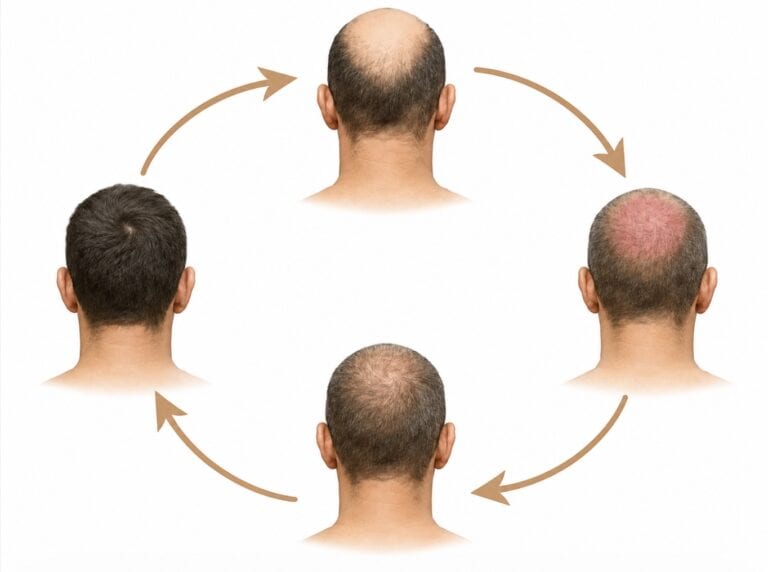
Around week two, transplanted hairs begin to shed, clinically called “shock loss”. It is a normal part of the hair cycle and often not a cause for concern.
The follicle stays under the skin, and the hair strand breaks off and drops out before the follicle starts growing again.
Shedding can appear dramatic, especially for patients unprepared for it, but it doesn’t indicate graft failure since every shed hair is a follicle getting ready to regrow.
Weeks 3 to 4: the Quiet Phase
Weeks three and four are the resting stage. The scalp feels close to normal, most surrounding redness has faded, and from the outside, the treated area may look thinner than before surgery because the transplanted hairs have shed and new growth has not yet started.
This period is often called the “ugly duckling” phase, and it is when patient anxiety tends to peak. It reflects follicles sitting in the resting phase, preparing to cycle back into growth.
Months 2 to 12 in the Hair Transplant Recovery Timeline
During this time, progress is gradual and uneven before it becomes uniform.
Months 2 to 3: First Signs of Growth
- Hair characteristic: fine, soft sprouts begin breaking through the scalp; new hairs are often thinner and lighter than surrounding hair.
- Pattern: uneven across the treated zone, as follicles cycle back into growth at different rates.
- Density: well below the final result; the cosmetic picture at month three is not representative of where things will be at month twelve.
Months 4 to 6: Visible Thickening
- Hair characteristic: new hairs start to coarsen and darken to match the surrounding hair; most patients feel comfortable styling the area normally.
- Pattern: more even coverage across the treated zone as follicles catch up with each other.
- Density: typically reaches around 40 to 60% of the final result; the improvement from month three to month six is usually the most noticeable single leap in the recovery timeline.
Months 7 to 12: Maturation
- Hair characteristic: transplanted hair continues to thicken and darken until it becomes hard to tell apart from native hair by texture and color.
- Pattern: fully integrated with surrounding hair; the hairline matures earlier, while the crown zone tends to mature more slowly.
- Density: most patients see something close to their final result by month twelve, with continued refinement possible up to eighteen months in more complex cases.
Over time transplanted follicles tend to behave like donor-zone hair, though native hair in untreated areas may continue to change, which is why long-term planning matters at the consultation stage.
How to Prepare for Downtime
Planning for downtime means planning for two separate things: physical downtime (how long until the scalp is comfortable enough to return to routine) and social downtime (how long until it looks normal enough for the situations that matter to the patient). The two windows are different.
- Work and daily activities: most patients can return within 1 to 3 days; the scalp is not in pain at this point, and concentration is unaffected. Plan seven to ten days away if you are on camera or in important meetings, since the scalp still looks clearly post-procedure during the first week.
- Exercise: light walking is fine from day one and helpful for circulation, but avoid heavy lifting, weight training, running, cycling, contact sports, and anything that raises blood pressure or causes sweating until the clinical team confirms graft stability, usually around two to three weeks. After that, most exercise can be reintroduced gradually.
- Swimming and open water: contamination risk; most clinicians recommend waiting at least four weeks.
- Saunas and steam rooms: heat and humidity interfere with early healing; wait until the clinical team gives clearance.
Timelines vary. Confirm specific timing with your clinical team based on your scalp and healing progress.
Aftercare Habits That Protect the Result
The first two weeks have the biggest impact on graft survival. A small number of consistent habits are important to achieve the best results:
- Sleep with the head elevated: reduces swelling and prevents grafts from being compressed against a pillow during the critical early days.
- Never scratch or pick at scabs: picking at scabs before they are ready can displace a graft; the scabs need to fall away on their own during washing.
- Follow the wash protocol exactly: the clinic’s specific washing instructions help keep the scalp clean without disturbing grafts; improvising is one of the most common causes of preventable complications.
- Limit direct sun exposure: UV can affect pigmentation of healing skin and cause discomfort before the scalp has settled.
- Avoid smoking and alcohol: both reduce blood flow to the scalp and may delay healing during the early recovery window.
Optional Supportive Care
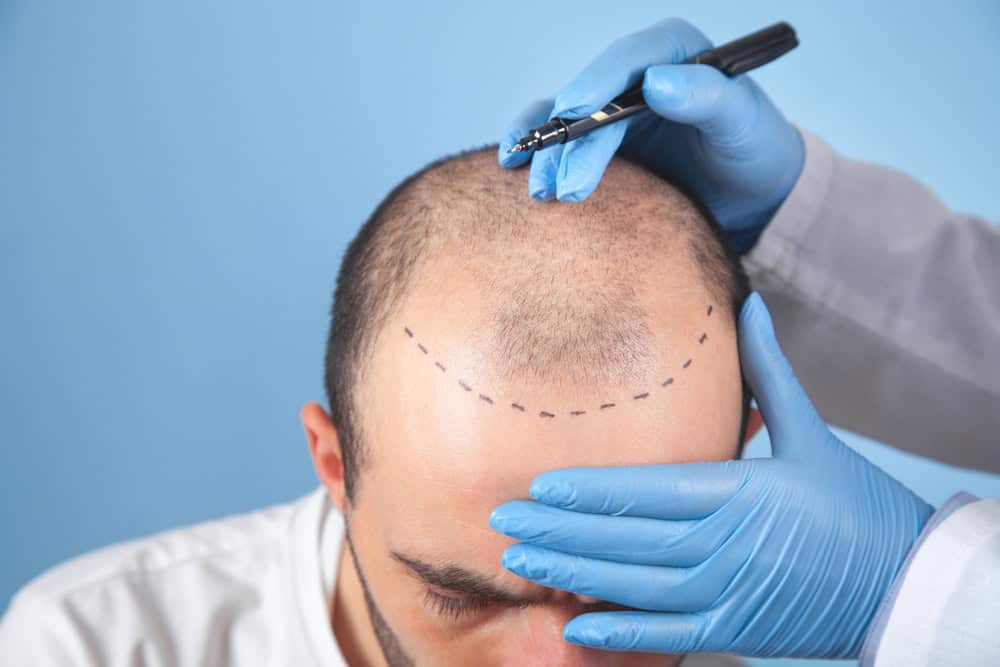
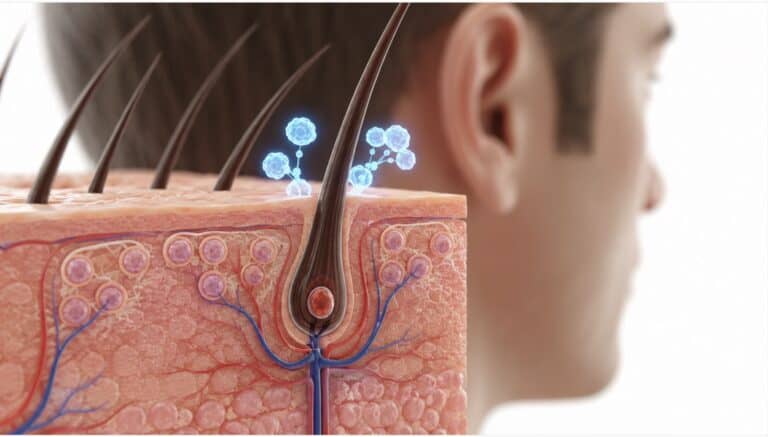
For suitable candidates, a Follicular Signaling Enhancement (FSE) may be discussed at follow-up to support the scalp environment after surgery. Suitability depends on physician assessment, scalp condition, and overall plan.
When to Contact the Clinical Team
Contact your medical team if you experience any of the following:
- Severe or worsening pain: beyond what was expected at this stage.
- Spreading redness, pus, or foul odor: potential signs of infection.
- Fever above 101°F (38.3°C): any systemic symptom warrants prompt contact.
- Heavy bleeding: bleeding that soaks through a dressing within an hour requires same-day contact.
Most recoveries are uneventful, but early communication makes any issue easier to manage. Severe or worsening pain beyond what was expected at that stage, spreading redness rather than the localized redness of normal healing, pus or foul odor from the scalp, or a fever are all reasons to contact the clinical team the same day.
Schedule a consultation with our clinical team for scalp evaluation or hair restoration planning. At Vega Derma Clinic, a physician-led evaluation assesses your scalp health, donor availability, and transplant suitability, offering regenerative options like Follicular Signaling Enhancement when suitable to support the procedure.
Recovery and follow-up stay with the same clinical team from consultation to post-procedure follow-ups, so your hair transplant in Bangkok is supported continuously. Contact us to schedule your appointment today.
References:
- Follicular Unit Extraction: A Surgeon’s Perspective. Retrieved June 16, 2026, from https://pubmed.ncbi.nlm.nih.gov/30022913/
- Hair Transplantation: Basic Overview. Retrieved June 16, 2026, from https://www.ncbi.nlm.nih.gov/books/NBK547740/
- Postoperative Care After Hair Restoration Surgery. Retrieved June 16, 2026, from https://pubmed.ncbi.nlm.nih.gov/34904355/
- Hair Loss and Restoration. Retrieved June 16, 2026, from https://medlineplus.gov/hairloss.html

The Vega Derma Medical Team consists of board-certified dermatologists, specialized trichologists, and clinical researchers based in Bangkok, Thailand. Our team specializes in evidence-based regenerative dermatology, complex tissue repair, and advanced hair restoration (including precision FUE and FSE). Every protocol and article we publish is medically reviewed to ensure it meets international clinical standards, providing safe, science-backed guidance for our local and international patients.