
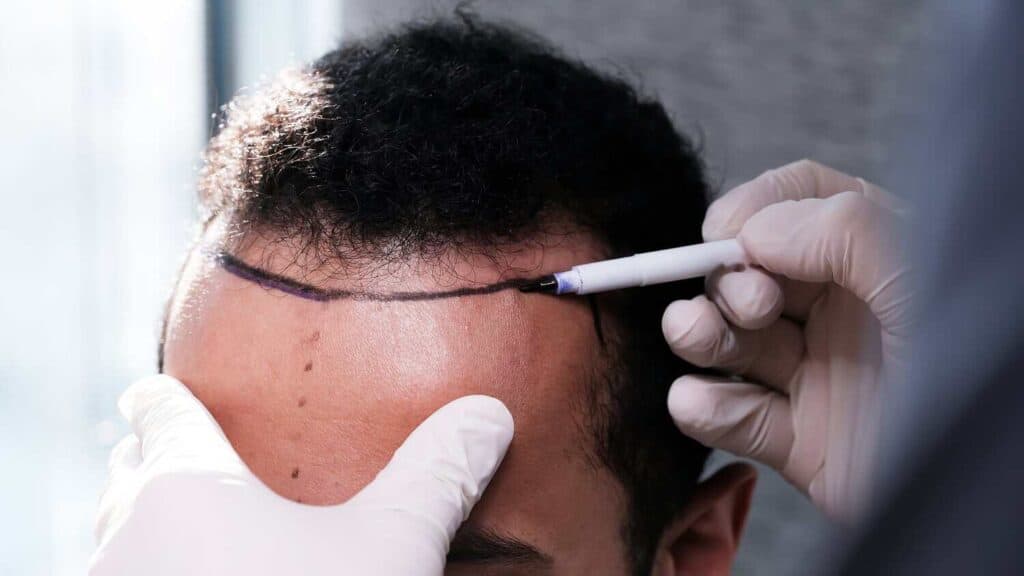
When people picture a hair transplant, they usually imagine restoring the hairline that frames the face. Crown thinning is just as common, especially in progressive pattern hair loss, but it follows a very different blueprint. The difference between a hairline and a crown transplant matters because graft count, growth direction, density targets, healing time, and donor management all shift between the two zones. Understanding the differences between hairline and crown hair transplant techniques helps patients plan their hair regrowth treatment with clearer expectations, especially when both areas are affected at the same time.
The Hairline Zone Explained
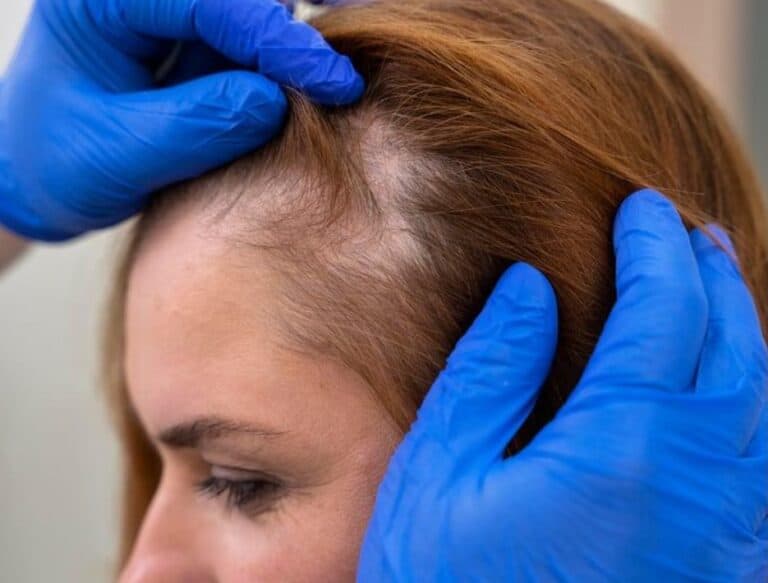
The hairline is the front edge of the scalp and frames the face in nearly every face-to-face interaction. Because it sits in such a visible place, even small changes have a noticeable visual effect.
Key characteristics of the hairline:
- Hair grows forward and angles slightly downward
- It defines facial framing and softens the upper third of the face
- Single-hair grafts are placed carefully along the front edge for a natural look
- Density is usually targeted at around 40 to 50 follicular units per square centimeter
- Design should suit the patient’s age, face proportions, and pattern of hair loss
A hairline that runs in a flat, straight line, sits too low, or is packed too densely tends to look unnatural. The result should blend with the surrounding hair in color, direction, and softness. Visible maturation typically takes 9 to 12 months.
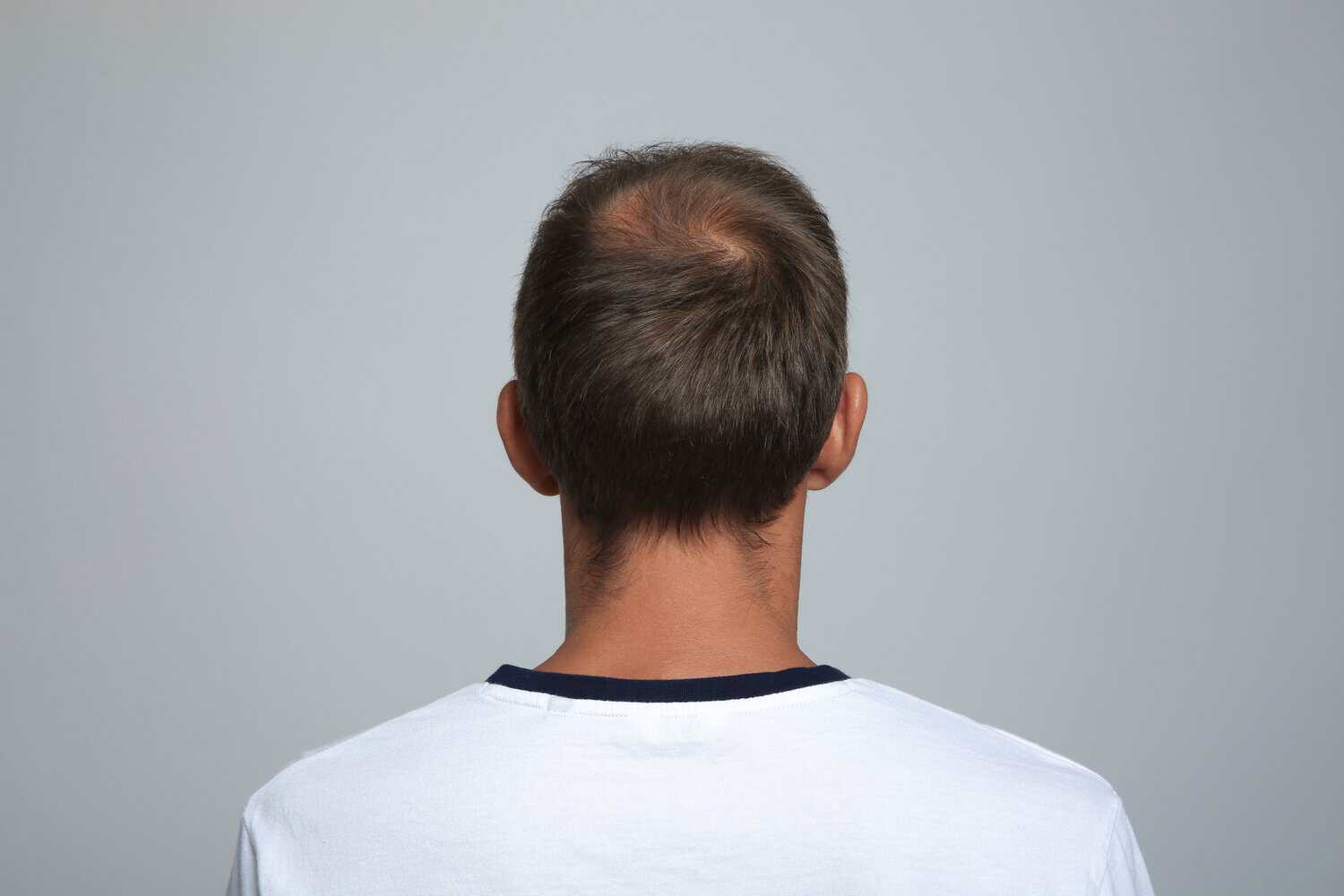
The Crown Zone Explained
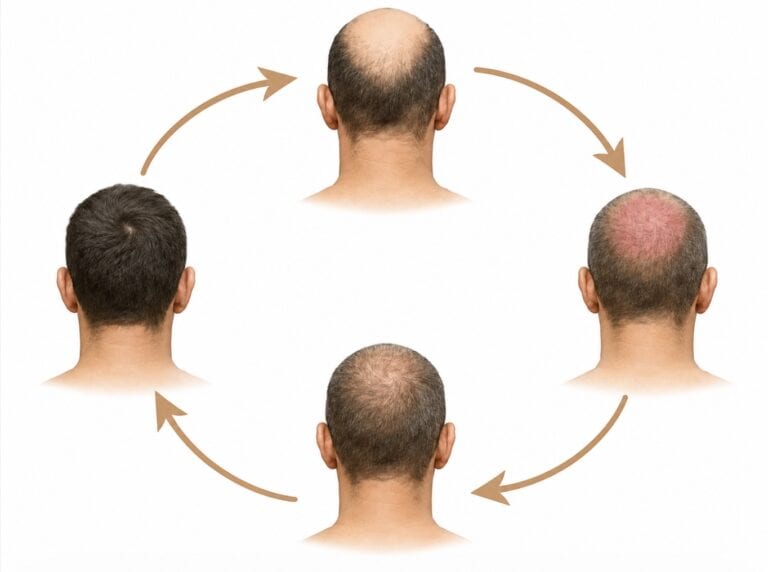
The crown is the area at the top-back of the scalp. Unlike the hairline, hair at the crown grows in a spiral pattern called a whorl, radiating outward from a central point. This makes surgical planning more technically demanding.
Key characteristics of the crown:
- Hair grows radially outward from a central whorl
- The area is usually larger than patients first expect
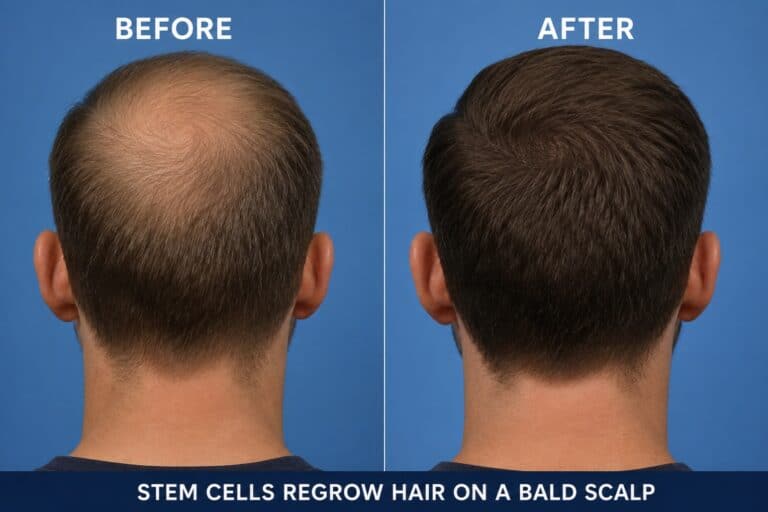
- Around 2,000 to 3,500 grafts are often needed for a meaningful change
- Density targets can be slightly lower, around 25 to 35 follicular units per square centimeter, while still appearing natural
Crown results mature more slowly, often over 12 to 18 months. Overhead lighting can make the crown look thinner even after good work, partly because of the whorl pattern and the broader surface to cover. Patience is part of the protocol.
Key Differences at a Glance
Several practical differences shape how each procedure is planned and how the results appear.
Growth Direction
The hairline grows forward and slightly downward in a relatively linear pattern. The crown grows radially outward from a whorl, which makes matching the natural angle and flow more technically demanding.
Graft Requirement
The crown covers a larger surface area than most patients realize, so it generally needs a larger number of grafts. The hairline often delivers more visible impact per graft because it directly frames the face.
Healing and Growth Time
Hairline results typically mature within 9 to 12 months. Crown results often take 12 to 18 months to reach full density and coverage.
Visibility of Results
A hairline transplant changes how a patient is seen face to face. A crown transplant changes what is seen from above or at an angle, such as in photographs taken under direct overhead light.
Which Should Be Treated First?
When both the hairline and the crown are affected, the hairline is generally treated first. There are two main reasons. The hairline has greater visual impact and plays a larger role in facial balance. Donor supply at the back and sides of the scalp is also finite. Once grafts are used, they cannot be replaced, and using too many for the crown too early can leave insufficient donor hair to rebuild a natural hairline later.
A crown transplant is usually best considered when:
- Hair loss has stabilized
- Donor capacity has been carefully evaluated
- The patient holds realistic expectations about density and coverage
- Medical or regenerative support is in place where needed to preserve existing hair
A well-planned approach treats the whole pattern of loss, not just the most visible thinning at the moment of consultation.
The Vega Approach to Hair Transplantation
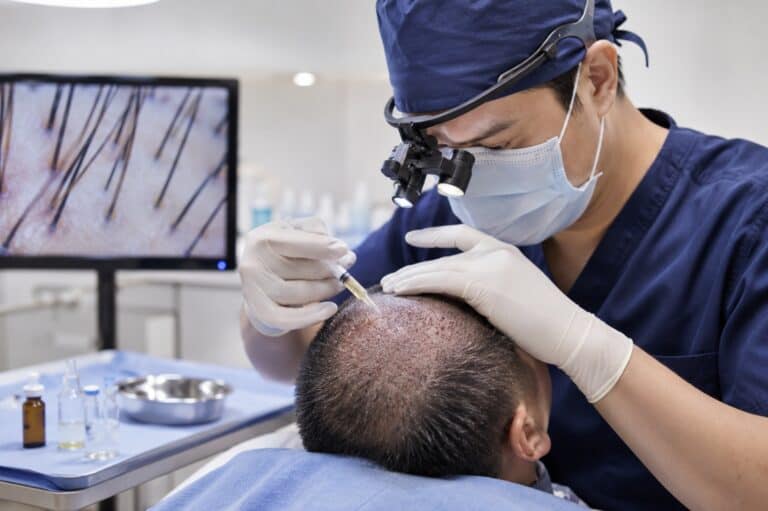
At Vega Derma, hair transplantation is treated as a clinical dermatological procedure rather than a purely cosmetic service. The focus is on natural design, follicular endurance, scalp health, and long-term planning. A successful transplant depends on far more than graft count. It requires careful diagnosis, precise extraction, healthy graft handling, accurate placement, and structured follow-up.
Core elements of the Vega protocol include:
- Comprehensive donor zone evaluation: Assessment of donor density, follicle quality, miniaturization risk, and long-term graft availability.
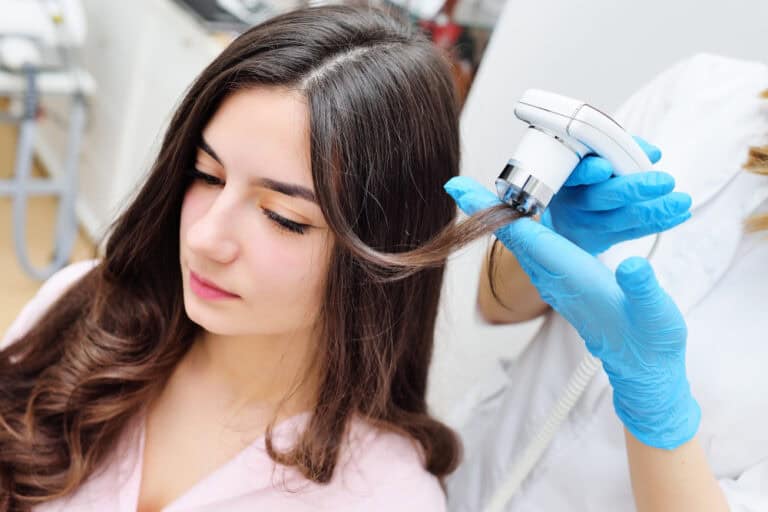
- Trichoscopic analysis: A close-up scalp evaluation that maps shaft quality, density, and signs of ongoing thinning.
- High-precision FUE extraction: Performed carefully to reduce tissue trauma and protect the donor area for future needs.
- Climate-controlled graft handling: Grafts are kept in a controlled environment during the ex-vivo period to support follicle quality before implantation.
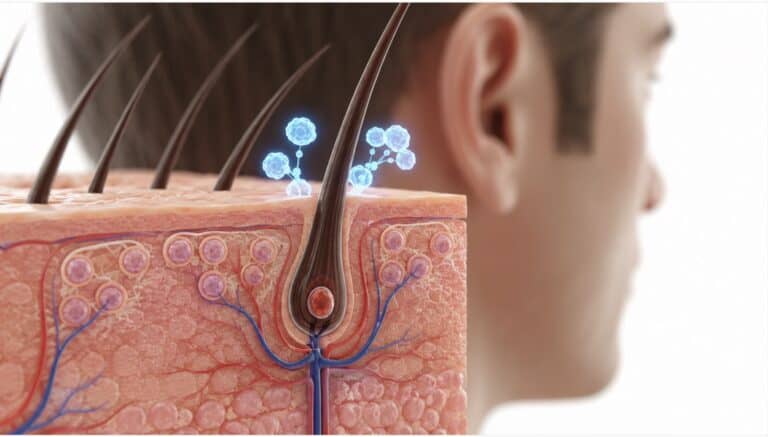
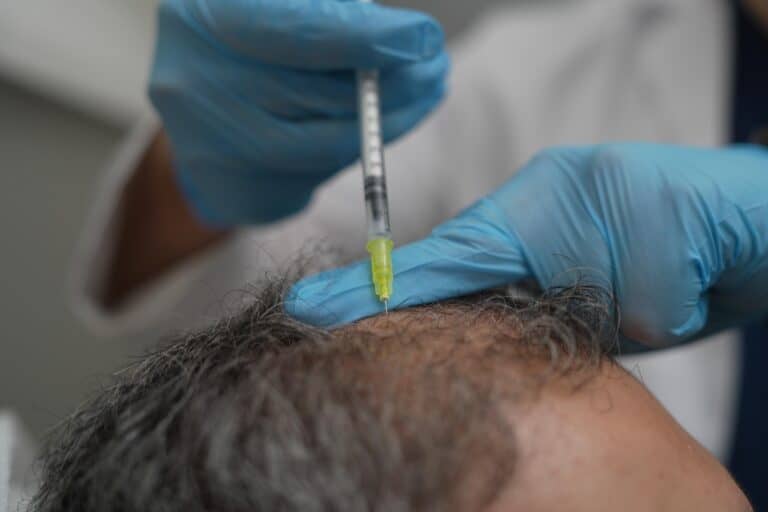
- Bio-active secretome support: Post-operative care may include bio-active signaling designed to support scalp recovery and graft integration during the early dormancy phase.
- Structured follow-up: A 12-month review plan with trichoscopy to monitor growth, density, and scalp health.
For suitable candidates exploring hair regrowth treatment options across the hairline, crown, or both, an individualized clinical plan is the right starting point.
Book a Specialist Consultation
The right plan for the hairline, the crown, or both depends on the individual pattern of loss, donor capacity, age, and long-term goals. A specialist review can map what is achievable and how to sequence treatment without exhausting donor reserves. Book a consultation with Vega Dermatology & Wound Care Unit for a private assessment and a personalized hair restoration plan.
References:
Androgenetic Alopecia. Retrieved on 7 June, 2026 from https://www.ncbi.nlm.nih.gov/books/NBK430924/
Hair Loss Types. Retrieved on 7 June, 2026 from https://www.aad.org/public/diseases/hair-loss/types

The Vega Derma Medical Team consists of board-certified dermatologists, specialized trichologists, and clinical researchers based in Bangkok, Thailand. Our team specializes in evidence-based regenerative dermatology, complex tissue repair, and advanced hair restoration (including precision FUE and FSE). Every protocol and article we publish is medically reviewed to ensure it meets international clinical standards, providing safe, science-backed guidance for our local and international patients.