
Key Takeaways
- Hormones such as cortisol, DHT, estrogen, and thyroid hormones can disrupt the hair growth cycle and trigger different patterns of loss.
- Chronic stress raises cortisol, which can push follicles into a prolonged resting phase and slow regrowth.
- Hormonal hair loss often appears gradual or diffuse and is a medical phenomenon, not a personal failing.
- A physician-led assessment with trichoscopy and hormone testing can identify the drivers and guide an evidence-aware treatment plan.
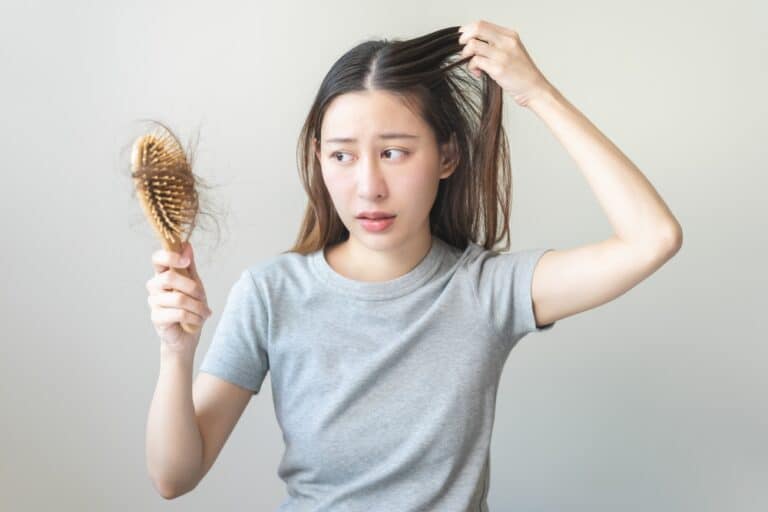
Hair loss weighs more than its appearance. For many people, seeing more strands on the pillow or in the brush quietly chips away at confidence, self-image, and daily wellbeing. The causes range from genetics, nutrition, and sleep to aging and lifestyle, but how hormones contribute to hair loss sits at the center of many cases. Can stress cause hair loss? Often yes, through cortisol and other downstream signals that interrupt the hair growth cycle. Understanding the stress and hormones causes of hair loss is the first step toward a treatment plan that addresses biology rather than appearance, and it can also bring some reassurance that this is medical, not a personal failing.
The Hair Growth Cycle in Brief
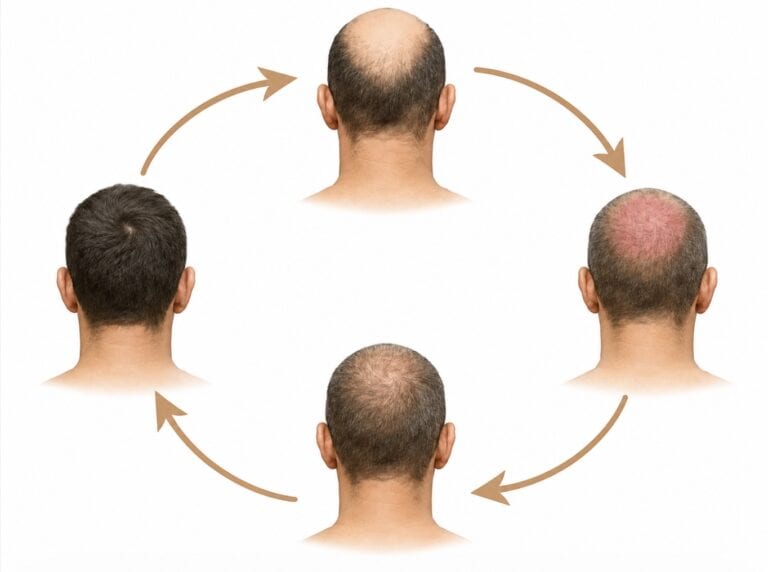
Hair follicles move through a repeating cycle made up of three main phases. Anagen is the active growth phase, when the follicle steadily produces new hair, and it can last several years. Catagen is a short transition phase of around two weeks, when growth slows and the follicle prepares to rest. Telogen is the resting phase, when the hair sheds and the follicle pauses before starting again.
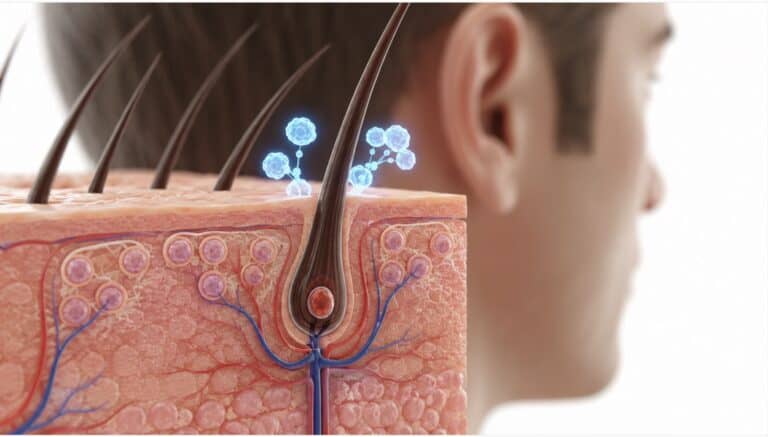
Hair loss appears when this cycle stalls. Follicles can stay in the resting phase longer than they should, or they can miniaturize, producing thinner and weaker hair instead of healthy strands. This biological stall point is exactly where hormones can interrupt regrowth.
How Hormones Disrupt Hair Growth
Several hormones interact with the follicle’s growth machinery. When their levels shift, the cycle can falter in different ways.
Cortisol, the stress hormone
Can stress cause hair loss? Chronic stress is one of the most common triggers. Sustained stress raises cortisol, the body’s main stress hormone, which can push hair follicles into an extended resting phase and slow the signals that would normally restart growth. Stress-related hair loss rarely shows up the same day. Many patients notice shedding weeks or months after a stressful event such as illness, surgery, childbirth, or a prolonged period of emotional pressure.
DHT, the hormone behind pattern hair loss
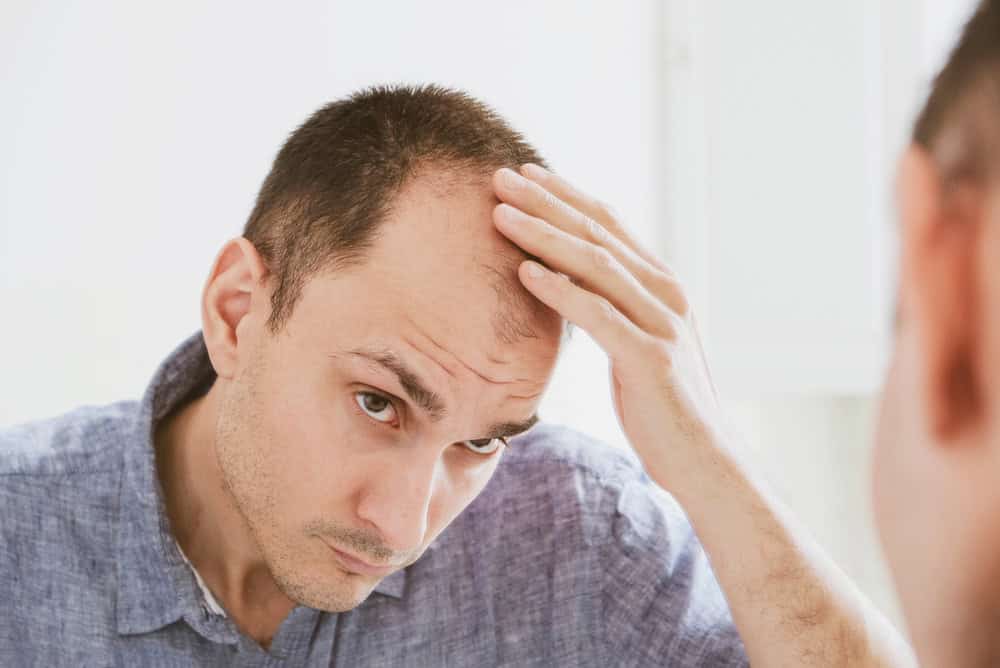
DHT, or dihydrotestosterone, is the main driver of androgenetic alopecia, also known as male and female pattern hair loss. In genetically sensitive follicles, DHT gradually shrinks the follicle over successive cycles in a process called miniaturization. Thick terminal hairs become finer, shorter, and weaker. In men, this can appear as a receding hairline or thinning crown. In women, it often shows as a widening part line or diffuse thinning across the top of the scalp.
Estrogen fluctuations
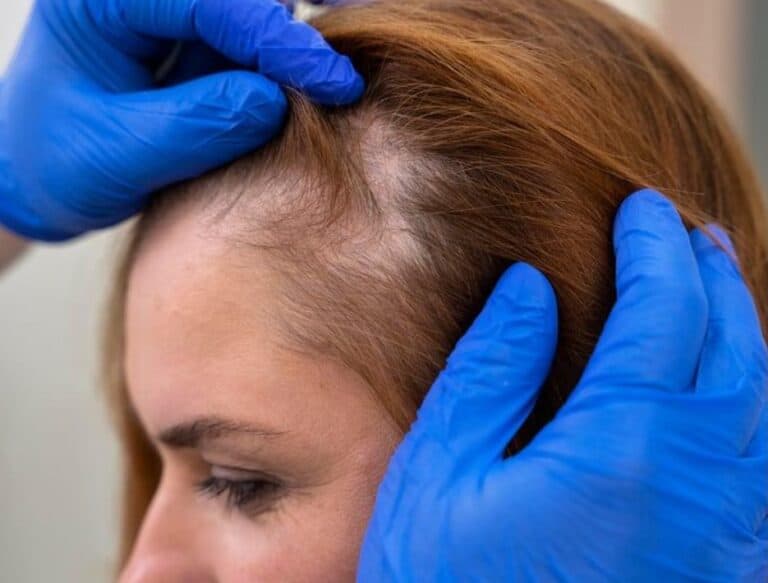
Estrogen helps support the environment needed for a healthy growth phase. When estrogen levels fall after childbirth, during perimenopause, or during menopause, more follicles can enter the resting phase at once. The result is often noticeable diffuse thinning rather than a defined bald spot. For many women, this is the first time they encounter visible hair loss, and the trigger is hormonal rather than genetic.
Thyroid hormones
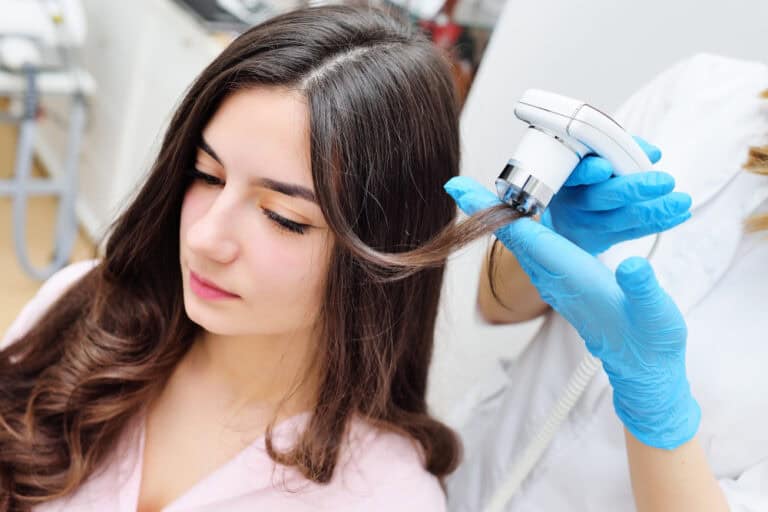
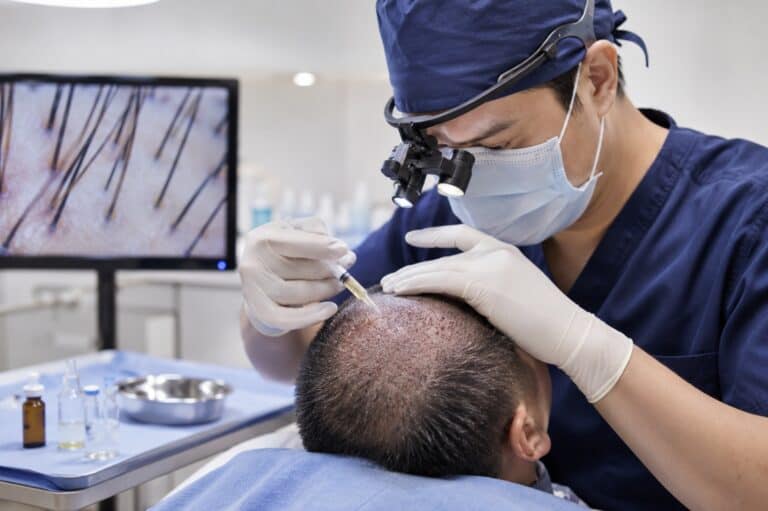
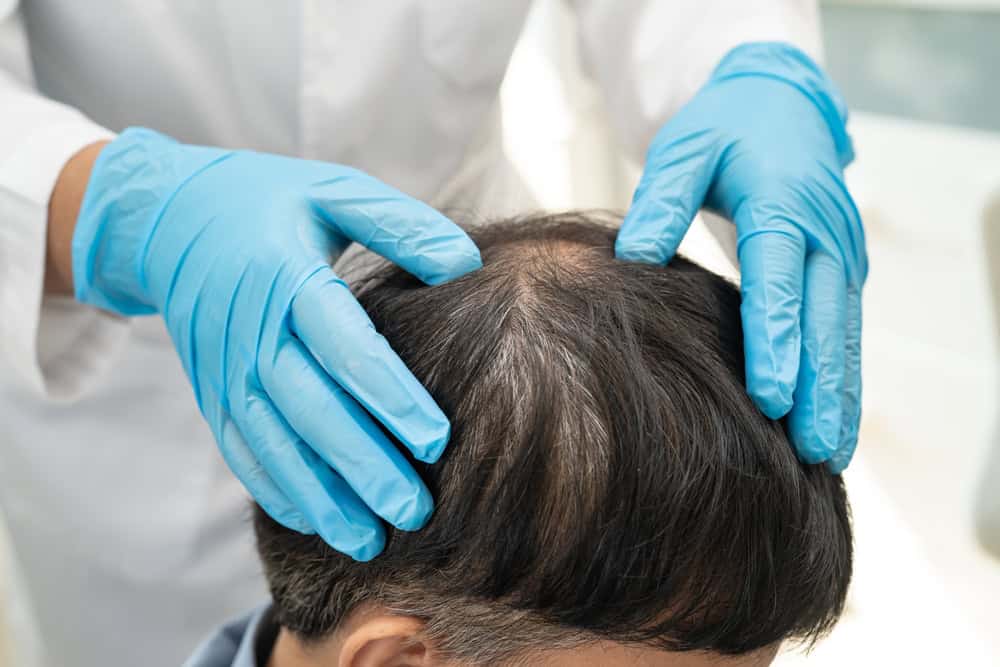
Thyroid hormones set the pace for many biological cycles, including the hair cycle. Both an underactive thyroid (hypothyroidism) and an overactive one (hyperthyroidism) can disrupt follicle activity and lead to widespread shedding. This is one reason a proper medical evaluation for chronic hair loss often includes thyroid testing alongside iron, nutritional markers, hormone panels, and a scalp assessment with trichoscopy.
Why Hormonal Hair Loss Feels Different
Understanding how hormones contribute to hair loss often changes how patients feel about their experience. Hormonal hair loss can be hard to recognize because it rarely points to one obvious cause. It can creep in gradually, appear diffuse, or seem to come from nowhere. Some patients notice heavier shedding during a hormonal shift, while others see slower changes such as reduced volume, lower density, or new hair growing in finer than before. This kind of hair loss is biological. It is not the result of doing too little or choosing the wrong shampoo, and it tends to respond best when the underlying pattern, hormonal triggers, and scalp health are all assessed together.
Regenerative Support at Vega
The stress and hormones causes of hair loss call for a medical-biological response rather than a cosmetic one, and this shapes how the Hair and Scalp Regeneration service at Vega Dermatology & Wound Care Unit is structured. The focus is on understanding why follicles are staying dormant, miniaturized, or surrounded by chronic inflammation, and what can be done to support healthier regrowth from within the scalp.
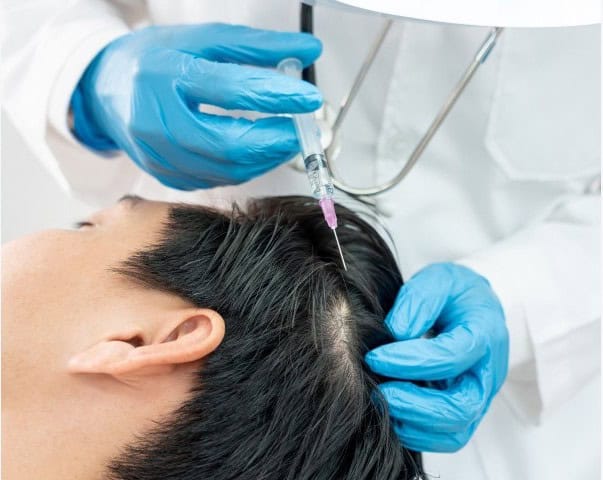
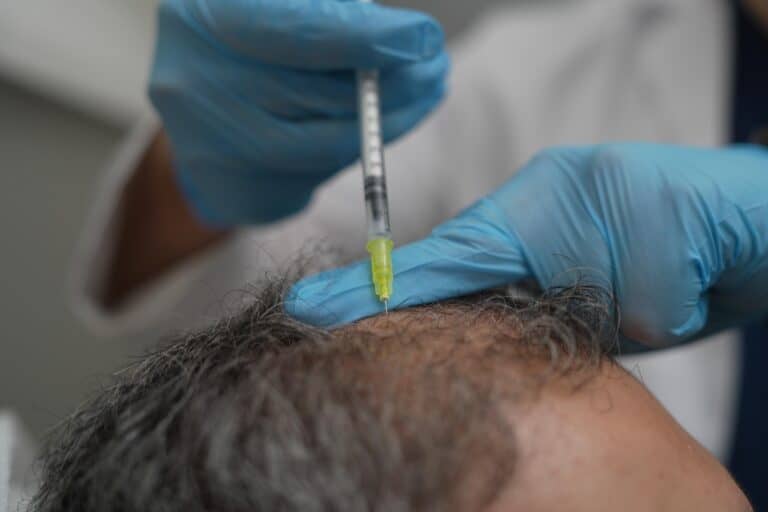
For suitable candidates exploring regenerative therapy for hair loss as an option, the Vega approach draws on bio-active signaling, concentrated secretome-based messengers designed to support resting follicles, improve the scalp microenvironment, and calm the chronic micro-inflammation often present around the hair bulb in pattern loss. Care is built around the biological architecture that hair growth depends on, including the dermal papilla, scalp circulation, the extracellular matrix, and inflammation control.
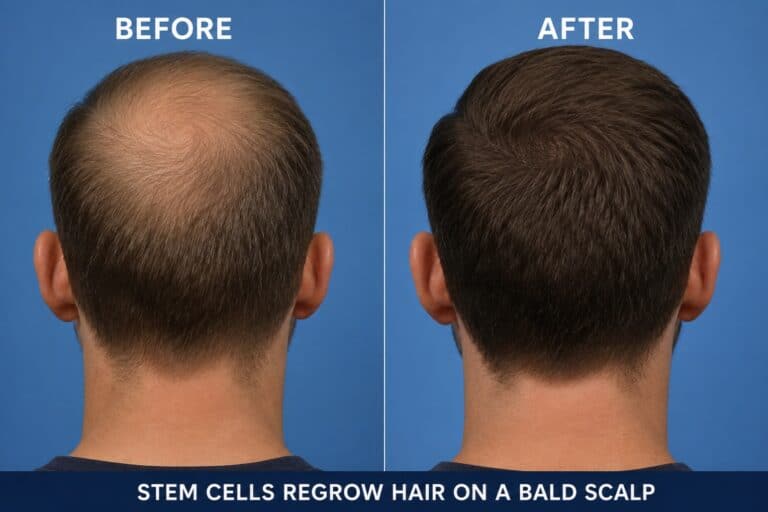
This is not framed as guaranteed regrowth or a quick fix. It is a structured clinical pathway designed to restore the conditions that support healthier hair growth, with visible results typically appearing gradually over three to six months as the cycle resets.
References:
Androgenetic Alopecia. Retrieved on 7 June, 2026 from https://www.ncbi.nlm.nih.gov/books/NBK430924/
Hormonal Effects on Hair Follicles. Retrieved on 7 June, 2026 from https://pmc.ncbi.nlm.nih.gov/articles/PMC7432488/
Book a Specialist Scalp Assessment
If hair loss feels hormonal, gradual, or unexplained, a structured scalp review is more useful than another generic product. A specialist consultation at Vega Derma Stem Cell Clinic can identify the likely triggers, check scalp health, and guide the right treatment pathway for your case. Book a consultation for a private review.
Frequently Asked Questions About Hormones and Hair Loss
Q: How do hormones, stress, and genetics contribute to hair loss?
A: Hormones such as cortisol, DHT, estrogen, and thyroid hormones can shorten the growth phase or push follicles into a longer resting phase. Stress raises cortisol and may suppress follicle signaling, while genetics determine which follicles are sensitive to DHT. Most patients have a mix of these factors rather than a single cause.
Q: Can stress cause hair loss on its own?
A: Yes. Sustained stress can raise cortisol and trigger a form of diffuse shedding called telogen effluvium, in which many follicles enter the resting phase at the same time. The shedding usually appears two to three months after the stressful period and often improves once the underlying stress is addressed.
Q: How can I tell if my hair loss is hormonal?
A: Hormonal hair loss tends to appear gradual, diffuse, or out of nowhere, without an obvious styling or injury cause. A physician-led review with trichoscopy and blood work can identify whether DHT sensitivity, estrogen shifts, thyroid activity, or cortisol exposure is involved, and the right test depends on your individual pattern.
Q: What treatment options may help with the stress and hormones causes of hair loss?
A: Treatment is matched to the underlying driver and the stage of the loss. Options may include topical or oral medication for suitable candidates, scalp environment care, and regenerative protocols using bio-active signaling to support dormant follicles. A personalized medical assessment is the starting point.

The Vega Derma Medical Team consists of board-certified dermatologists, specialized trichologists, and clinical researchers based in Bangkok, Thailand. Our team specializes in evidence-based regenerative dermatology, complex tissue repair, and advanced hair restoration (including precision FUE and FSE). Every protocol and article we publish is medically reviewed to ensure it meets international clinical standards, providing safe, science-backed guidance for our local and international patients.