
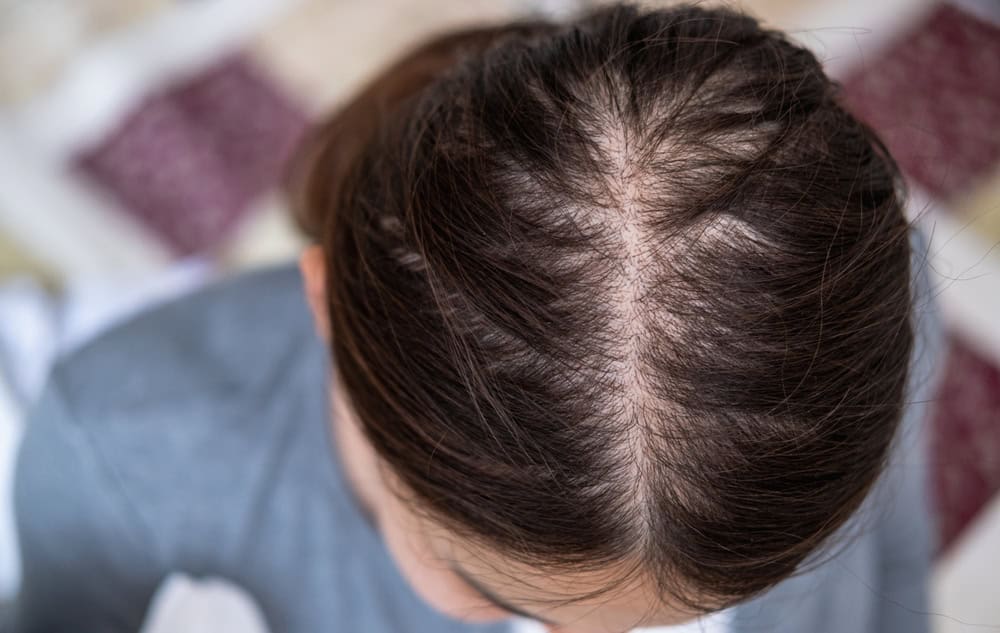
Many women notice their hair thinning before they can pinpoint the exact change. The ponytail seems lighter than before, the part looks a bit wider in the mirror, or more strands show up on the brush after washing. Initially, the change is seldom dramatic, making it easy to overlook for months or even years.
Female pattern hair loss is the most common reason behind this gradual change, and it is more treatable when caught early. Recognizing the first signs, understanding where the thinning typically appears, and knowing what options exist can shift the experience from worrying to manageable.
Understanding How Pattern Hair Loss Affects Women
The condition known as female pattern hair loss is the most common cause of gradual thinning in women, driven by genetics and a sensitivity to hormones called androgens. The defining features include:
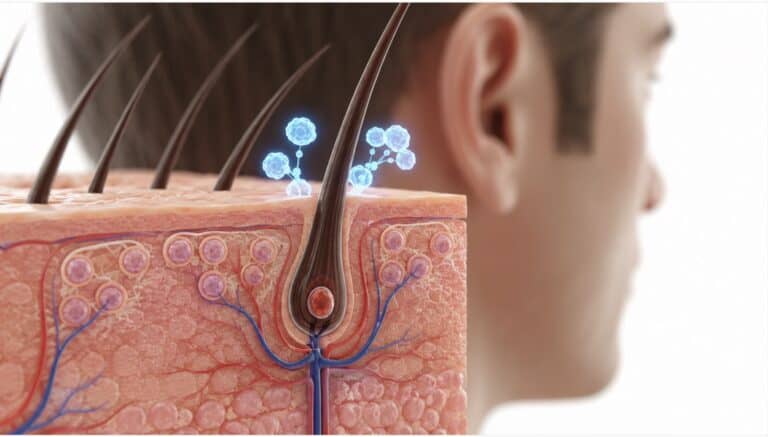
- Follicular miniaturization: Affected follicles slowly shrink and produce shorter, finer hairs over time, so overall density drops gradually.
- Diffuse rather than complete loss: Women rarely lose all their hair, which is why female pattern baldness is generally less severe in presentation than the male version, even when it has progressed.
- Non-scarring: The scalp itself is not damaged, so the follicles remain alive and often retain the ability to respond to treatment.
This biology is what makes early recognition important: the sooner thinning is identified, the more options are usually still on the table.
First Signs Many Women Notice
The first signs of hair thinning are usually subtle and easy to miss. The most common observations include:
- A ponytail that feels noticeably thinner than it used to
- Less overall volume, especially at the top of the head
- More scalp visible through the hair than before
- More shedding than usual when washing or brushing, though shedding alone is not always a sign of pattern hair loss
Since the change occurs gradually, it can be difficult to notice day by day, but comparing photos taken months apart or having an early scalp check helps confirm if real thinning is happening or if the hair is just in a natural shedding phase.
Where the Thinning Shows Up
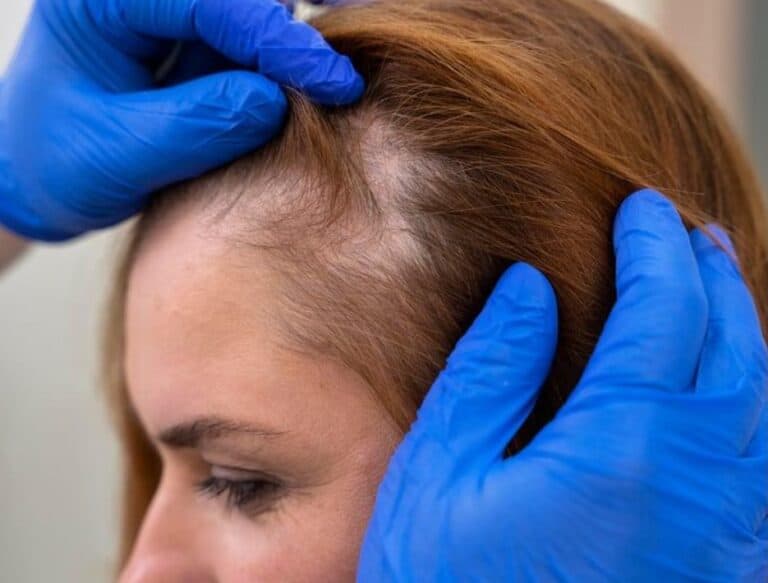
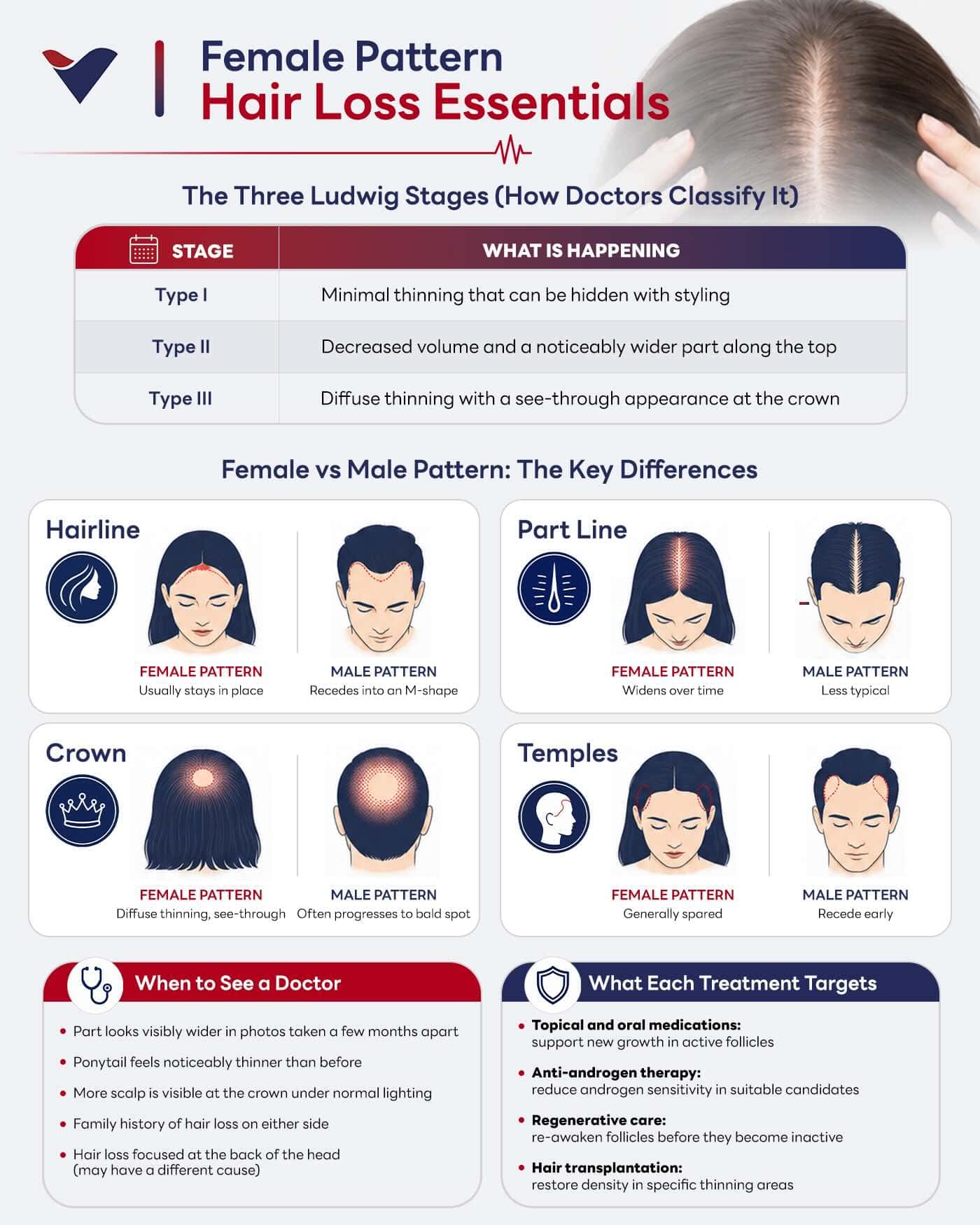
The thinning typically begins along the part line and spreads across the crown and top of the scalp, while the front hairline tends to stay in place. When hair thinning at the front appears in female patients, the change usually shows as a widening part rather than the M-shape men experience.
The sides and back of the scalp are generally spared. This is why hair thinning at the crown is one of the clearest early indicators in female patients. A common question women ask is how to stop hair loss when it appears in unexpected areas. When thinning is concentrated at the back of the head in female patients, the cause is often different from the typical pattern and needs a separate assessment.
Why It Can Start in Your 20s
Female pattern baldness can begin in the 20s, and several factors influence when and how strongly it shows up:
- Family history: The risk is higher when hair loss runs on either side of the family, including the father’s side.
- Hormonal conditions: Polycystic ovary syndrome (PCOS) and thyroid problems can contribute to or accelerate the process.
- Iron and nutrition: Low iron and certain nutritional gaps can cause hair thinning on their own, which is why a doctor often runs blood tests before confirming the diagnosis.
- Other underlying causes: Stress, certain medications, and autoimmune conditions can also play a role and may need to be ruled out.
Addressing the root cause may naturally reduce or halt hair thinning, highlighting the importance of a thorough evaluation prior to treatment.
Treatment Options That May Help
Most treatments aim to slow further loss and support new growth rather than cure the condition, and results generally take several months to become visible. Effective treatment for female pattern hair loss usually combines medical and regenerative care under medical supervision. The main categories include:
- Medical therapies: Topical treatments such as minoxidil may help support new growth, while oral and anti-androgen options are typically reserved for women whose loss is linked to higher androgen activity, all under medical supervision.
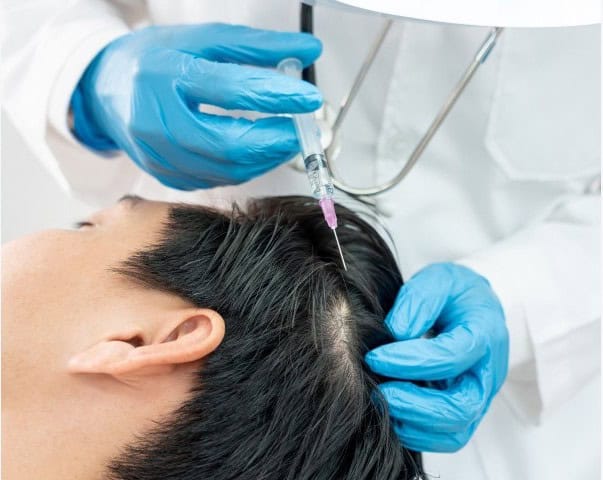
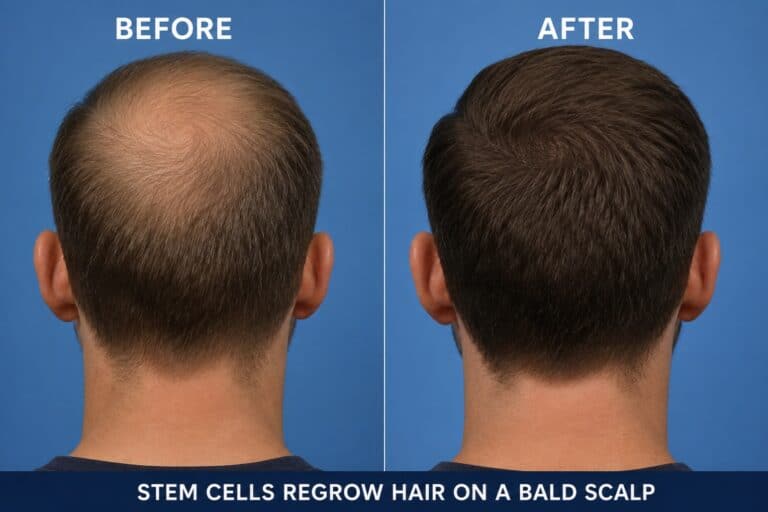
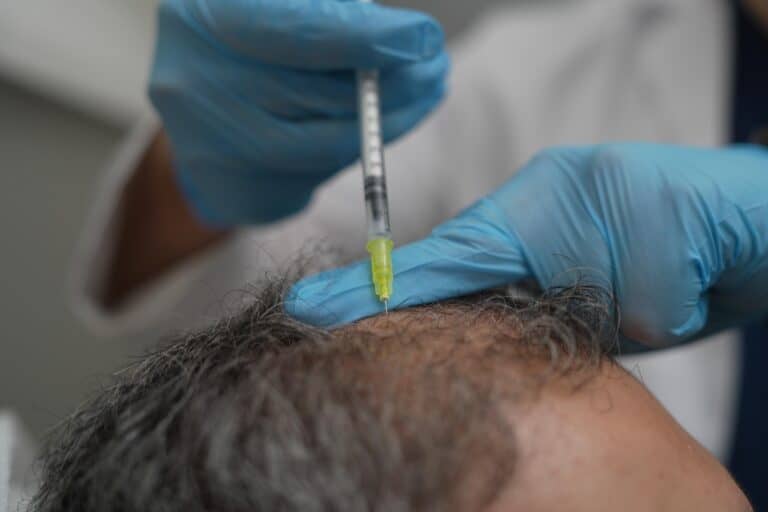
- Regenerative care: Bio-active signaling is used to help re-awaken tired follicles and slow the rate at which density is lost, supporting the follicles that remain active. This approach sits within the broader research area of stem cell therapy for hair loss.
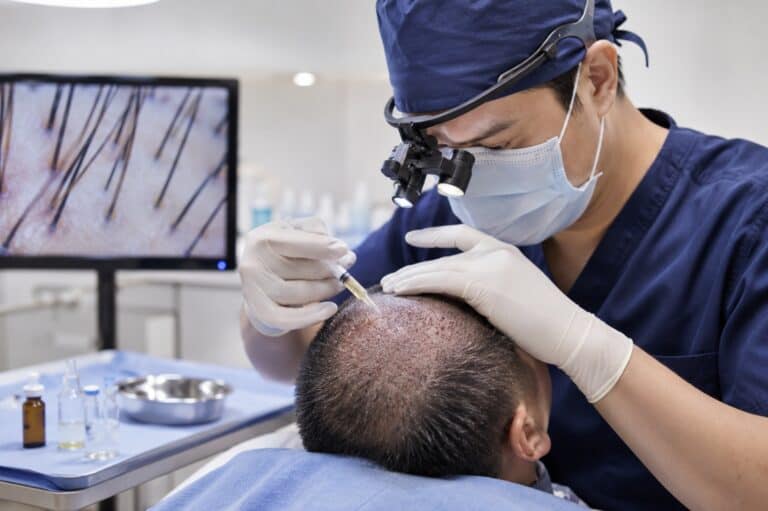
- Hair transplantation: For suitable candidates, healthy follicles from the back and sides of the scalp are relocated into thinning areas. Precision FUE (follicular unit extraction) takes follicles one at a time to reduce tissue trauma and protect long-term donor health, while the strip method, follicular unit transplantation (FUT), can place more grafts in a single session and may suit certain cases.
Depending on the thinning pattern and donor capacity, many women benefit from a combined plan involving transplantation and regenerative support.

Acting Early Gives More Options
Female pattern hair loss responds best when it is identified early, while the affected follicles are still active and capable of growing. Waiting until the pattern is fully established usually narrows the range of treatments that can make a real difference.
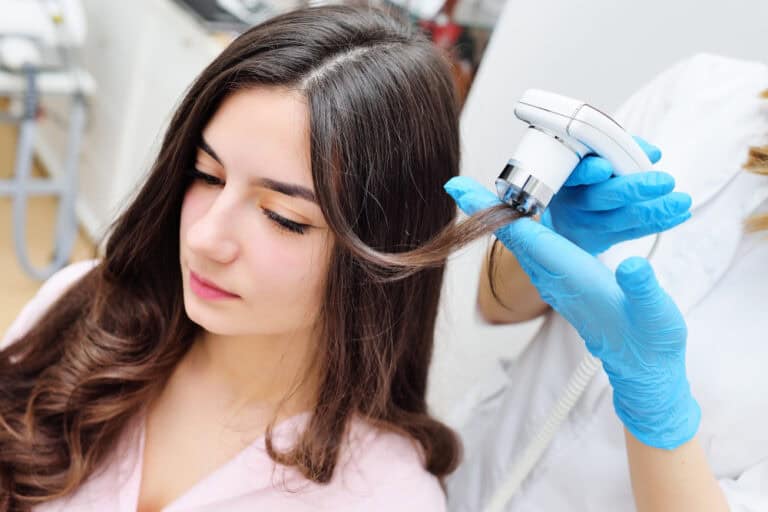
The first step is usually a proper scalp assessment, which can confirm whether thinning has started, rule out other causes, and shape a plan around the individual woman’s hair, hormones, and goals. This kind of structured assessment is the core of how care begins at Vega Derma Clinic, a physician-led hair transplant clinic in Bangkok, where treatment may combine restoration with medical or regenerative support. Doctors and staff fluent in English provide support to international patients during their entire journey.
Taking action early is when the most options are still available. Schedule a consultation now to discover the root cause and initiate a tailored plan.
References:
- Treating Female Pattern Hair Loss. Retrieved 19 June 2026, from https://www.health.harvard.edu/healthy-aging-and-longevity/treating-female-pattern-hair-loss
- Male and Female Pattern Hair Loss. Retrieved 19 June 2026, from https://pmc.ncbi.nlm.nih.gov/articles/PMC12187474/

The Vega Derma Medical Team consists of board-certified dermatologists, specialized trichologists, and clinical researchers based in Bangkok, Thailand. Our team specializes in evidence-based regenerative dermatology, complex tissue repair, and advanced hair restoration (including precision FUE and FSE). Every protocol and article we publish is medically reviewed to ensure it meets international clinical standards, providing safe, science-backed guidance for our local and international patients.