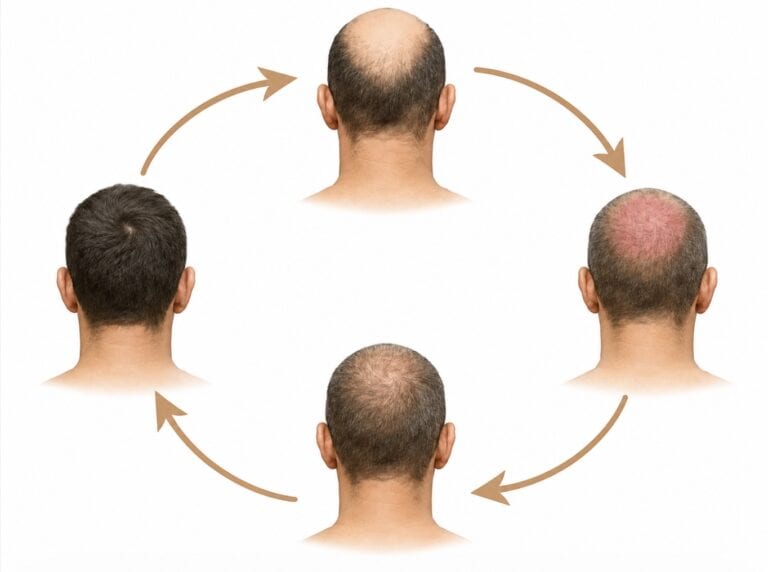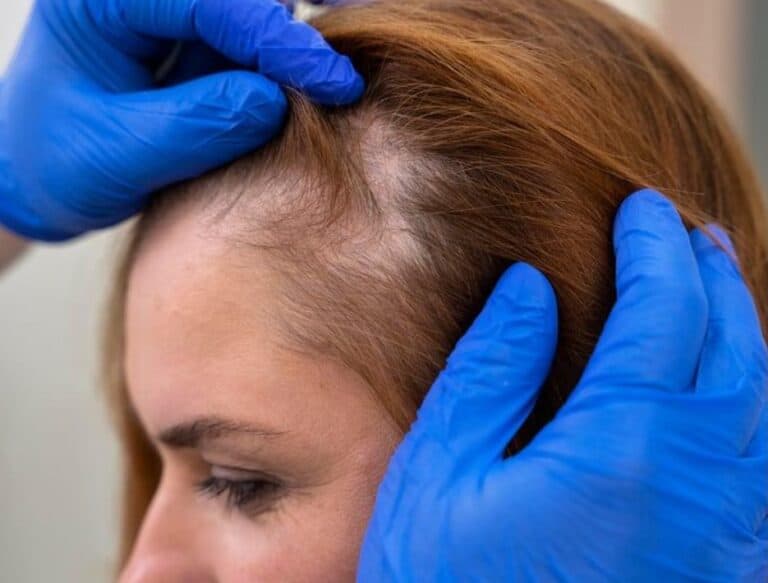

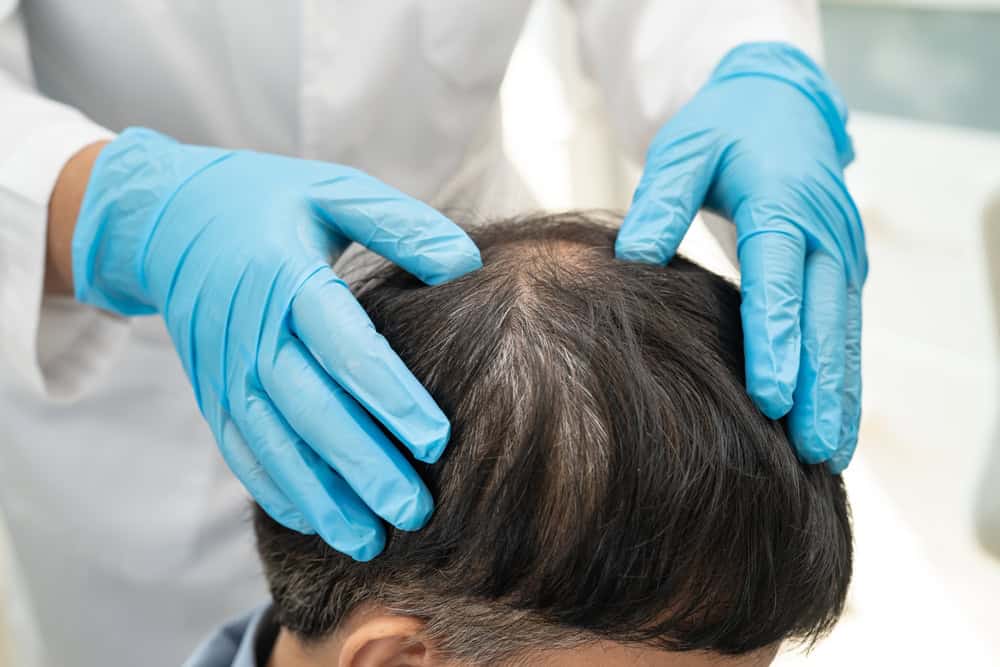
For many patients, the decision to undergo a hair transplant starts long before the actual procedure. The most frequent question that comes up is whether the results will really endure over time. The long-term appearance of transplanted hair depends on several factors: donor hair quality, surgical planning, scalp condition, and continued hair loss.
How Hair Transplants Work
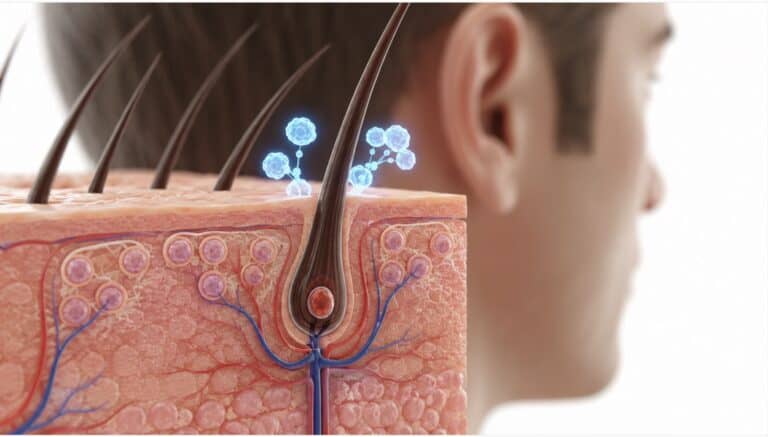
To understand why some transplants last longer than others, it helps to start with how the procedure works. A hair transplant is a precise surgical procedure that relocates healthy hair follicles from a stable area of the scalp into regions affected by thinning. The principles supporting it are well documented:
- Healthy follicles are extracted from the back and sides of the scalp, an area known as the donor zone, and placed into thinning regions.
- Donor hair in this region is naturally more resistant to dihydrotestosterone (DHT), the hormone responsible for pattern hair loss.
- The two main techniques are FUE (Follicular Unit Extraction) and FUT (Follicular Unit Transplantation), both of which rely on the same biological principle of relocating DHT-resistant hair.
- This biological principle, known as donor dominance, is what makes the procedure possible.
Do Hair Transplants Last?
Donor dominance is also why transplanted follicles are considered long-term. Because they carry their resistance to DHT into the recipient area, they may continue to produce hair for many years, often for life, in the same way they would have in the donor zone. The word permanent, however, applies to the transplanted follicles themselves and not to the overall hairstyle. Untreated native hair around the grafts may keep thinning as pattern hair loss advances, gradually altering the appearance of the result. Therefore, a meticulously planned procedure prioritizes the long-term health of the scalp, leading to an overall assessment of the results instead of focusing solely on the newly transplanted grafts.
Can Transplanted Hair Fall Out?
Yes, transplanted hair often sheds in the first weeks after surgery, but this is a normal phase known as shock loss and should not be mistaken for graft failure. The typical pattern is as follows:
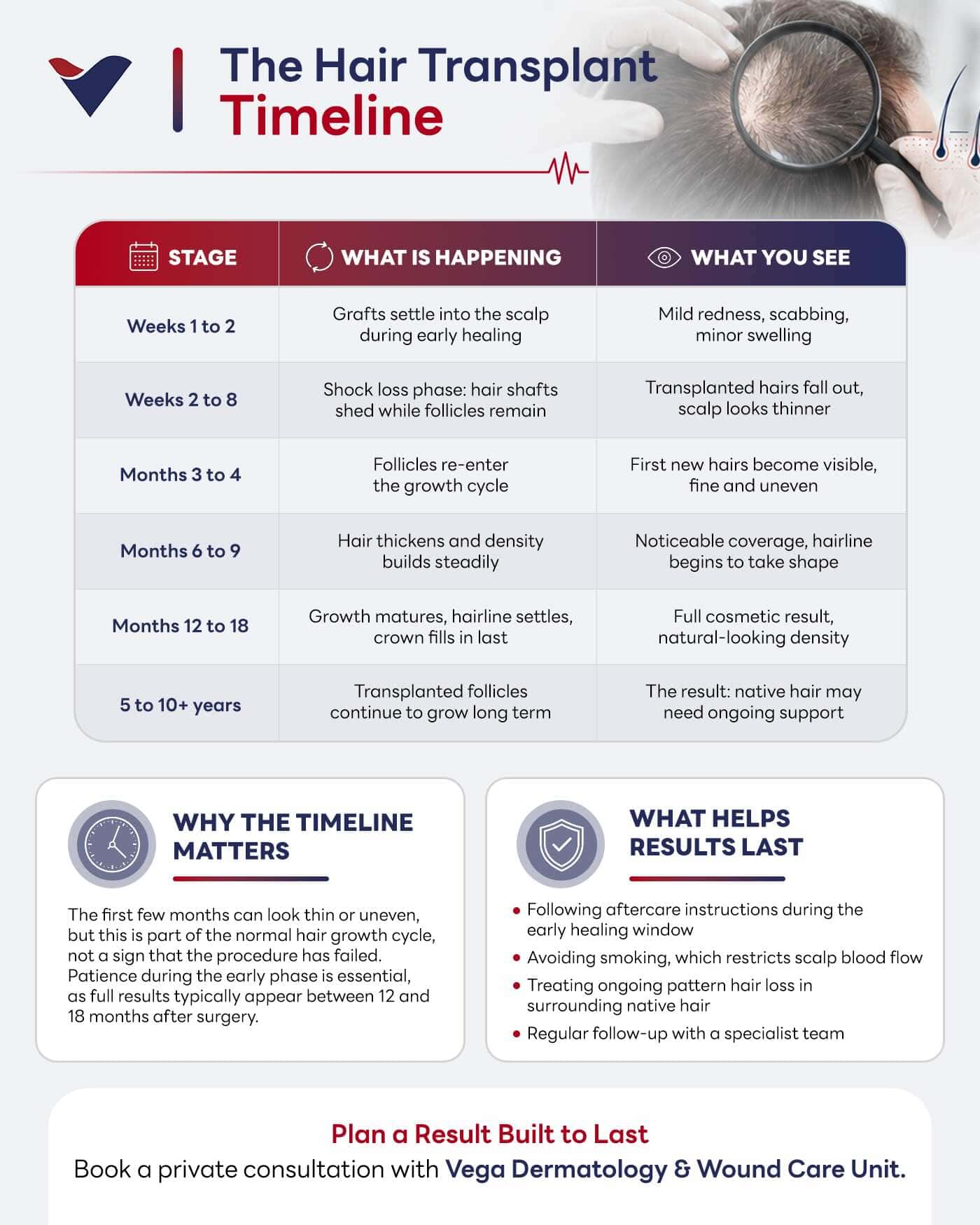
- Shock loss usually begins around 2 to 4 weeks after the procedure and generally completes by week 8.
- The hair shaft falls out, while the follicle remains in place to enter a new growth cycle.
- True graft loss is uncommon and is usually linked to poor graft handling, infection, smoking, scalp trauma, or non-adherence to aftercare instructions.
- Smoking is considered one of the more significant controllable risk factors, as it restricts blood flow to the scalp during the critical early healing window when grafts require oxygen and nutrients the most.
What to Expect at Each Stage of Recovery
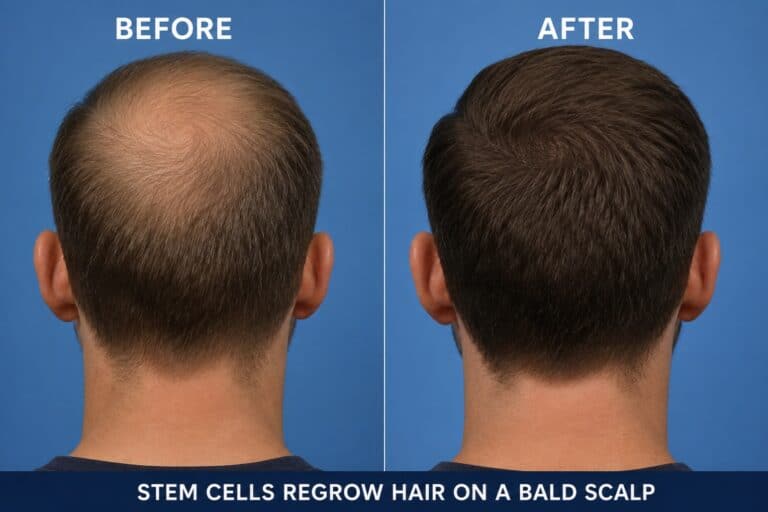
Once the early healing phase is behind them, patients begin to see how the result will actually develop. The first 18 months of growth typically define the visible result, but the longer-term picture is equally important to understand. In the early stages, new hair growth usually becomes visible around month 3 to 4, with noticeable density emerging between months 6 and 9. Full cosmetic results then appear between 12 and 18 months. The hairline tends to mature earlier, while the crown often takes longer to fill in due to its growth pattern.
During this 12 to 18 month window, regrowth can appear uneven, with hair emerging fine before thickening over time. This staggered pattern is part of how transplanted follicles return to the natural hair growth cycle.
What a hair transplant looks like years later depends on how well the original plan accounted for future hair loss. Beyond the first 18 months, transplanted follicles can continue to grow naturally in suitable candidates well past the five- and ten-year marks. Surrounding native hair, however, may continue to thin if pattern hair loss progresses, which is why some patients return for a second session to address new gaps in untreated areas. This reflects an ongoing pattern of hair loss rather than failure of the original procedure.
Factors That Influence How Long Results Last
No two scalps age in the same way, which is why long-term outcomes vary even between patients who have undergone similar procedures. Several clinical factors shape how well a result holds up:
- Age and genetics: Aggressive restoration in younger patients can age poorly as pattern hair loss continues over the decades.
- Donor capacity: The donor zone is a finite resource, so density, hair thickness, hair curl, and careful extraction all influence both the result and the option for future sessions.
- Surgical technique: The way grafts are stored, handled, and placed directly affects graft survival, which is why specialist clinics focus on precision from the outset.
- Scalp health: Smoking, untreated scalp conditions such as inflammation, dandruff, or dermatitis, and overall skin health can all influence how transplanted hair looks years later.
Supporting Long-Term Results Through Combined Care
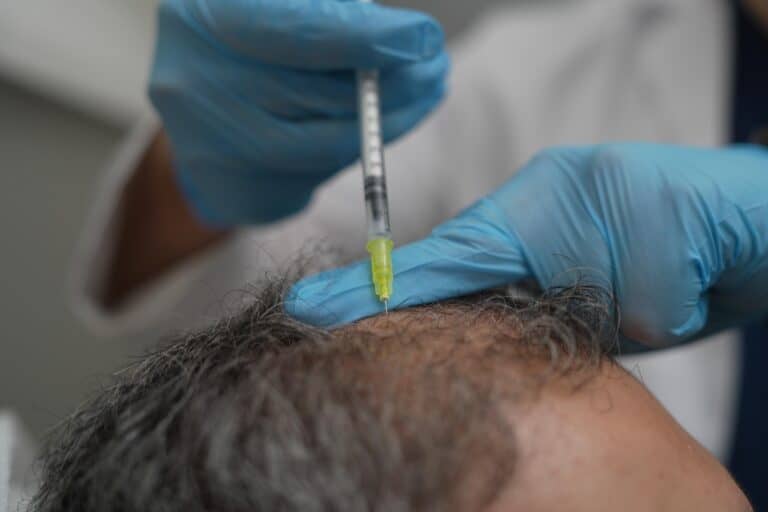
A hair transplant relocates follicles, but it does not address the underlying cause of native hair thinning. For this reason, many patients combine surgery with supportive care under physician guidance, including medical treatments, scalp health programs, or regenerative options such as Follicular Signaling Enhancement (FSE). FSE may be used both as a standalone therapy for early thinning and as a supportive option alongside a transplant, designed to support graft integration and the surrounding scalp. The right combination depends on the individual scalp, donor capacity, and long-term goals.

Smarter Hair Restoration Starts with the Right Plan
Lasting results stem from more than just the procedure and rely on a plan addressing future loss, donor preservation, and scalp health.
At Vega Derma Clinic, a dedicated hair transplantation clinic in Bangkok, every plan is designed by physicians who focus on follicle health, scalp quality, and natural-looking design. For international patients, there is also dedicated support from English-speaking doctors and staff at every step.
Hair restoration is a long-term decision. Plan it with a team that treats it that way. Book a consultation today.
References:
- Is a Hair Transplant Permanent? What to Expect Long Term. Retrieved 18 June 2026, from https://www.healthline.com/health/cosmetic-surgery/is-hair-transplant-permanent

The Vega Derma Medical Team consists of board-certified dermatologists, specialized trichologists, and clinical researchers based in Bangkok, Thailand. Our team specializes in evidence-based regenerative dermatology, complex tissue repair, and advanced hair restoration (including precision FUE and FSE). Every protocol and article we publish is medically reviewed to ensure it meets international clinical standards, providing safe, science-backed guidance for our local and international patients.