
Key Takeaways
- Diabetic wounds heal more slowly in older adults and carry a higher risk of infection and complications.
- Reduced feeling in the feet means wounds often go unnoticed, so early detection is key.
- Knowing how diabetic wounds differ in elderly patients helps families act sooner.
- The main risk factors for diabetic ulcers in older adults include long-term diabetes, poor blood sugar control, nerve damage, and poor circulation.
- With the right, age-adapted diabetic wound care, healing is still very much possible.
For older adults, diabetic wounds tend to heal at a slower pace and present greater dangers compared to those on younger individuals. Healing can be more challenging due to factors like aging, long-term diabetes, poor circulation, nerve damage, thinner skin, and restricted movement. However, slower healing doesn’t make healing impossible. With the right care, including prompt check-ups, effective wound management, and pressure relief, older patients can see significant improvement. This blog explores the age-related variations in wound healing, factors contributing to ulcer risk, and essential considerations for geriatric wound care.
How Diabetic Wounds Differ in Elderly Patients
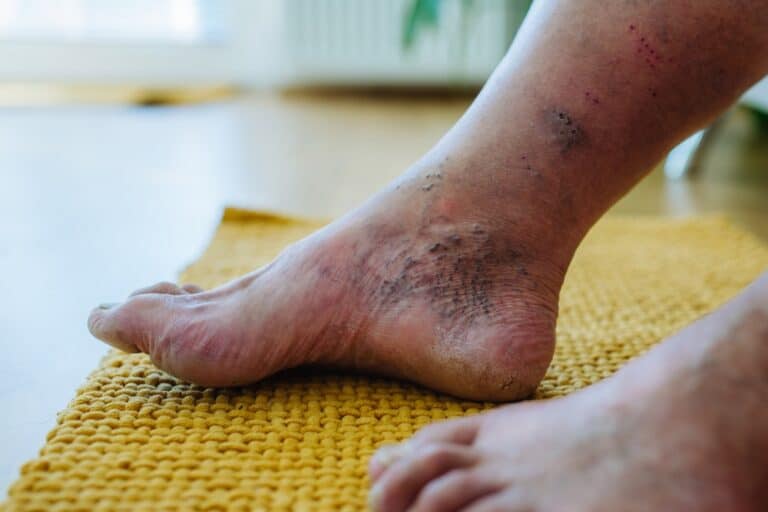
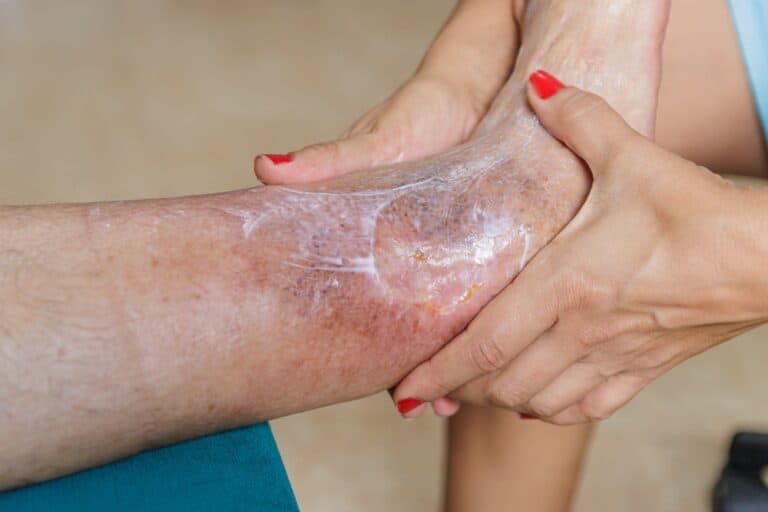
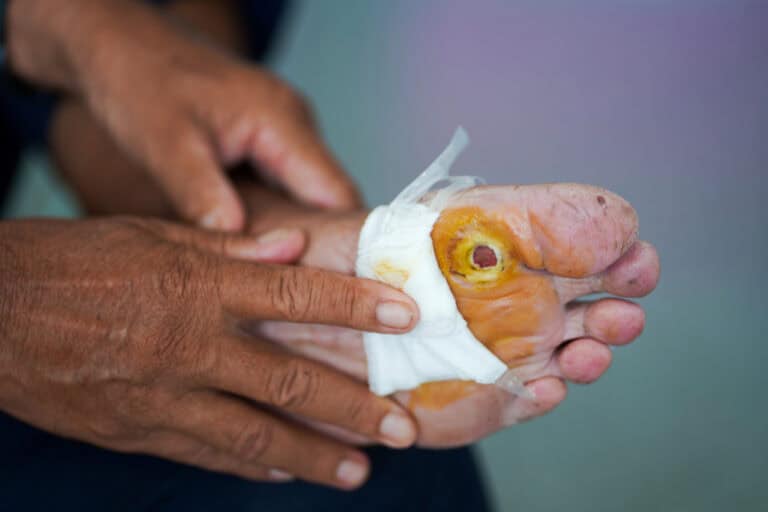
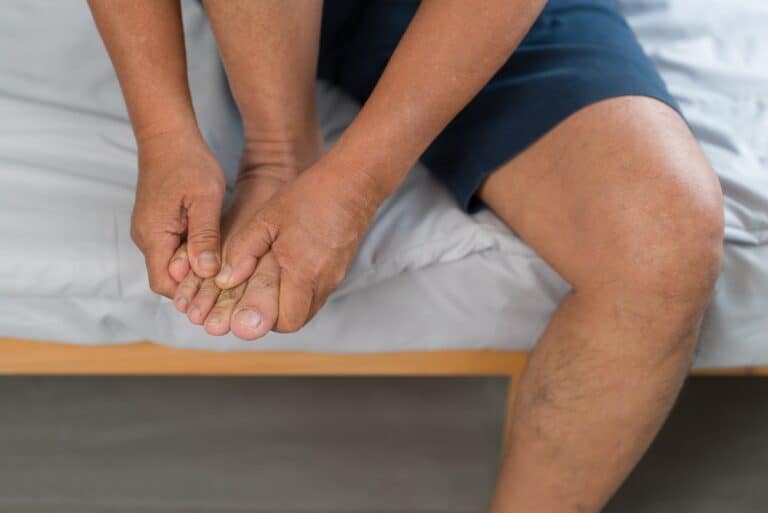
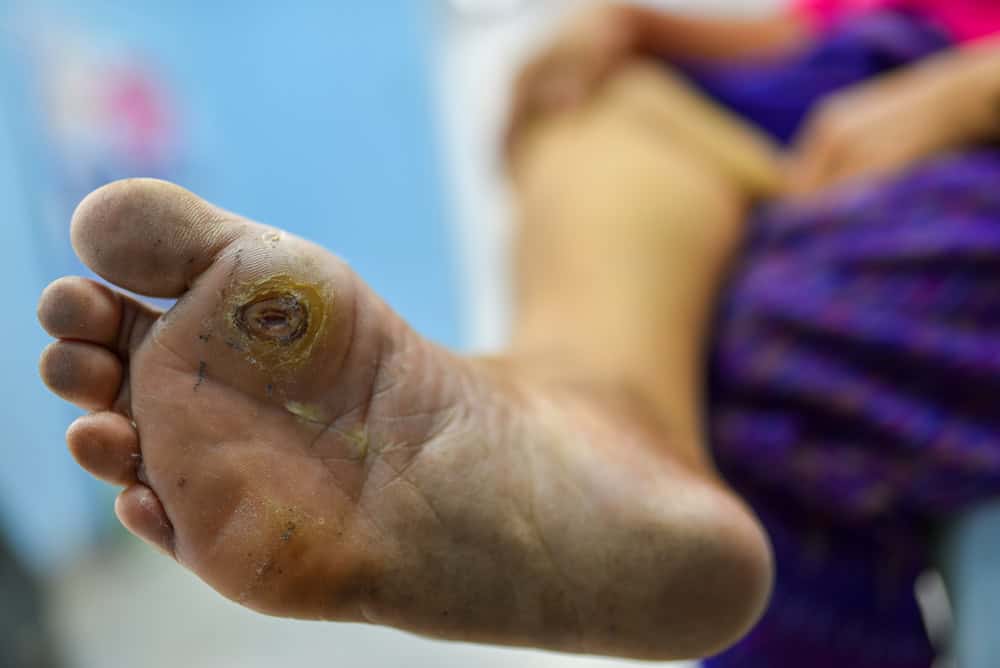
Older adults are more likely to develop several kinds of wounds, including diabetic foot ulcers, pressure sores, and slow-healing leg wounds. These often start from something small, such as friction from a sock or shoe, or dry, cracked skin rubbing over a bony spot. The trouble is that diabetes can reduce feeling in the feet, so the problem may go unnoticed at first. Without feeling friction, a person might continue wearing a shoe, leading to a developing sore on their foot. The wound might go unnoticed until swelling, discharge, odor, or infection appears, as there’s minimal pain to signal it.
A diabetic wound in older individuals has the potential to impact their entire body, extending beyond just the skin. Without treatment, it can result in severe infections, hospitalization, and even amputation. This is why acting early is so important. A wound can deteriorate faster than anticipated when circulation, the immune system, and sensation are already compromised by aging and diabetes.
Risk Factors for Diabetic Ulcers in Older Adults
The risk of developing an ulcer in older adults comes from a mix of factors: the health conditions a person has, their personal circumstances, and the kind of care they receive. These often work together.
Disease and Limb Factors
A few health conditions raise the risk the most. These include having diabetes for many years, blood sugar that is hard to control, nerve damage in the feet, and poor blood flow to the legs. Nerve damage reduces feeling, so small cuts, friction, or burns may go unnoticed. When blood flow is poor, the legs and feet get less oxygen and fewer nutrients, both essential for recovery. When reduced feeling and poor blood flow coexist, even minor wounds may have difficulty healing.
Systemic and Demographic Factors
Age also plays a part. People over 65 tend to have more health conditions overall, and many older adults with diabetic wounds also live with extra weight, high blood pressure, kidney problems, heart disease, leg swelling, or limited movement. Each of these can slow healing and complicate treatment. Smoking is another important factor, as it reduces blood flow and oxygen supply to the skin. Poor eyesight can add risk too, because it makes hard-to-see areas like the heel or the spaces between the toes easy to overlook.
Behavioral and Care Factors
Diabetic wound care extends beyond just the wound. It’s also important to pay attention to daily matters like foot care, appropriate footwear, home support, and access to medical attention. A small issue can become severe if foot checks are missed, shoes don’t fit properly, or treatment for a minor injury is delayed.
Elderly Patients with Diabetic Wounds: Special Considerations
When caring for elderly patients with diabetic wounds, a few special considerations come into play, because older adults often need care that goes beyond the standard approach:
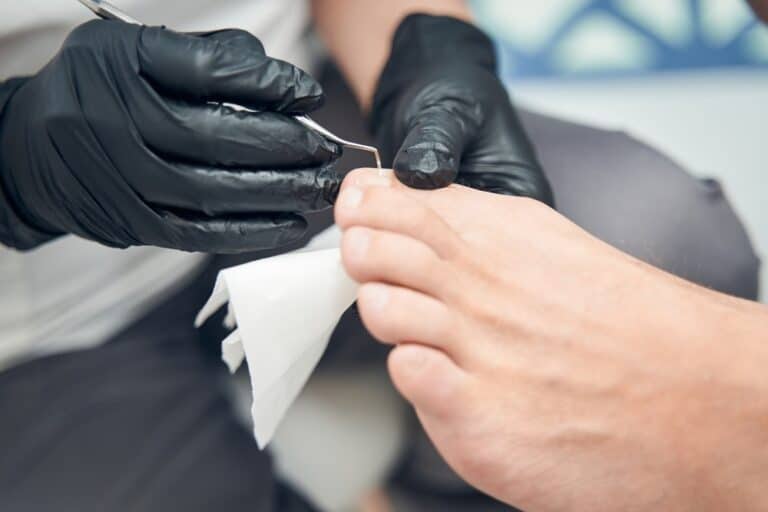
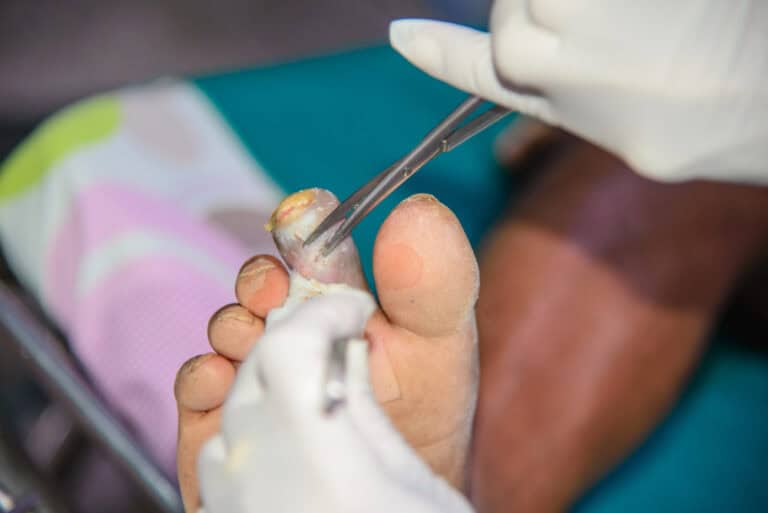
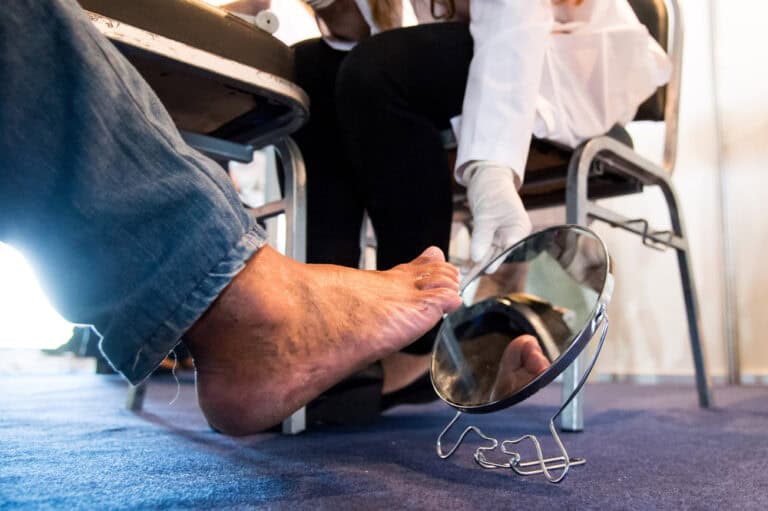
- Start with a full foot check. Care usually begins with a thorough exam of the feet to catch problems early, including areas the patient may not be able to feel or easily see.
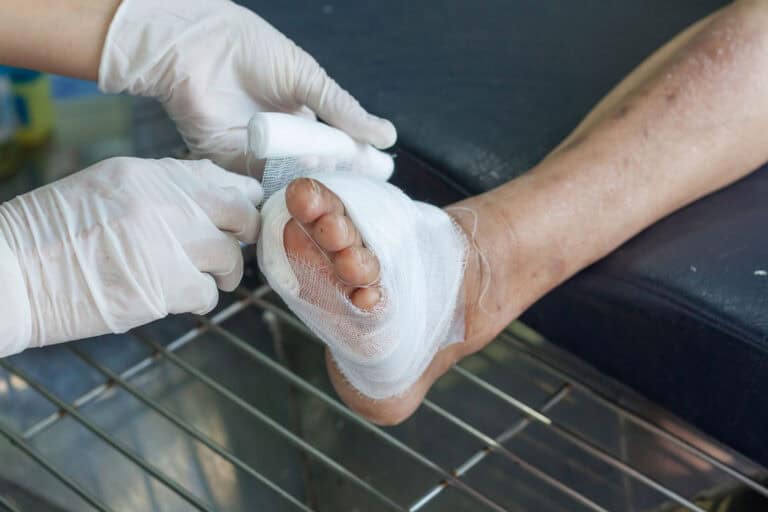
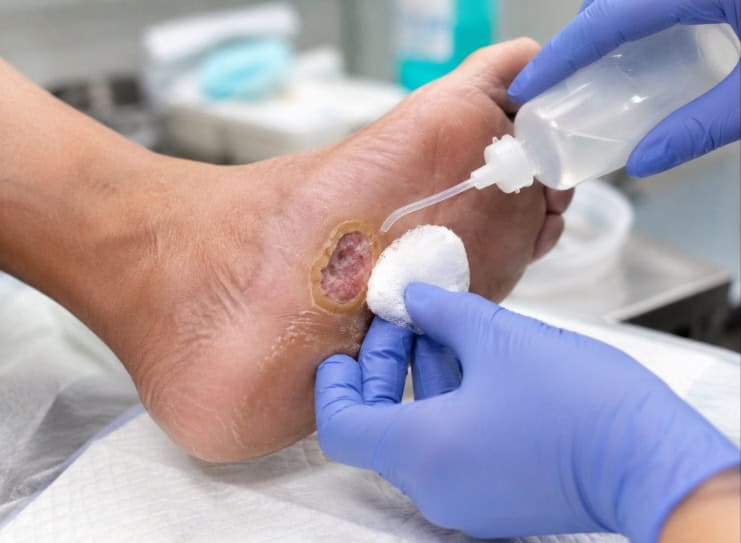
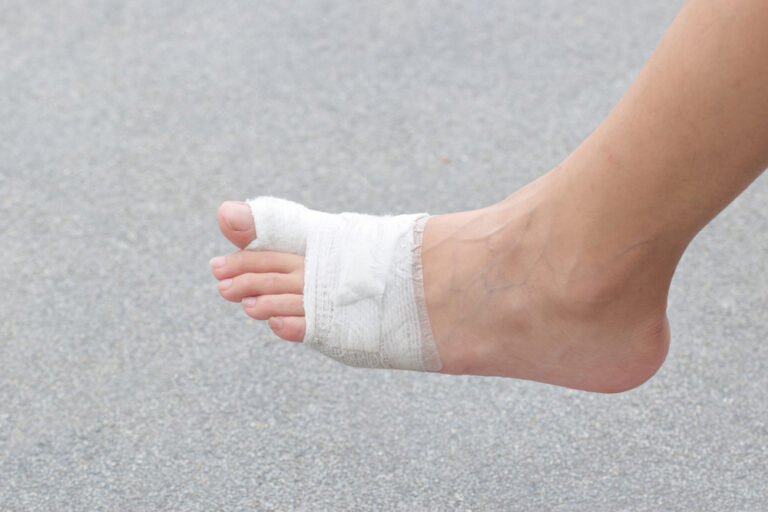
- Keep to the basics of wound care. This means taking pressure off the wound, keeping it at the right moisture level, removing dead tissue, controlling infection, and checking blood flow and blood sugar.
- Adjust care for fragile skin. These steps often need to be gentler for thin skin and for patients who are less mobile or in poorer general health.
- Bring in extra support. Older patients who live alone or have poor eyesight may miss dressing changes or foot checks, so help from family members or home-care services can make a real difference.
- Look after the whole person. Healing also depends on good nutrition, staying hydrated, managing pain, sleeping well, and looking after mental health.
- Consider added treatments when needed. If a wound is slow to heal, options such as special dressings, vacuum-assisted (negative-pressure) therapy, surgery to improve blood flow, or regenerative treatments may be added as part of a complete diabetic foot ulcer treatment plan.
The Direction of Diabetic Wound Care
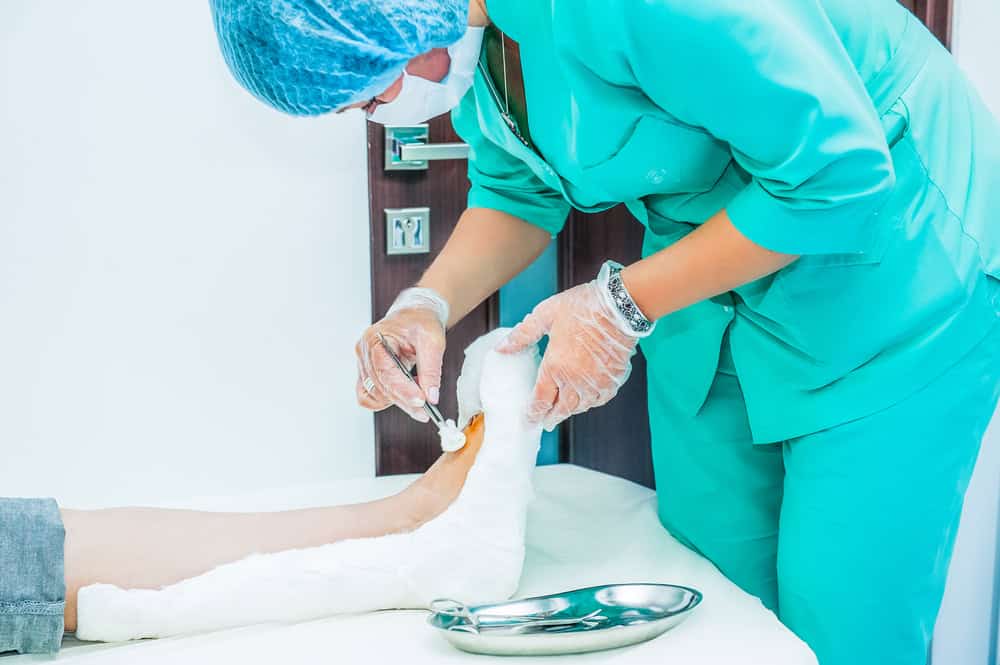
The way diabetic wounds are treated has come a long way, and care today often brings together a team of specialists from different fields. Treatment is matched to the wound itself, taking into account its depth, blood flow, infection risk, and the cause of the pressure. There are also more options than before, from improved methods for assessing wounds and checking circulation to advanced dressings, vacuum-assisted therapy, and regenerative treatments. For older adults, having these choices means a wound that is slow to heal can be approached in more than one way, rather than relying on a single method.
Supporting Better Healing in Older Adults
Diabetic wounds in older adults are more complex than they may first appear, but they are far from hopeless. The key is not to treat a sore on the foot as a small problem that can wait. Catching changes early, knowing who is most at risk, and seeking care suited to an older patient’s needs can make a real difference to how well a wound heals and whether it comes back. With attentive, age-appropriate diabetic wound care, many older patients go on to heal well and stay active.
References:
Healing of Elderly Patients with Diabetic Foot Ulcers, Venous Stasis Ulcers, and Pressure Ulcers. Retrieved on 29 May, 2026 from https://pubmed.ncbi.nlm.nih.gov/12931298/
A Retrospective Cohort Study on Diabetic Foot Disease: Ascertainment of Ulcer Locations by Age Group. Retrieved on 29 May, 2026 from https://www.ncbi.nlm.nih.gov/pmc/articles/PMC9491625/
Diabetic Foot Ulcer. Retrieved on 29 May, 2026 from https://pmc.ncbi.nlm.nih.gov/articles/PMC10723802/
Diabetes – Foot Ulcers. Retrieved 29 May, 2026 from https://medlineplus.gov/ency/patientinstructions/000077.htm
If you or a loved one is managing a diabetic foot wound, speak with the team at Vega Derma Clinic for a private, specialist-led review and a personalized treatment plan.
Frequently Asked Questions About Diabetic Wounds in Elderly Patients
Q: How do diabetic wounds differ in elderly patients compared with younger adults?
A: In older adults, diabetic wounds tend to heal more slowly and carry more risk, because aging, long-term diabetes, poor blood flow, nerve damage, and thinner skin often happen together. These wounds can also go unnoticed at first, since diabetes can reduce feeling in the feet, letting a problem grow before anyone notices it.
Q: What are the main risk factors for diabetic ulcers in older adults?
A: The biggest risks are having diabetes for many years, blood sugar that is hard to control, nerve damage in the feet, and poor blood flow to the legs. Older age, extra weight, high blood pressure, kidney problems, smoking, poor eyesight, shoes that do not fit well, and putting off care can all make a wound more likely to form or get worse.
Q: When should an older adult seek diabetic wound care for a foot wound?
A: Any open sore, blister, or break in the skin on a diabetic foot should be checked by a professional soon, even if it looks small or does not hurt. A wound that is not improving, getting bigger, leaking fluid, giving off an odor, or coming with a fever needs prompt medical attention.
Q: Can diabetic wounds in elderly patients still heal?
A: Yes. Healing is often slower in older adults, but many wounds can still close with the right, age-adapted care. An early check-up, keeping infection under control, taking pressure off the wound, and a personalized diabetic foot ulcer treatment plan all help improve the chances of healing.

The Vega Derma Medical Team consists of board-certified dermatologists, specialized trichologists, and clinical researchers based in Bangkok, Thailand. Our team specializes in evidence-based regenerative dermatology, complex tissue repair, and advanced hair restoration (including precision FUE and FSE). Every protocol and article we publish is medically reviewed to ensure it meets international clinical standards, providing safe, science-backed guidance for our local and international patients.