
Thailand has become one of the most popular destinations for regenerative treatments, and cell-based therapies are a growing part of that picture. Popularity, however, does not automatically mean safety. The quality gap between providers is wide, and the standards that shape patient outcomes vary considerably from clinic to clinic.
What Is Stem Cell Therapy
Stem cells are cells with the ability to develop into different types of specialized cells, which is what sets them apart from ordinary body cells with fixed functions. Stem cell therapy uses these properties in medicine to support tissue repair or influence how surrounding cells behave. The term covers a wide range of applications, from established treatments for blood cancers to newer aesthetic and orthopedic uses, and evidence levels vary significantly across those applications.
Why People Choose Thailand for Stem Cell Therapy
Thailand’s medical infrastructure, lower treatment costs compared to Western countries, and established reputation for medical tourism make it a common destination for patients exploring regenerative options. For patients considering stem cell therapy in Bangkok and other major cities, many hospitals and private clinics operate at internationally accredited standards, with English-speaking physicians and dedicated support for international patients. The city’s medical tourism infrastructure also includes patient coordinators and structured follow-up options for patients travelling from abroad.
The range in quality is significant, however. Whether Thailand is good for stem cell therapy depends almost entirely on which provider a patient chooses.
What Are the Actual Risks
No medical treatment is entirely risk-free, and cell-based therapies are no exception. If you are wondering are there any risks of using stem cells, the answer is yes, in every protocol. The most commonly reported concerns include:
- Infection at the injection or treatment site
- Unwanted immune reactions to administered cells
- Unpredictable cell behavior, meaning that cells may not integrate, activate, or perform as the protocol intends
- Delayed or reduced response when patient suitability has not been properly assessed
Risk increases significantly when clinical standards are inadequate. This includes uncontrolled cell sourcing and processing, treatment delivered outside of standardized protocols, and skipping suitability assessment before therapy begins. Most cell-based therapies for aesthetic or anti-aging purposes have not received formal regulatory approval from major bodies such as the US FDA. This does not mean every treatment is unsafe, but it does mean the burden of evaluating safety sits more heavily with the patient and the clinic they choose. Ultimately, whether stem cell therapy is safe in Thailand comes down to the specific clinic, not the country.
How to Evaluate a Provider in Thailand
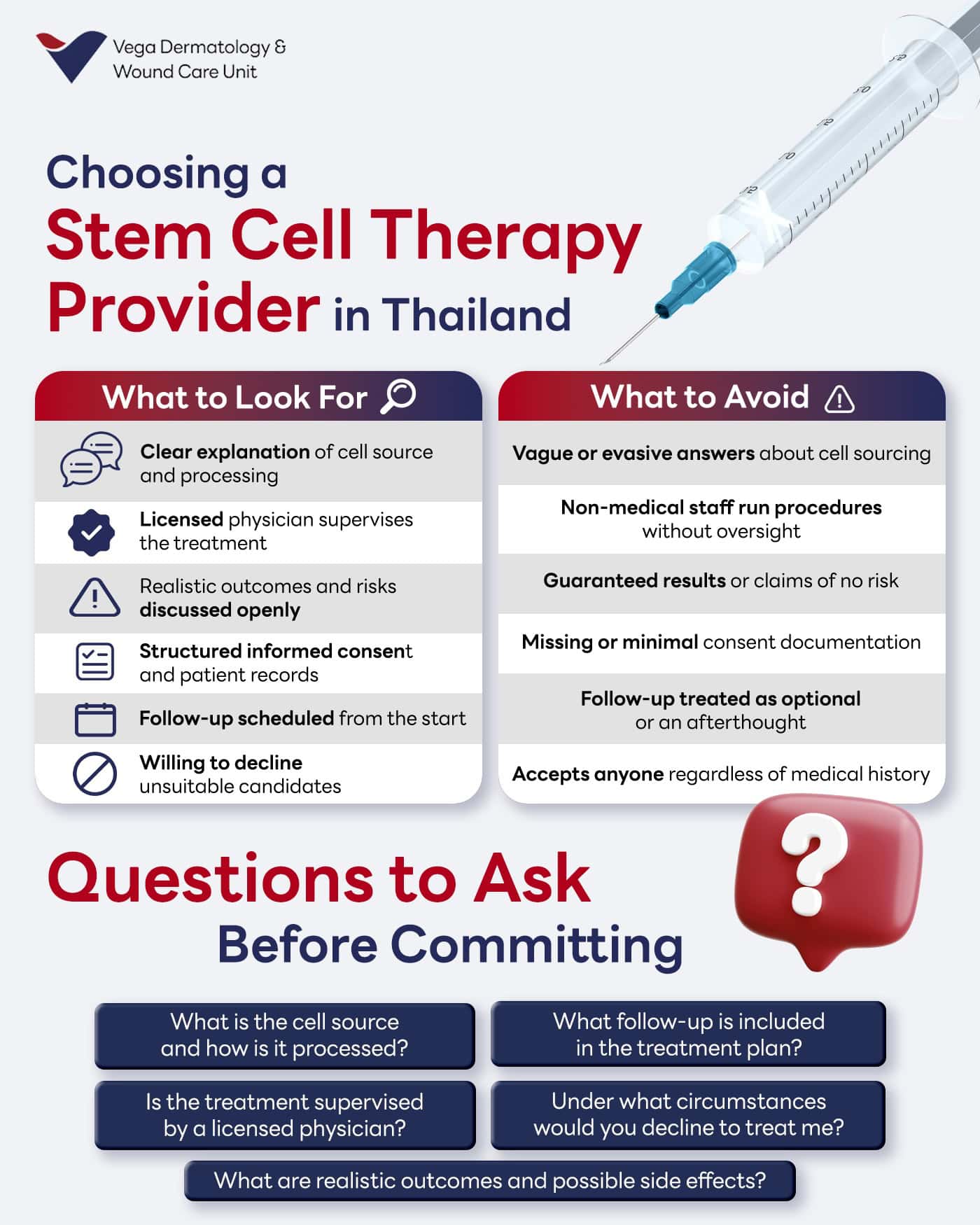
Not all clinics offering cell-based therapies operate to the same standard. A few practical checks help separate proper regenerative practice from marketing-led facilities:
- The clinic clearly explains what cell source is being used, where it comes from, and how it is processed
- Treatment is supervised by a licensed physician, not delegated entirely to non-medical staff
- The provider discusses realistic outcomes and potential risks openly, not only the benefits
- Patient records, follow-up protocols, and proper informed consent are standard practice
- A structured follow-up schedule is part of the plan from the start, not an afterthought
Warning signs include clinics that guarantee specific results, promote treatments as a cure-all for unrelated conditions, or fail to provide clear answers about cell sourcing and compliance. A facility unwilling to discuss why a particular patient might not be a candidate reveals a great deal about its internal standards. Transparency on these points is not a marketing preference, but the essential foundation for informed consent.
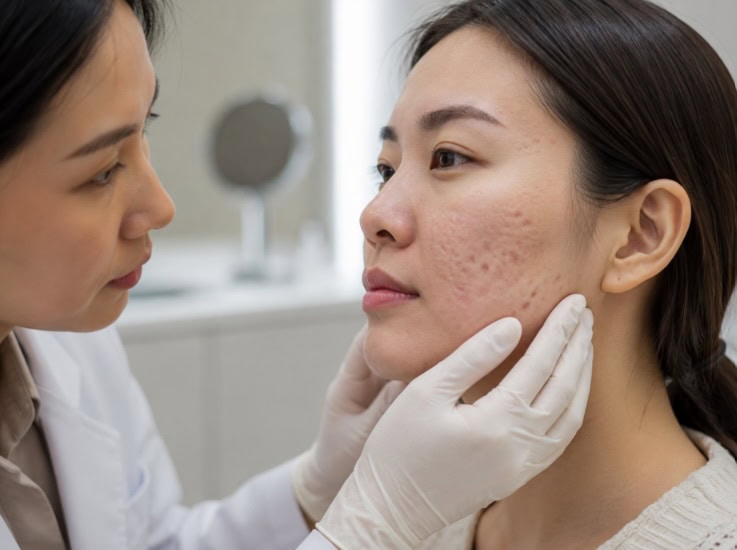
Beyond these initial conversations, verifying a clinic’s medical license and the credentials of its treating physicians is a crucial step before booking. Understanding what standard clinical practice looks like ultimately equips patients to ask the right questions and evaluate potential providers with confidence.
What Treatment Actually Involves
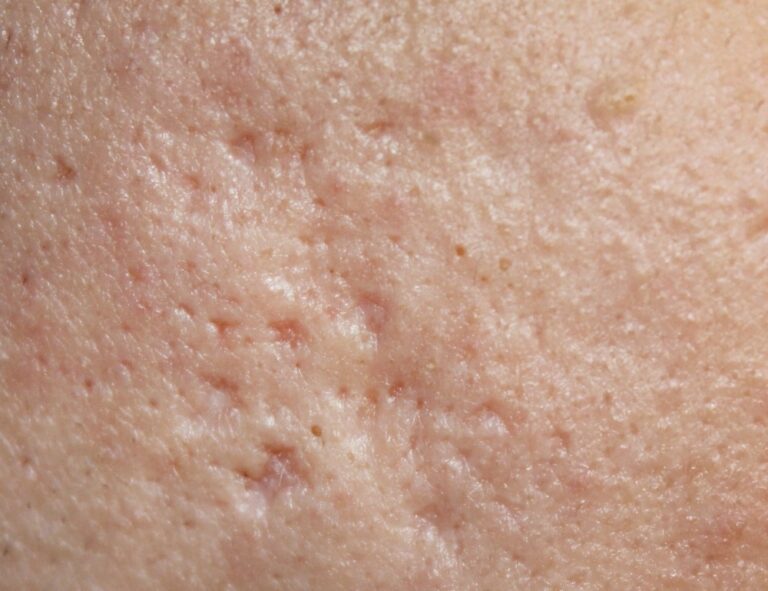
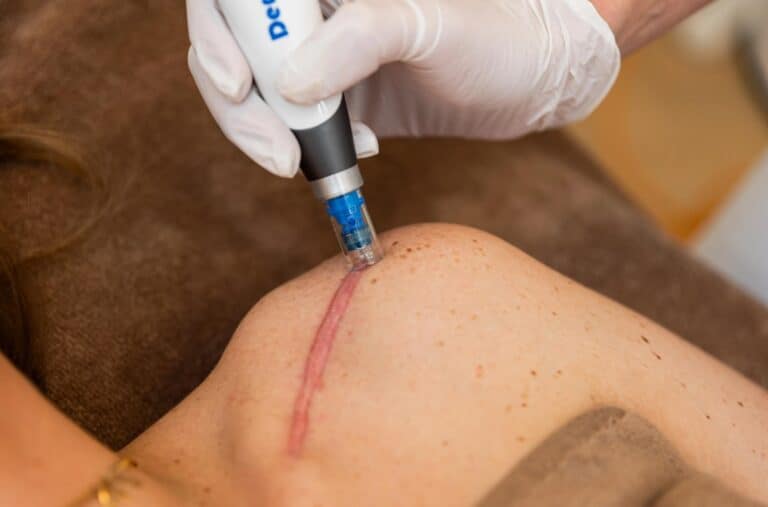
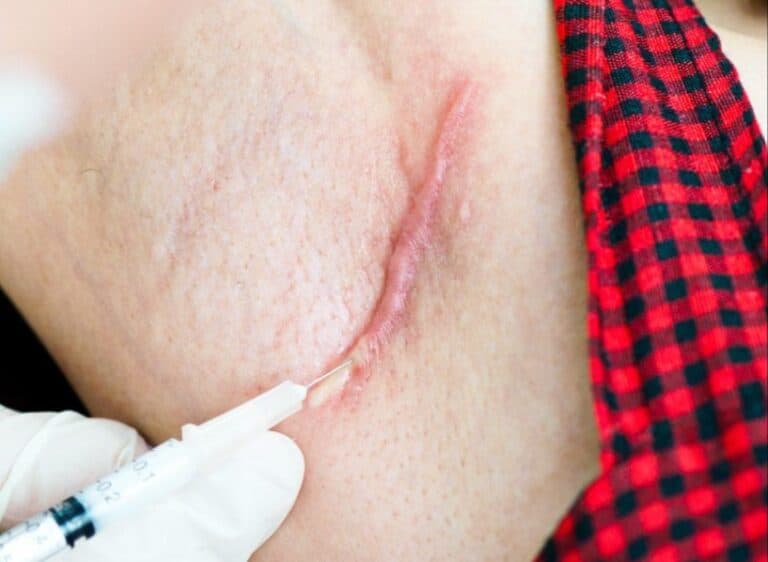
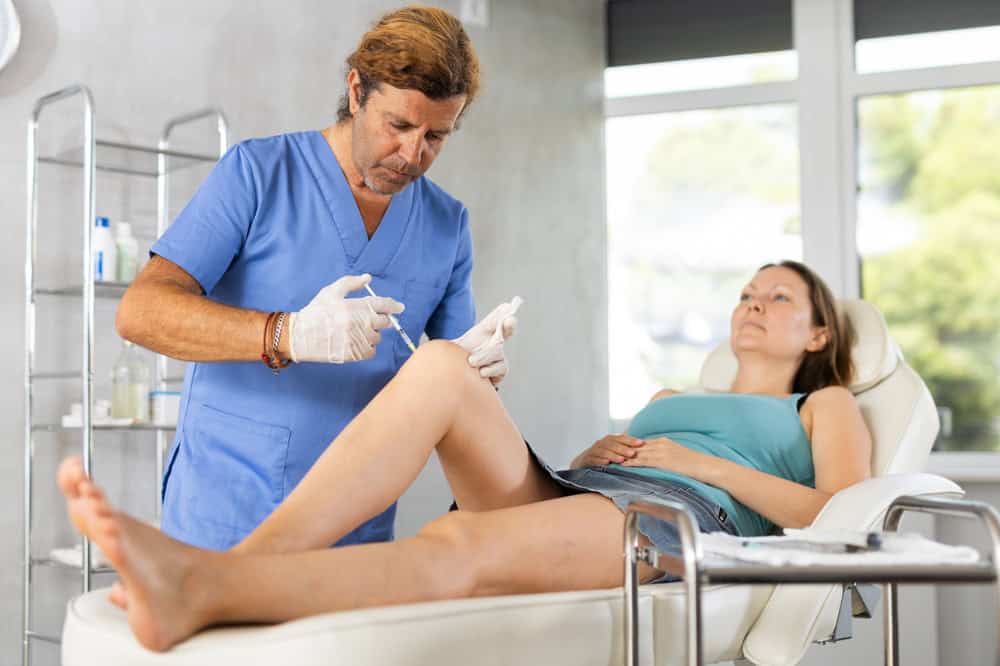
Treatment protocols vary. Some involve harvesting cells from the patient’s own tissue, processing them under sterile conditions, and reintroducing them to the target area. Others use donor-sourced or cell-derived products such as growth factor preparations. Delivery methods range from injection to topical application combined with microneedling, depending on the protocol and the area being treated.
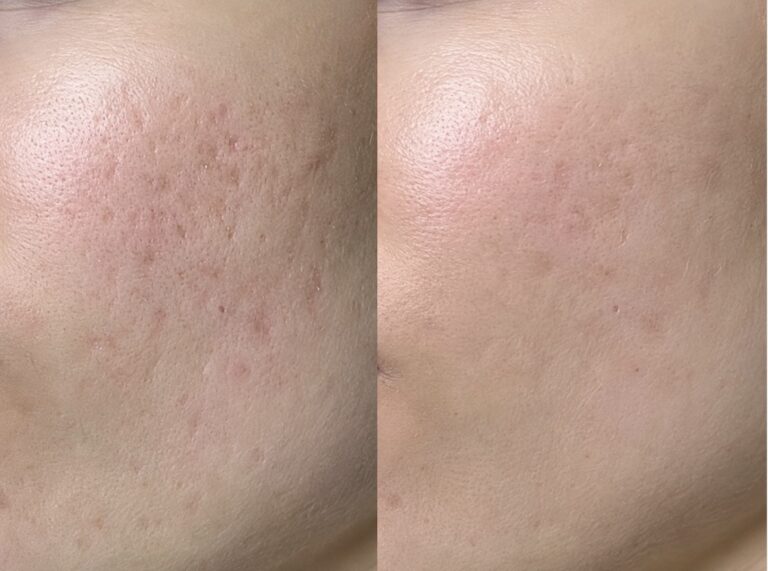
Recovery is typically mild for most protocols, with some redness, swelling, or tenderness at the treatment site that generally settles within the first few days. Visible results are not immediate. Most patients notice changes gradually over weeks to months, and some protocols require more than one session to complete a full course. The number of sessions depends on the protocol, the tissue being treated, and how the individual patient responds during early follow-up. Some protocols are delivered in a single session; others involve two or three sessions spaced weeks apart.
Not everyone is a suitable candidate. Age, existing medical conditions, current medications, immune status, and the specific condition being treated all influence whether a regenerative approach is appropriate. Certain autoimmune conditions, active infections, or specific medication regimens may rule out a given protocol until those factors are addressed or stabilized under medical care. In some cases, a course of pre-treatment blood work or specialist review is required before candidacy can be confirmed.

Regenerative Care Grounded in Clinical Standards
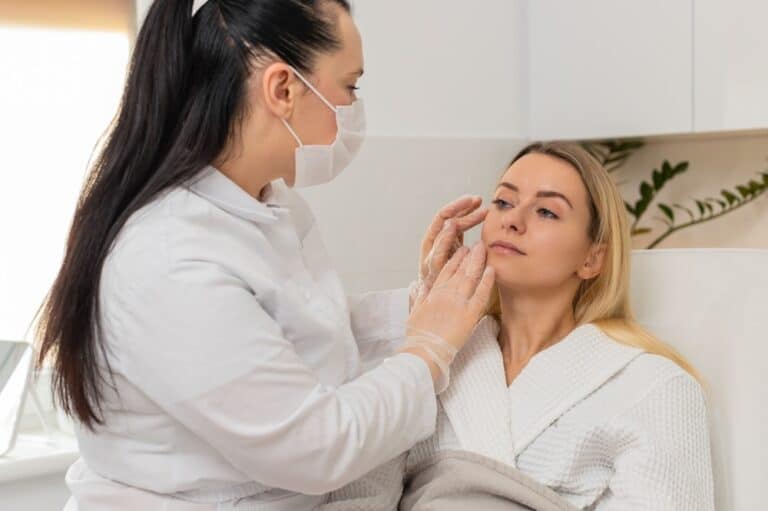
At Vega Dermatology & Wound Care Unit in Bangkok, cell-based therapies are offered within a broader practice that combines dermatology, wound care, and regenerative medicine. This means the treating team understands not just the protocol itself but the underlying tissue biology, healing dynamics, and skin or vascular conditions that shape how it performs on the individual patient.
Protocols at the Vega Stem Cell Clinic draw on this combined expertise, with treatment planning shaped by the individual case rather than a fixed menu. The approach centers on proper assessment, a transparent process, and an honest outcome discussion. Whether stem cell therapy is safe in Thailand for a given patient depends less on the country and more on choosing a clinic that treats these standards as the baseline.
Suitability for regenerative treatment is decided case by case. Book a consultation today with the clinical team at Vega Dermatology & Wound Care Unit to review yours.
References:
- A Comprehensive Analysis of Reported Adverse Events in Patients Receiving Unproven Stem Cell-Based Interventions. Retrieved 26 August 2026, from https://www.ncbi.nlm.nih.gov/pmc/articles/PMC6127222/
- Safety of Cell Therapy with Mesenchymal Stromal Cells (SafeCell): A Systematic Review and Meta-Analysis of Clinical Trials. Retrieved 26 August 2026, from https://pmc.ncbi.nlm.nih.gov/articles/PMC3485008/

The Vega Derma Medical Team consists of board-certified dermatologists, specialized trichologists, and clinical researchers based in Bangkok, Thailand. Our team specializes in evidence-based regenerative dermatology, complex tissue repair, and advanced hair restoration (including precision FUE and FSE). Every protocol and article we publish is medically reviewed to ensure it meets international clinical standards, providing safe, science-backed guidance for our local and international patients.