
Acne scarring is one of the most common skin concerns, but also one of the most misunderstood. Many people spend months using home remedies, brightening products, or exfoliating treatments hoping their skin will recover without clinical intervention. Sometimes, a noticeable improvement does occur. In other cases, the marks do not respond because the underlying issue goes deeper than surface discoloration. The key to effective natural acne scar removal is understanding the difference between marks that may fade on their own and scars that require a more targeted approach.
Not All Acne Marks Are the Same
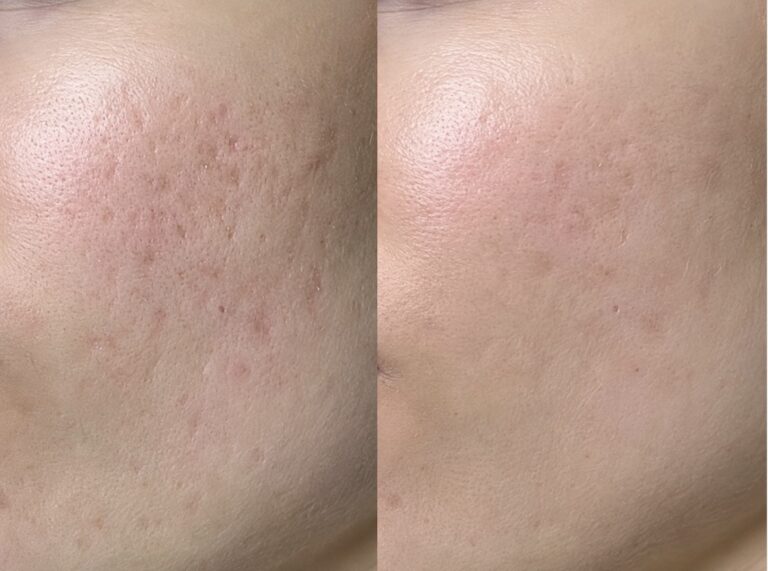
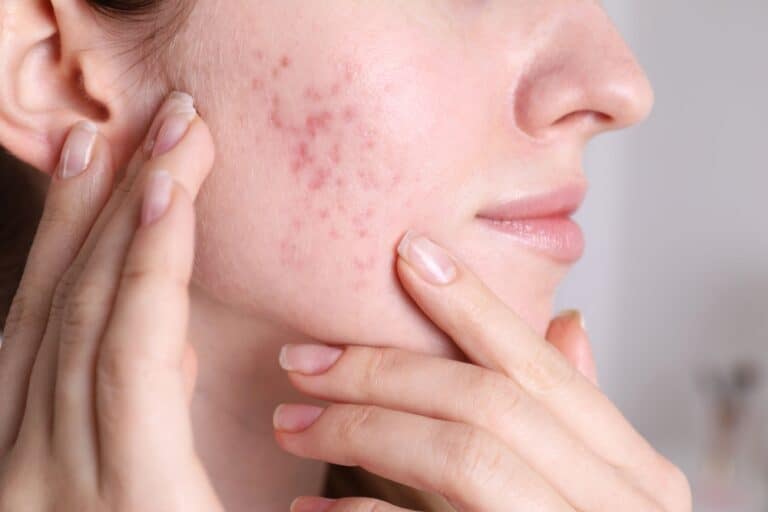
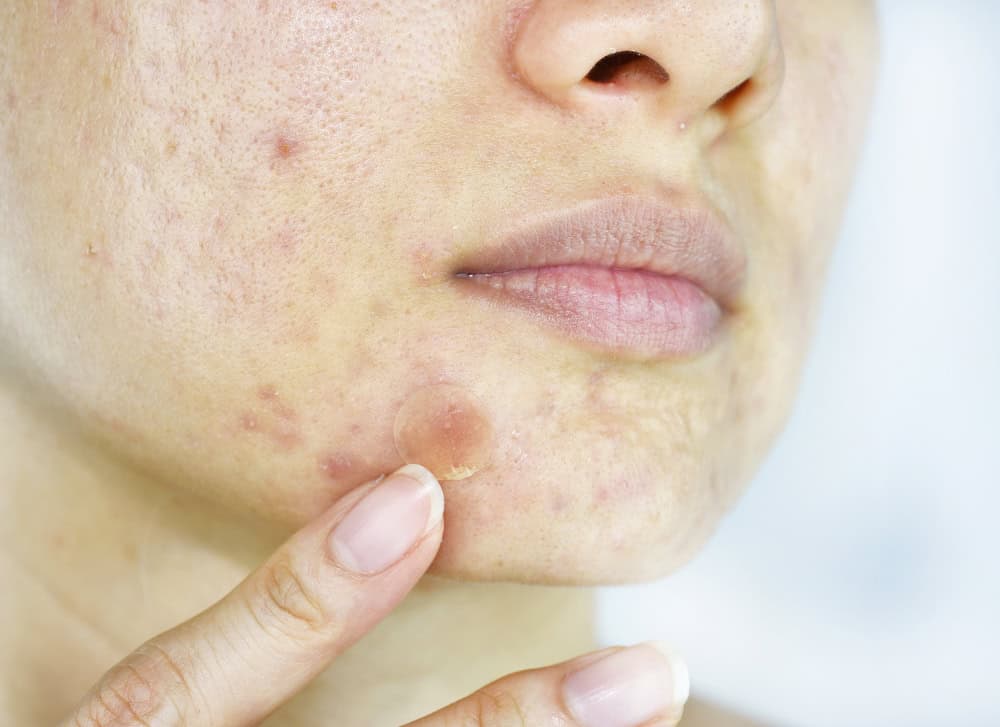
Many people refer to any mark left by acne as a scar, but there are important distinctions. The most common type is dark or brown flat spots that appear after a breakout, known as post-inflammatory hyperpigmentation. These result from the skin’s inflammatory response triggering excess melanin production and are common across all skin tones, though they tend to be more visible in medium to deeper complexions.
Another frequent type is flat pink or red marks, called post-inflammatory erythema, where small surface blood vessels persist after inflammation settles. These appear more often in lighter skin types and usually resolve gradually as the skin calms.
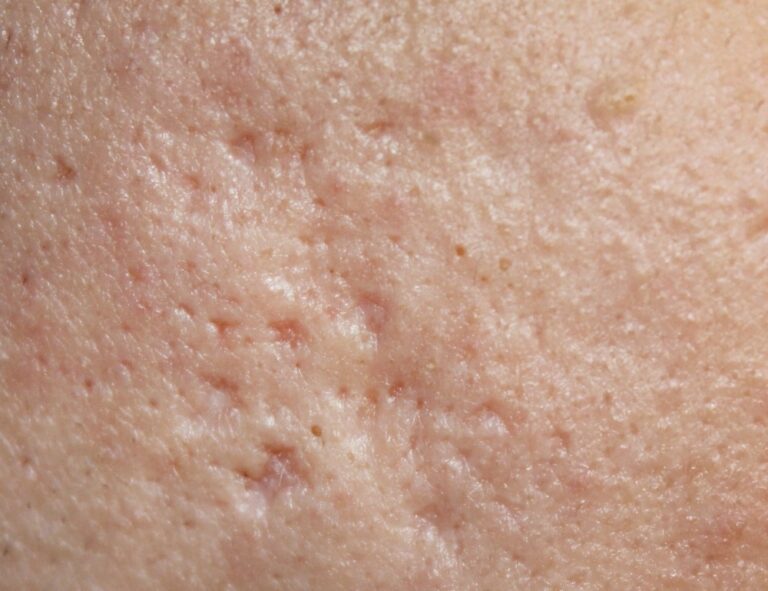
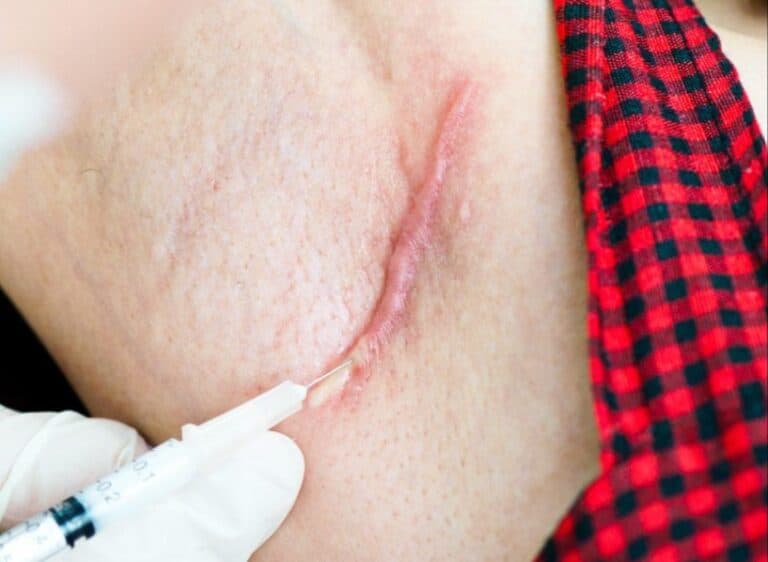
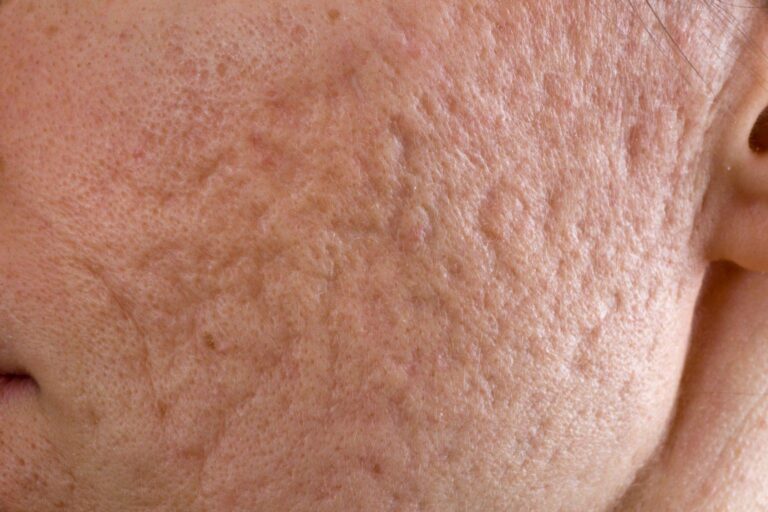
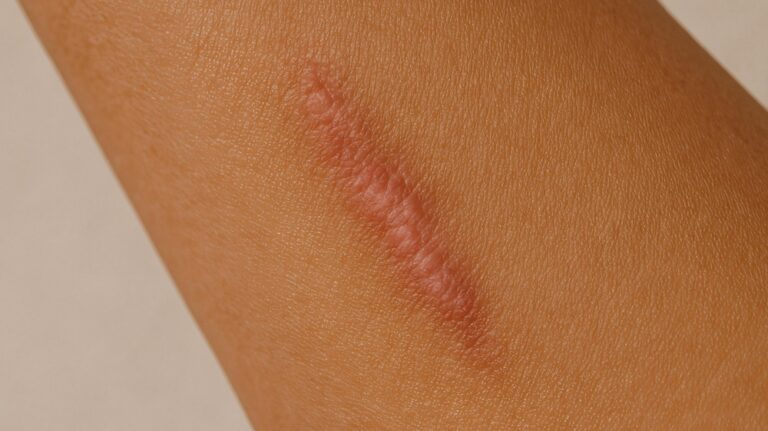
Beyond these surface-level changes, true acne scars are structural. They form when acne damages deeper skin layers and the body either underproduces or overproduces collagen during repair. Pitted scars, including ice pick, boxcar, and rolling types, result from collagen loss beneath the surface, while hypertrophic or keloid scars occur when the skin overproduces scar tissue. This distinction matters because pigment changes and redness can fade over time, but structural scars typically require focused treatment. Identifying which type of mark is present is the key first step in determining whether conservative skincare is sufficient or whether clinical evaluation is needed.
Can Acne Scars Go Away Naturally?
Some post-acne marks may gradually improve without clinical intervention. Flat pigmented spots are the most likely to fade over several months, especially with consistent sun protection and gentle skincare. If the primary concern is superficial discoloration, skin tone may become more even as inflammation resolves and melanin distribution normalizes.
Mild textural irregularities may also show modest improvement over time, particularly in younger individuals with active collagen turnover. Deeper atrophic scars, however, rarely resolve without intervention. The structural damage that creates pitted or depressed scars typically requires a more intensive remodeling approach than home-based care can provide.
Natural acne scar removal strategies may improve skin tone, surface smoothness, and overall skin quality, contributing to a more even complexion when the primary concern is surface-level. However, they are not effective at rebuilding lost tissue or flattening raised scars. Setting realistic expectations early helps prevent prolonged frustration and unnecessary costs.
What Helps at Home?
Daily sun protection is the single most important step when working to fade post-acne marks. UV exposure can darken pigmentation, extend the time marks take to fade, and reduce the effectiveness of topical treatments. Consistent use of a broad-spectrum sunscreen every morning is essential to see results.
Several skincare ingredients may help improve marks over time:
- Niacinamide supports skin barrier function and helps even skin tone
- Azelaic acid targets post-inflammatory hyperpigmentation and provides antioxidant protection
- Retinoids promote cell turnover and may support collagen production
- Mild alpha hydroxy acids can improve surface smoothness when used appropriately
Careful application matters because stronger treatments do not always produce better results. Undiluted lemon juice, harsh scrubs, aggressive peels, or over-exfoliation can damage the skin barrier and increase pigmentation, particularly in darker skin tones where irritation may worsen discoloration. The most effective home care approach is consistent, gentle treatment matched to the specific type of mark.
When Acne Scars Need More Than Home Care
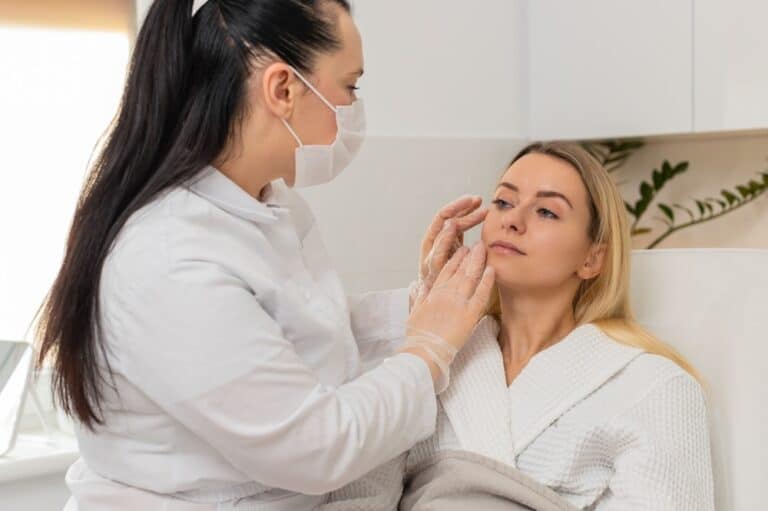
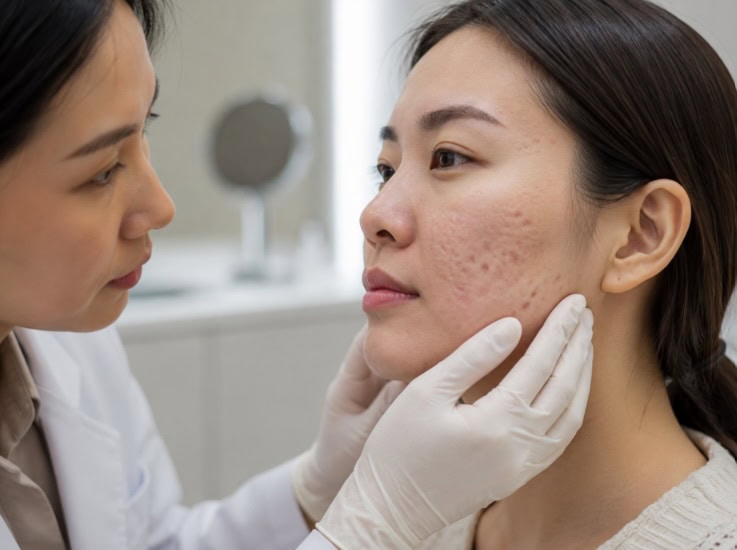
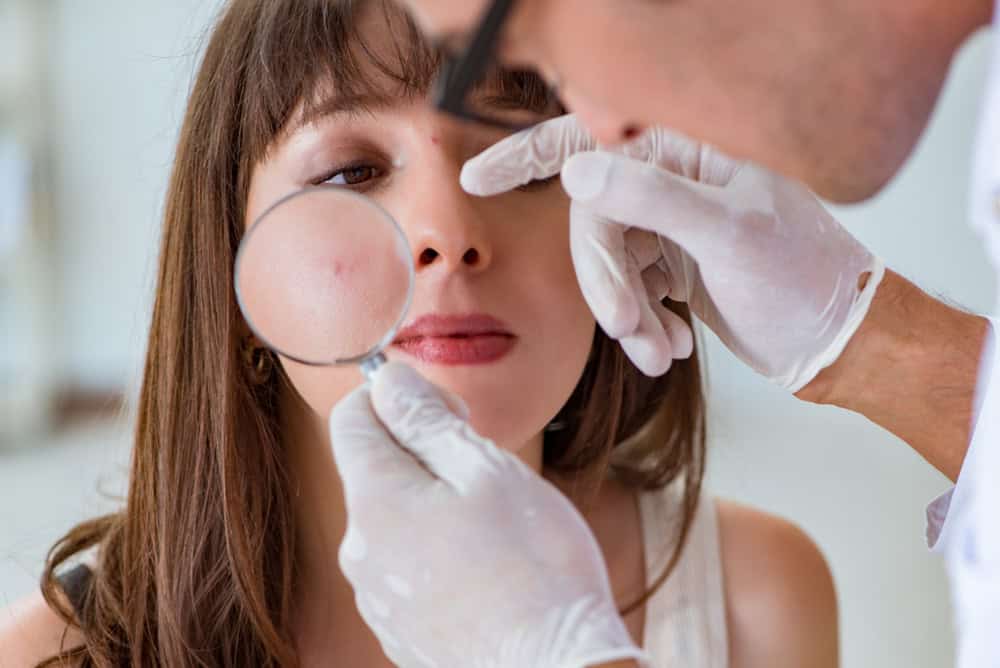
If scarring has not improved after several months of consistent topical treatment, if the texture of the skin is visibly pitted or raised, or if scarring is affecting confidence, a clinical assessment may be the appropriate next step. A physician can determine whether the issue involves pigmentation, collagen loss, raised scar tissue, or a combination of these factors, and recommend treatment based on the specific scar type, depth, and skin tone.
Choosing the wrong approach can delay results or create additional problems. For example, resurfacing treatments used on the wrong skin type carry risks of further pigmentation changes, and brightening products applied to deep pitted scars are unlikely to produce any meaningful improvement because the issue is structural, not surface-level. A structured evaluation helps match the treatment to the actual problem and avoids unnecessary time and expense.
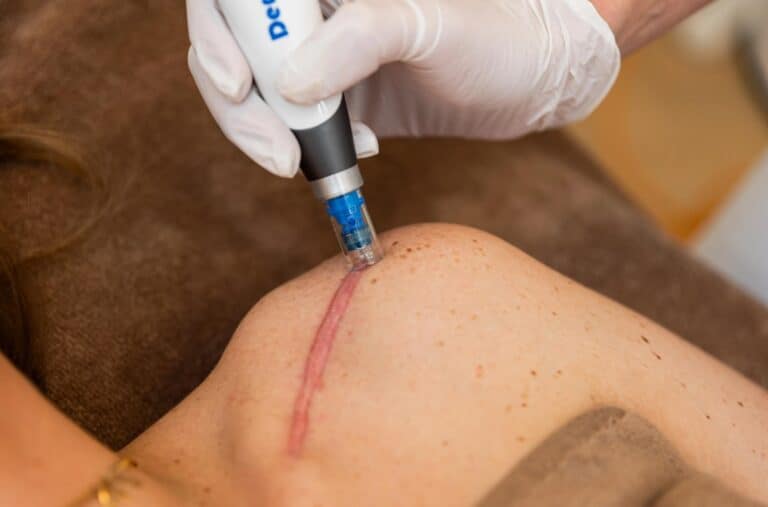
Several clinical options may be considered depending on the assessment findings. Energy-based treatments may help improve skin quality and promote collagen remodeling in select patients, while microneedling delivers controlled stimulation for certain atrophic scars. Subcision may be appropriate when depressed scars are attached to deeper tissue layers, and chemical peels matched to skin type can address surface irregularity and discoloration. For appropriate candidates, regenerative support may also be considered as part of a broader treatment plan, with the goal of promoting healthier tissue restructuring rather than immediate scar removal.
Know Your Marks Before You Treat Them
Natural acne scar removal methods may be effective when the underlying issue is responsive to that level of care. Mild redness and flat dark patches often fade over time, especially when combined with proper sun protection and suitable topical ingredients. Deep pitted and raised scars, however, generally require more intensive, clinically supervised treatment. The first step is always to identify exactly what type of scarring is present before choosing a treatment path.
Vega Derma Clinic in Bangkok develops individualized acne scar treatment plans based on scar type, tissue quality, and patient goals. The clinic offers a range of approaches for structural scarring, and suitable candidates may explore stem cell therapy for acne scars in Bangkok as part of a broader, physician-guided program.
Book a consultation today to identify your scar type, understand your options, and build a treatment plan matched to your skin.
References:
- Acne Scars: Signs and Symptoms. Retrieved 13 July 2026, from https://www.aad.org/public/diseases/acne/derm-treat/scars/symptoms
- Acne Scarring. Retrieved 13 July 2026, from https://dermnetnz.org/topics/acne-scarring

The Vega Derma Medical Team consists of board-certified dermatologists, specialized trichologists, and clinical researchers based in Bangkok, Thailand. Our team specializes in evidence-based regenerative dermatology, complex tissue repair, and advanced hair restoration (including precision FUE and FSE). Every protocol and article we publish is medically reviewed to ensure it meets international clinical standards, providing safe, science-backed guidance for our local and international patients.