

Stem cell supplements sound like a clinical treatment in a bottle. Instead, they are health supplements marketed similarly to vitamins. Their components include vitamin D3, antioxidants, extracts from algae and berries, and colostrum. While no lab-grown cells are used, the name suggests a process akin to medical treatment.
Providing general nutritional support, which a healthy diet can also offer, is one aspect. Administering regenerative therapy directly to targeted tissue by a physician is another option. The following details what these supplements contain, the current evidence supporting them, and how they compare to medically supervised therapy.
What Stem Cell Supplements Actually Contain
Stem cell supplements are dietary products regulated as supplements rather than medical treatments. They are sold online and in stores like any vitamin, and they do not contain live cells despite the name.
Common ingredients include antioxidants, plant and algae extracts, vitamin D3, vitamin C, enzymes, and colostrum. Some products market themselves under the broader stem cell nutrition category, while others are labeled as a cell regeneration supplement or stem cell regeneration supplements.
The marketing claim is usually that the ingredients “support stem cell activity” in the body. What is actually measurable in a bottle is the vitamin and antioxidant content, not any direct effect on stem cells themselves. That distinction is where most patient confusion begins.
Do Stem Cell Supplements Actually Work?
Research on specific nutrients and general cellular health is real, but it is early stage and largely indirect. Vitamin D3 has established links to immune function and bone health. Omega-3 fatty acids may reduce inflammation. Antioxidants help neutralize oxidative stress that contributes to cellular aging. These are documented general benefits.
However, direct clinical proof that an over-the-counter stem cell supplement leads to measurable increases in stem cell activity in humans is a different matter. Rigorous randomized human trials testing these products specifically are largely absent from the peer-reviewed literature. Correlation between nutrient status and cellular health is not the same as proof that a supplement drives regeneration.
Treating early research as settled evidence is where marketing outpaces what the science actually shows.
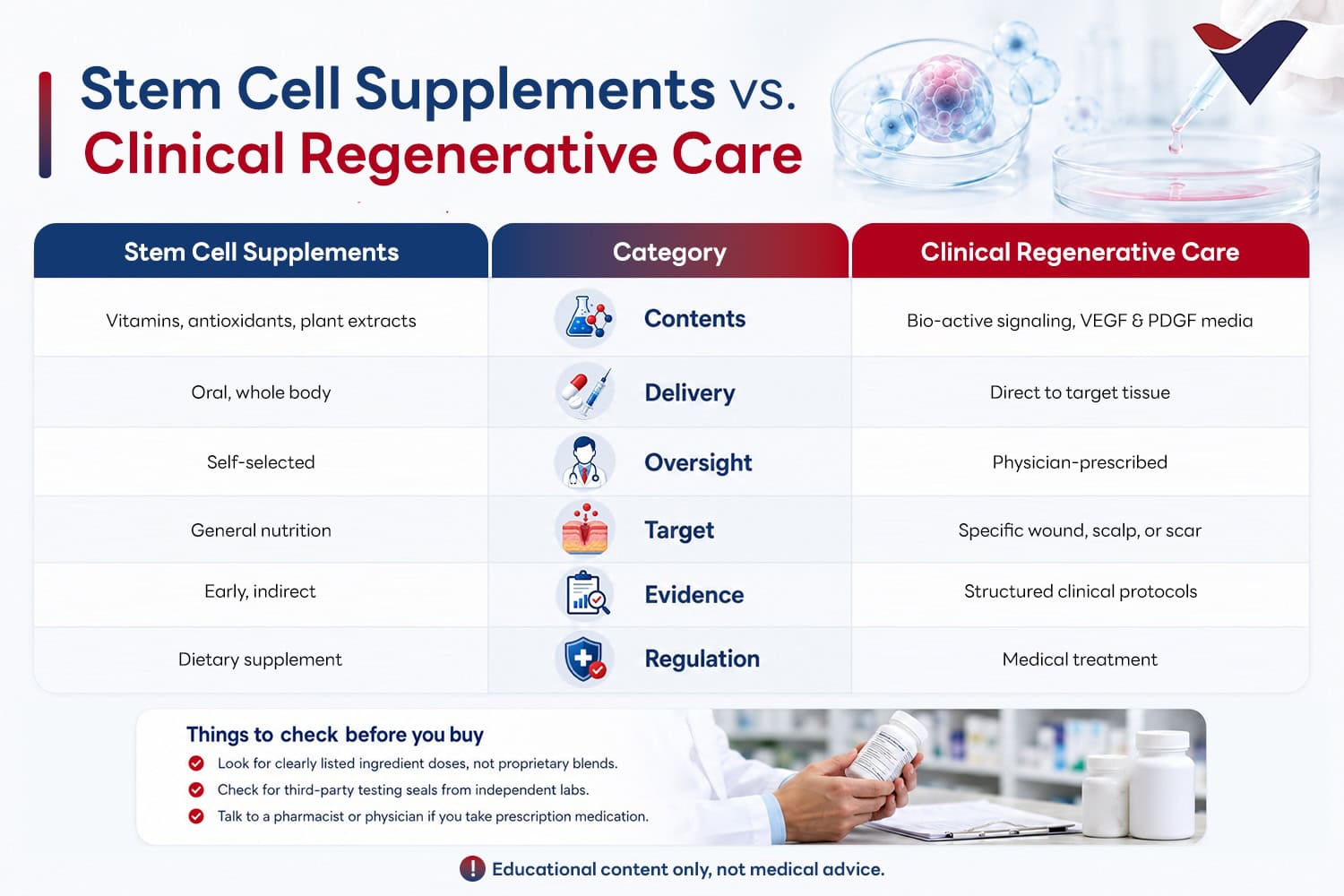
Supplements vs. Clinically Administered Regenerative Care
Supplements act indirectly through general nutrition. They travel through the digestive tract, get metabolized, and reach tissues throughout the body in whatever concentration the body decides. There is no way to target a specific site, condition, or wound with an oral supplement.
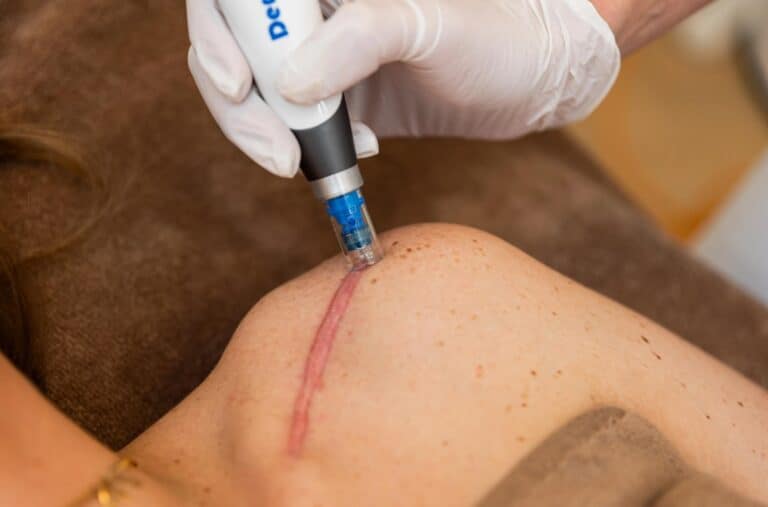
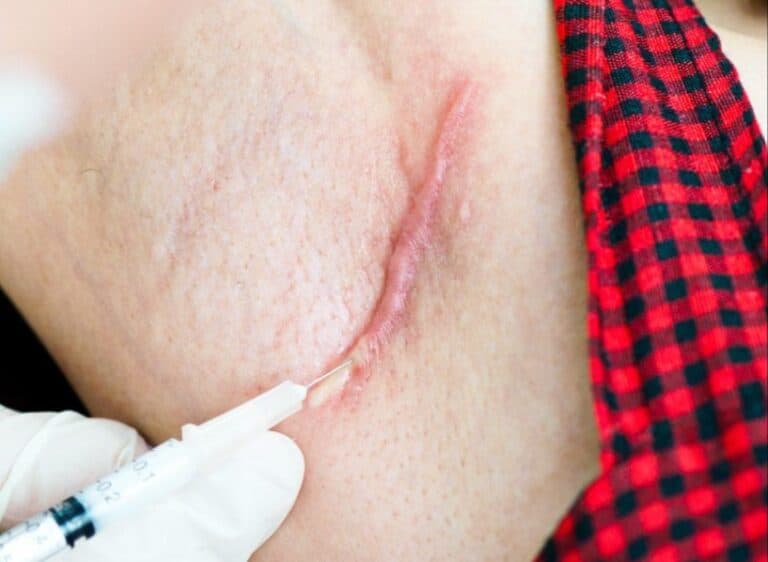
Physician-delivered regenerative therapy works differently, where concentrated bio-active signaling molecules are applied directly to the tissue of concern under medical assessment and supervision. The dose, delivery, and timing are controlled clinically rather than left to the digestive system.
Between supplements and clinically-administered care, the two approaches are not interchangeable: one is general wellness support that any healthy diet also provides, and the other is a targeted medical protocol built around a specific clinical finding.

Choosing Supplements Responsibly
For readers who still want to take a cell regeneration supplements product, a few transparency markers make for credible options worth considering.
- Look for clearly listed doses per serving rather than “proprietary blends” that hide the amounts.
- Named ingredients with disclosed sourcing carry more weight than generic descriptors.
- Third-party testing seals from independent laboratories indicate that what is on the label matches what is in the bottle.
Still, you shouldn’t use supplements instead of seeing a doctor, especially if you’re already on prescription drugs. Certain ingredients may interfere with blood thinners, hormone treatments, or other frequently used medications. It’s advisable to have a pharmacist or doctor check it before you begin anything new.
Vega Dermatology & Wound Care Unit’s Regenerative Approach
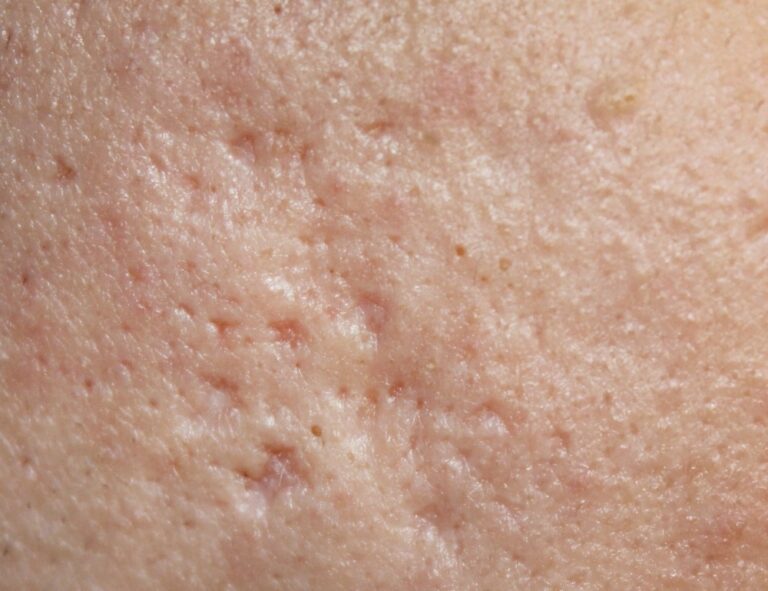
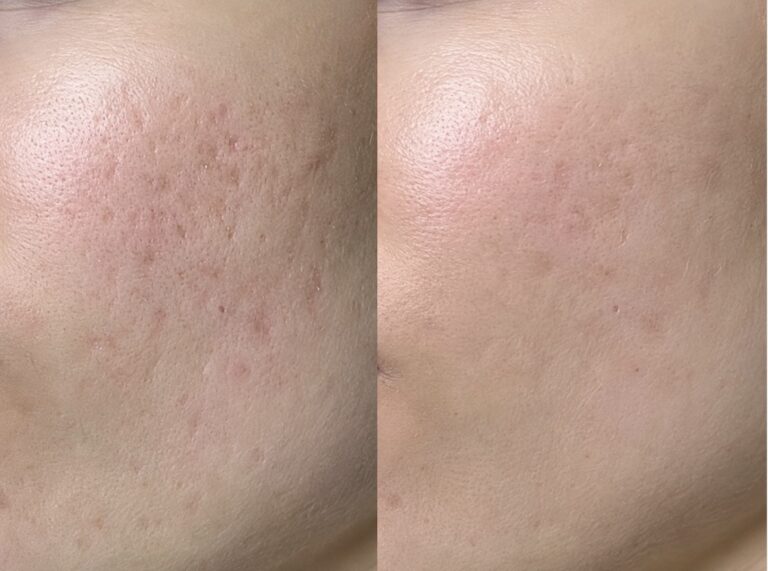
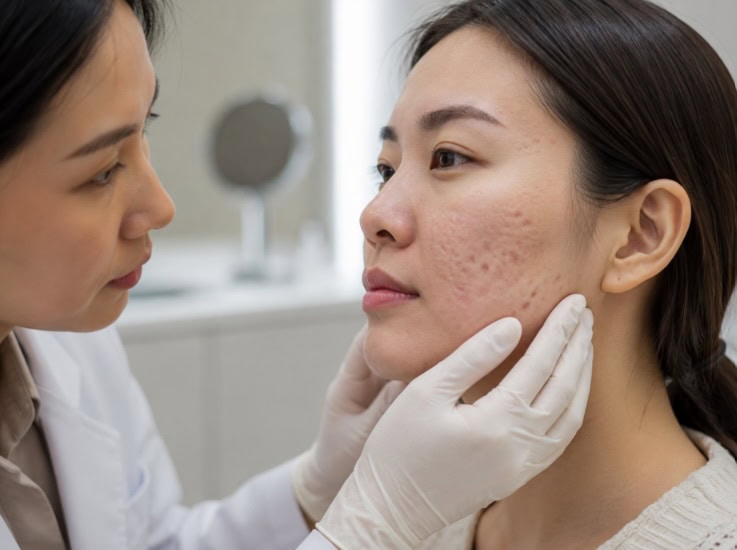
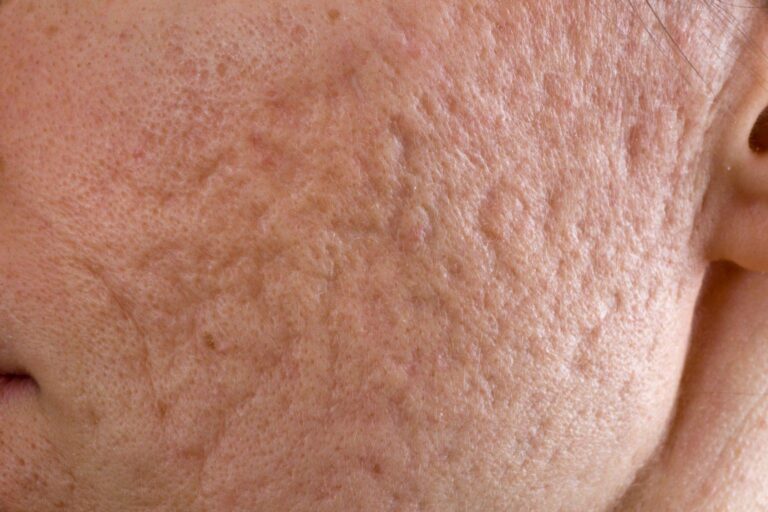
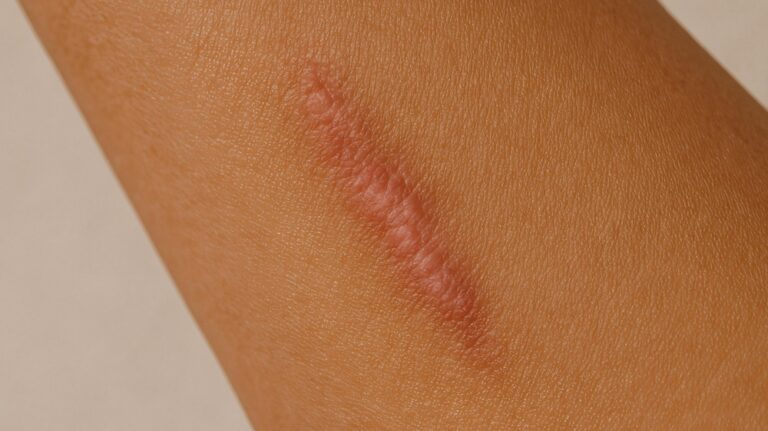
At Vega Dermatology & Wound Care Unit in Bangkok, we take a physician-led and site-specific approach to regenerative care. Bio-active signaling and VEGF and PDGF Ultra Enhanced Media are delivered directly to the tissue that needs support, whether that is a stalled wound, a thinning scalp, or an atrophic scar. We match our treatments to a clinical finding from consultation.
Our clinic is part of the broader Vega Stem Cell Clinic regenerative-medicine group, and protocols are applied across hair, wound, and scar programs under one medical team. English-speaking support is available throughout treatment for international patients, and we track your progress with objective measurement for a well-informed approach.
Choose Targeted Clinical Care Over Marketing Claims
Stem cell supplements are nutritional products built from common ingredients like vitamin D3, antioxidants, and colostrum. They are not lab-processed cells, and current evidence supports general cellular health benefits rather than a proven ability to boost stem cell activity on their own. For anyone considering them, these products should be treated as separate from medical treatments.
For a structured clinical approach, Vega Dermatology & Wound Care Unit delivers regenerative care as a targeted, physician-supervised protocol. Bio-active signaling and VEGF and PDGF media are applied directly to hair, wound, or scar concerns under proper clinical assessment.

The Vega Derma Medical Team consists of board-certified dermatologists, specialized trichologists, and clinical researchers based in Bangkok, Thailand. Our team specializes in evidence-based regenerative dermatology, complex tissue repair, and advanced hair restoration (including precision FUE and FSE). Every protocol and article we publish is medically reviewed to ensure it meets international clinical standards, providing safe, science-backed guidance for our local and international patients.