
Introduction
Keloids have a reputation, and it’s mostly earned. Unlike a normal scar that flattens and fades over time, a keloid keeps growing spreading beyond the original wound, turning raised, itchy, sometimes tender to the touch. For a lot of people, the real question isn’t just “can this be removed,” it’s will it come back if I try.
That second question matters more than most people realize, because keloids are notorious for regrowing after treatment sometimes larger than before. So this article isn’t going to sell you on a miracle fix. Instead, it walks through the actual procedures used for keloid scar removal, how pain is managed during and after treatment, and the part that gets skipped most often what’s actually done to keep them from growing back.
1. Why Keloids Are Different From Regular Scars
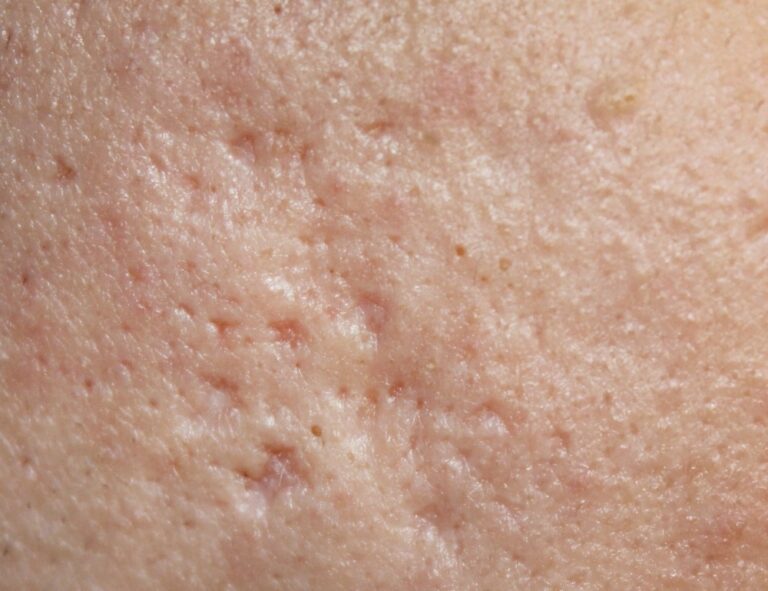
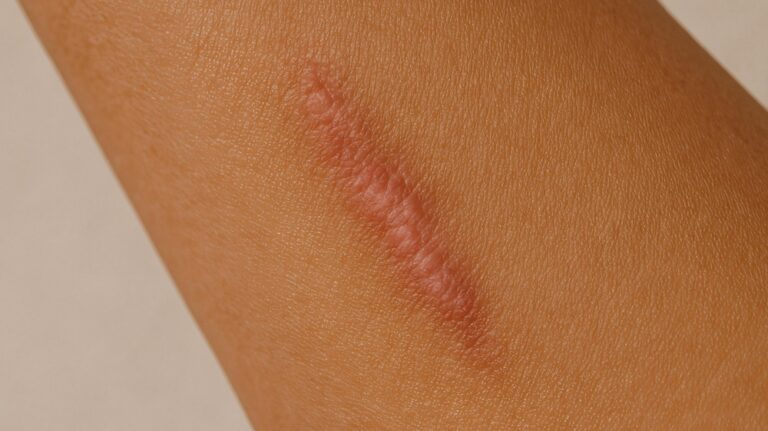
Every scar forms from the same basic process: an injury, followed by the body laying down new collagen to close the wound. With a normal scar, that collagen production slows down and stops once the wound has healed. With a keloid, it doesn’t.
- Overactive collagen production continues well past the point of healing, causing the scar to keep expanding beyond the original injury site.
- Genetics play a real role keloids run in families and appear more frequently in people with darker skin tones, though anyone can develop one.
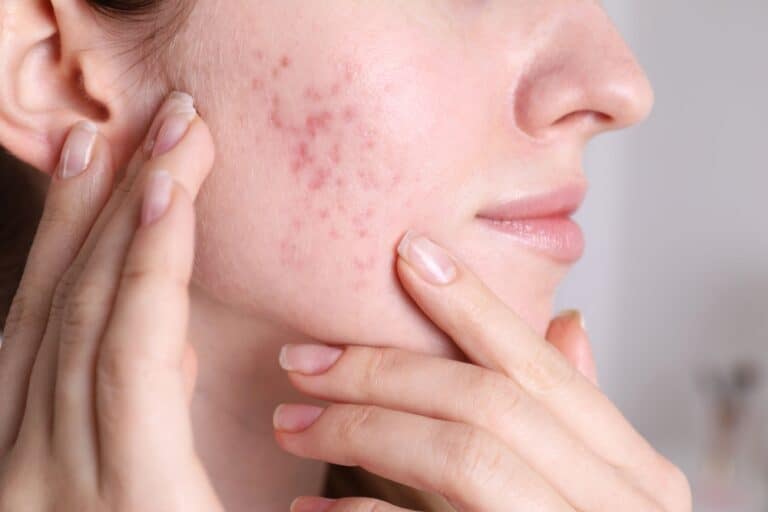
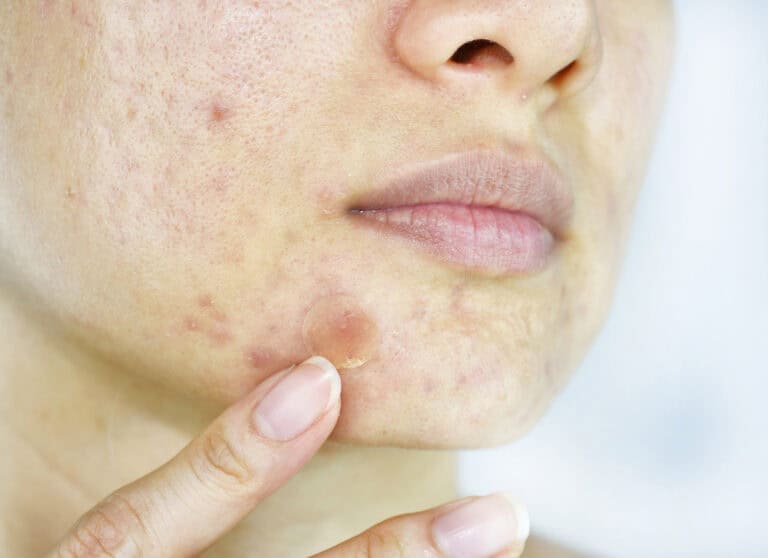
- Common trigger points include ear piercings, acne, chest and shoulder injuries, surgical incisions, and even minor cuts or insect bites in people who are prone to them.
This is exactly why generic scar creams and silicone gels marketed for any scar often underperform on keloids specifically they’re built for scars that are already trying to heal normally, not tissue that keeps actively growing.
The Recurrence Problem
Here’s the part most articles gloss over : keloids have some of the highest recurrence rates of any scar type, with certain treatments alone showing regrowth in a substantial share of patients. That’s precisely why effective treatment for keloids almost always involves more than one method working together, rather than a single quick fix.
2. Procedures Used for Keloid Scar Removal
Corticosteroid Injections
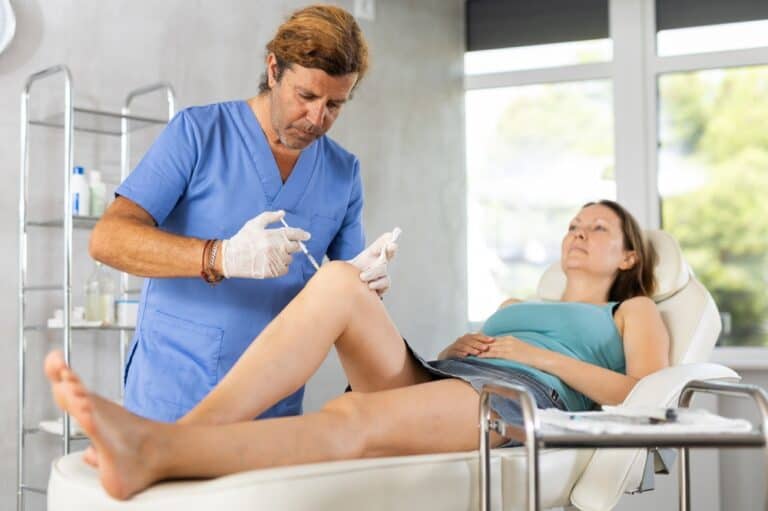
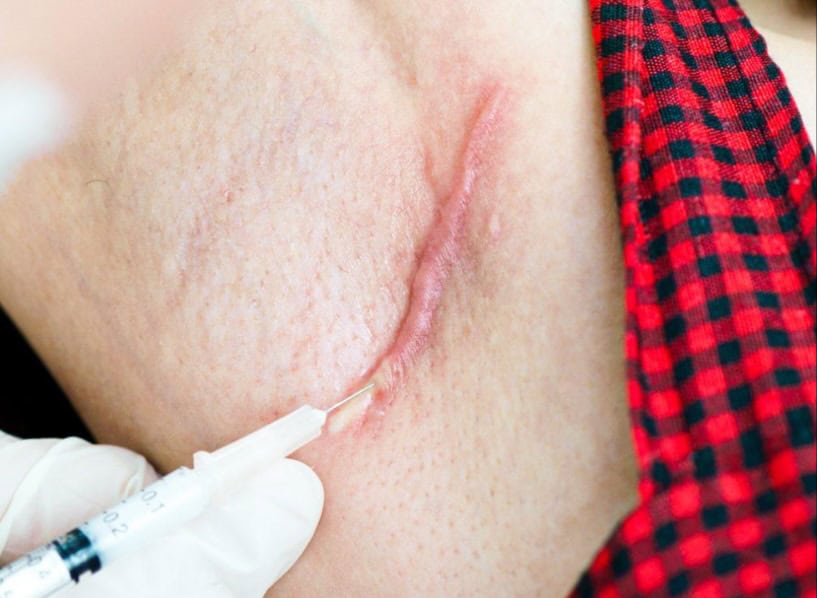
Intralesional steroid injections are usually the starting point for most keloids, particularly smaller or newer ones. A corticosteroid most commonly triamcinolone is injected directly into the scar tissue, where it works to soften the keloid, flatten it, and reduce the itching or tenderness that often comes with it. Sessions are typically spaced four to six weeks apart, and most keloids need several rounds before real flattening shows up.
Steroid injections alone rarely eliminate a keloid completely, but they’re a foundational part of almost every combination protocol because they directly slow the excess collagen production driving the growth.
Surgical Excision
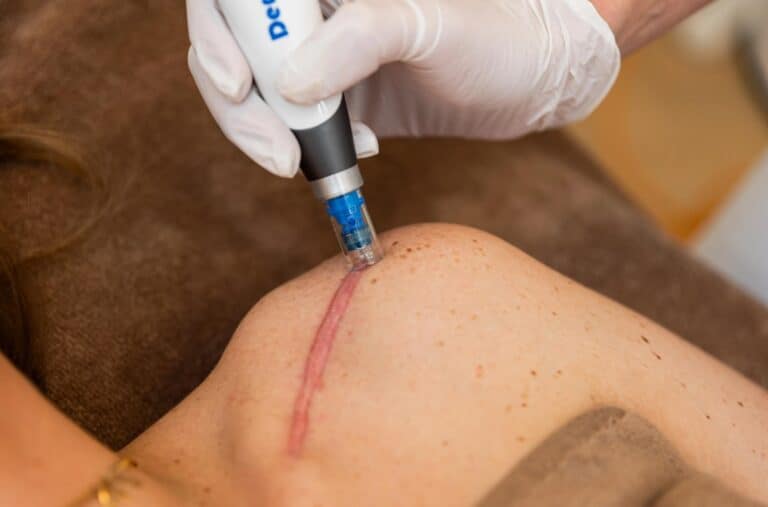
Surgical keloid removal involves physically cutting the raised tissue away. On its own, this is risky cutting into a keloid can trigger the exact same overactive healing response that created it in the first place, and recurrence rates after excision alone are notably high.
That’s why surgical excision is almost never performed as a standalone treatment anymore. It’s typically paired with a follow-up therapy usually steroid injections or radiation applied immediately after surgery to interrupt the regrowth cycle before it starts.
Laser Therapy
Pulsed dye laser treatment targets the blood vessels feeding the keloid, which helps flatten the scar and fade its color, particularly the reddish or purplish tone many keloids develop. It’s gentler than excision and works well for smaller or newer keloids, though it’s generally used as part of a broader plan rather than a solo solution for larger, more established scars.
Cryotherapy
Cryotherapy for keloids freezes the tissue using liquid nitrogen, causing the scar to shrink as the frozen cells break down. It tends to work best on smaller keloids and is often combined with steroid injections, since freezing the tissue first can actually help the medication penetrate more effectively afterward.
Radiation Therapy
For larger or more stubborn keloids especially after surgical removal low-dose radiation therapy is sometimes used within days of excision to prevent the scar tissue from regrowing. It’s a more intensive option generally reserved for keloids that have failed other treatments, and it’s administered under close medical supervision given the precision required.
3. Managing Pain During and After Treatment
Pain management is rarely discussed alongside keloid procedures, but it’s a real part of the process worth understanding beforehand.
- Topical or injectable local anesthetic is standard before steroid injections and excision, minimizing discomfort during the procedure itself.
- Post-procedure tenderness after excision or laser treatment is common for several days, generally managed with over-the-counter pain relief and proper wound care.
- Itching relief matters more than people expect keloids are frequently itchy, and antihistamines or topical treatments are often used alongside procedural treatment to keep patients comfortable during the healing window.
- Silicone sheeting or gel applied after procedures helps reduce both discomfort and the risk of the scar re-thickening as it heals.
Discomfort during keloid treatment is generally manageable and short-lived compared to living with an untreated, actively growing keloid but it’s still worth setting expectations with your provider before starting.
4. Preventing Keloids From Growing Back
This is the piece that actually determines whether treatment holds long-term, and it’s where a lot of at-home or one-and-done approaches fall short.
Pressure Therapy
Pressure garments or clips applied consistently after surgical removal particularly on ear keloids after piercing-related growths can meaningfully reduce recurrence by limiting blood flow to the healing tissue and discouraging excess collagen buildup.
Ongoing Silicone Sheet Use
Long-term use of silicone sheets or silicone gel after any keloid procedure helps regulate the healing environment, keeping collagen production in check while the area continues to heal over the following months.
Scheduled Follow-Up Steroid Injections
Even after a keloid has been successfully flattened or removed, many providers continue maintenance steroid injections for months afterward, specifically to catch and suppress any early signs of regrowth before they become visible again.
Avoiding Known Triggers
For people prone to keloids, avoiding elective piercings, unnecessary skin trauma, and unprotected sun exposure on healing scars all play a real role in reducing the odds of a new keloid forming elsewhere.
Why Combination Treatment Works Best for Long-Term Results
No single procedure reliably prevents recurrence on its own which is why most dermatologists build a combination keloid treatment plan rather than relying on one method. A typical staged approach might look like:
- Surgical excision to remove the bulk of the raised tissue
- Immediate steroid injection or radiation at the excision site to interrupt regrowth
- Pressure therapy and silicone sheeting for several months afterward to maintain the result
This layered approach is consistently associated with better long-term outcomes than excision or injections used alone.
When to See a Specialist for Keloid Treatment
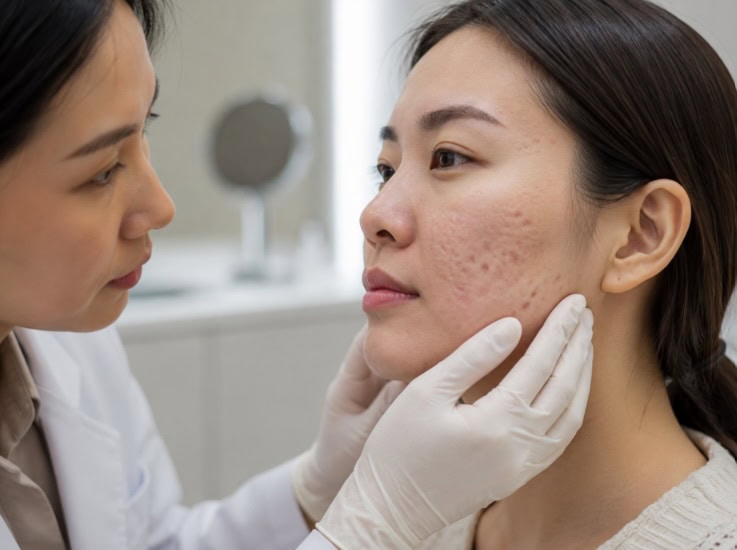
If a scar keeps growing, itches persistently, or hasn’t responded to at-home silicone products, it’s worth having it properly evaluated rather than waiting. A dermatologist can determine exactly which combination of procedures fits the size, location, and history of the keloid because the wrong approach can genuinely make things worse.
At Vega Derma, the clinical team builds individualized treatment for keloids starting with a full assessment of the scar’s size, activity, and history, then selects from steroid injections, laser therapy, cryotherapy, or surgical excision paired with recurrence-prevention protocols based on what’s most likely to hold long-term.
To read more on a complete keloid scar removal approach, or to explore the full range of treatment for keloids available, you can find further details in our in-depth guide.
Frequently Asked Questions
Is permanent keloid removal actually possible?
Complete, permanent removal isn’t guaranteed for every case, but a well-planned combination of excision, steroid injections, and prevention protocols like pressure therapy can produce results that hold for years, with recurrence risk reduced significantly compared to single-method treatment.
How long does keloid treatment typically take?
Most protocols run several months, with steroid injections spaced weeks apart and follow-up maintenance continuing well after the visible scar has flattened, since regrowth can appear gradually.
Does keloid treatment hurt?
Discomfort is generally manageable local anesthetic is used during procedures, and post-treatment tenderness or itching is typically controlled with standard pain relief and proper aftercare.
The Bottom Line
Keloids aren’t like other scars, and treating them like one with a generic cream and hope usually ends in disappointment. Real, lasting results come from a combination of targeted procedures: injections to slow collagen overproduction, excision or laser to physically reduce the tissue, and a genuine recurrence-prevention plan to keep it from coming back.
A consultation with a dermatologist at a clinic like Vega Derma is the right starting point for understanding exactly what your keloid needs and building a treatment plan designed to actually hold.

The Vega Derma Medical Team consists of board-certified dermatologists, specialized trichologists, and clinical researchers based in Bangkok, Thailand. Our team specializes in evidence-based regenerative dermatology, complex tissue repair, and advanced hair restoration (including precision FUE and FSE). Every protocol and article we publish is medically reviewed to ensure it meets international clinical standards, providing safe, science-backed guidance for our local and international patients.