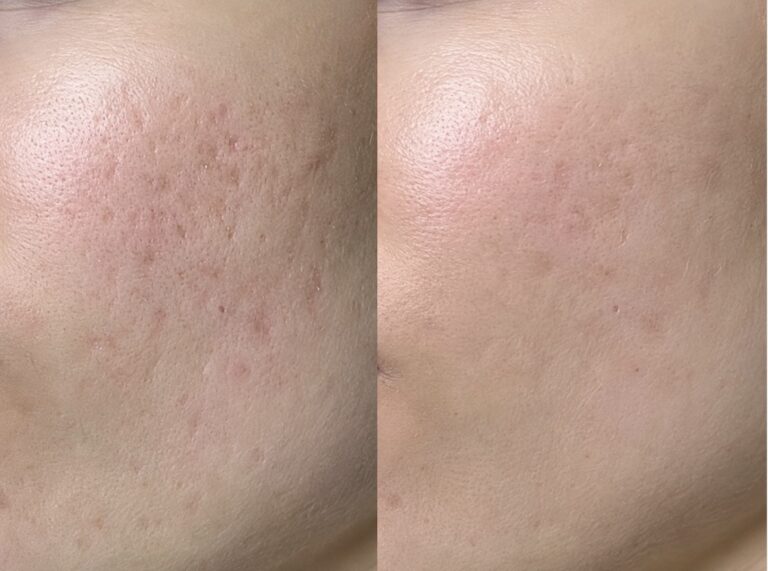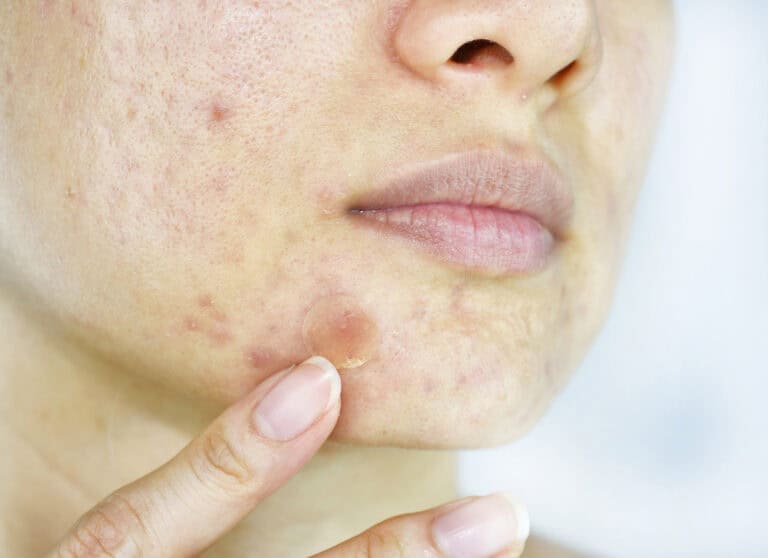

Scars from acne may linger after breakouts subside, particularly if the inflammation reaches deeper skin layers. Many patients find topical treatments, creams, and serums insufficient for underlying structural damage.
Because of this deeper structural damage, regenerative options like stem cell therapy have become a solution for noticeable, long-term acne scar reduction.
Even though regenerative treatments may help improve scar appearance, texture, and tissue quality, they are not a guaranteed way to erase scarring completely.
What Are Acne Scars and Why Are They Hard to Treat?
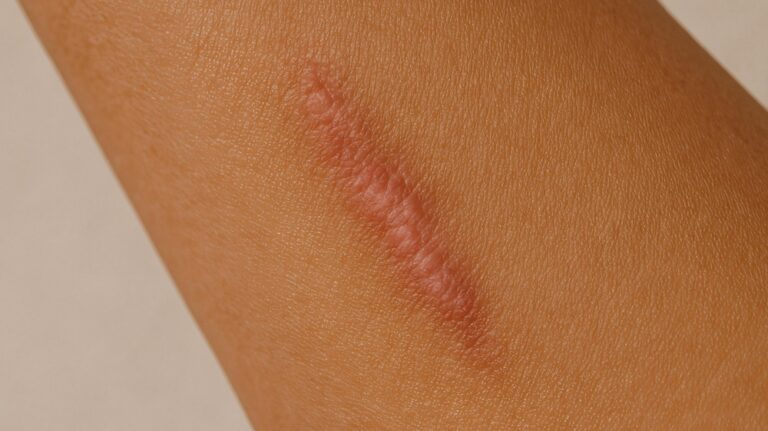
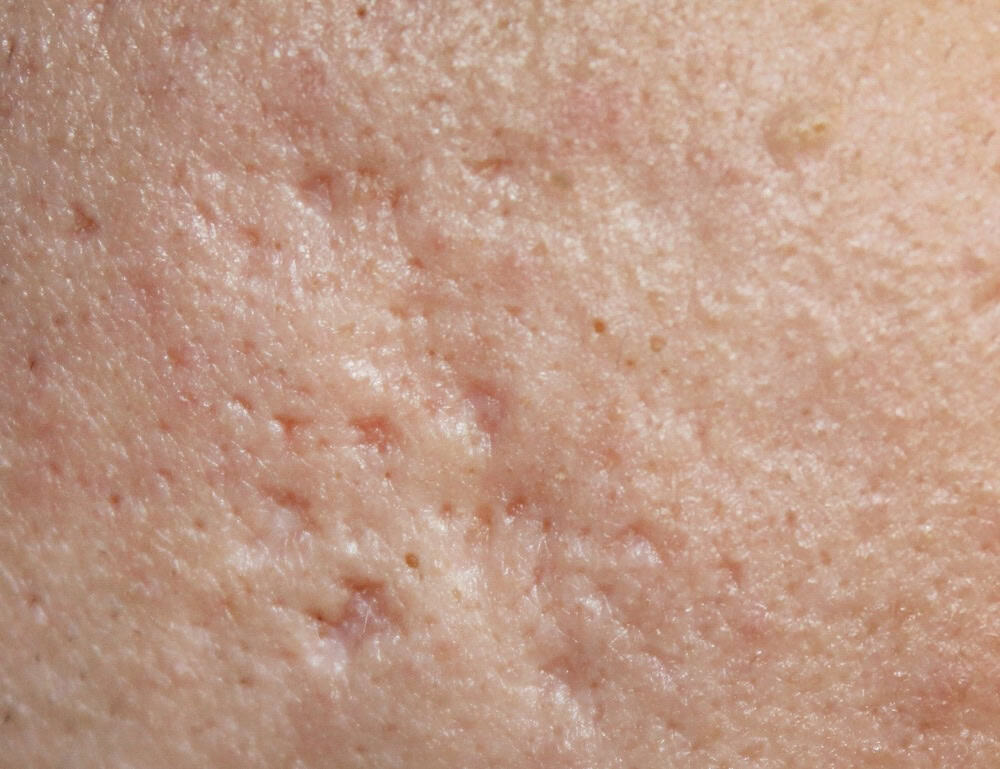
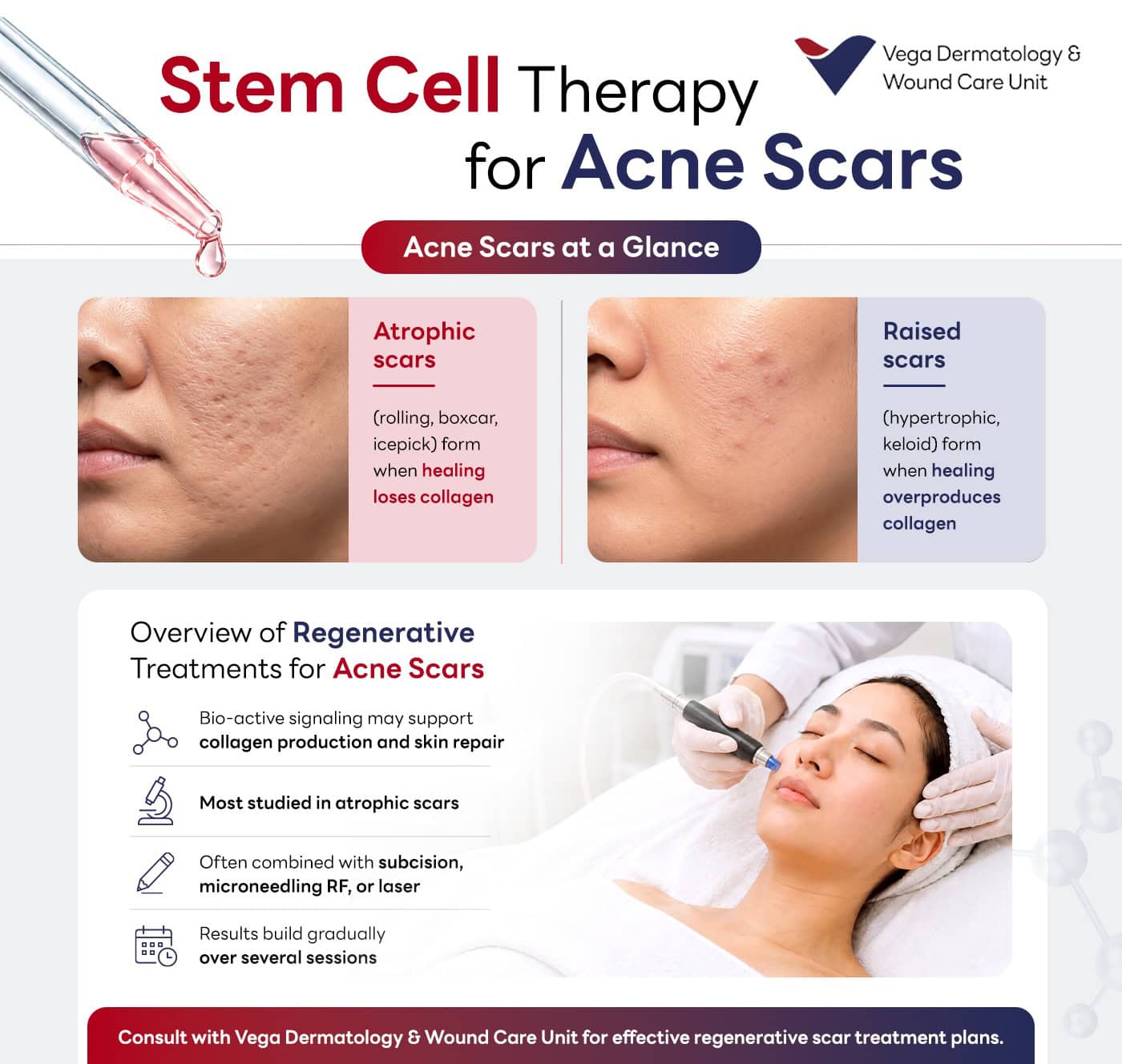
Acne scars form when inflammation damages the skin’s normal healing process and the underlying collagen structure, producing two broad scar categories:
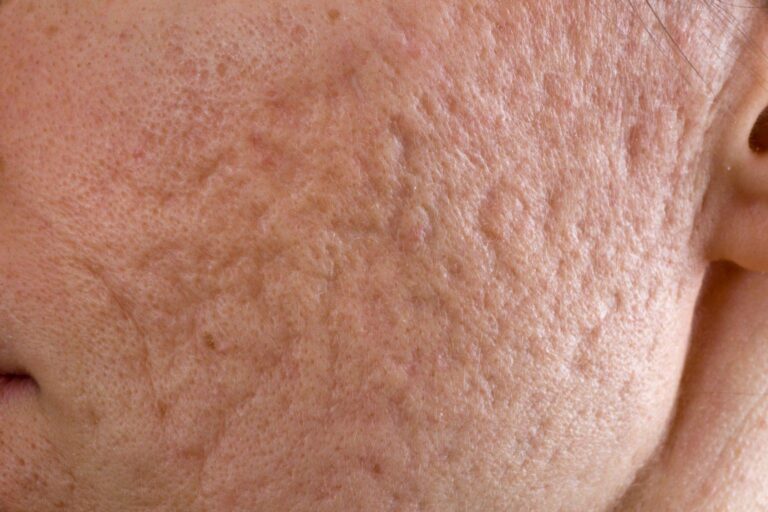
- Atrophic (depressed) scars: rolling, boxcar, and icepick types, caused by a loss of collagen
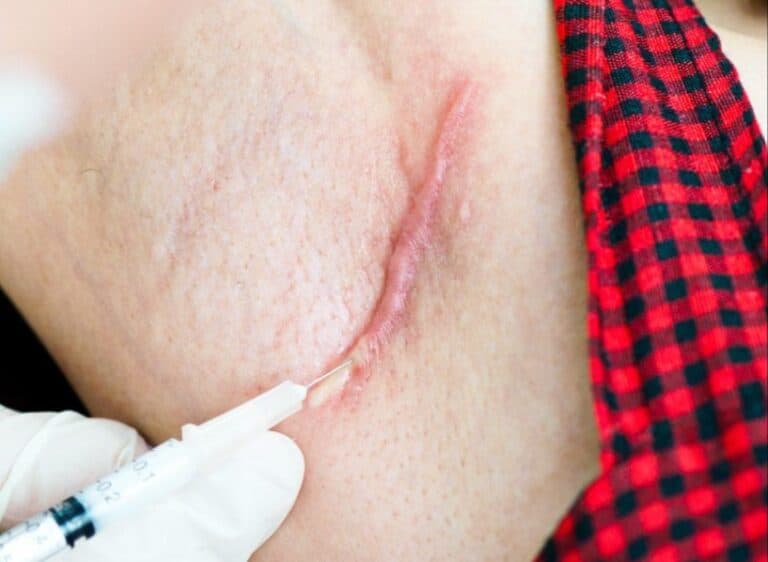
- Raised scars: hypertrophic or keloidal, caused by an overproduction of collagen during healing
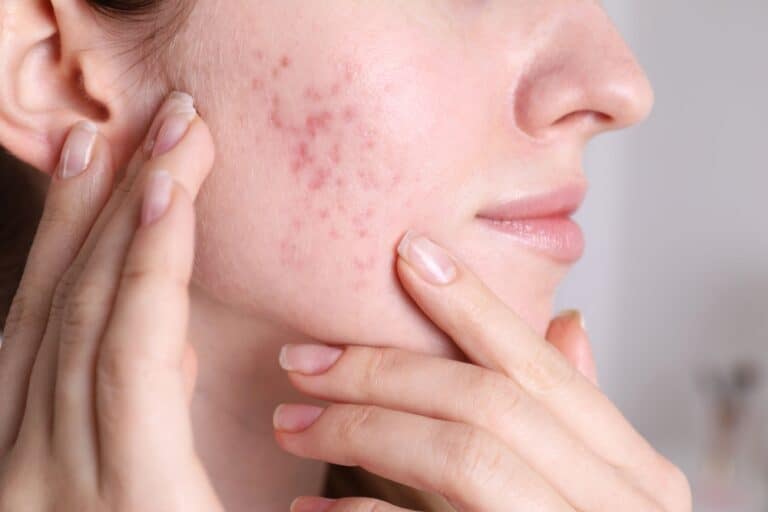
Unlike acne marks, which are flat, temporary discolorations that often resolve with topical treatments alone. Dermal structural alteration defines true scars.
Infographic alt tag: Stem Cell Therapy for Acne Scars.
What Is Stem Cell Therapy for Acne Scars?
Stem cell therapy for acne scars is part of the broader field of regenerative medicine. Studies are exploring cell-based and cell-derived methods for their capacity to aid tissue repair, boost collagen synthesis, and manage inflammation, encompassing the following.
- Mesenchymal stem cell-conditioned media: the nutrient fluid cells are grown in, carrying growth factors and signaling proteins.
- Stromal vascular fraction (SVF): a mixed cell population isolated from a person’s own fat tissue, used as a source of regenerative cells.
- Exosomes: tiny vesicles that carry signaling molecules between cells and may influence skin repair.
Research suggests the proposed benefit may come largely from paracrine signaling, a process where stem cells release growth factors that prompt your body’s fibroblasts to produce new collagen and improve micro-blood circulation. This supports the collagen production that gradually improves a scar’s depth and texture.
Beyond this, evidence also points to combining regenerative therapy with existing resurfacing procedures. A 12-week randomized split-face trial found that adding adipose-derived exosomes after fractional CO2 laser reduced acne scar severity scores by 32.5%, compared with 19.9% for laser alone, with milder redness and shorter downtime on the exosome-treated side.
How Is Stem Cell Therapy for Acne Scars Different?
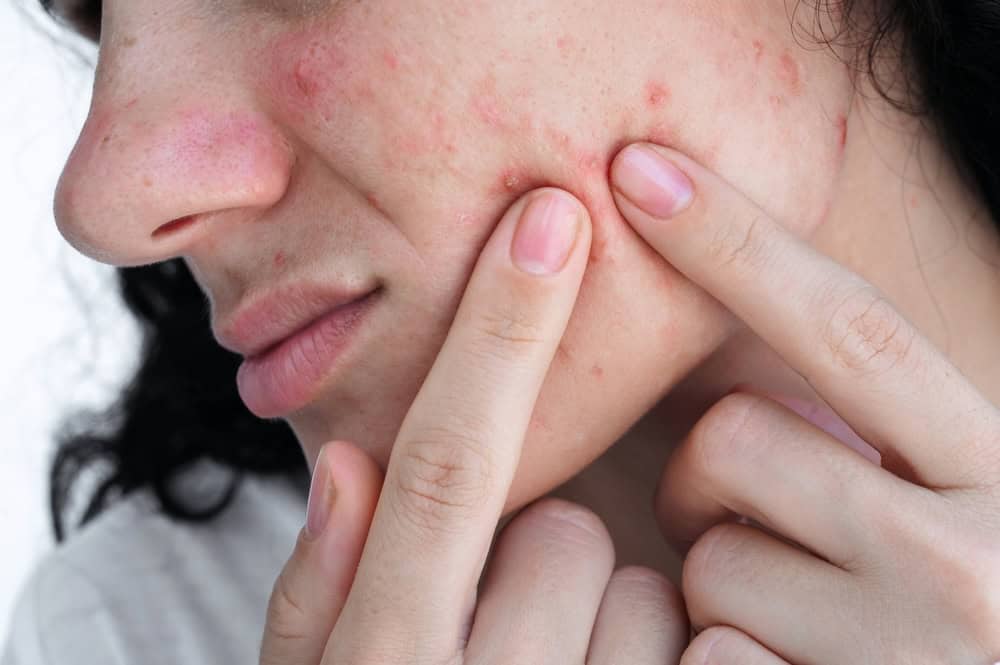
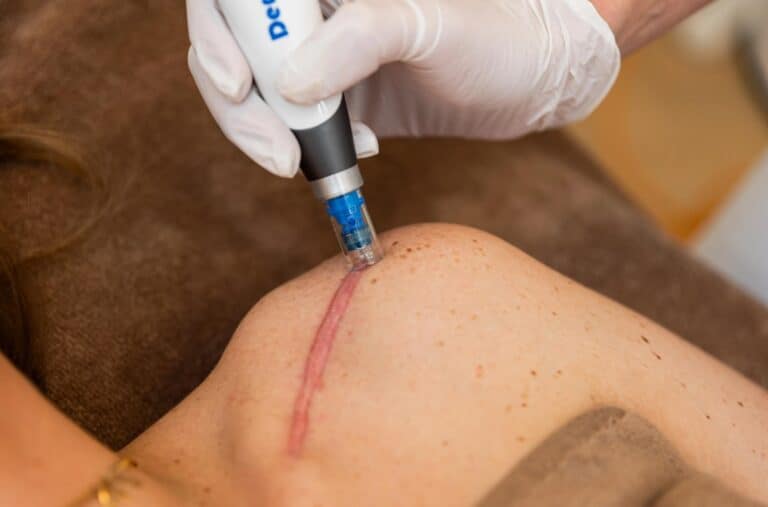
Conventional procedures such as subcision, microneedling RF (radiofrequency-assisted microneedling), and laser resurfacing work by creating controlled injury that triggers the skin’s own repair response or by physically releasing the fibrous bands that tether rolling scars.
Regenerative methods, in the interim, focus on aiding the body’s natural healing. To achieve optimal outcomes, doctors often use these two treatments together because one treatment alone may not resolve all scars.
Is Stem Cell Therapy for Acne Scars Suitable for You?
Current evidence and treatment implications vary by scar category:
- Atrophic scars (rolling, boxcar, icepick): the most studied scar category for regenerative support, where collagen loss creates a depressed texture. Rolling and boxcar scars respond most naturally within a combination plan, while deeper icepick scars are harder to treat and often need TCA CROSS (a targeted chemical treatment for narrow, deep scars) or focused laser work.
- Raised scars (hypertrophic, keloid): raised tissue where injection-based protocols and lasers are typically the primary approach, with regenerative support playing a smaller, adjunct role.
What to Expect After Treatment
Initial Changes
- Mild redness, swelling, or tenderness at the treatment site, usually resolving within a few days.
- Skin may appear temporarily smoother or more hydrated shortly after a session.
Gradual Changes
- Texture may become progressively smoother as collagen remodels over several weeks.
- Scar depth may improve with continued sessions.
Note: Results build gradually over multiple sessions. Outcomes vary depending on scar type, severity, skin characteristics, and whether regenerative therapy is combined with other treatments.
Is Stem Cell Therapy for Acne Scars Safe?
Regenerative treatment for acne scars is not entirely risk-free. Safety depends on medical assessment and the specific procedure used. Reported effects are generally temporary and may include:
- Redness
- Swelling
- Transient bruising
- Short-term pigment changes, particularly in darker skin tones if device settings and aftercare are not adjusted appropriately
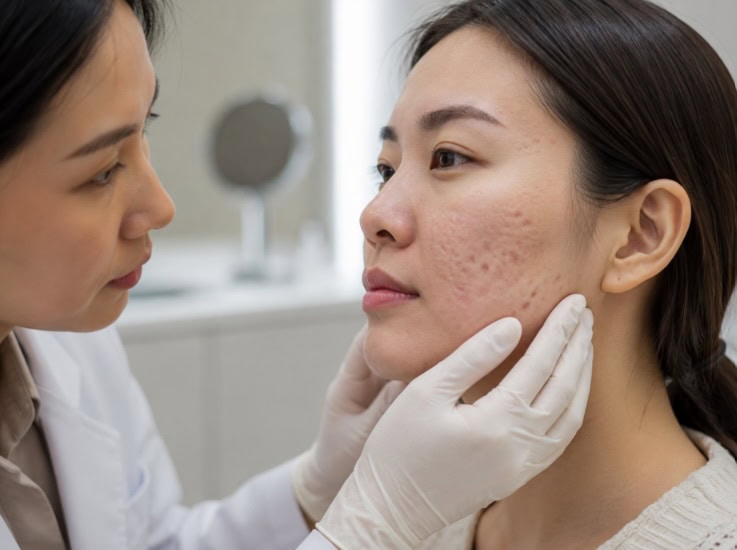
As “stem cell therapy” can refer to different technologies and protocols, a proper consultation is important. Ensure your doctor explains the specific treatment, the evidence that supports it, and realistic outcomes for different scar types and skin tones. Your doctor may also recommend the number of sessions required for you to see meaningful improvement, as it may require more than one session.
Stem Cell Therapy for Acne Scars at Vega Dermatology & Wound Care Unit
Stem cell therapy for acne scars is a promising option for patients dealing with the lasting effects of past breakouts, with the strongest evidence so far in atrophic scars such as rolling and boxcar types. The evidence base for raised keloid and hypertrophic scars is still developing, and results depend on individual factors, so the treatment is best used as part of a broader regenerative program guided by an experienced physician rather than on its own.
At Vega stem cell clinic in Bangkok, every program starts with a comprehensive evaluation of your scar type, depth, and skin condition. From there, our physician builds a plan suited to your skin, combining regenerative support with options such as subcision, microneedling RF, or laser resurfacing where appropriate. Care is overseen by Dr. Ekkaparb Charoensuk, an integrative and regenerative medicine physician with more than 15 years of clinical experience.
Book a consultation with our clinical team at Vega Dermatology & Wound Care Unit for a scar care assessment to find out which combination of treatments suits your skin.
References:
- Regenerative Medicine for Atrophic Scars: A Systematic Review of Extracellular Vesicles, Conditioned Media, Stromal Vascular Fraction, and Mesenchymal Stem Cells. Retrieved August 18, 2026, from https://pubmed.ncbi.nlm.nih.gov/41099835/
- Combination Treatment with Human Adipose Tissue Stem Cell-derived Exosomes and Fractional CO2 Laser for Acne Scars: A 12-week Prospective, Double-blind, Randomized, Split-face Study. Retrieved August 18, 2026, from https://pubmed.ncbi.nlm.nih.gov/33073298/
- Therapeutic Value of Mesenchymal Stem Cell-Derived Extracellular Vesicles in Hypertrophic and Keloid Scars: A Systematic Review and Meta-Analysis. Retrieved August 18, 2026, from https://www.ncbi.nlm.nih.gov/pmc/articles/PMC12891142/
- The Efficacy of MSC-Derived Exosome-Based Therapies in Treating Scars, Aging and Hyperpigmentation: A Systematic Review of Human Clinical Outcomes. Retrieved August 18, 2026, from https://www.mdpi.com/2571-841X/8/4/268

The Vega Derma Medical Team consists of board-certified dermatologists, specialized trichologists, and clinical researchers based in Bangkok, Thailand. Our team specializes in evidence-based regenerative dermatology, complex tissue repair, and advanced hair restoration (including precision FUE and FSE). Every protocol and article we publish is medically reviewed to ensure it meets international clinical standards, providing safe, science-backed guidance for our local and international patients.