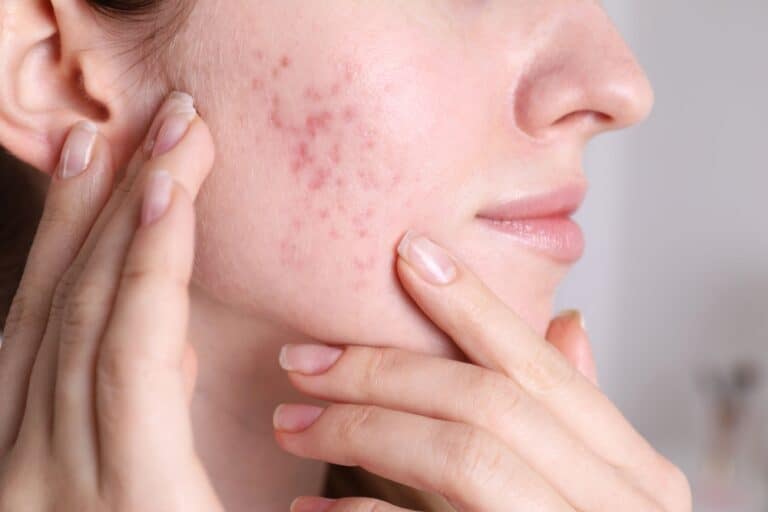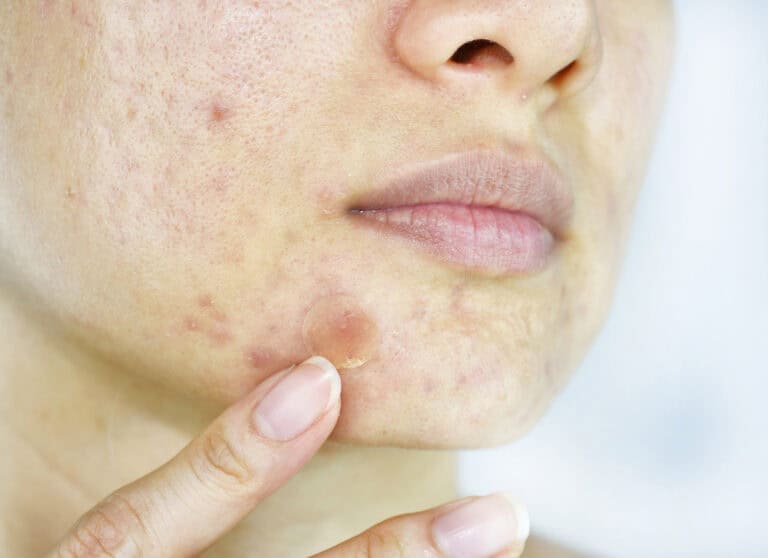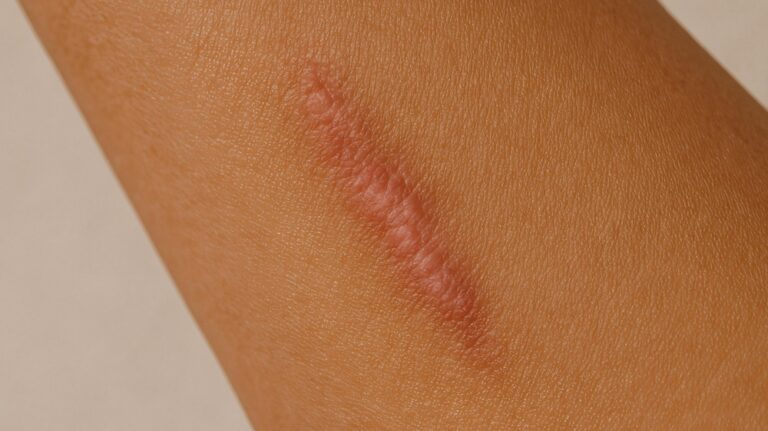

The gap between what is being promised and what stem cell therapy for skin rejuvenation can realistically do is worth understanding before booking anything. There’s been a rapid increase in interest regarding regenerative methods for skin aging, with cell-based therapies being a particularly popular search topic. However, the term is used loosely, and not all treatments marketed under it actually deliver on their promises.
How Cell-Based Skin Rejuvenation Works
A common question patients ask is whether stem cells can rejuvenate skin, and the answer depends on what is actually being delivered. Cell-based therapy for skin rejuvenation uses cells or cell-derived products to support the skin’s own repair and renewal processes. The benefit comes primarily from signaling molecules that may encourage the body to produce more collagen and elastin, rather than from injected cells directly replacing damaged skin. Certain methods involve using cells obtained from the patient’s own body. Other approaches utilize materials from donors, while some opt for cell-derived products like secretome or conditioned media instead of the cells themselves. The origin, how it’s processed, and how it’s delivered all impact a patient’s potential results.
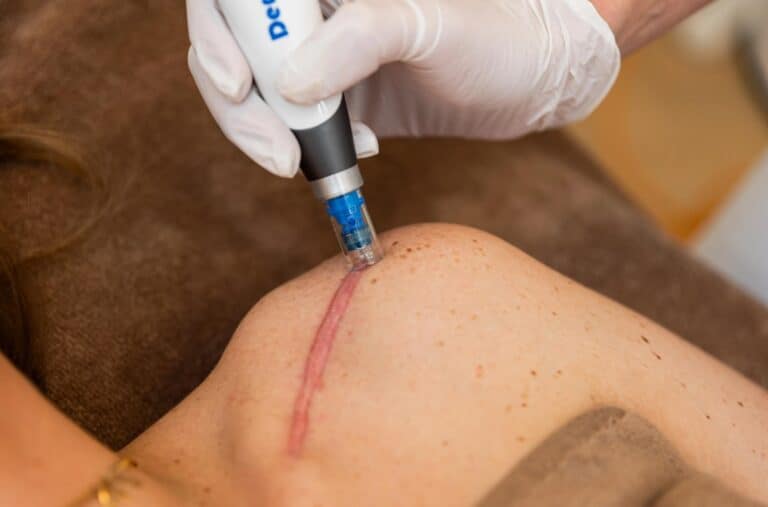
This kind of therapy is frequently mistaken for PRP, which isolates growth factors from a patient’s blood, or microneedling, which employs deliberate micro-injuries to stimulate a superficial healing reaction. Although both can supplement cell-based treatments, they function in distinct ways and address different levels of the skin. Recognizing these differences allows patients to determine the most suitable treatment, or blend of treatments, for their specific circumstances.
Realistic Results and Common Misconceptions
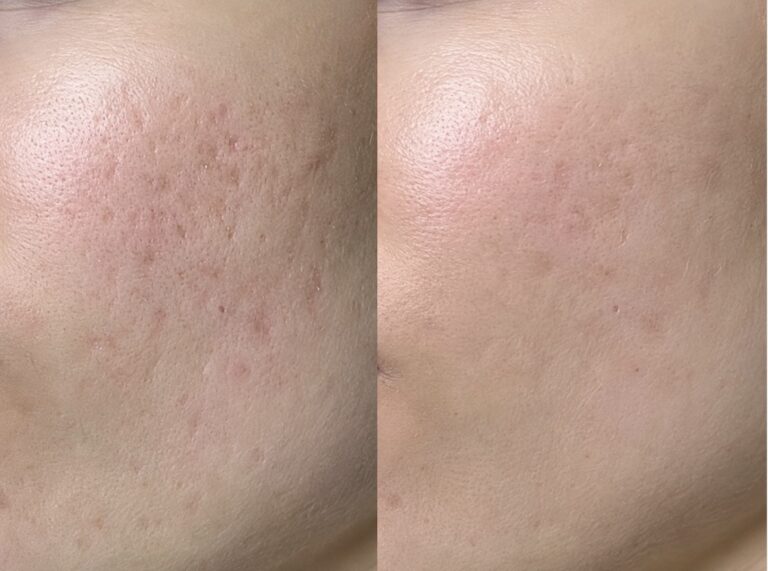
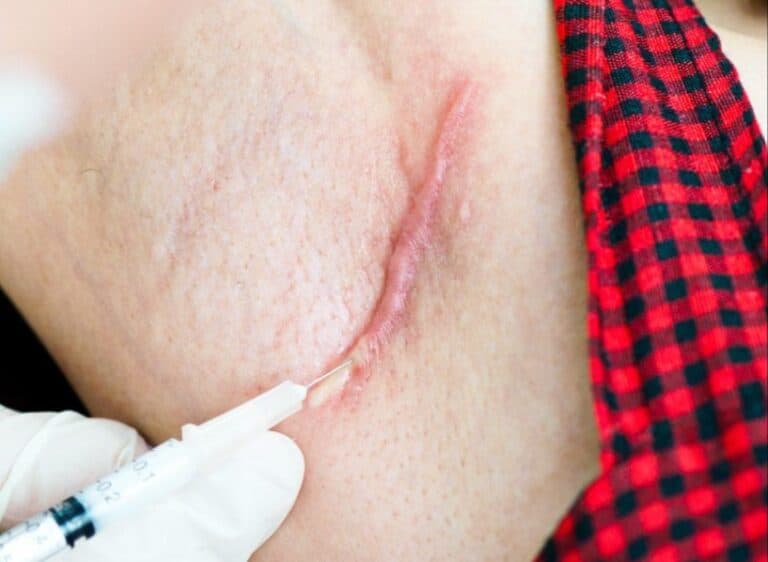
Whether cell-based therapy can genuinely rejuvenate skin comes down to expectations. Some patients see gradual improvements in texture, tone, and fine lines over weeks to months, while others see more modest changes depending on skin condition, age, and the protocol used. The benefits are most established in wound healing and scar remodeling, where growth factors and signaling molecules have a clearer role in supporting tissue repair. Aesthetic skin rejuvenation is a newer and still evolving application, and the realistic expectation is gradual visible improvement rather than a dramatic overnight transformation.
Some marketing suggests that you can reverse aging with stem cells entirely, but this overstates what current therapies can achieve. Cell-based approaches may improve visible signs of aging, including fine lines, uneven texture, and loss of elasticity, but they do not reverse the aging process itself. Skin aging is driven by sun exposure, collagen breakdown, volume loss, and gravity working together over time, and cell-based therapy may support one part of that picture, but no single treatment addresses all of it. Patients who understand this distinction tend to have a more productive experience and more realistic satisfaction with their results.

What to Ask Before Booking Treatment
No cell-based product is currently approved by major regulatory bodies specifically for cosmetic skin use, which means patients need to evaluate providers carefully. Before booking any treatment, it is worth asking the following:
- What cell source is being used, and how is it processed?
- Is the treatment compliant with local regulatory standards?
- What are the expected outcomes and timeline for visible change?
- What evidence supports the claims being made?
Red flags include guaranteed results, treatment framed as a literal reversal of aging, vague language about what is being administered, pricing that seems unusually low for the complexity of the treatment, or unclear regulatory compliance. A physician-led program with transparent protocols, clearly defined cell sources, and honest outcome guidance is the safest foundation for any regenerative skin treatment.
Comparing Cell-Based Therapy to Other Options
Cell-based therapy is one option among several for improving skin quality, and each suits different concerns, budgets, and comfort levels. These options are not always competing, and some patients combine two or more as part of a staged treatment plan depending on what their skin needs most.
Cell-based therapy tends to suit patients with early to moderate skin aging or scarring who want a regenerative approach, or those whose skin has not responded well to standard treatments. Patients with very mild concerns may find topical products or microneedling sufficient on their own, while those wanting faster visible change may find laser resurfacing more appropriate. Anyone with active skin infections or autoimmune conditions affecting the skin should be evaluated by a physician before starting any regenerative protocol.
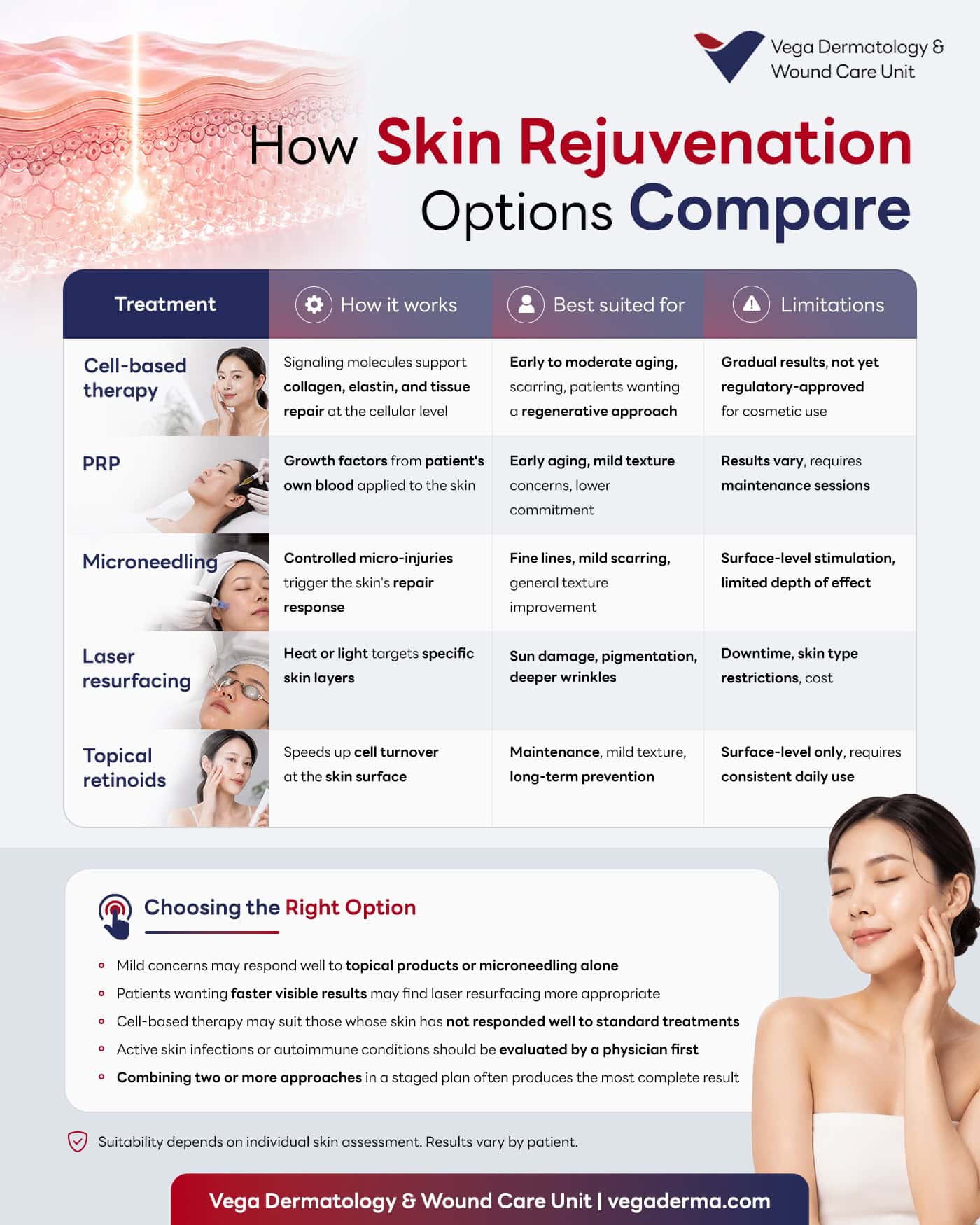
No single treatment is the right fit for every patient, and what works well for one person’s skin may produce limited results for another. For patients exploring stem cell therapy in Bangkok or considering any regenerative option, the most productive starting point is understanding which of these approaches targets the specific concern rather than defaulting to the most popular or most marketed one.
Regenerative Skin Care at Vega Dermatology & Wound Care Unit
Stem cell therapy for skin rejuvenation is an evolving field in regenerative medicine. What matters most is partnering with a clinical team that evaluates your skin thoroughly, sets realistic expectations, and creates a tailored plan based on your unique needs rather than a one-size-fits-all protocol. Ultimately, achieving a rewarding result comes down to provider transparency and assessment quality.
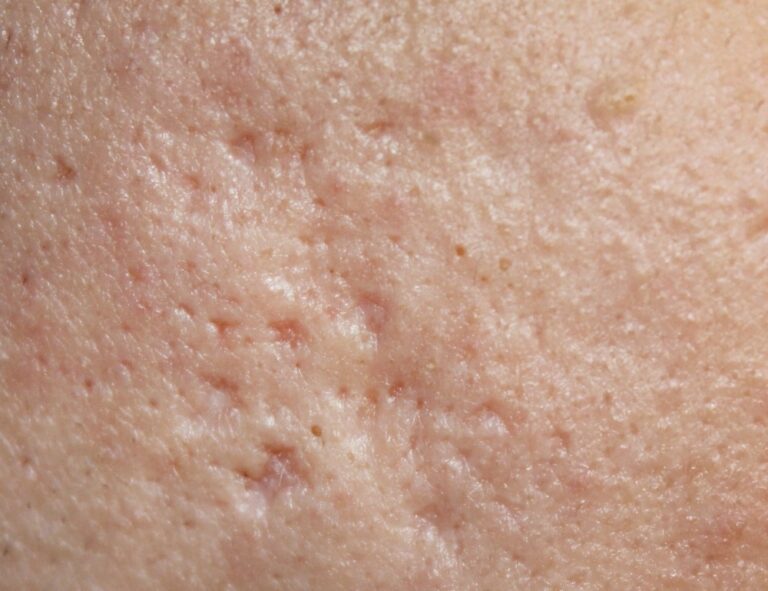
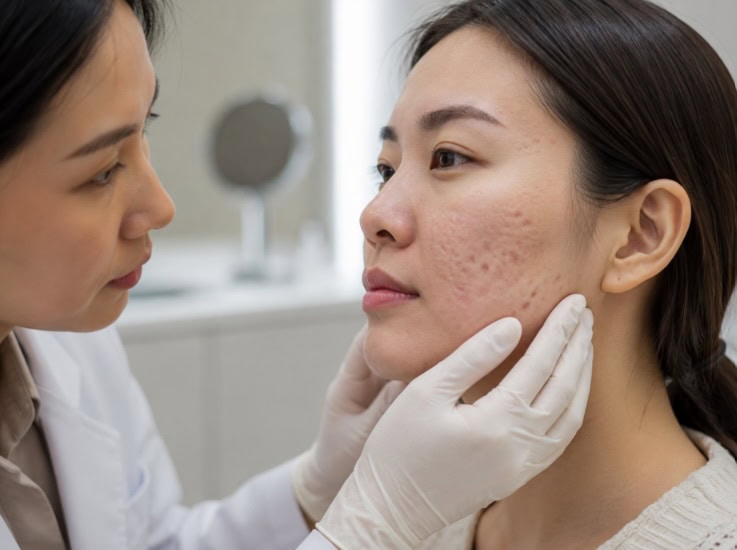
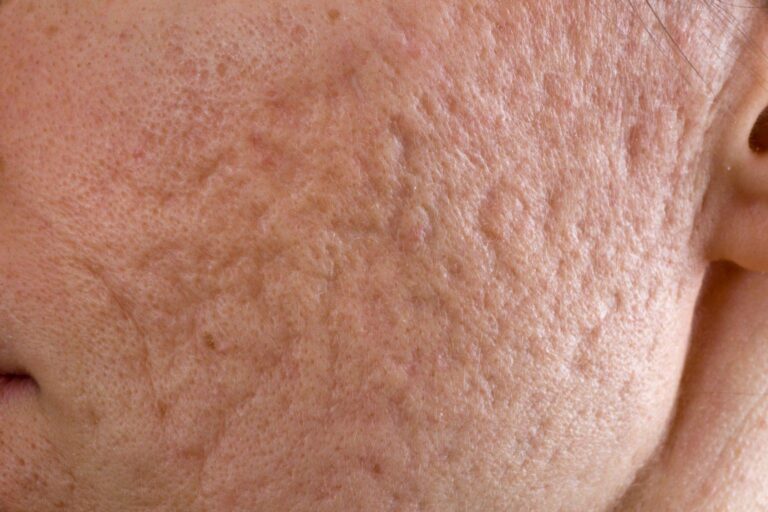
At Vega, a dedicated stem cell clinic in Bangkok, regenerative skin treatments are delivered through a structured, physician-led program. The clinical team evaluates your skin condition, treatment history, and personal goals before recommending a path forward. For targeted texture renewal, stem cell therapy for acne scars in Bangkok is often integrated into a broader scar remodeling strategy that combines multiple modalities.
Book a consultation today at Vega Dermatology & Wound Care Unit for a comprehensive skin assessment and discover if a regenerative approach is right for you.
References:
- Applications of Mesenchymal Stem Cells in Skin Regeneration and Rejuvenation. Retrieved 19 August 2026, from https://www.ncbi.nlm.nih.gov/pmc/articles/PMC7957487/
- Umbilical cord‐derived mesenchymal stem cell secretome promotes skin regeneration and rejuvenation: From mechanism to therapeutics. Retrieved 19 August 2026, from https://www.ncbi.nlm.nih.gov/pmc/articles/PMC10984109/
- Insights Into the Role of Mesenchymal Stem Cells in Cutaneous Medical AestheticsInsights into the role of mesenchymal stem cells in cutaneous medical aesthetics: from basics to clinics. Retrieved 19 August 2026, from https://www.ncbi.nlm.nih.gov/pmc/articles/PMC11184751/
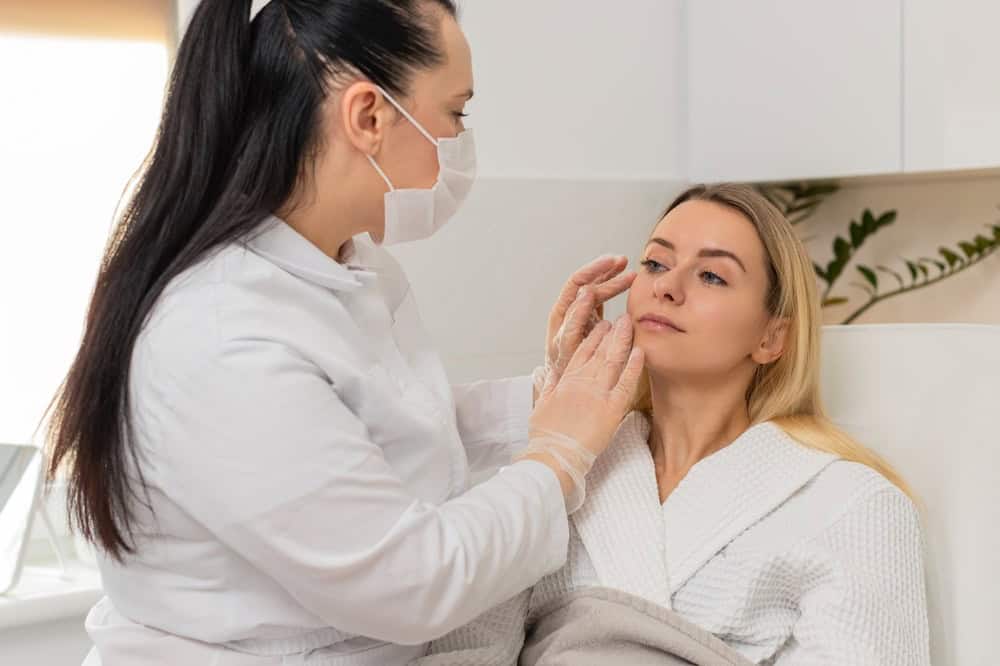

The Vega Derma Medical Team consists of board-certified dermatologists, specialized trichologists, and clinical researchers based in Bangkok, Thailand. Our team specializes in evidence-based regenerative dermatology, complex tissue repair, and advanced hair restoration (including precision FUE and FSE). Every protocol and article we publish is medically reviewed to ensure it meets international clinical standards, providing safe, science-backed guidance for our local and international patients.