
Introduction
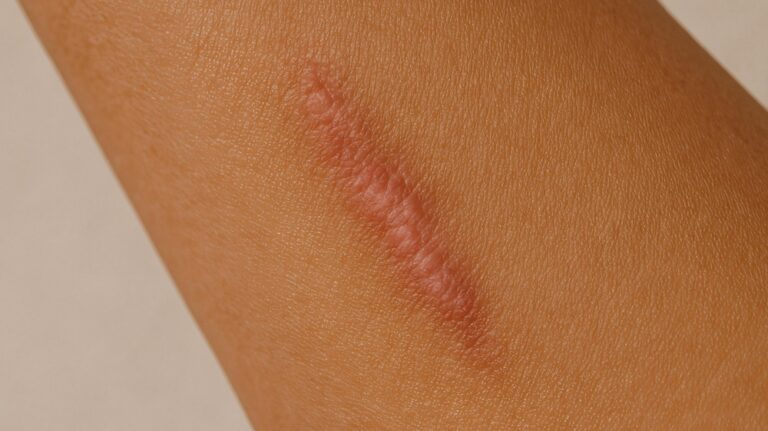
Two people might visit the same clinic, and both ask about “regenerative treatment for scars,” but leave with different recommendations. One might be advised to try PRP, while the other is offered stem cell therapy. This does not mean the clinic is being inconsistent. PRP and stem cell therapy address some of the same issues, but each has its own strengths. The best choice usually depends on the type of tissue being treated.
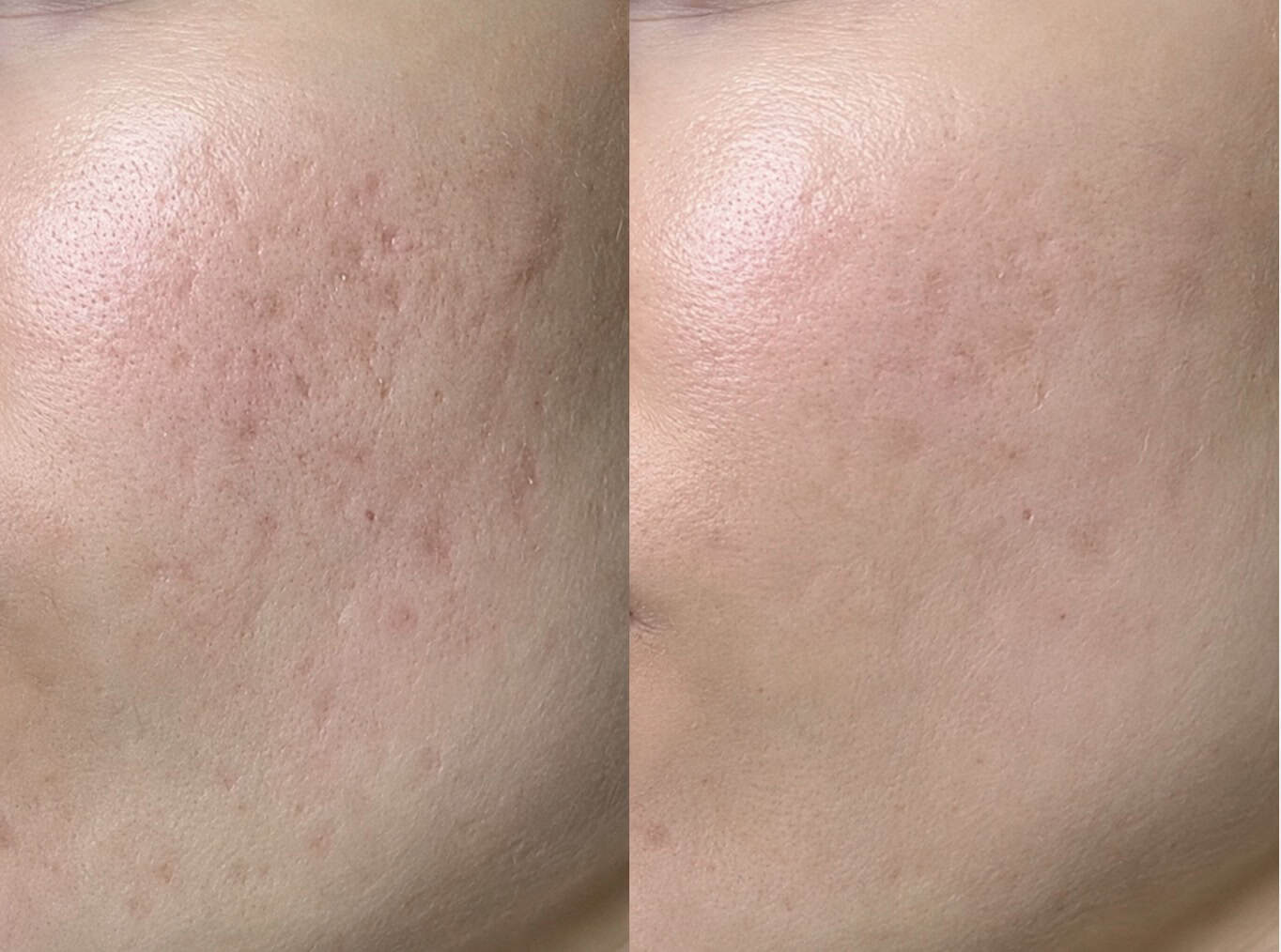
Here is a practical comparison of the two treatments: where the cells come from, how each is prepared, typical costs, how many sessions are needed, and what current evidence supports. This overview focuses on scars, chronic wounds, and hair, since these are the main areas where doctors make these decisions.
What’s Actually Being Injected
PRP: Your Own Platelets, Concentrated
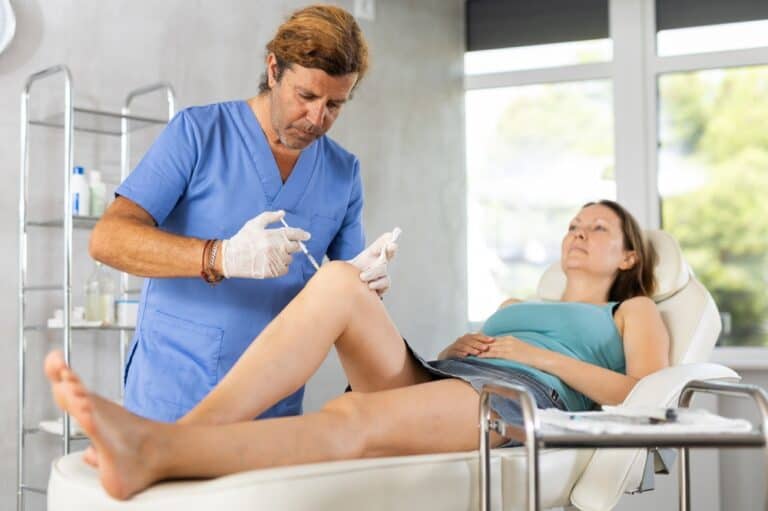
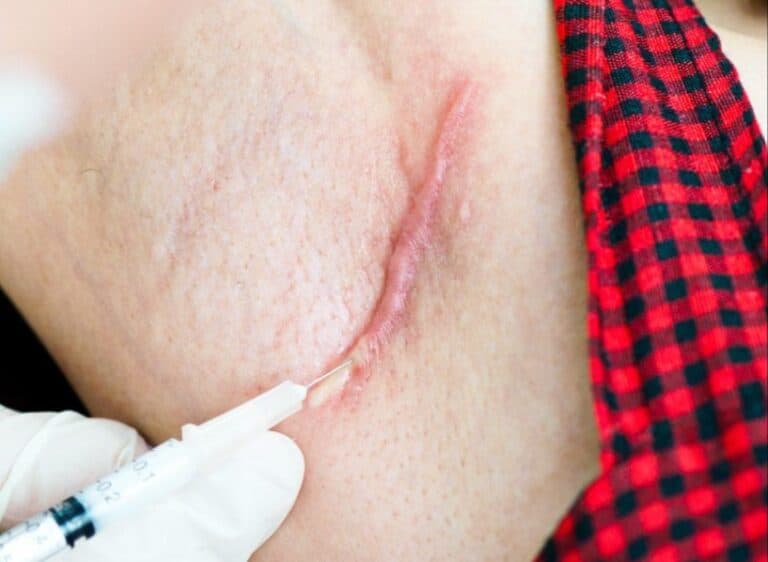
Platelet-rich plasma treatment begins with a blood draw. The sample is centrifuged to separate platelets and their growth factors from red and white blood cells. This creates a concentrate that is then injected back into the treatment area. There are no living stem cells in this process. It works by delivering growth factors, not by using cells, so any clinic that suggests otherwise is exaggerating what is actually in the syringe.
Stem Cell Therapy: Living, Signaling Cells
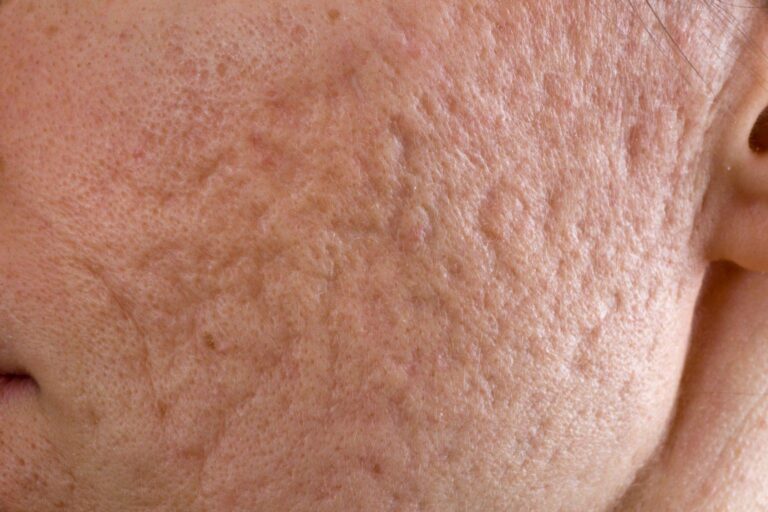
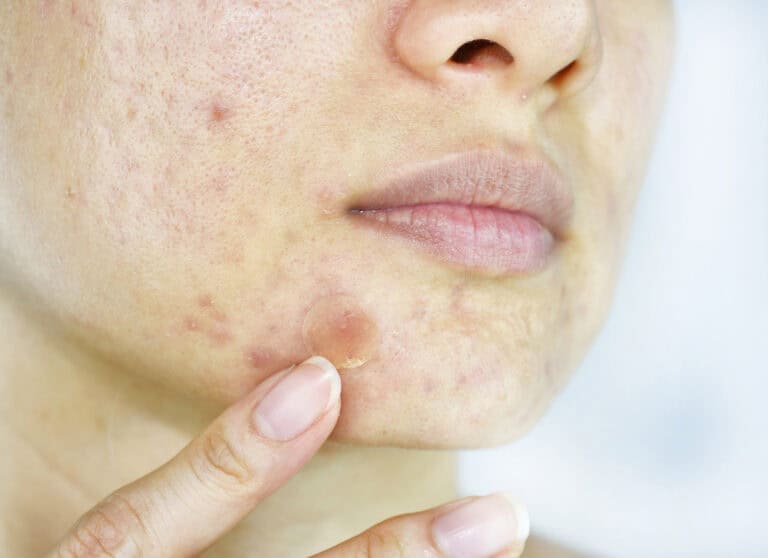
Stem cell therapy for acne scars in Bangkok and other places usually uses mesenchymal stem cells (MSCs). These cells come from a patient’s own fat or bone marrow, or from carefully screened donor tissue, such as umbilical cord tissue. Unlike PRP, MSCs are living cells that can become part of the treated tissue and continue sending regenerative signals over time, rather than providing a one-time dose of growth factors.
Preparation: Same-Day vs. Lab-Dependent
How PRP Gets Prepared
PRP preparation happens largely in-office, same day. Blood is drawn, spun in a centrifuge for a matter of minutes, and the concentrate is ready for injection within the same appointment. There’s no lab culturing step and no waiting period between draw and treatment.
How Stem Cell Preparation Differs
Preparing stem cells takes more time. After tissue is collected, whether it is fat, bone marrow, or donor cord tissue, it must be processed. In many cases, the cells are expanded in a GMP-compliant lab and tested for viability and sterility before use. The time needed for this process, along with the required accreditation, is a key reason why these two treatments have such different costs.
Comparing the Cost Bracket
PRP is usually the more affordable option in most clinical settings. It typically costs a few hundred dollars to about $2,000 per session, since it can be processed in the office the same day with minimal lab work. Stem cell therapy is more expensive because it involves collecting cells, growing them in a lab, and testing for quality. Prices often range from several thousand dollars up to $15,000 to $25,000, depending on the type of cells, the dose, and the condition being treated. When PRP and stem cell therapy are combined, the cost falls between these two ranges. This combination is often used for wounds and scars when a doctor wants both a quick boost from growth factors and a longer-lasting effect from the cells.
Session Count and Follow-Up
PRP’s Typical Schedule
PRP for scar and wound applications is usually delivered across a short series commonly two to three injections spaced several weeks apart with some patients returning for annual touch-ups depending on how the tissue holds the result.
Stem Cell Therapy’s Typical Schedule
Stem cell treatments usually involve fewer, more concentrated sessions. Sometimes, just one treatment is given for a specific scar or wound. This is because the cells continue to signal in the tissue long after the appointment, so they do not need to be introduced often.
What the Evidence Actually Supports
Scars: Where Each Has Data Behind It
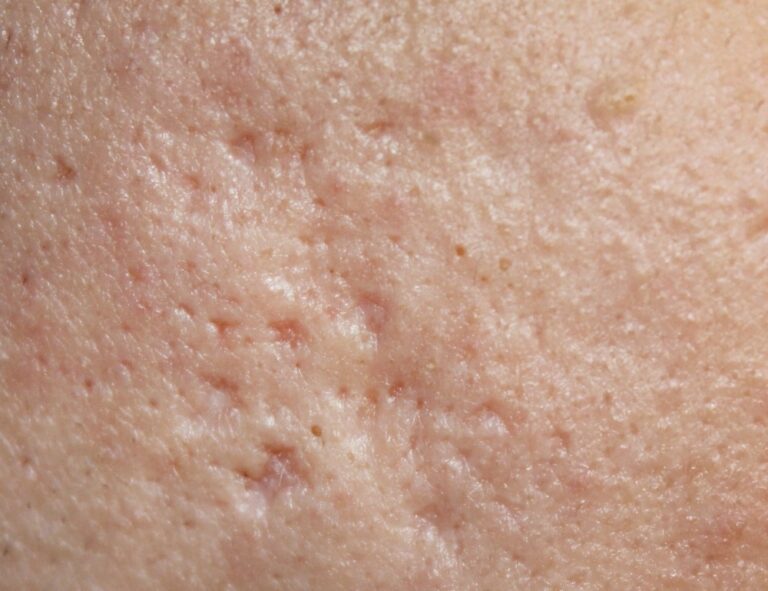
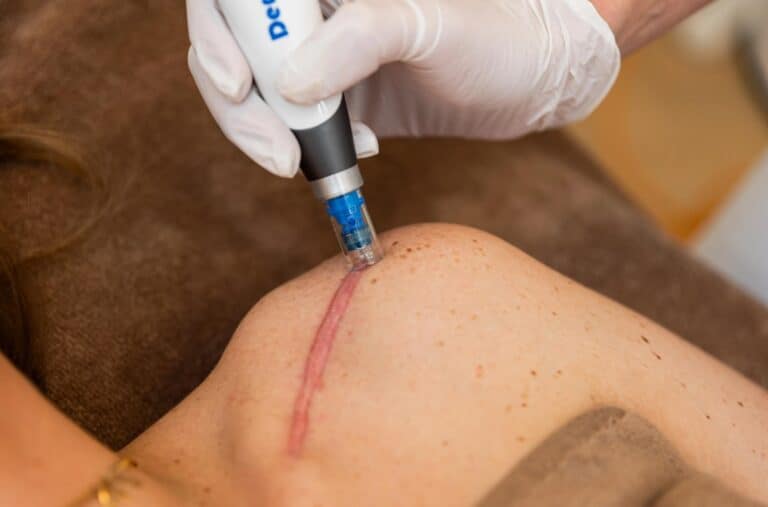
When it comes to scar tissue, PRP has a solid evidence base from randomized trials for healing after surgery and cesarean sections. These studies show clear improvements in healing quality when PRP is used during or soon after wound closure. MSC-based treatments are supported by a growing number of laboratory and animal studies, which suggest that MSCs can reduce collagen buildup and help control overactive fibroblasts in scar tissue. However, there is less human trial data on MSCs for cosmetic scar revision than for PRP.
Chronic Wounds: A Genuinely Comparable Field
Chronic and non-healing wounds are among the few conditions where MSCs and PRP have been directly compared. A recent systematic review and meta-analysis of several randomized controlled trials found that both MSCs and PRP are effective at improving wound closure rates and healing time. However, neither treatment was clearly superior to the other across all wound types. This suggests that the best option often depends on the specific wound rather than following a single rule.
Hair: A Different Evidence Picture
When it comes to hair loss, PRP has a stronger and more established evidence base. Several systematic reviews and meta-analyses show that it can improve hair density in androgenetic alopecia. In comparison, stem cell therapy for hair loss is newer, with promising yet still developing research. At this time, neither treatment has formal regulatory approval for hair restoration in most places.
Which Fits What: A Quick Reference
Factor | PRP | Stem Cell Therapy |
Source | Patient’s own blood (platelets) | Patient’s own fat/bone marrow, or screened donor tissue (e.g. umbilical cord) |
Preparation | Same-day, in-office centrifugation | Lab processing, expansion, and viability testing |
Typical cost | Roughly $500–$2,000 per session | Roughly $5,000–$25,000 depending on source and dose |
Session count | Short series (2–3), possible annual touch-up | Fewer, more concentrated sessions |
Strongest evidence in | Post-surgical scar healing, androgenetic alopecia | Chronic/non-healing wounds, fibrosis modulation in scar tissue |
Best-suited for | Mild-to-moderate scarring, active hair thinning, budget-conscious first step | Thicker/more established scars, non-healing wounds, cases where PRP alone plateaued |
Making the Actual Decision
The real answer to whether PRP or stem cell therapy is best rarely comes from a list of treatments. It depends on what the tissue actually looks like. For example, a new, mild post-surgical scar is very different from an old, thick scar that does not respond well to treatment, even though both might be called “scarring” online. The same idea applies to a wound that has not healed for months, compared with a healthy incision healing as expected.
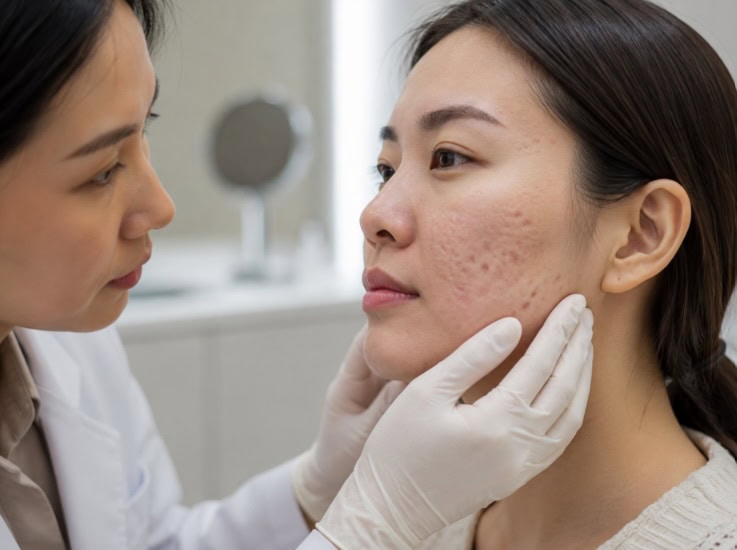
If you are looking into stem cell therapy for acne scars in Bangkok, it is usually better to have your tissue tested directly rather than choosing a treatment based solely on its name. The best recommendation often depends on what is really happening under the scar, not on which therapy sounds more advanced.
Frequently Asked Questions
Does this hurt, and is there downtime?
The injection step can feel mildly uncomfortable, but local anesthetic keeps that manageable for most patients. Downtime is minimal most people are back to normal activities the same day.
How many sessions does it take to see results?
Generally two to three sessions, spaced three to four months apart, with the clearest results typically showing up somewhere between six and twelve months after starting.
Is stem cell therapy actually safe?
When it’s performed by an experienced physician under proper medical standards, the overall risk is low especially when the cells or extract come from the patient’s own body rather than a donor source.
The Bottom Line
Stem cell therapy for hair loss represents a real shift in how hair restoration works, going straight after the stem cells at the root of the problem instead of just boosting blood flow or reinforcing hair that’s already growing. For patients with dormant follicles that haven’t fully atrophied, it opens up an option that genuinely wasn’t available a few years ago.
A consultation with a specialized team at a clinic like Vega Derma for a real candidacy assessment and a treatment plan built around your specific follicle condition is the right first step toward a result that’s both lasting and safe.

The Vega Derma Medical Team consists of board-certified dermatologists, specialized trichologists, and clinical researchers based in Bangkok, Thailand. Our team specializes in evidence-based regenerative dermatology, complex tissue repair, and advanced hair restoration (including precision FUE and FSE). Every protocol and article we publish is medically reviewed to ensure it meets international clinical standards, providing safe, science-backed guidance for our local and international patients.