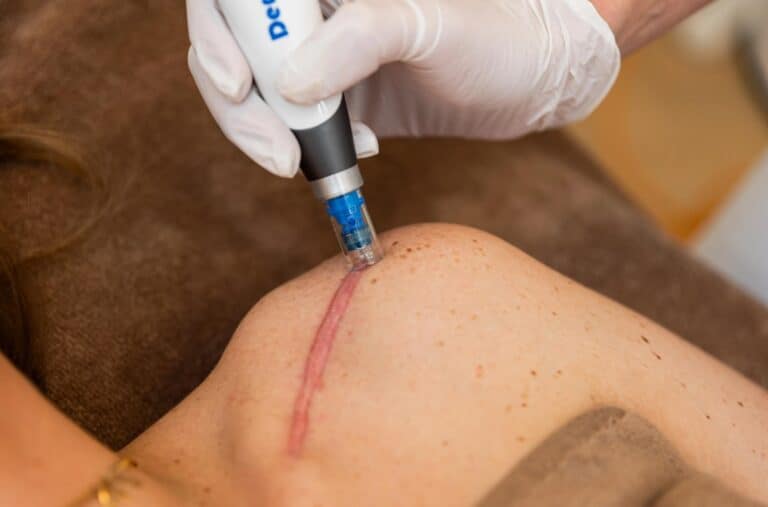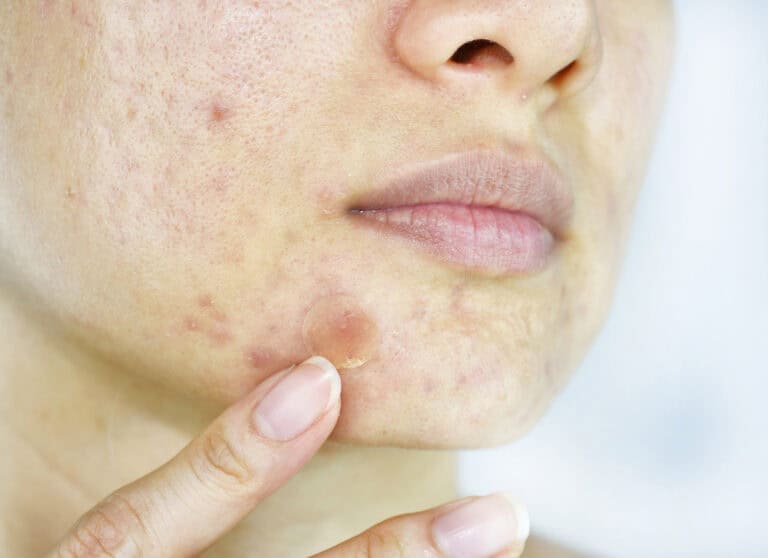

Let’s take a look at acne scar types, how to recognize each, and what realistic next steps look like. Recognizing the specific one you are examining is key to establishing the proper treatment approach. Long after acne subsides, a common observation is that skin texture stays irregular, characterized by slight divots on the cheeks or persistent small dark marks. While it’s simple to group them all as “scars,” they are distinct. A portion of these are genuine alterations to the skin’s texture, and the rest are simply residual discoloration.
True Scars vs. Post-Acne Marks
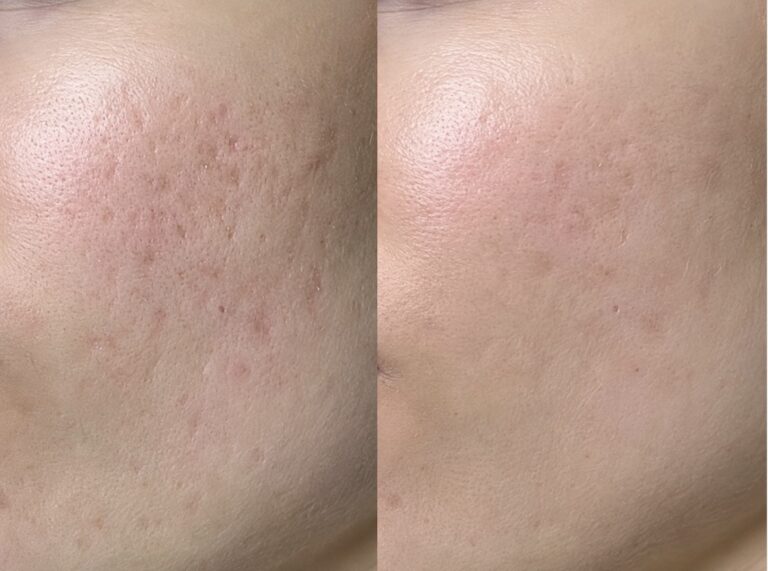
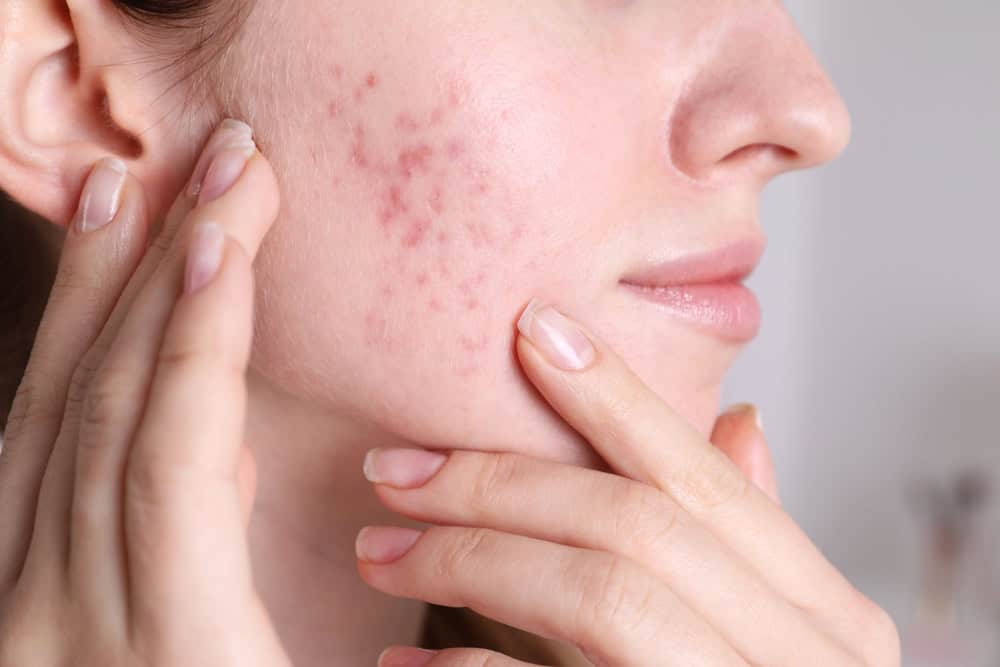
A true acne scar involves a permanent change in skin texture, where the surface is either sunken in or raised above the surrounding skin. Post-acne marks, on the other hand, are flat and appear as brown, red, or pinkish spots left behind after a breakout heals, and while they can be very noticeable, the skin surface is normal to the touch.
This distinction in acne scar types often gets missed because both show up in the same places and at the same time. With sun protection and good skincare, marks typically disappear on their own within weeks to months. Deeper skin structure alterations mean true acne scars need more intensive treatment.
Depressed (Atrophic) Acne Scars
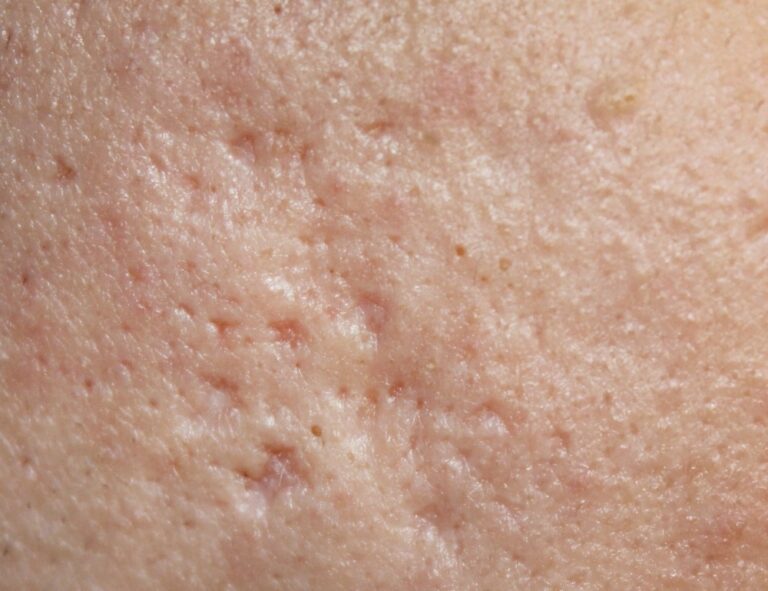
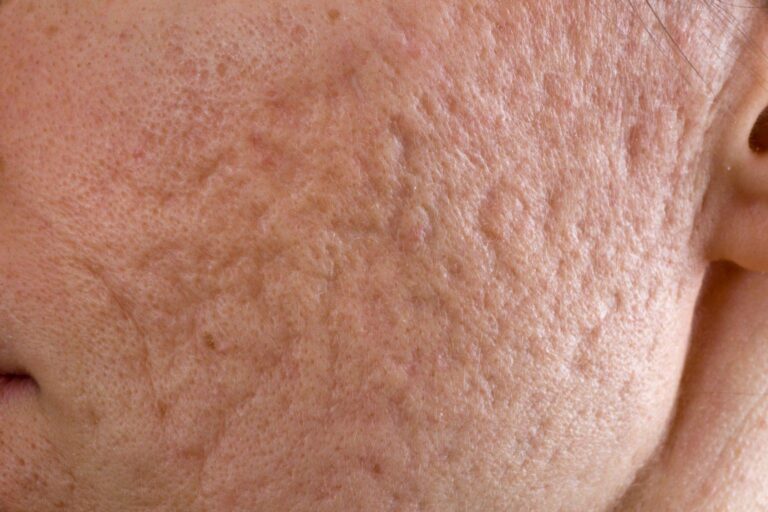
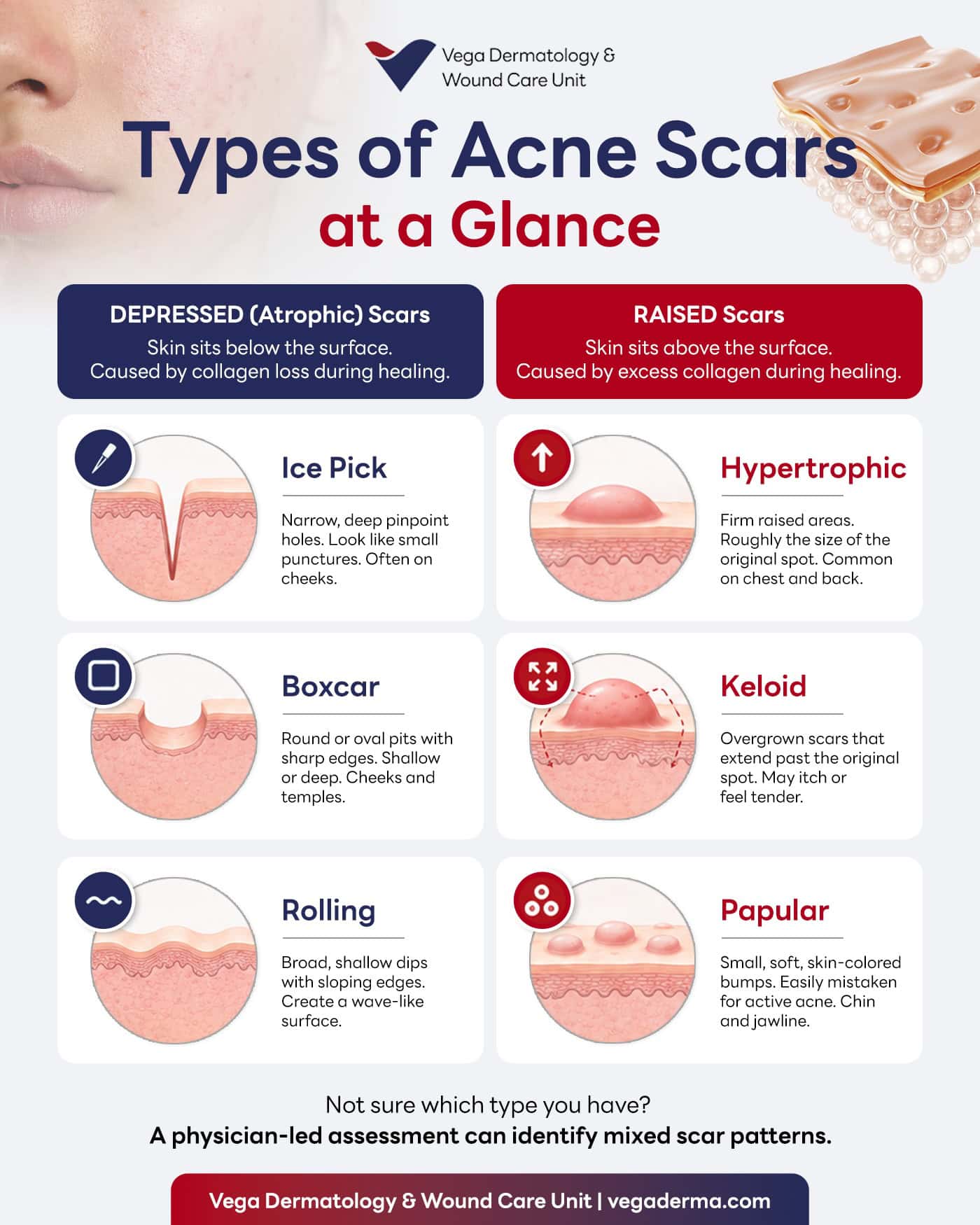
Atrophic scars form when acne damages the deeper layers of skin and the body does not produce enough collagen during healing, resulting in a sunken area. These are the most common facial acne scar patterns and come in three main shapes.
- Ice pick scars are narrow, deep depressions that look like the skin has been punctured with a fine tool. They often appear on the cheeks and are among the hardest to treat because they extend so far down.
- Boxcar scars are round or oval pits with sharply defined edges. They can be shallow or deep and often show up on the cheeks and temples, giving the skin a pitted look.
- Rolling scars are broad, shallow depressions with sloping edges that create a wave-like surface across the skin. They tend to appear in groups and are more visible in certain lighting.
Raised Acne Scars
When acne injures the deeper skin layers, the body’s insufficient collagen production during healing leads to atrophic scars, which are sunken areas. There are three primary shapes for the most frequently seen facial acne scar patterns.
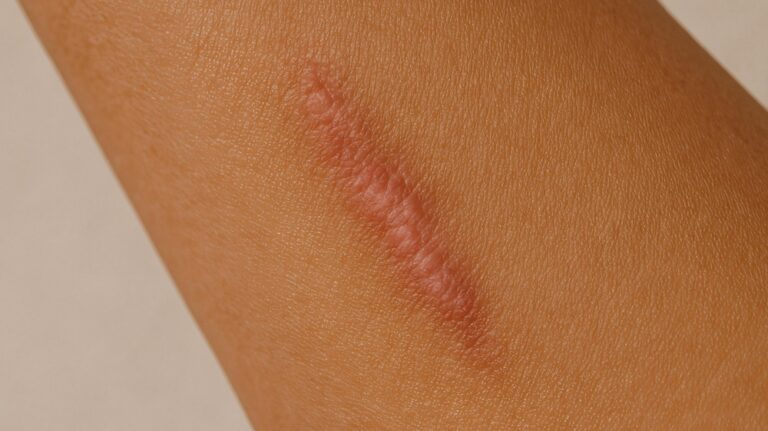
- Hypertrophic scars are firm, raised areas that roughly match the size of the original acne lesion. They tend to appear within a few months of the acne healing.
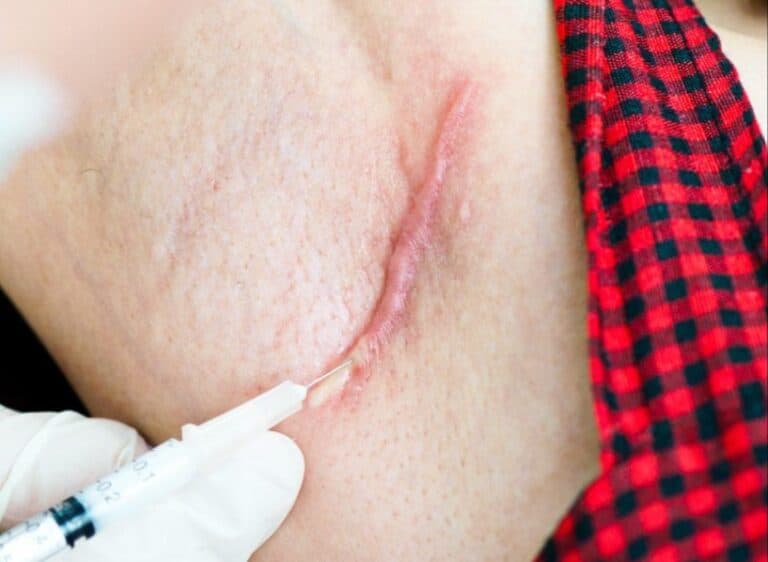
- Keloid scars extend beyond the boundaries of the original spot and can keep growing over time. They may itch or feel tender and often need medical treatment to manage.
- Papular acne scars are small, soft, skin-colored bumps that can look like active breakouts. They commonly appear on the chin, jawline, or back and are easily mistaken for ongoing acne.
How Many Types of Acne Scars Are There?

The figures vary across different sources, ranging from three to six, or even exceeding that. For acne scars, a more effective classification system is to group them into depressed and raised types, in addition to flat discoloration which is not true scarring.
A few guides focus exclusively on the three facial atrophic subtypes (ice pick, boxcar, rolling), whereas some others encompass all raised variants and classify post-inflammatory marks separately. The correct number is not definitive, as the framework’s basis lies in the classification system employed by a source.
Telling Your Scar Type Apart at Home
You can get a reasonable sense of the acne scar type you have by checking three things: shape, depth, and texture. Look at your skin in good lighting from the side, not just head-on, to observe any texture changes that flat lighting hides.
As a general rule of thumb, narrow, deep pinpoint holes suggest ice pick scars. Wider, sharply edged pits point to boxcar scars. Broad, shallow, wavy dips are typical of rolling scars. Firm bumps are raised scars. Flat brown or red spots without texture change are marks, not scars.
That said, self-assessment has limits, especially with mixed scar types. Treat this as a starting point rather than an accurate diagnosis.
Vega’s Approach to Scar and Tissue Remodeling
At Vega Derma, scar assessment starts with physician-led classification before any treatment is recommended. Our regenerative dermatology program uses cell therapy and bio-active signaling approaches to support tissue remodeling for suitable candidates. Outcomes may vary depending on scar depth, type, and individual skin condition.
Our clinic follows a safety-first, conservative communication style, with a clinical assessment of your scar pattern and treatment fit being the main part of our consultation. This is especially useful for patients with mixed acne scar types or those who have tried skincare and want to understand what more advanced options actually involve.
Seek Vega Dermatology For Your Acne Scars
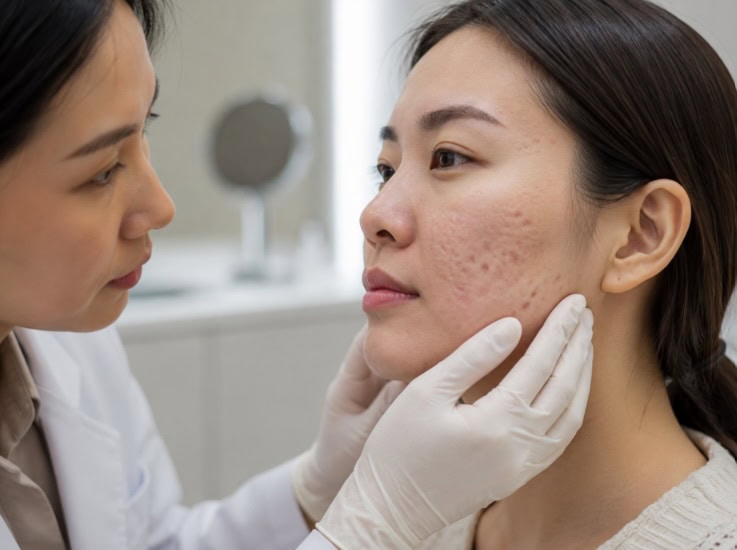
Professional evaluation is worth considering when scars are mixed in type, very deep, raised and symptomatic, or resistant to over-the-counter care. A specialist can identify scar patterns, distinguish them from active acne or pigmentation, and determine if active acne needs management before scar treatment. Considering early evaluation also broadens your choices, as certain methods are most effective during the skin’s active remodeling phase.
At Vega Derma Stem Cell Clinic, our care approach for acne scars begins with a clinical evaluation to confirm the acne scar type and depth, followed by a plan that may combine physician-assessed regenerative approaches for suitable candidates. We track your progress over time and make adjustments to the plan as needed as your skin condition evolves.

The Vega Derma Medical Team consists of board-certified dermatologists, specialized trichologists, and clinical researchers based in Bangkok, Thailand. Our team specializes in evidence-based regenerative dermatology, complex tissue repair, and advanced hair restoration (including precision FUE and FSE). Every protocol and article we publish is medically reviewed to ensure it meets international clinical standards, providing safe, science-backed guidance for our local and international patients.