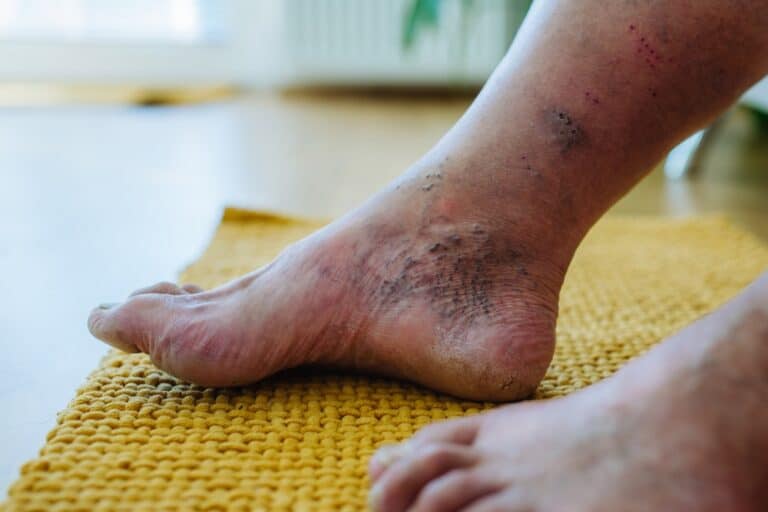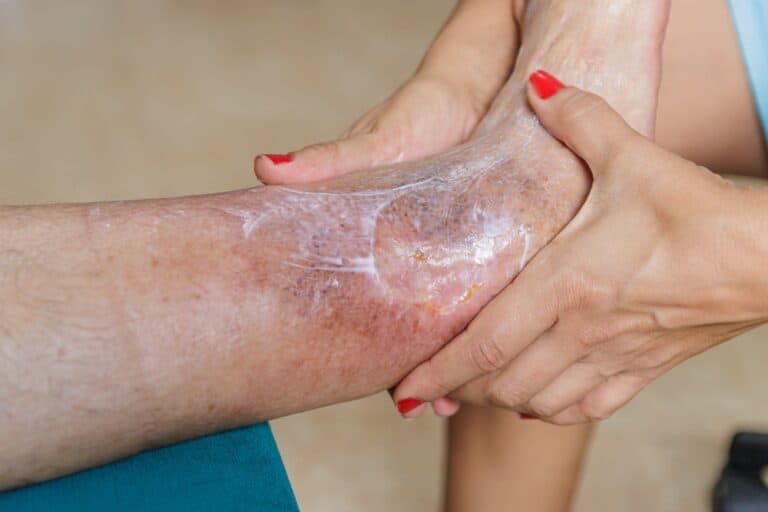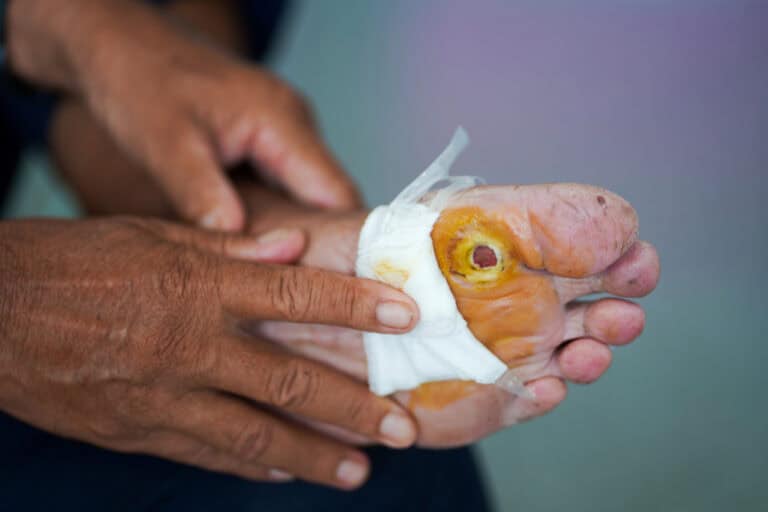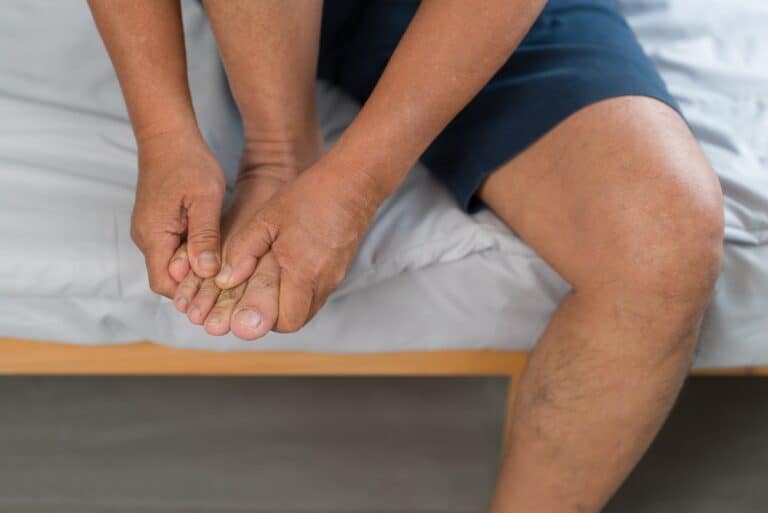


A small cut, blister, or cracked callus means very little for most people. For someone living with diabetes, the same minor injury can quietly become a chronic wound. This is not a rare edge case: the lifetime risk of developing a diabetic foot ulcer is estimated at 19–34% (American Diabetes Association), and once one forms, it can be slow to close and prone to complications.
Effective diabetic wound care at home starts with understanding why these wounds behave differently, and knowing exactly where the line sits between what you can safely manage yourself and what needs a clinician. This guide walks through both, with the specific warning signs that mean it’s time to stop watching and start getting help.
Why Diabetic Wounds Need Special Attention
To understand why diabetic wounds behave differently, it helps to look at what diabetes does to the body’s repair systems. It does not affect just one pathway; it disrupts several at once, and the combined effect is greater than any single factor alone.
How Diabetes Affects Wound Healing
Long-standing high blood sugar damages the small blood vessels that carry oxygen and nutrients to injured tissue. Without adequate supply, the chain of biological events needed to close a wound stalls early. At the same time, elevated glucose impairs white blood cell function, so the immune system is slower to clear bacteria and dead tissue. The result is a wound environment that neither cleans itself nor rebuilds properly.
Four mechanisms work against healing simultaneously:
- Reduced circulation: Small-vessel damage limits the oxygen and nutrient delivery that wound repair depends on.
- Nerve damage (neuropathy): Reduced sensation means injuries go unnoticed and deepen before they’re ever found.
- Higher infection risk: An impaired immune response lets bacteria establish more easily and persist longer.
- Delayed tissue repair: The cellular signalling needed to rebuild tissue is disrupted at multiple levels.
Common Types of Diabetic Wounds
Most diabetic wounds fall into a small number of categories. The feet are disproportionately affected: they sit furthest from the heart, already receive less blood flow, and endure daily pressure and friction the patient may not feel.
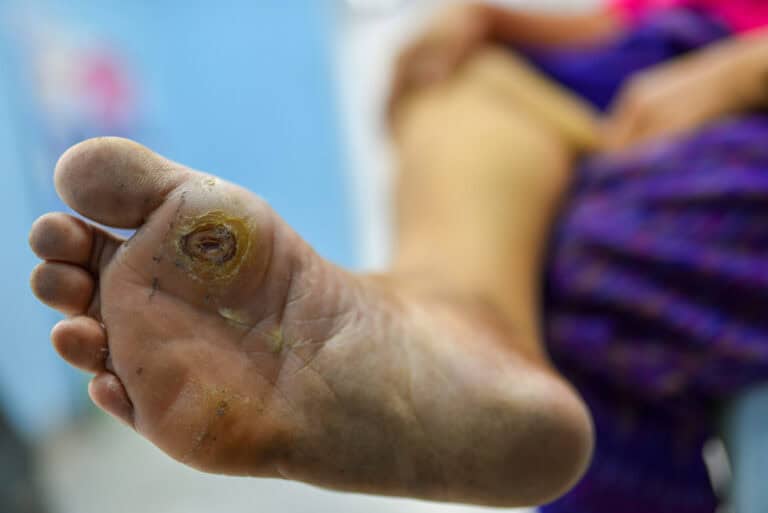
- Foot ulcers: The most common and potentially serious presentation, often forming on pressure points such as the ball of the foot, heel, or toes.
- Cuts and scrapes: Minor injuries that fail to follow the normal closure timeline.
- Blisters: Frequently caused by ill-fitting footwear and often unnoticed until they break open.
- Pressure-related wounds: Occurring anywhere skin with compromised circulation is under sustained pressure.
The 4 Essential Steps of Diabetic Wound Care at Home
Safe wound care for diabetics at home comes down to four repeatable steps. Do them consistently and you create the conditions for healing, and catch problems early.
Step 1: Clean the Wound Gently
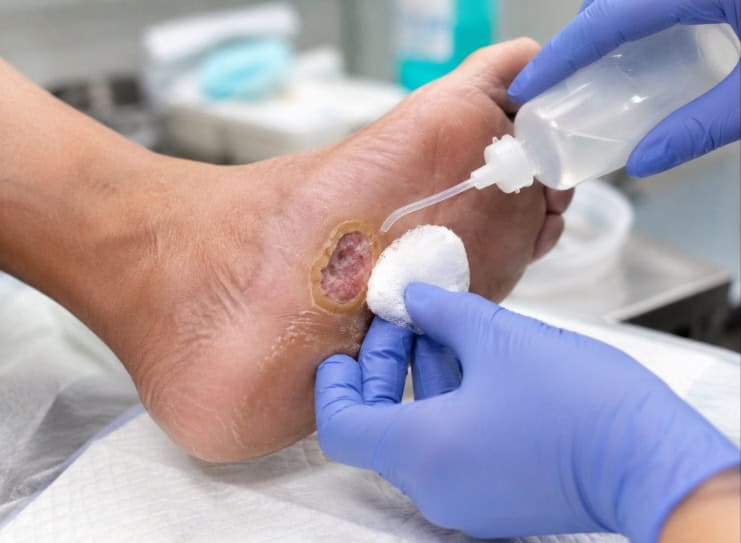
The goal is to remove surface debris and reduce bacterial load without damaging the fragile healing tissue underneath. Harsh antiseptics that feel “stronger” actually delay healing by destroying the very cells the wound needs to repair itself.
- Use clean water or saline solution as the first choice.
- Avoid hydrogen peroxide, undiluted iodine, and alcohol-based solutions directly on the wound.
- Pat the area dry gently. Never rub, which can disrupt new tissue.
Step 2: Keep the Wound Protected
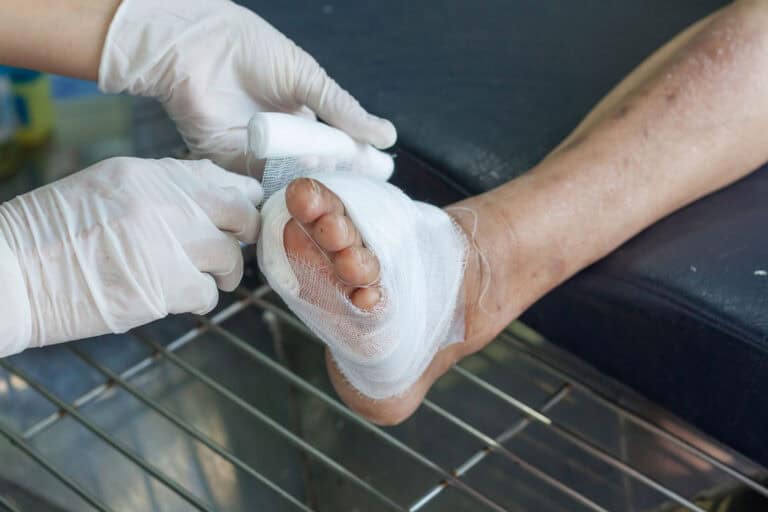
The right dressing creates a moist, protected environment that supports closure and reduces contamination. Dressing choice depends on wound type, stage, and drainage, which is why clinical guidance matters more than whatever is in the cupboard.
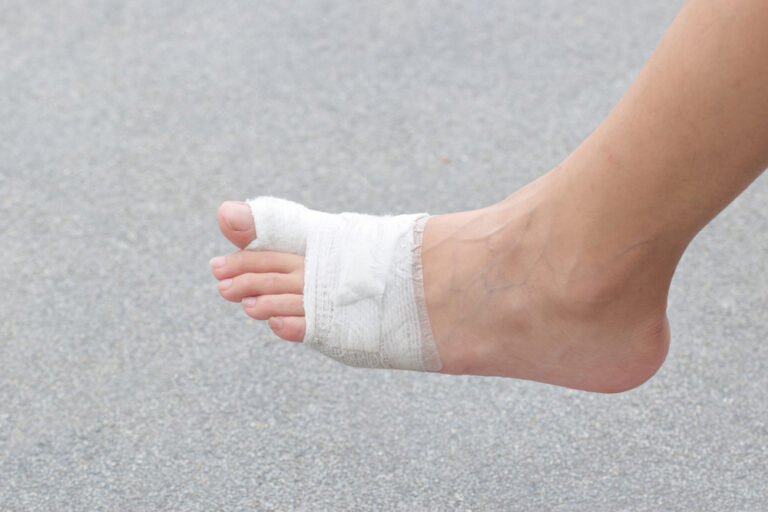
- Apply the dressing your clinician recommends, not improvised substitutes.
- Change it on schedule: too often disturbs the wound; too rarely allows buildup.
- Shield the area from pressure, friction, and contamination throughout the day.
Step 3: Monitor the Wound Daily
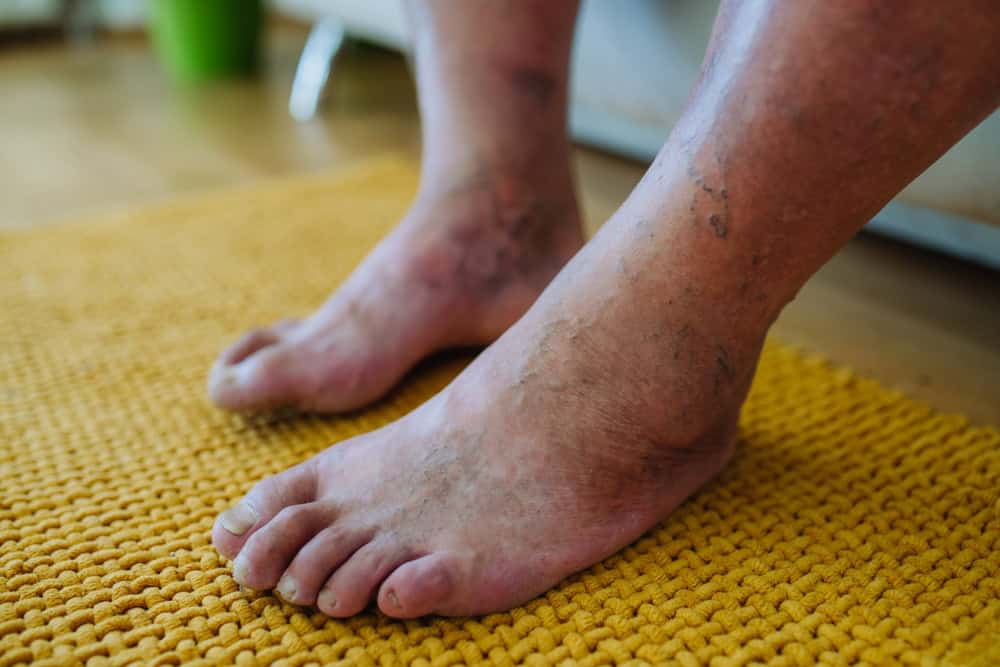
Daily monitoring is one of the most important things you can do at home. Because neuropathy can blunt pain signals, a wound can worsen without you feeling it, so visual inspection becomes the substitute for sensation.
- Watch for spreading redness, swelling, or warmth beyond the wound edge.
- Track drainage: changes in colour, amount, or odour are early infection signals.
- Measure size: a wound not getting smaller week by week is not healing adequately.
- Photograph it at the same angle and lighting each day to catch gradual changes that are hard to see in real time.
Step 4: Manage Your Blood Sugar
Glycaemic control isn’t just a general health goal. It’s a direct wound-care intervention. Wounds in patients with poorly controlled blood sugar close more slowly, become infected more often, and are more likely to turn chronic. For context, only about 30–40% of diabetic foot ulcers heal within 12 weeks (meta-analysis, PMC), and consistent glucose control is one of the biggest levers on that number.
- Consistent control sustains the cellular environment repair depends on.
- Discuss your target range and HbA1c goal with your diabetes team.
What Is the Best Home Remedy for Diabetic Wounds?
The best home remedy is structured wound care. Many traditional approaches, including topical honey, aloe vera, turmeric pastes, and similar preparations, may soothe an ordinary wound, but they introduce real risk when circulation, immune function, and sensation are already impaired. They can trap bacteria, mask early infection, or irritate fragile tissue.
Evidence-based home care, aligned with the International Working Group on the Diabetic Foot (IWGDF) and the U.S. Centers for Disease Control and Prevention (CDC), focuses on five things:
- Gentle cleansing with water or saline at each dressing change.
- Appropriate dressings: clinician-recommended, not improvised.
- Daily visual monitoring, even when the wound feels fine.
- Blood sugar management as an active part of wound care.
- Early escalation: recognising the signs that mean the wound needs professional review.
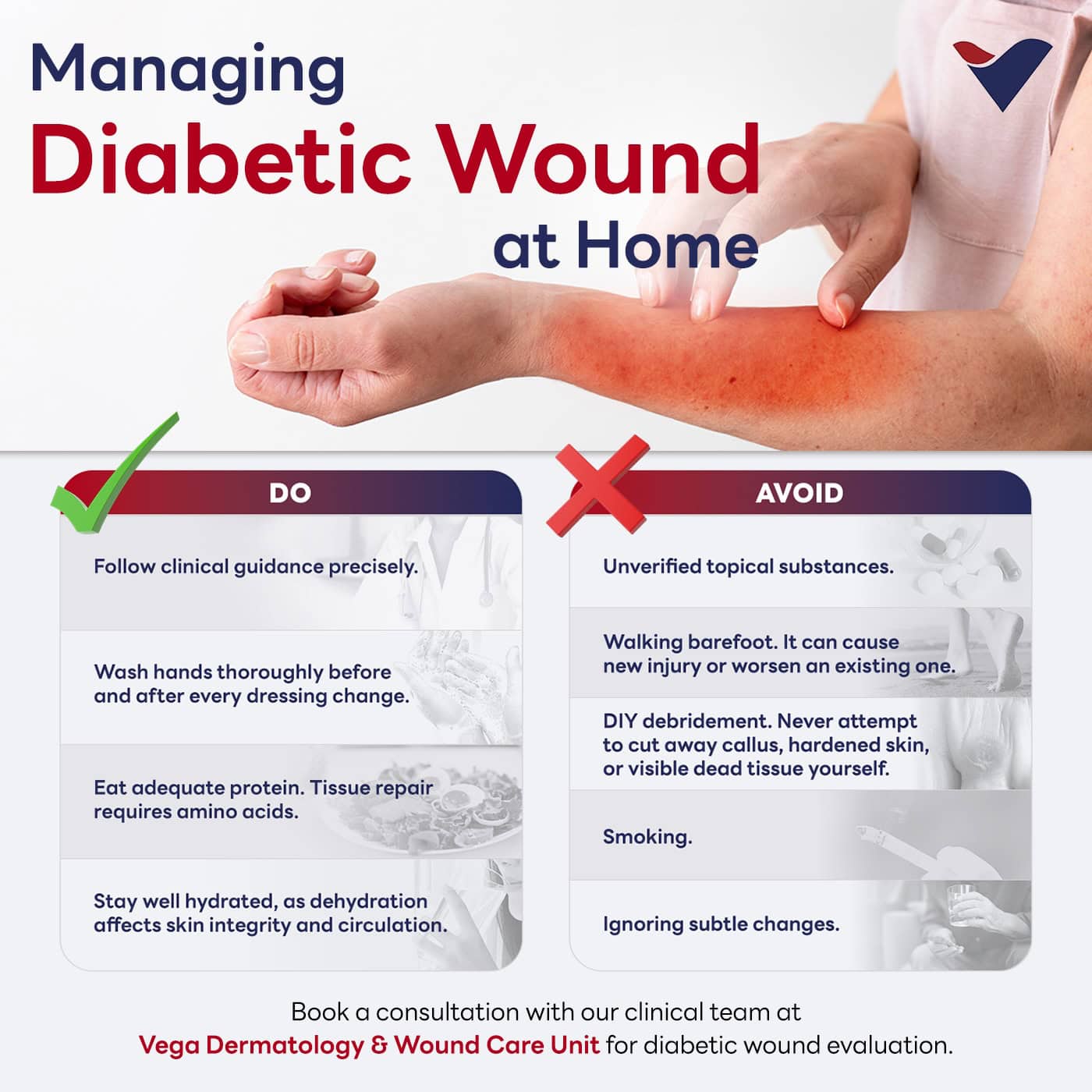
Do’s and Don’ts of At-Home Wound Care for Diabetics
A quick reference you can keep by the first-aid kit:
| Do | Don’t |
|---|---|
| Wash hands before and after touching the wound | Walk barefoot, even indoors |
| Clean with water or sterile saline | Use hydrogen peroxide, alcohol, or undiluted iodine on the wound |
| Use the dressing your clinician prescribed | “Air out” an open wound uncovered for long periods |
| Inspect the wound (and both feet) every day | Pop blisters or cut calluses yourself |
| Keep blood sugar in your target range | Apply honey, aloe, turmeric, or other unverified remedies |
| Offload pressure from a foot wound as advised | Wait “a few more days” once infection signs appear |
| Photograph the wound to track progress | Reuse or double-up old dressings |
Warning Signs That Require Medical Attention
Certain changes mean home care alone is no longer appropriate. Diabetic wounds can escalate within days once infection is involved, so act on these signs promptly rather than waiting to see if things improve:
- Increasing redness spreading outward from the wound edge.
- Warmth: the surrounding area feels noticeably hotter than nearby skin.
- Pus or unusual discharge: cloudy, yellow, green, or foul-smelling.
- Fever or chills: systemic signs infection may be spreading.
- Worsening pain, especially in a wound that was previously painless.
- Stalled progress: little or no size reduction after 2–4 weeks of consistent care.
- Recurring wounds in the same location, suggesting an unresolved underlying cause.
- Chronic threshold: a wound still open at 12 weeks is classed as chronic and warrants advanced wound-care input.
Important note: Any suspected foot ulcer should be assessed by a specialist promptly even when it looks small, feels painless, or seems superficial.
How to Prevent Future Diabetic Wounds
Prevention is an active, daily process, and it matters enormously, because recurrence is common: around 40% of healed ulcers return within a year and 65% within five years (current burden of diabetic foot disease, PubMed). Most recurrences are preventable with a structured routine.
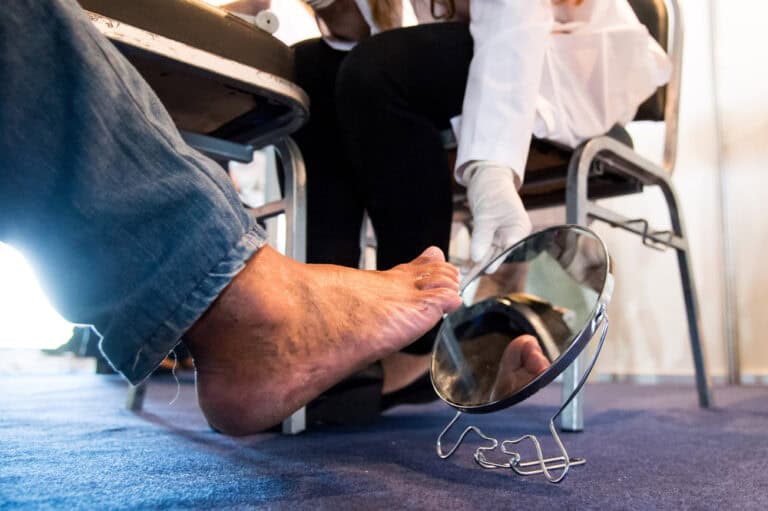
- Inspect your feet daily, including the soles and between every toe. Use a mirror or ask a family member for hard-to-see areas.
- Wear properly fitted footwear and check inside your shoes before putting them on; small objects or rough seams cause injuries you can’t feel.
- Address cuts and blisters early, before they become open wounds.
- Moisturise carefully: apply to the foot but not between the toes, where excess moisture raises fungal risk.
- Book regular foot screenings. An annual foot screen is recommended for everyone with diabetes, more often for those with prior ulcers, peripheral arterial disease, or neuropathy.
- Keep blood sugar consistently controlled, the single most influential preventive measure.
When Professional Wound Care Becomes Essential
Home care is a meaningful part of diabetic wound management, but it has defined limits. Once a wound isn’t healing on schedule, shows signs of infection, or sits on a high-risk foot, the tools available in a clinical setting are fundamentally different from what you can do at home. Professional care addresses what home care can’t: the wound biology, the vascular environment, and the bacterial load.
- Clinical wound assessment: staging the wound, identifying its cause, and reviewing circulation and neuropathy.
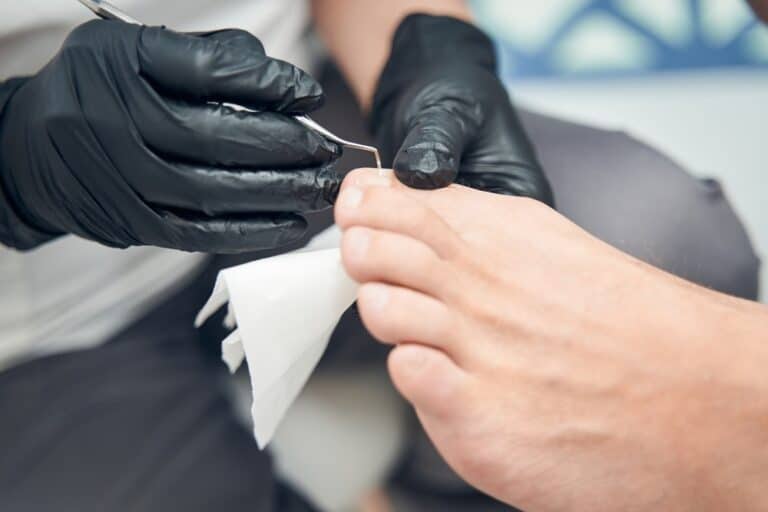
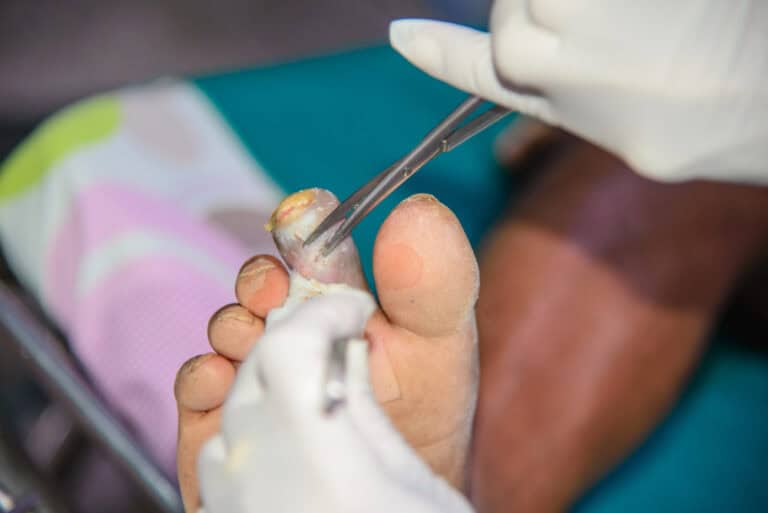
- Appropriate debridement: controlled removal of non-viable tissue to restore a wound bed where healing can progress.
- Advanced dressings matched to the wound’s stage, drainage level, and infection status.
- Targeted infection treatment based on the specific bacteria present, rather than broad-spectrum guesswork.
- Offloading strategies: specialist-prescribed pressure relief, often the single most important intervention for plantar (bottom-of-foot) ulcers.
- Regenerative support: for suitable candidates, VEGF and PDGF Ultra Enhanced Media may be considered under physician supervision to support the biological conditions needed for closure.
Book a consultation with our clinical team at Vega Derma Clinic for diabetic wound evaluation. Early assessment is the most reliable way to access structured diabetic wound care management in Thailand before something small turns into a chronic infection.

The Vega Derma Medical Team consists of board-certified dermatologists, specialized trichologists, and clinical researchers based in Bangkok, Thailand. Our team specializes in evidence-based regenerative dermatology, complex tissue repair, and advanced hair restoration (including precision FUE and FSE). Every protocol and article we publish is medically reviewed to ensure it meets international clinical standards, providing safe, science-backed guidance for our local and international patients.