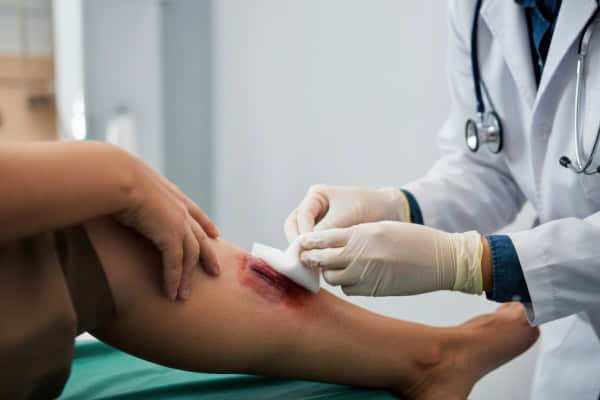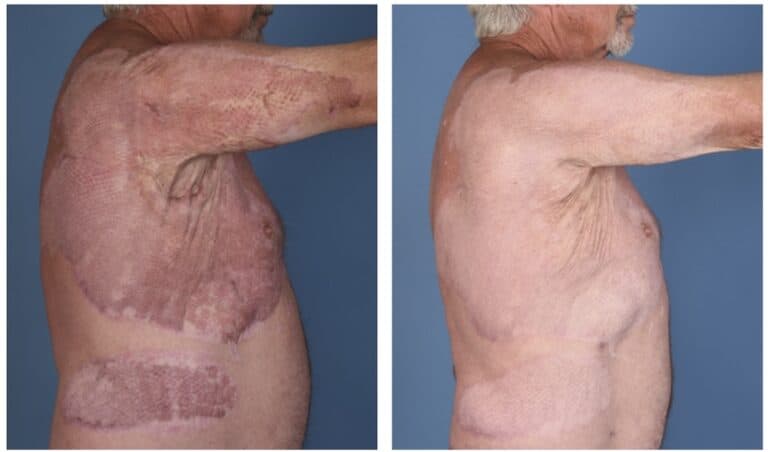

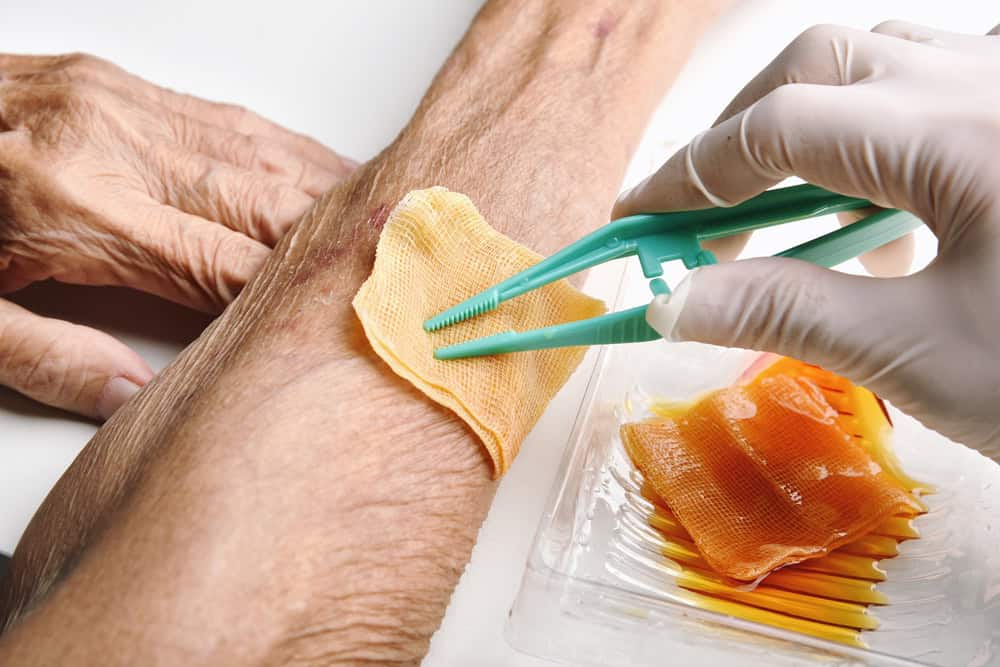
Most wounds heal in a clear, predictable way within a few weeks. A chronic wound is different — it gets stuck partway through healing and can stay open for months, even with consistent care. If you’re searching for chronic wound treatment, you likely already know the frustrating part: the wound isn’t necessarily getting worse, but it isn’t closing either.
This guide explains what makes a wound chronic, how modern chronic wound healing treatment actually works, what the healing timeline looks like, and when it’s time to see a wound care specialist.
What Is a Chronic Wound?
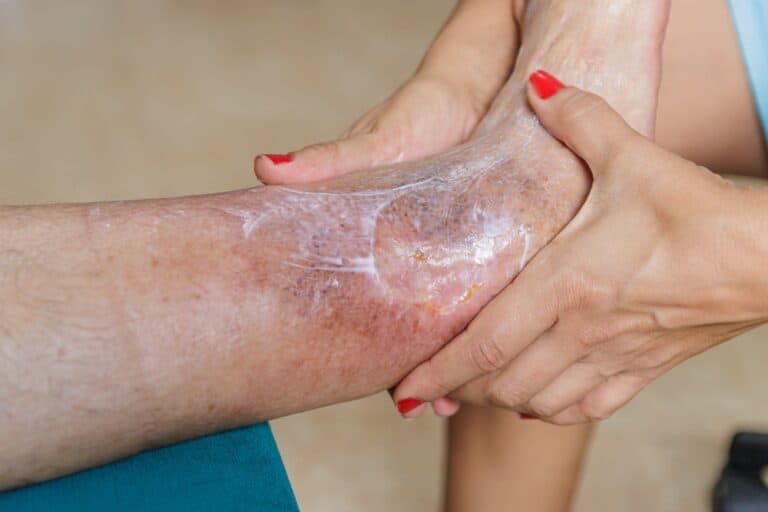
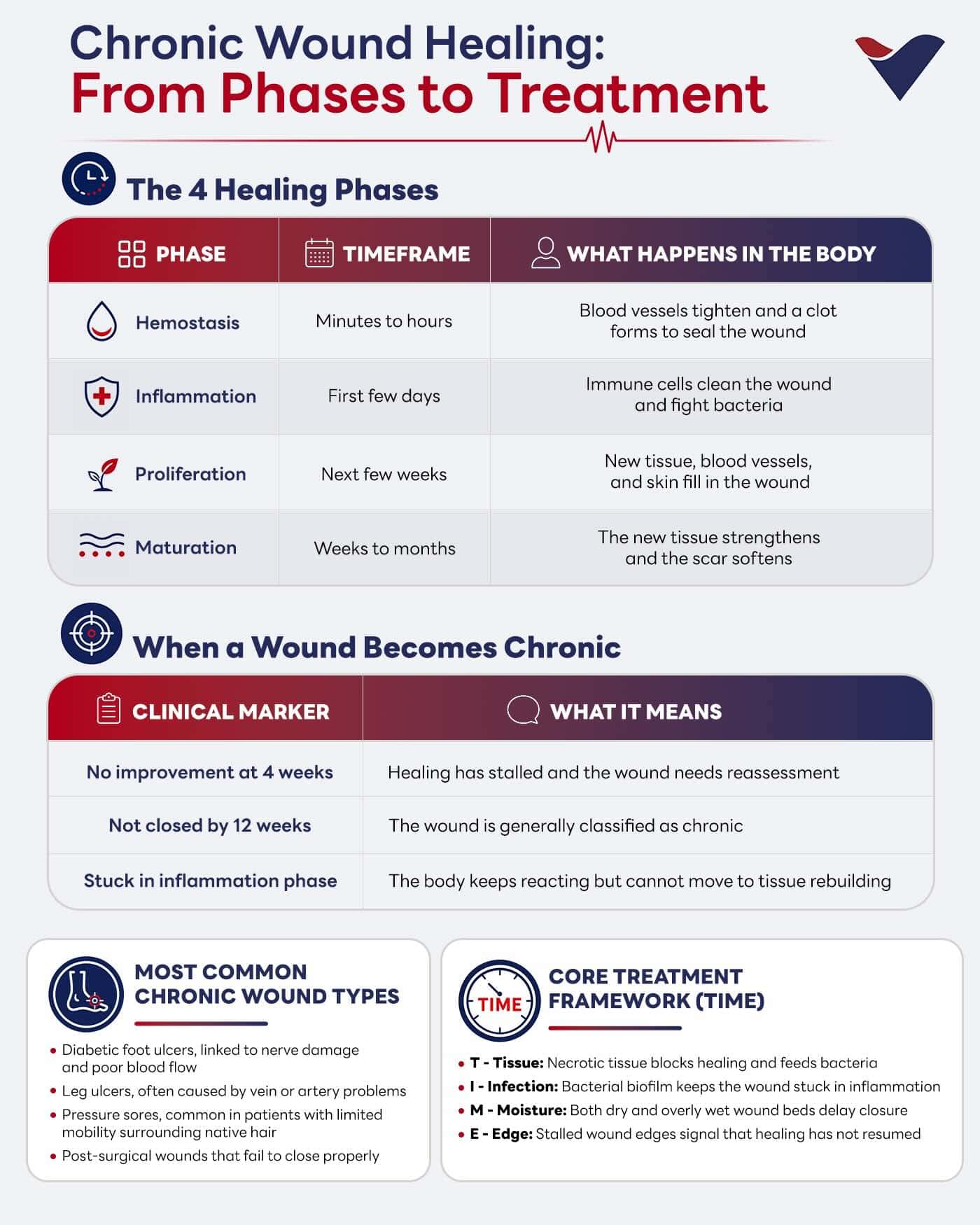
A chronic wound is a wound that fails to move through the normal, orderly stages of healing within an expected timeframe. In clinical practice, a wound is generally treated as chronic when it shows no meaningful improvement after 4 weeks, or has not fully closed by 12 weeks (roughly 3 months).
The Wound Healing Society groups most chronic wounds into four main types:
- Diabetic foot ulcers — driven by high blood sugar, nerve damage, and reduced circulation.
- Venous leg ulcers — the most common type, caused by poor return of blood in the leg veins.
- Pressure injuries (bed sores) — from sustained pressure in people with limited mobility.
- Arterial (ischemic) ulcers — caused by restricted arterial blood flow.
How a Wound Normally Heals
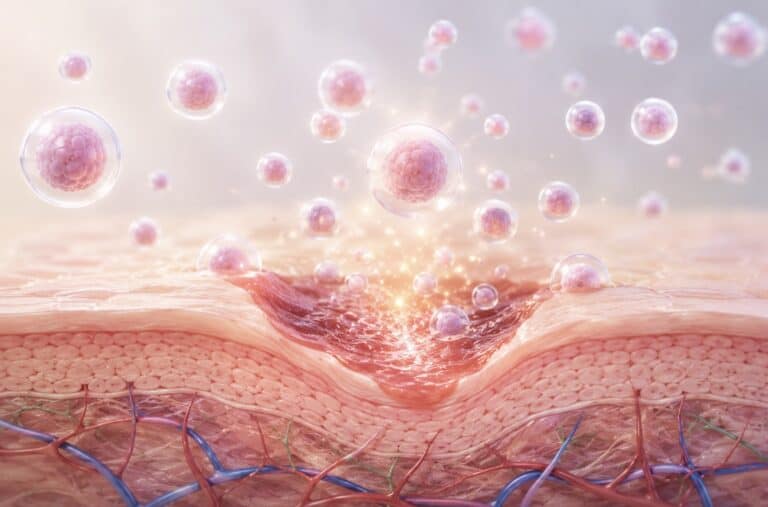
Understanding chronic wound healing starts with understanding how a healthy wound closes. Healing is a coordinated biological process that unfolds in four overlapping phases, each depending on the one before it:
- Hemostasis (minutes to hours): Blood vessels tighten and a clot forms to seal the wound and create a barrier against bacteria.
- Inflammation (first few days): Immune cells arrive to clear bacteria and damaged tissue. Some redness, warmth, and mild swelling are normal here.
- Proliferation — building new tissue (next few weeks): New skin cells, blood vessels, and connective tissue fill the wound from the bottom up while the edges pull inward.
- Remodeling — strengthening the skin (weeks to months): Collagen reorganizes and the scar softens. This phase can take a year or more; new tissue reaches only about 20% of its strength at three weeks and up to 80% at one year, which is why healed skin stays fragile for a long time.
A healthy (acute) wound completes all four phases in roughly four to six weeks. A chronic wound begins the same way but stops — most often during the inflammation phase — and cannot move forward on its own.
Acute vs. Chronic Wounds: The Key Difference
| Acute Wound | Chronic Wound | |
|---|---|---|
| Examples | Cuts, surgical incisions, burns, scrapes | Diabetic foot ulcers, venous leg ulcers, pressure injuries |
| Healing path | Moves through all 4 phases in order | Stalls, usually in the inflammation phase |
| Timeframe | Closes in ~4–6 weeks | No improvement at 4 weeks; open beyond 12 weeks |
| Behavior over time | Gets smaller and less painful | Stays the same, leaks fluid, may develop odor or grow |
| Main risk | Low, with normal care | Rising risk of infection, tissue damage, hospitalization |
Why Wounds Become Chronic
Healing usually stalls for more than one reason at once — which is why chronic wound treatment almost always needs a layered approach:
- Biofilm: Bacteria build a thin, protective film over the wound surface that resists ordinary cleaning and dressings, keeping the wound locked in inflammation.
- Underlying health conditions: Diabetes, poor blood flow, and autoimmune disease slow healing across the whole body by limiting the delivery of oxygen, nutrients, and immune cells to the wound bed.
- Lifestyle and mechanical factors: Smoking, poor nutrition (especially low protein), and constant pressure on the wound all interrupt tissue repair.
- Repeated trauma or unrelieved pressure: Common in diabetic foot ulcers and pressure injuries, where the same spot is loaded again and again.
Treating the surface of a chronic wound without treating its cause is why so many wounds fail to close. Effective care addresses the wound, the cause, and the patient’s overall health together.
Chronic Wound Treatment: The Core Framework
Modern chronic wound healing treatment follows an evidence-based approach known as wound bed preparation, structured around the clinical mnemonic TIME (developed by wound care experts in 2002 and still central to practice today). The four elements are:
- T — Tissue: Removing dead or unhealthy tissue through debridement so healthy tissue can grow. Unlike acute wounds, chronic wounds often need repeated debridement. Methods include surgical (sharp), enzymatic, autolytic, and mechanical debridement.
- I — Infection / Inflammation: Controlling bacteria and biofilm using antimicrobial dressings, topical agents, or systemic medication when infection is present.
- M — Moisture balance: Keeping the wound moist enough to heal but not so wet that the surrounding skin breaks down. The right dressing depends on how much the wound drains.
- E — Edge of the wound: Supporting the wound edges so new skin can migrate across and close the gap.
Advanced Chronic Wound Treatments
When standard dressings and wound bed preparation aren’t enough — typically for wounds that are large, deep, or slow to respond — specialists turn to advanced therapies. The right combination depends on the wound type, the underlying cause, and how the wound has responded so far.
Negative Pressure Wound Therapy (NPWT)
Also called vacuum-assisted closure, NPWT places a sealed foam dressing over the wound and applies gentle, controlled suction. This draws out excess fluid, reduces swelling, and helps stimulate new tissue growth. It is widely used for deep or heavily draining wounds and to improve the success rate of skin grafts — one systematic review reported a mean graft “take” of around 92% when grafts were supported by NPWT.
Skin Grafts and Skin Substitutes
For wounds unlikely to close on their own, a skin graft transfers healthy skin (or a bioengineered skin substitute) onto the prepared wound bed to jump-start closure. Grafts require a clean, well-vascularized wound bed — which is why debridement and infection control come first.
Growth Factor Therapy
Growth factor treatment applies signaling proteins (such as platelet-derived growth factor) directly to the wound to reactivate healing at the cellular level. It’s typically reserved for wounds that remain stalled despite good wound bed preparation.
Offloading for Diabetic Foot Ulcers
Pressure offloading — using total-contact casts, special boots, or custom footwear — removes mechanical stress from the wound. For diabetic foot ulcers, offloading is often the single most important factor in healing.
Compression Therapy for Venous Leg Ulcers
For venous leg ulcers, compression therapy (bandages or medical stockings) improves blood return in the legs and is a cornerstone of long-term management.
Hyperbaric Oxygen and Adjunctive Therapies
In selected cases — particularly some diabetic ulcers — hyperbaric oxygen therapy and other adjunctive treatments may be added under specialist supervision.
Chronic Wound Healing Time: What to Expect
How long does a chronic wound take to heal? There’s no single answer — chronic wound healing time depends on the cause of the wound and the patient’s overall health. But a realistic timeline under specialist care looks like this:
- Weeks 0–2: The focus is on cleaning the wound, controlling infection, and reducing swelling. Visible change may be minimal — this is normal.
- Weeks 3–8: The earliest signs of restarted healing usually appear: new pink (granulation) tissue and a gradually shrinking wound.
- A few months: Many chronic wounds close within several months once healing resumes.
- Longer, complex cases: Deep diabetic ulcers or wounds with significant underlying disease may take longer and need ongoing advanced support.
If a wound has shown no improvement after four weeks of care, that is the point to seek specialist assessment — not to keep waiting.
When to See a Wound Care Specialist
See a specialist promptly if your wound:
- Shows no improvement after 2–4 weeks of care.
- Is growing, deepening, or draining more over time.
- Develops a foul odor, increasing redness, warmth, or spreading discoloration.
- Is accompanied by fever or worsening pain.
- Occurs in someone with diabetes, poor circulation, or reduced mobility — these wounds should be assessed early.
Untreated chronic wounds carry real risks: infection that can spread to deeper tissue or bone, reduced mobility, and in serious cases, tissue death or hospitalization. Early assessment is the single best way to change the outcome.
Specialist Chronic Wound Care in Bangkok
A chronic wound is rarely just a skin problem, so treating the surface alone is rarely enough. Real progress comes from assessing the wound, the underlying cause, and the patient’s overall health together.
Vega Dermatology & Wound Care provides comprehensive chronic wound treatment in Bangkok, focused on restarting stalled healing through careful assessment, structured wound bed preparation, and advanced signaling support. International patients are supported by English-speaking doctors and staff at every step.
A wound that won’t heal is a sign to act, not to wait. Book a consultation today and find out what proper care can do for a wound that has stalled.

The Vega Derma Medical Team consists of board-certified dermatologists, specialized trichologists, and clinical researchers based in Bangkok, Thailand. Our team specializes in evidence-based regenerative dermatology, complex tissue repair, and advanced hair restoration (including precision FUE and FSE). Every protocol and article we publish is medically reviewed to ensure it meets international clinical standards, providing safe, science-backed guidance for our local and international patients.