
Key Takeaways
- A wound is “chronic” when it fails to heal meaningfully within 4–6 weeks despite appropriate care, or doesn’t progress through the normal stages of healing.
- Treatment must target the cause, not just the wound surface. The right therapy for a venous ulcer (compression) can be dangerous for an arterial ulcer, which needs restored blood flow first.
- The core treatment cycle is the same across wound types: assess the patient and wound, debride non-viable tissue, control infection, balance moisture with the right dressing, and reassess regularly.
- Advanced options such as negative pressure wound therapy, skin substitutes, growth-factor therapies and hyperbaric oxygen are reserved for wounds that don’t respond to standard care.
- Early specialist referral improves outcomes, especially for diabetic foot wounds, where delays raise the risk of infection and amputation.
What Is a Chronic Wound?
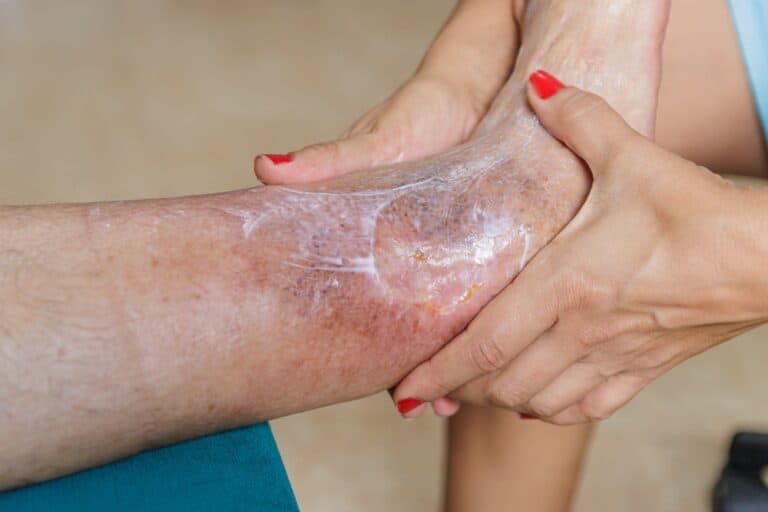
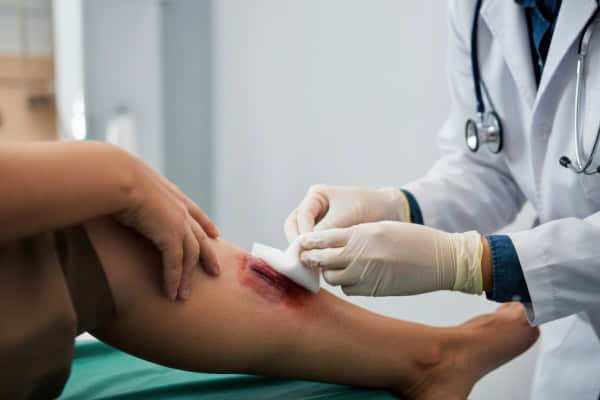
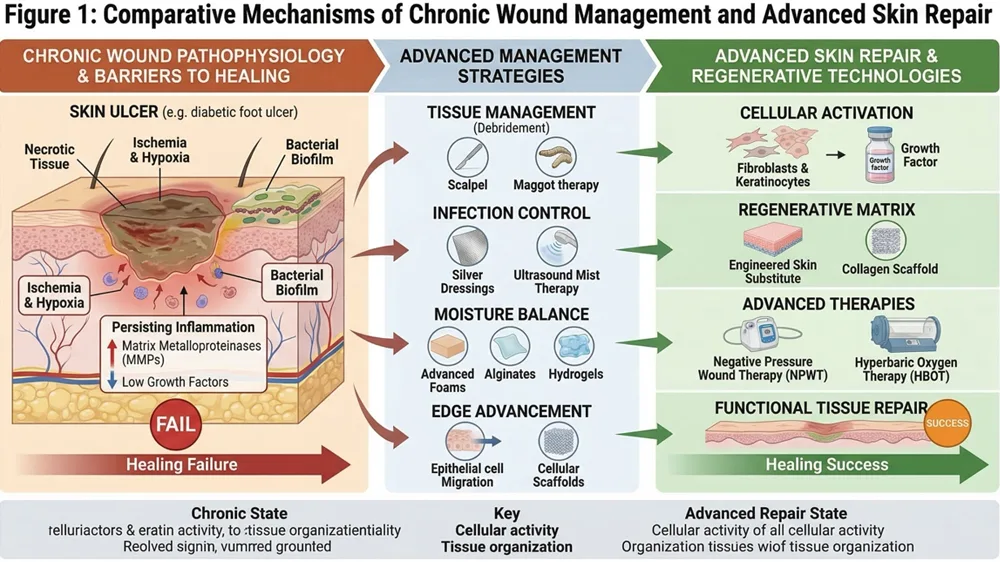
A chronic wound is one that does not heal in the expected timeframe. It is generally still open, inflamed or unstable after four to six weeks. Instead of moving through the normal phases of healing (inflammation, tissue building, and remodelling), it gets stuck, usually in a prolonged inflammatory state. This keeps the wound open longer, raising the risk of infection, tissue breakdown and, in severe cases, amputation.
Why do some wounds refuse to heal?
Slow-healing wounds are rarely “just skin damage.” The common drivers include:
- Poor blood circulation, so tissue can’t get the oxygen and nutrients it needs to rebuild.
- High blood sugar (diabetes), which impairs immune response, circulation and nerve function.
- Repeated pressure or friction, which cuts off blood flow to one area (the cause of pressure injuries).
- Persistent infection and biofilm, a protective bacterial layer that stalls healing.
- Chronic inflammation, which leaves the wound “stuck” in the inflammatory phase.
- Poor nutrition, so the body lacks the raw materials for repair.
Identifying which of these is at work is the first and most important step in treatment, because it determines everything that follows.
The Core Chronic Wound Care Treatment Process
Evidence-based chronic wound care treatment follows a structured cycle. Internationally, clinicians use the TIME framework (Tissue, Infection/inflammation, Moisture, and Edge) to prepare the wound bed systematically [see references]. In practice, treatment moves through these steps:
- Patient assessment. Review the whole person: medical history, diabetes status, vascular health, nutrition, medications and mobility. The wound is a symptom; the body is the patient.
- Wound assessment. Measure size, depth and exudate; check for signs of infection; classify the wound using a standardised tool (see below).
- Debridement. Remove dead (non-viable) tissue that harbours bacteria and blocks healing, using surgical (sharp), enzymatic, autolytic or biological methods depending on the wound.
- Infection control. Distinguish infection from inflammation, disrupt biofilm, and use antimicrobials appropriately (more on this below).
- Moisture balance and dressing selection. Choose a dressing that keeps the wound bed moist but not macerated, matched to wound type, depth and exudate level.
- Reassessment. Monitor progress and adjust the plan. A wound that isn’t improving within 2–4 weeks of correct treatment needs to be re-evaluated, not simply re-dressed.
Direct answer, what is the fastest way to heal a chronic wound? There is no single “fast” fix. The fastest route to healing is correctly identifying the cause, removing dead tissue, controlling infection, keeping the wound bed moist, offloading pressure where relevant, and treating the underlying condition (such as diabetes or venous disease) at the same time.
Chronic Ulcer Treatment by Type
This is where treatment diverges. Not all chronic ulcers are treated the same way, and using the wrong approach can make a wound worse. The table below summarises the cause-specific chronic ulcer treatment for each major type.
| Ulcer type | Underlying cause | First-line treatment | Advanced / adjunct options |
|---|---|---|---|
| Venous leg ulcer | Poor venous return; high pressure in leg veins | Graduated compression therapy (multicomponent/elastic) after confirming arterial supply (ABPI); debridement; moist dressings; leg elevation | Treating the underlying venous reflux (e.g. endovenous ablation); pentoxifylline as an adjunct |
| Arterial (ischaemic) ulcer | Reduced arterial blood flow (peripheral artery disease) | Restore blood flow first: vascular assessment and revascularization (angioplasty or bypass); wound protection; risk-factor control | Careful, modified wound care; avoid strong compression unless cleared by a vascular specialist |
| Pressure injury (bedsore) | Sustained pressure/shear over a bony area | Offloading and repositioning; pressure-redistributing support surfaces; debridement; moist wound healing matched to stage | Negative pressure wound therapy for deep wounds; nutritional optimisation; surgical repair for advanced stages |
| Diabetic foot ulcer | Neuropathy plus poor circulation plus high blood sugar | Offloading (total contact cast or equivalent); debridement; infection control; glycaemic control; vascular assessment | Sucrose-octasulfate dressings, hyperbaric oxygen for selected ischaemic wounds, skin substitutes; urgent referral |
| Mixed-etiology ulcer | Overlapping vascular, pressure or metabolic causes | Treat the dominant cause; multidisciplinary assessment | Modified compression if a mild arterial component is present; individualised advanced therapy |
Venous leg ulcer treatment
The most common chronic leg ulcer. The evidence strongly supports compression therapy as first-line treatment. It helps venous ulcers heal faster and more completely than no compression, and reduces recurrence [see references]. Compression is combined with debridement, moisture-balanced dressings and, increasingly, correction of the underlying venous reflux.
Arterial ulcer treatment
Here the wound is a symptom of inadequate blood supply. The priority is to restore perfusion through vascular assessment and revascularization, because no dressing will heal tissue that isn’t receiving blood. Strong compression is generally avoided.
Pressure injury treatment
Treatment centres on removing the pressure: repositioning schedules, pressure-redistributing mattresses and cushions, plus stage-appropriate wound care, debridement and nutritional support.
Diabetic foot ulcer treatment
Among the highest-risk chronic wounds. International guidelines emphasise offloading (relieving pressure, ideally with a non-removable knee-high device), thorough debridement, prompt infection management, blood-sugar control, and vascular assessment with revascularization when the foot is ischaemic [see references]. Early referral to a multidisciplinary foot team is strongly recommended.
Advanced Wound Care Treatments and Technologies
When a wound doesn’t respond to standard care, clinicians add advanced therapies:
- Negative Pressure Wound Therapy (NPWT) applies controlled suction to draw out fluid, reduce swelling and promote granulation tissue in deep or complex wounds.
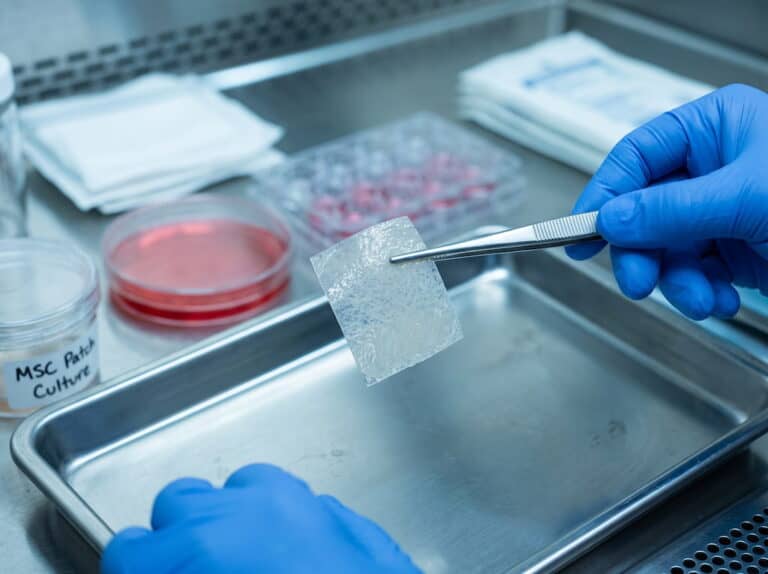
- Bioengineered skin substitutes provide a scaffold and growth signals for hard-to-close wounds.
- Growth-factor therapies, including Platelet-Derived Growth Factor (PDGF), help recruit repair cells and rebuild tissue.
- Hyperbaric Oxygen Therapy (HBOT) increases oxygen delivery in selected ischaemic wounds, such as certain diabetic foot ulcers.
- Antimicrobial dressings manage bacterial load and biofilm without systemic antibiotics.
The role of VEGF and PDGF in healing
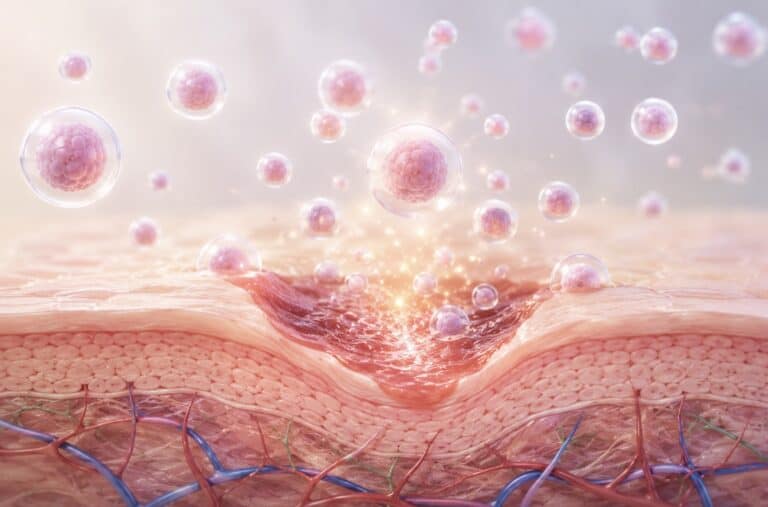
Two growth factors are central to advanced skin repair. VEGF (Vascular Endothelial Growth Factor) drives the formation of new blood vessels, so recovering tissue can get the oxygen and nutrients it needs. PDGF (Platelet-Derived Growth Factor) attracts repair cells to the wound and supports the rebuilding of new tissue. A wound environment that supports VEGF- and PDGF-related activity tends to heal in a stronger, more organised way, which is why moisture, circulation and inflammation control matter so much.
Infection Management in Chronic Wounds
Direct answer, are antibiotics always needed for chronic wounds? No. Antibiotics are reserved for confirmed infection, because overuse drives antibiotic resistance and can disrupt healing. Many wounds are managed with cleansing, debridement, antiseptics and appropriate dressings instead.
Key principles:
- Distinguish infection from inflammation. Spreading redness, increasing exudate, odour, warmth or systemic symptoms (fever, feeling unwell) point to infection.
- Disrupt biofilm. This protective bacterial layer prolongs healing and often requires specialised cleansing, debridement or antimicrobial dressings.
- Use antibiotics only for confirmed infection, guided by clinical assessment and, where needed, culture.
Nutrition: The Overlooked Half of Wound Treatment
Healing is a construction project, and the body needs materials. Chronic wound care treatment routinely includes nutritional support:
- Protein, the building block for new tissue.
- Vitamins A, C and E, which support collagen formation and immune function.
- Zinc and micronutrients, required for cell renewal.
- Adequate hydration, which maintains healthy tissue and skin function.
Poor nutrition is a common, correctable reason wounds stall, which is why a good treatment plan assesses it rather than assuming it.
Wound Assessment Tools and Staging
Standardised tools keep treatment consistent and measurable:
- Pressure injury staging: Stages 1 to 4, plus unstageable and deep tissue injury.
- Wagner classification, which grades the depth and severity of diabetic foot ulcers.
- TIME / TIMERS framework: Tissue, Infection/inflammation, Moisture, Edge (plus Repair and Social factors) for systematic wound-bed preparation.
When to See a Specialist for a Chronic Wound
Seek specialist wound care if the wound:
- Shows no meaningful improvement within 2–4 weeks of appropriate care.
- Shows signs of infection (spreading redness, pus, odour, fever).
- Exposes deeper tissue, tendon or bone.
- Occurs in someone with diabetes or known vascular disease. Refer early, especially for foot wounds.
For patients seeking chronic wound care treatment in Thailand, Vega Derma Clinic offers structured assessment, advanced dressings, and multidisciplinary care under specialist supervision.
The Goal of Modern Wound Treatment
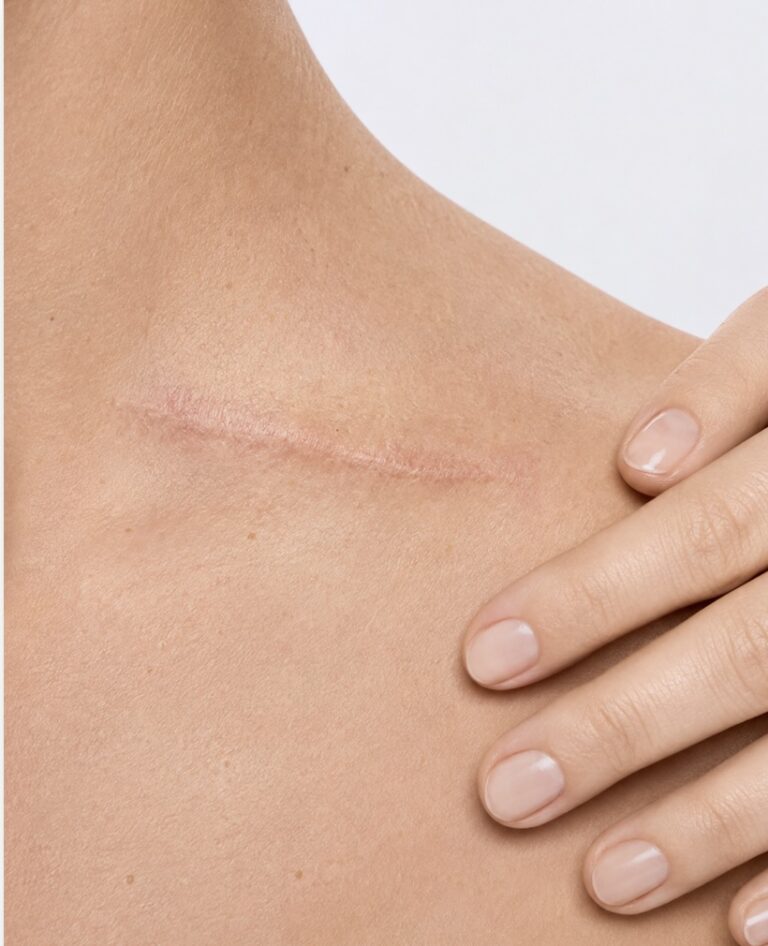
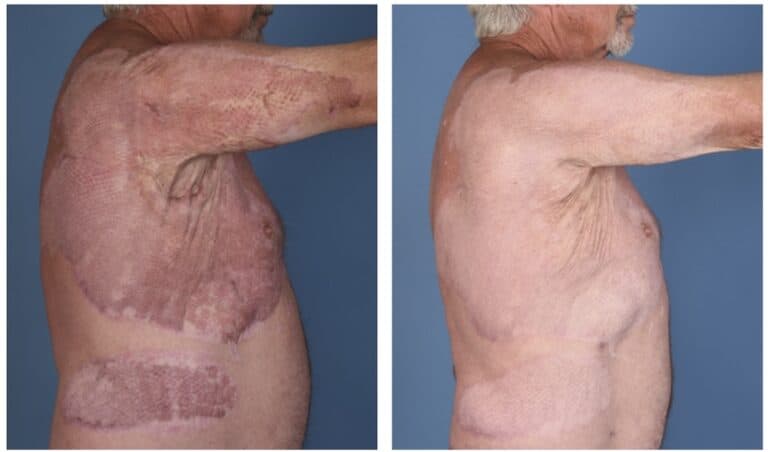
Modern chronic wound care treatment aims to do more than close the wound. The goals are to rebuild stronger tissue, prevent recurrence, reduce infection risk, and restore quality of life by treating both the wound and the conditions that let it persist.
Summary
References:
- Schultz GS, Sibbald RG, Falanga V, et al. Wound bed preparation: a systematic approach to wound management. Wound Repair and Regeneration. 2003;11(Suppl 1):S1–S28. https://pubmed.ncbi.nlm.nih.gov/12654015/
- Schultz GS, Barillo DJ, Mozingo DW, Chin GA. Wound bed preparation and a brief history of TIME. International Wound Journal. 2004;1(1):19–32. https://onlinelibrary.wiley.com/doi/abs/10.1111/j.1742-481x.2004.00008.x
- International Working Group on the Diabetic Foot (IWGDF). Guidelines on the prevention and management of diabetes-related foot disease (2023 update). https://iwgdfguidelines.org/guidelines-2023/
- Chen P, Vilorio NC, Dhatariya K, et al. Guidelines on interventions to enhance healing of foot ulcers in people with diabetes (IWGDF 2023 update). Diabetes/Metabolism Research and Reviews. https://onlinelibrary.wiley.com/doi/10.1002/dmrr.3644
- Senneville É, et al. IWGDF/IDSA Guidelines on the diagnosis and treatment of diabetes-related foot infections (2023). Clinical Infectious Diseases. https://academic.oup.com/cid/advance-article/doi/10.1093/cid/ciad527/7287196
- Shi C, Dumville JC, Cullum N, et al. Compression bandages or stockings versus no compression for treating venous leg ulcers. Cochrane Database of Systematic Reviews. 2021. https://www.cochranelibrary.com/cdsr/doi/10.1002/14651858.CD013397.pub2/full
- Nelson EA, Bell-Syer SEM. Compression for preventing recurrence of venous ulcers. Cochrane Database of Systematic Reviews. 2014;(9):CD002303. https://www.cochrane.org/evidence/CD002303_compression-therapy-preventing-venous-leg-ulcers-returning
Frequently Asked Questions About Chronic Wound Management
Q: What is the fastest way to heal a chronic wound?
A: Healing speed depends on the underlying cause, but the most effective approach combines proper cleaning, moisture-balanced dressings, infection control, offloading or pressure relief, and treatment of conditions such as diabetes or poor circulation.
Q: How do you know if a wound is chronic?
A: A wound is generally considered chronic if it does not show meaningful healing within four to six weeks, or if it fails to progress through the normal stages of inflammation, tissue building, and remodeling.
Q: Can chronic wounds heal completely?
A: Yes, many chronic wounds can heal with structured care, though some may need advanced dressings, debridement, or longer-term management depending on severity and underlying health conditions. Early specialist input improves outcomes.
Q: What role does blood circulation play in wound healing?
A: Healthy blood flow delivers the oxygen, nutrients, and immune cells needed for tissue repair. Poor circulation is one of the most common reasons wounds become chronic, which is why vascular assessment is part of modern wound care.
Q: Are antibiotics always needed for chronic wounds?
A: No. Antibiotics are reserved for confirmed infection, since overuse can drive antibiotic resistance and disrupt healing. Many wounds are managed with cleansing, debridement, antiseptics, and appropriate dressings instead.
Q: When should someone see a specialist for a chronic wound?
A: Seek specialist care if the wound does not improve within two to four weeks, shows signs of infection, exposes deeper tissue, or occurs in patients with diabetes or vascular disease. Earlier referral is recommended for diabetic foot wounds.

The Vega Derma Medical Team consists of board-certified dermatologists, specialized trichologists, and clinical researchers based in Bangkok, Thailand. Our team specializes in evidence-based regenerative dermatology, complex tissue repair, and advanced hair restoration (including precision FUE and FSE). Every protocol and article we publish is medically reviewed to ensure it meets international clinical standards, providing safe, science-backed guidance for our local and international patients.